

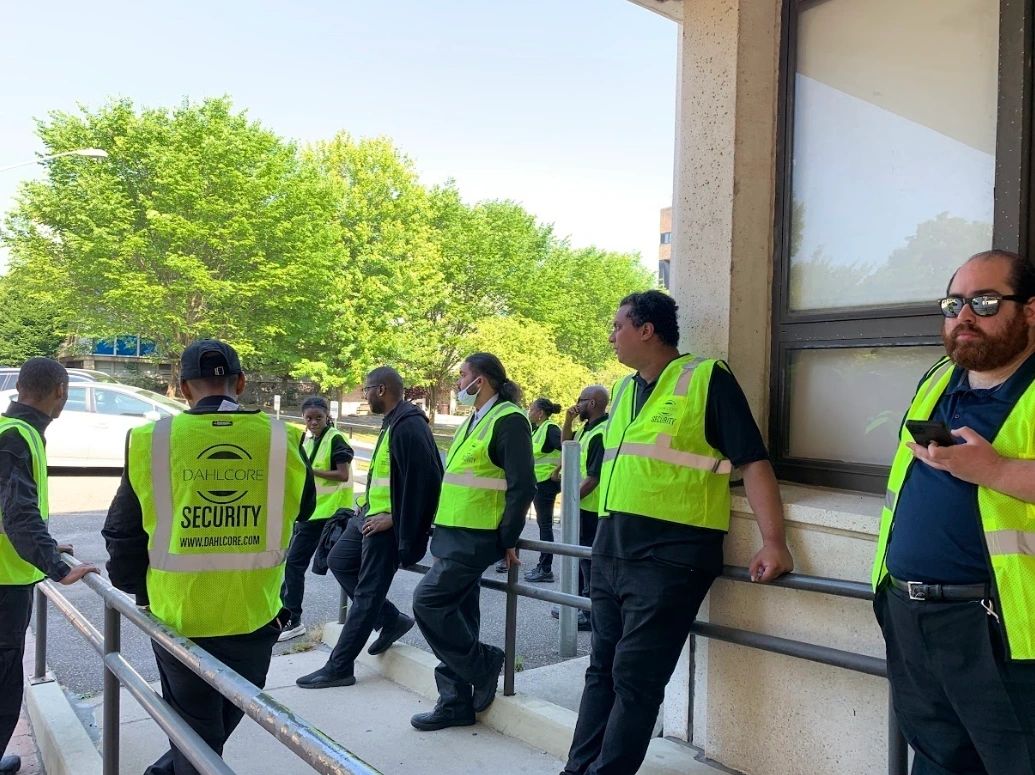
The foundation of any successful construction project lies not only in its architectural blueprints but also in the security measures that protect it. In today’s fast-paced construction industry, the importance of security cannot be overstated. It serves as the guardian of assets, workforce, and intellectual property. However, the challenge arises in striking the perfect balance between visibility, which deters potential threats, and discretion, which ensures the smooth operation of construction activities.
Understanding Visibility in Construction Security
Visibility in construction security is akin to shining a spotlight on potential vulnerabilities and deterrents. It’s about making the presence of security measures known to deter unauthorized access or activities. Techniques for increasing visibility include the use of signage, lighting, and the strategic placement of surveillance equipment. Yet, an overt display can sometimes be counterproductive, drawing unnecessary attention or revealing security strategies to potential intruders.
Importance of Security in Construction Sites
Risks associated with inadequate security measures:
Inadequate security measures at construction sites can lead to various risks, including theft of materials and equipment, vandalism, unauthorized access, and potential harm to unauthorized entrants. This can result in project delays, increased costs, and compromised worker safety. Additionally, the loss of critical tools and machinery can halt construction activities, affecting project timelines and efficiency. Sites without proper security are also more vulnerable to sabotage or terrorist attacks, especially if they are of significant public or economic importance.
Impact of security breaches on projects and stakeholders:
Security breaches can significantly impact construction projects and stakeholders. For project managers, breaches can lead to delays, increased costs, and damage to reputation. Investors may see a decline in the value of their investment, while clients may face delayed occupancy or operation of the built environment. Employees and contractors can experience a loss of morale and trust, and in some cases, their safety may be at risk. The local community may also suffer from increased crime and safety concerns as a result of security lapses.
Legal and financial implications of security incidents:
Security incidents can have severe legal and financial implications. There could be fines and penalties for failing to secure the site correctly, compensation claims from injured parties, and increased insurance premiums. Legal actions can arise from stakeholders or community members affected by the security breach. Additionally, the financial impact includes the cost of replacing stolen or damaged items, additional security measures, and potential loss of business due to reputational damage.
The Need for Visibility in Construction Security
Enhancing deterrence through visible security measures:
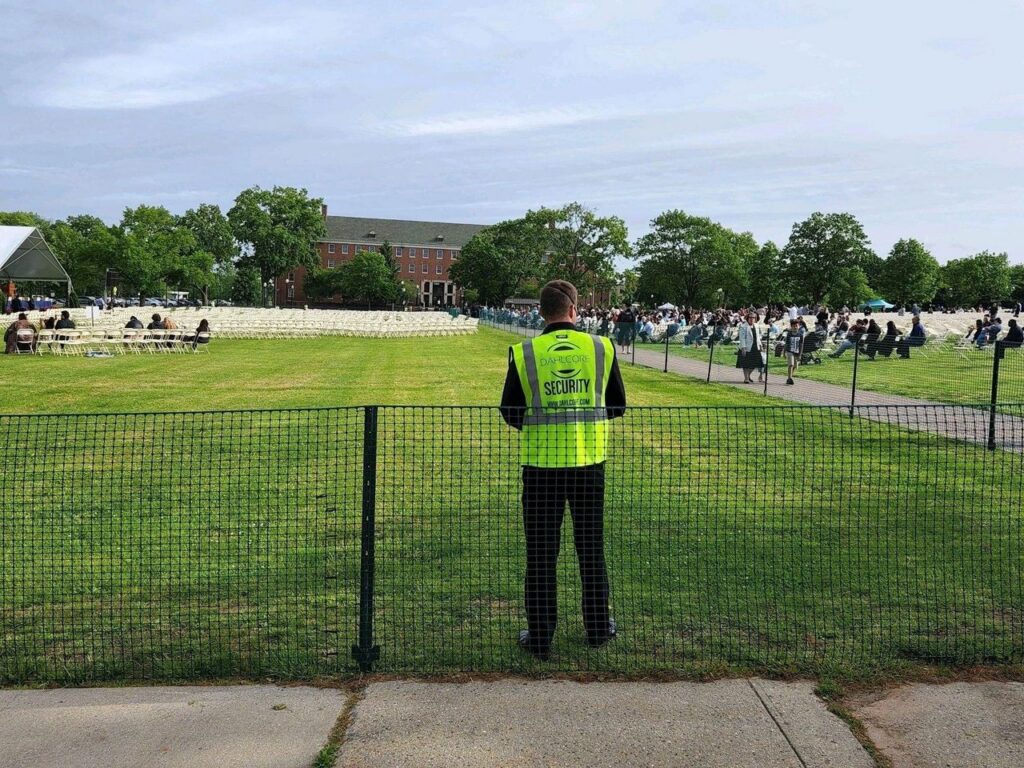
Visible security measures such as security guards, fencing, and well-lit areas act as a deterrent to potential intruders. The presence of active security personnel and visible security infrastructure can discourage unauthorized access and reduce the likelihood of theft and vandalism.
Utilizing CCTV cameras, security patrols, and signage:
Employing CCTV cameras helps monitor activities around the clock, providing evidence in case of incidents. Security patrols can respond to alerts and conduct regular checks, while clear signage can warn potential intruders of the risks of entering the site. These measures also reassure workers and stakeholders of the safety and security of the site.
Importance of creating a perception of security for stakeholders:
Creating a perception of security is crucial for maintaining stakeholder confidence. Visible security measures can reassure employees, investors, clients, and the community that the site is well-protected, thereby maintaining project integrity and stakeholder trust.
Discretion in Construction Security
Protecting sensitive information and assets:
Construction sites often contain sensitive information, such as blueprints and proprietary data. Protecting this information from espionage or theft is crucial. Discretionary measures include secure storage, limited access, and encryption of digital files.
Implementing covert security measures:
Visible security measures are crucial for deterring potential intruders. Still, covert security measures provide an additional layer of protection by catching perpetrators unaware and preventing them from strategizing ways to bypass visible security protocols. Incorporating undercover personnel, unmarked surveillance systems, and silent alarms enhances the overall security posture, creating a comprehensive defense strategy against potential threats.
Balancing visibility with the need for privacy and confidentiality:
Balancing the need for security with privacy and confidentiality is essential. This involves ensuring that security measures do not infringe on personal privacy or reveal confidential information. Policies and procedures should be in place to manage this balance effectively.

Balancing Visibility and Discretion
A successful construction security strategy requires striking a delicate balance between visibility and discretion. By conducting comprehensive risk assessments, security measures can be tailored to address specific threats and adapt to the unique characteristics of construction environments. Utilizing a combination of overt and covert security measures ensures adequate protection while minimizing disruptions to the construction process, as evidenced by real-world applications and case studies.
Technological Solutions for Construction Security
Adequate security measures are crucial for construction projects as they help prevent potential setbacks caused by theft, vandalism, or unauthorized access. By implementing robust security protocols, such as surveillance systems, fencing, and security personnel, project managers can minimize the risk of disruptions and ensure the safety of both workers and equipment on-site. Furthermore, maintaining a secure environment fosters trust among stakeholders, including investors, clients, and the local community, thus contributing to the overall success and reputation of the project.
Human Factors in Construction Security
Adequate security measures are essential for construction projects as they help mitigate risks such as theft, vandalism, and unauthorized access to the site. By implementing robust security protocols, project timelines are safeguarded from delays caused by incidents that could disrupt work progress. Additionally, maintaining a secure environment instills confidence in stakeholders, reassuring investors, clients, and the surrounding community that their interests are protected throughout the project lifecycle.
Impact of Security Measures on Construction Projects
Adequate security measures are essential for construction projects as they help mitigate risks such as theft, vandalism, and unauthorized access to the site. By implementing robust security protocols, project timelines are safeguarded from delays caused by incidents that could disrupt work progress. Additionally, maintaining a secure environment instills confidence in stakeholders, reassuring investors, clients, and the surrounding community that their interests are protected throughout the project lifecycle.
Strategies for Achieving Balance
Conducting thorough risk assessments:
Risk assessments play a crucial role in identifying vulnerabilities and potential risks in a given environment, enabling security professionals to devise targeted strategies for mitigating those risks. By understanding the specific security needs and possible threats, organizations can implement measures that are both effective and appropriate for their unique circumstances, striking a balance between visibility and discretion to maintain optimal security levels.
Implementing a layered security approach:
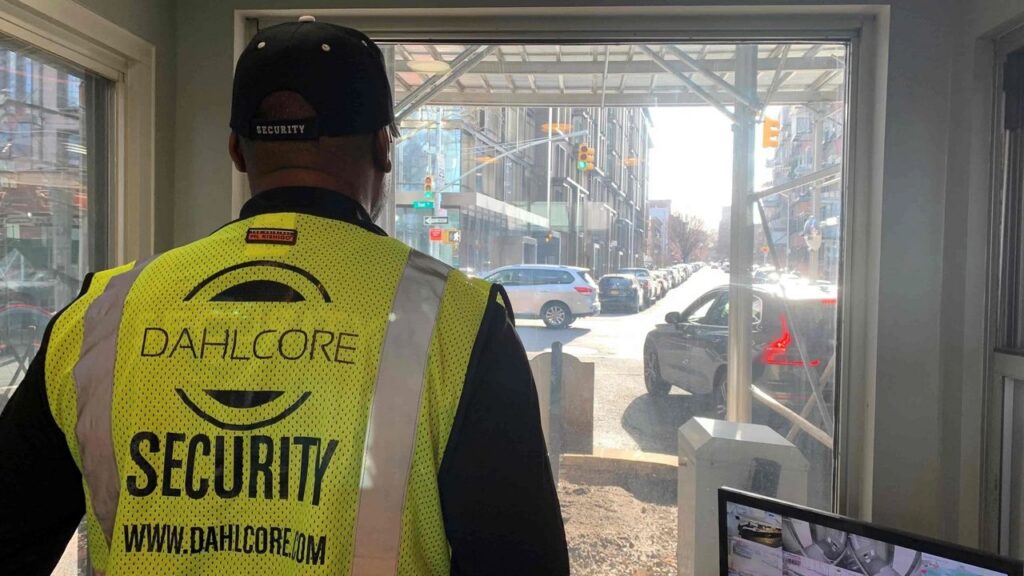
A layered approach to security involves implementing multiple security measures at different levels to create a comprehensive defense system. By combining visible measures such as fences, cameras, and security guards with covert strategies like intrusion detection systems and encrypted communication channels, organizations can effectively protect their assets without compromising privacy or discretion.
Utilizing technology for discreet surveillance:
Advancements in technology have enabled the development of discreet surveillance measures such as motion sensors, infrared cameras, and facial recognition systems, which operate seamlessly without being intrusive. These innovations offer highly effective means of monitoring without disrupting the natural flow of environments or invading individuals’ privacy.
Training security personnel on maintaining discretion while ensuring visibility:
Proper training ensures that security personnel can effectively engage with the public and deter potential threats without causing undue alarm. Additionally, it equips them with the skills to maintain professionalism and confidentiality when handling sensitive information, thus fostering trust and respect within the community they serve.
FAQs
How does increased visibility enhance construction site security?
Increased visibility acts as a deterrent to potential intruders and ensures that activities are monitored, reducing the likelihood of theft and vandalism.
What are some practical methods for maintaining discretion in construction security?
Implementing subtle surveillance measures and employing undercover security personnel are effective ways to maintain discretion while ensuring the safety of the construction site.
Can technology play a role in balancing visibility and discretion?
Yes, technology such as motion sensors and silent alarms can enhance security discreetly while providing real-time monitoring without being overtly visible.
How can construction companies ensure compliance with privacy laws while implementing security measures?
Companies should consult legal experts to ensure their security measures comply with privacy laws and regulations and avoid legal infringements.
Why is stakeholder engagement critical in construction security?
Engaging with stakeholders, including local communities and law enforcement, ensures a collaborative approach to security and fosters trust and cooperation.
What should be done if a security breach occurs on a construction site?
Immediate action should include alerting security personnel, contacting law enforcement, and reviewing surveillance footage to understand the breach and prevent future incidents.
Conclusion
In conclusion, balancing visibility and discretion in construction security is an art that requires thoughtful consideration of various factors, including risk assessment, technological integration, human factors, legal compliance, and community engagement. By adopting a balanced approach, construction projects can achieve the dual goals of adequate security and operational efficiency.
Check other blogs
7 Revolutionary Techniques in Loss Prevention for Modern Security
Is Queens, New York, Safe for Living?
Boosting Store Security: Guards Prevent Shoplifting and Theft
Requirements to Be a Security Guard: Eligibility & Licensing
