

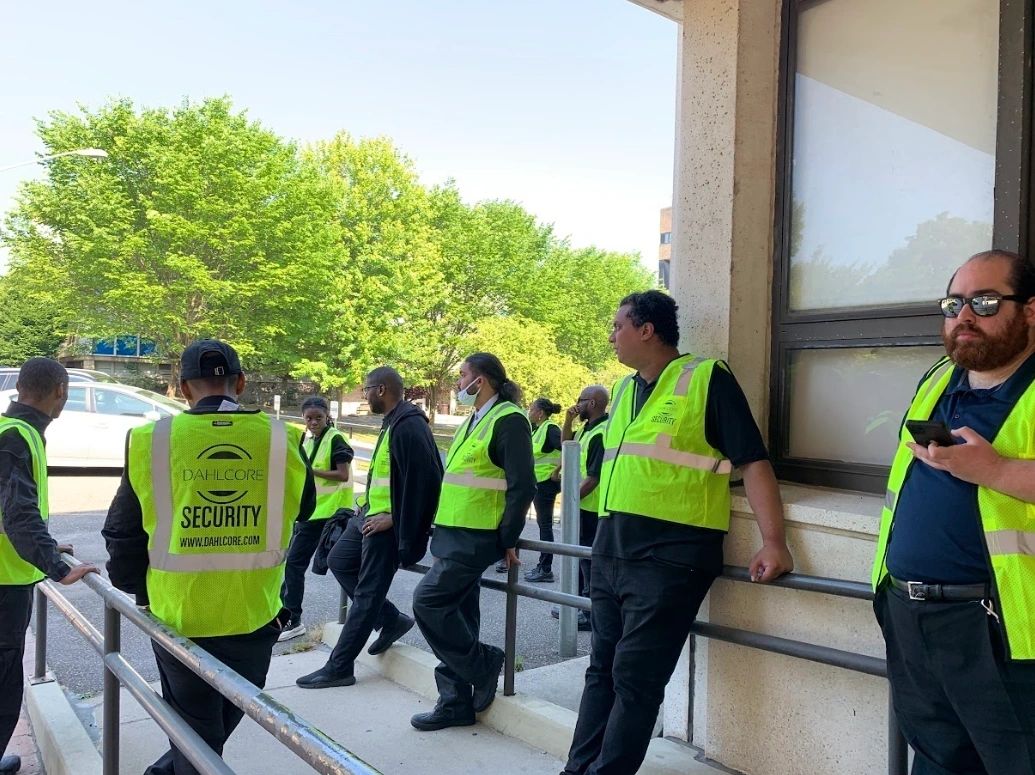
In times of crisis, hospitals are society’s first line of defense. Whether it’s a natural disaster, a pandemic, or a large-scale accident, hospitals must be ready to respond swiftly and efficiently. The importance of having a robust emergency response system cannot be overstated. Lives depend on the ability of healthcare institutions to manage unforeseen events, maintain essential services, and offer critical care under pressure. This article explores key strategies and insights into hospital emergency response, offering a comprehensive look at how healthcare systems can better prepare for and manage crises.
Understanding Hospital Emergency Response Systems
A hospital’s emergency response system is an intricate framework designed to handle minor disruptions and full-blown crises. It is composed of policies, procedures, and protocols aimed at ensuring a coordinated and efficient response. At the heart of these systems is the ability to mobilize resources, personnel, and equipment rapidly.
Emergency response systems must be flexible, allowing hospitals to respond to different types of crises, whether they involve a sudden influx of patients due to a natural disaster or an infectious disease outbreak. They incorporate preparedness measures, real-time crisis management, and post-crisis recovery plans. A well-structured response system significantly improves a hospital’s ability to mitigate harm and ensure operational continuity during emergencies.
Key Components of Effective Hospital Emergency Response
The foundation of any hospital’s emergency response lies in its core components. These include:
Personnel
Healthcare staff, including doctors, nurses, support staff, and emergency responders, play a crucial role in emergency response situations. Their training and expertise enable them to provide continuous, high-quality care to patients, regardless of the severity of the circumstances. Their ability to adapt and maintain service during crises is essential for effective patient outcomes and overall emergency management.
Equipment
Hospitals require access to standard medical equipment, such as monitors and infusion pumps, and specialized tools, including ventilators and PPE, to manage patient care effectively. The readiness and availability of these resources are vital for responding swiftly and efficiently during emergencies. Ensuring that equipment and supplies are stocked and accessible can significantly impact patient outcomes and overall emergency response effectiveness.
Communication
Efficient communication systems are crucial for effective crisis management. They ensure that staff are promptly informed about critical updates and protocols while also facilitating smooth coordination with external agencies. Clear and consistent communication helps synchronize efforts across the hospital, enhancing the overall response to the crisis.
These elements must function in harmony to enable an adequate response, minimizing harm to patients and staff while maximizing the hospital’s ability to maintain essential operations.

Preparedness Planning for Hospitals
Effective emergency preparedness begins long before a crisis occurs. Hospitals conduct risk assessments to identify potential hazards and weaknesses in their infrastructure or operations. Once risks are identified, hospitals develop training drills that simulate emergency scenarios, such as mass casualty events or hazardous material spills.
Preparedness also includes resource allocation. This means stockpiling essential medical supplies, ensuring backup systems (such as generators) are functional, and having contingency plans in place for various types of emergencies. A strong preparedness plan allows hospitals to remain functional even when external conditions are chaotic.
The Role of Emergency Departments in Crisis
Emergency departments (EDs) are often the first point of contact during any crisis. As the hospital’s frontline, EDs must be prepared to manage surges in patient admissions, triage incoming cases, and allocate resources effectively. Emergency departments are critical in disasters where the volume of patients may overwhelm normal hospital operations.
To function optimally during a crisis, EDs require ample staffing, easy access to critical supplies, and strong communication with other hospital departments. Well-prepared EDs are instrumental in stabilizing patients, managing trauma care, and redirecting critical cases to specialized units.
Developing a Comprehensive Emergency Operations Plan (EOP)
An Emergency Operations Plan (EOP) is a critical tool that outlines how a hospital will respond to emergencies. An effective EOP addresses several key elements:
Command structure
Clearly defining who is in charge during an emergency streamlines decision-making by providing a single point of authority, which helps avoid confusion and delays. This clarity ensures that all team members know whom to report to and follow, facilitating quicker, coordinated responses. Additionally, having a designated leader enhances accountability, as it’s clear who is responsible for managing the situation and addressing any issues that arise.
Evacuation procedures
This plan details the procedures for the safe and orderly evacuation of patients, staff, and visitors in the event of an emergency. It includes designated evacuation routes, assembly points, and personnel responsibilities to ensure everyone is accounted for. Regular drills and updates will be conducted to maintain readiness and efficiency.
Resource management
The plan outlines strategies for efficiently allocating beds, ensuring that there is enough space for patients based on current and projected needs. It details protocols for managing medical supplies to avoid shortages and maintain essential inventory levels. Additionally, it includes staffing solutions to handle increased patient loads, such as temporary hires or reassigning staff from less critical areas.
The EOP must be regularly updated and tested through drills to ensure it remains relevant and effective in handling a wide range of emergencies.

Staff Training and Competency in Emergencies
Emergencies demand that hospital staff be well-prepared and knowledgeable about their roles. Regular drills and training sessions help ensure that all team members are familiar with the hospital’s emergency protocols. These drills often simulate real-world scenarios, from natural disasters to bioterrorism threats, providing staff with hands-on experience in handling crises.
Cross-departmental coordination is another crucial aspect of training. Emergencies affect every part of the hospital, and the ability of different departments to collaborate effectively can make or break a hospital’s response. Training ensures that staff are not only competent in their duties but also capable of adapting to rapidly changing conditions.
Technology’s Role in Emergency Response
Technology plays a pivotal role in hospital emergency response systems. Telemedicine allows hospitals to manage patients remotely, reducing the burden on emergency departments. This is especially useful during infectious disease outbreaks, where minimizing contact between patients and healthcare providers is essential.
Moreover, data management systems enable real-time monitoring of patient information, resource use, and staff availability. Communication technology, such as pagers, intercoms, and secure digital platforms, ensures that updates and instructions can be quickly disseminated throughout the hospital, facilitating rapid responses and coordination among teams.
Managing Public Health Crises in Hospitals
Hospitals face unique challenges during public health crises like pandemics. Key strategies include implementing infection control protocols, such as isolating contagious patients and using PPE to prevent the spread of disease. Hospitals must also focus on scaling up their capacity to handle a surge in patient admissions.
Pandemic response strategies often require hospitals to collaborate closely with public health authorities to ensure a coordinated response. This includes aligning hospital protocols with national and international health guidelines and ensuring timely data reporting to track the spread of disease.
Collaboration with External Agencies
In emergencies, hospitals often need to collaborate with external agencies such as government bodies, non-governmental organizations (NGOs), and first responders. These entities provide additional support in terms of resources, personnel, and logistical aid.
Hospitals benefit from established partnerships with these agencies before a crisis hits, allowing for smooth collaboration during the response phase. This ensures that hospitals can access external assistance quickly, whether it’s additional medical supplies, personnel, or expertise in specific areas like disaster management.
Communication Strategies During Hospital Emergencies
Effective communication is one of the most crucial elements of a hospital’s emergency response. Internally, hospitals must ensure that staff communication is clear and timely. Staff need regular updates on the situation, protocols, and any changes in resource availability.
Hospitals must communicate externally with patients, families, and the media. Accurate, timely information is essential for preventing misinformation and maintaining public trust. Hospitals often designate spokespersons who manage external communications, ensuring consistency in messaging.

Resource Management in Hospital Emergencies
Resource management is another critical aspect of hospital emergency response. This includes not only medical supplies but also human resources. In times of crisis, hospitals may need to adjust staff schedules, reassign personnel, or call in extra help. Medical supplies like PPE, medications, and ventilators must also be carefully managed to ensure they last through the duration of the emergency.
Efficient resource allocation can be the difference between life and death in emergencies. Hospitals must have a plan for distributing limited resources to maximize patient care.
Addressing Mental Health During Emergencies
Crises take a heavy toll on the mental health of both healthcare workers and patients. Healthcare staff may experience burnout, stress, or trauma from working in high-pressure environments. Hospitals need to provide mental health support services, such as counseling or debriefing sessions, to help staff cope with these challenges.
Patients and their families also require emotional support during emergencies. Hospitals should have systems in place to provide mental health services, helping individuals deal with the stress and uncertainty that often accompany emergencies.
Post-Emergency Recovery for Hospitals
After an emergency, hospitals enter a recovery phase. This involves reviewing the emergency response to identify any areas for improvement. Debriefings help staff reflect on their experiences and share insights on what worked and what didn’t.
Infrastructure may also need repairs or upgrades following a crisis, particularly if the hospital sustained physical damage. Lessons learned during the recovery phase can help hospitals strengthen their emergency response plans for future crises.
Key Takeaways and Best Practices for Hospital Emergency Response
Effective hospital emergency response hinges on preparedness, clear communication, and efficient resource management. Hospitals that invest in regular staff training, maintain a robust Emergency Operations Plan, and collaborate with external agencies are better equipped to handle crises.
Mental health support for healthcare workers and patients, as well as post-crisis recovery plans, also play a critical role in ensuring hospitals’ long-term resilience to future emergencies.

FAQs
What are the key components of a hospital emergency response?
The key components include well-trained personnel, readily available equipment, and an efficient communication system. These elements work together to ensure swift action and coordination during emergencies.
How do emergency departments function during a crisis?
Emergency departments act as the first line of defense, handling patient surges and triaging cases based on severity. They coordinate closely with other hospital units to ensure efficient resource and staff allocation.
What is an Emergency Operations Plan (EOP) in hospitals?
An Emergency Operations Plan outlines the procedures and protocols for responding to emergencies, including command structures and resource management. It serves as a comprehensive guide to ensure hospitals can maintain operations during crises.
How do hospitals manage resources during emergencies?
Hospitals must carefully allocate medical supplies, equipment, and staff to ensure they can handle the demand during prolonged emergencies. Effective resource management prevents shortages and maintains the quality of patient care.
Why is staff training important in hospital emergency response?
Staff training ensures that all personnel are familiar with emergency protocols and can respond quickly and efficiently during a crisis. Regular drills also improve coordination between departments and enhance overall preparedness.
How do hospitals handle public health crises like pandemics?
Hospitals implement strict infection control measures and ramp up resources to manage the influx of patients. They also collaborate with public health agencies to ensure coordinated responses and real-time updates on the situation.
Conclusion
Hospitals play a crucial role in safeguarding public health during emergencies, and their ability to respond effectively hinges on meticulous planning, resource management, and collaboration. From well-prepared staff to comprehensive Emergency Operations Plans, each component of a hospital’s emergency response system must function seamlessly to ensure optimal patient care. As seen in recent global crises, the importance of hospital preparedness cannot be overstated. By continuously refining strategies, investing in training, and embracing modern technologies, hospitals can ensure they remain resilient and responsive, even in the face of the most challenging emergencies.
Check other blogs
Ensuring Safety at Sea: Exploring Cruise Ship Security
What is Airport Security Called? Protectors of Air Travel
What Is a Fire Watch? Duties, Logs and When It Typically Required
