

“Securing the Future: Mastering Construction Site Safety”
The importance of construction site security cannot be overstated. It is crucial for preventing theft, vandalism, and unauthorized access, ensuring that projects remain on schedule and within budget. But beyond these immediate concerns, adequate site security fosters a safe working environment, protecting both the workforce and the surrounding community. This introduction explores why securing a construction site is fundamental to the success and safety of any construction project.
Preventing Unauthorized Access to Construction Sites
Establishing clear perimeter boundaries is essential for construction site security, as it helps define the area that needs protection and acts as a visual deterrent to potential intruders. Implementing access control measures such as fences, gates, and surveillance cameras can further bolster security by restricting entry to authorized personnel only. Construction site managers must also be aware of the legal implications and responsibilities associated with maintaining secure sites, including liability for any accidents or incidents that occur due to inadequate security measures.
Understanding Vulnerabilities
Identifying common entry points
Identifying common entry points is crucial in fortifying security. These entry points often include:
- Doors and windows: Physical access points that can be exploited if not properly secured.
- Network vulnerabilities: Weaknesses in an organization’s digital infrastructure that could allow unauthorized access.
- Employee access: Insider threats or careless use of credentials can provide easy access.
- External devices: USBs or other external devices that may contain malicious software.
Understanding and securing these entry points helps in reducing the risk of unauthorized access.
Assessing security weaknesses
Assessing security weaknesses involves:
- Conducting risk assessments to identify vulnerable areas.
- Evaluating existing security measures and their effectiveness.
- Identifying potential internal and external threats.
- Prioritizing risks based on their potential impact.
This systematic approach helps in understanding where improvements are needed and how to allocate resources effectively.
Recognizing potential threats
Recognizing potential threats is essential for proactive security. Potential threats include:
- Cyber attacks: Such as phishing, malware, or ransomware.
- Physical breaches: Unauthorized persons gaining access to restricted areas.
- Internal threats: Employees who may intentionally or accidentally compromise security.
- Environmental hazards: Natural disasters that could impact security infrastructure.
Awareness and preparedness can mitigate the risks associated with these threats.
Physical Barriers and Surveillance
Establishing robust physical barriers such as fences, walls, and barriers is the first line of defense in preventing unauthorized access. These structures serve as deterrents and obstacles to potential intruders, making it more difficult for them to breach the perimeter. When coupled with advanced surveillance techniques like CCTV cameras and motion detectors, these physical barriers can be monitored effectively, allowing security personnel to respond promptly to any breach attempts and enhance overall site security.
Access Control Systems
Implementing sophisticated access control systems is key to managing who enters and exits a construction site. This section will discuss the advantages of various systems, including biometric scanners and electronic access cards. It will provide insights into how they can be integrated seamlessly into existing security protocols to enhance overall site safety.
Security Personnel and Patrols
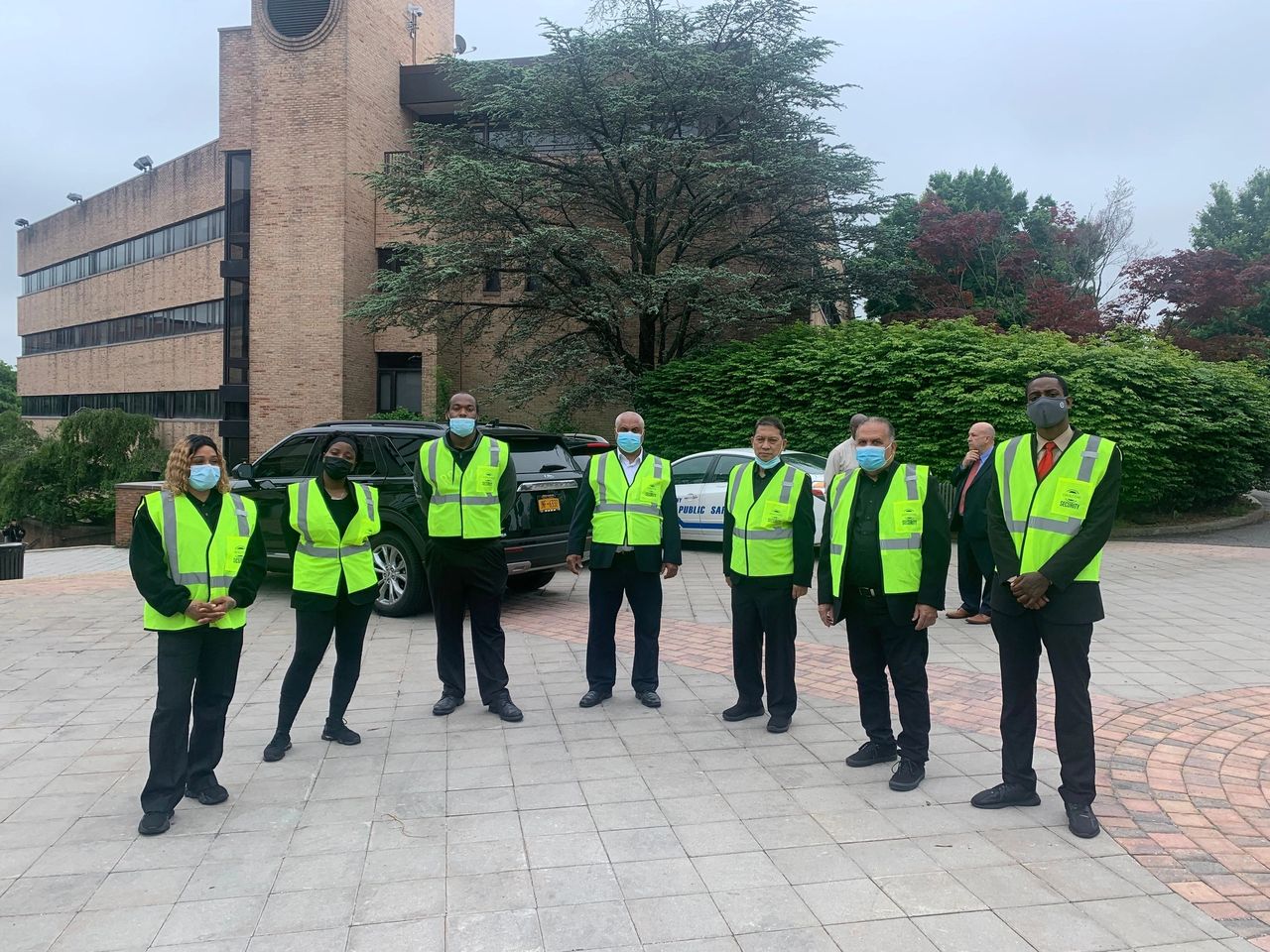
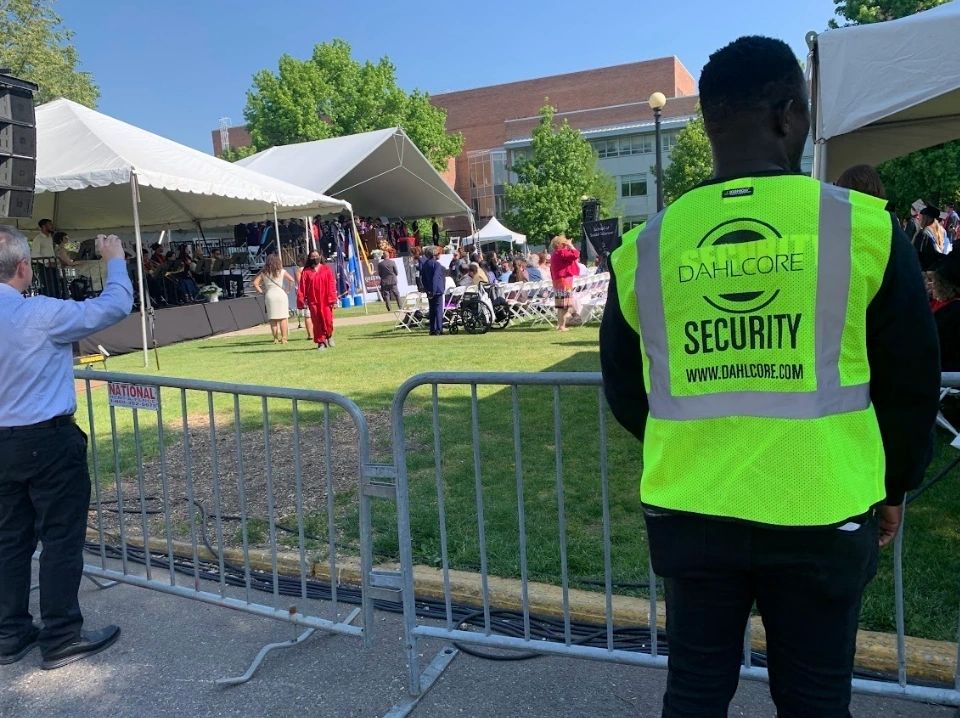
Security teams play a critical role in ensuring the safety and security of construction sites by monitoring activities, deterring potential threats, and responding promptly to incidents. Their responsibilities include conducting regular patrols, checking for unauthorized access, and communicating with site personnel. Effective patrol strategies involve establishing predetermined routes, varying patrol times, and utilizing technology such as surveillance cameras to enhance coverage and detection capabilities.
Lighting and Visibility
Proper lighting on a construction site is crucial for ensuring safety and security. It not only helps to prevent accidents and injuries but also deters unauthorized individuals from entering the area. Strategic placement of lights around the site can significantly enhance visibility, making it easier for workers to navigate the area and for security personnel to monitor activity effectively.

Personnel Training and Awareness
Educating workers on security protocols
Educating workers involves:
- Providing clear guidelines on security procedures.
- Training employees on identifying and responding to security threats.
- Emphasizing the importance of security in daily operations.
- Updating workers on new security measures and protocols.
Informed employees are essential for maintaining a secure environment.
Conducting regular security briefings
Regular security briefings help in the following:
- Keeping staff updated on potential security threats.
- Reviewing recent security incidents and learning from them.
- Reinforcing the importance of security vigilance.
- Encouraging open communication between staff and security teams.
These briefings ensure that security remains a continuous priority for all staff.
Encouraging reporting of suspicious activities
Encouraging reporting involves:
- Creating a culture where employees feel safe reporting suspicious activities.
- Providing clear channels for reporting incidents.
- Ensuring anonymity and protection for whistleblowers.
- Acknowledging and acting on reports in a timely manner.
A proactive reporting environment can prevent potential security breaches.

Cybersecurity Measures
In today’s digital age, construction sites are increasingly vulnerable to cyber threats such as hacking, ransomware attacks, and data breaches. These threats can compromise sensitive information such as project plans, financial records, and employee data, leading to significant financial losses and reputational damage. To mitigate these risks, construction companies should implement robust cybersecurity measures, including network monitoring, regular software updates, employee training on security best practices, and encryption of sensitive data. Additionally, employing dedicated cybersecurity professionals or outsourcing to specialized firms can provide expertise in identifying and addressing potential vulnerabilities in construction sites’ digital infrastructure.
Emergency Response and Evacuation Plans
An effective emergency response and evacuation plan is crucial for ensuring the safety of workers on a construction site. This plan should outline precise procedures for different types of emergencies, such as fires, chemical spills, or natural disasters, and designate roles and responsibilities for each member of the team. Regular drills and training sessions should be conducted to ensure that all workers are familiar with the procedures and can respond quickly and efficiently in case of an emergency, minimizing the risk of injury or loss of life.
Community and Worker Engagement
Engaging with the community and construction workers fosters a sense of shared responsibility for site security, as individuals are more likely to report suspicious activity or breaches when they feel invested in the project. Open communication channels allow for the dissemination of security protocols and updates, ensuring that everyone involved is aware of potential risks and how to address them effectively. Furthermore, involving the community and workers in security planning encourages a collaborative approach where ideas and insights from various perspectives can contribute to a more robust security framework.
Collaboration with Law Enforcement
Establishing partnerships with local police
Establishing partnerships involves:
- Sharing information on potential threats.
- Coordinating responses to incidents.
- Participating in community safety programs.
- Regular meetings to discuss security concerns.
Collaboration enhances the effectiveness of security measures through shared resources and information.
Reporting incidents promptly
Prompt reporting ensures:
- Quick response to prevent further damage.
- Accurate documentation of incidents.
- Legal compliance.
- Strengthening of security protocols based on incidents.
Timely communication with law enforcement is crucial after a security breach.

Seeking legal support for prosecution
Seeking legal support involves:
- Understanding legal requirements and rights.
- Gathering and preserving evidence.
- Collaborating with law enforcement on investigations.
- Pursuing legal action against perpetrators.
Legal recourse is an essential component of a comprehensive security strategy.
Evaluating and Improving Security Measures
Regular security assessments are crucial for construction sites to identify vulnerabilities and address them before malicious actors can exploit them. These assessments should be conducted periodically to ensure that security measures are up-to-date and effective against evolving threats. By staying proactive and adapting to new challenges, construction sites can minimize the risk of security breaches and maintain a safe working environment for personnel and assets.
FAQs on Construction Site Security
How can I prevent theft on my construction site?
Implement robust security measures such as surveillance cameras, access control systems, and regular security patrols to deter thieves and quickly respond to any incidents.
What is the best way to control access to a construction site?
Utilize electronic access control systems such as keycards or biometric scanners to ensure that only authorized individuals can enter the site.
Why is lighting necessary for construction site security?
Adequate lighting improves visibility, deters intruders, and helps security personnel and surveillance systems monitor the site more effectively.
How often should security measures be reviewed on a construction site?
Security measures should be reviewed regularly, at least every month, or whenever there are significant changes to the site or project.
Can technology replace the need for security personnel on a construction site?
While technology can enhance security measures, the presence of trained security personnel is crucial for addressing and responding to incidents in real-time.
What should be included in a construction site emergency plan?
An effective emergency plan should include evacuation routes, assembly points, roles and responsibilities, and procedures for reporting and responding to emergencies.
Conclusion: Ensuring Long-Term Security
Securing a construction site is an ongoing effort that requires constant vigilance, collaboration, and adaptation. By implementing robust security measures and fostering a culture of safety, construction projects can mitigate risks and provide a secure working environment for all involved. Remember, a secure site is the foundation of a successful project.
Check other blogs
Securing the Future: Mastering Construction Site Safety
What is Contract Security and How Does It Work for Businesses?
What Is Class D Security? Unarmed Security License Guide
Which Strategy Defuses Potentially Harmful Situations?
Check also our Construction Site Security
