


Last Updated: January 12, 2026
What Is Class D Security?
If you want to work in unarmed security in Florida, a Class D security license is your starting point. A Class D security license is a state‑mandated, unarmed security guard credential issued by the Florida Department of Agriculture and Consumer Services (FDACS) that allows you to work entry‑level security jobs at places like malls, construction sites, residential communities, and events. This license applies to private security officers who perform observe‑and‑report duties without carrying a firearm on duty.
Quick Definition Box
Class D security is an unarmed security guard license required in Florida for entry‑level security roles such as malls, construction sites, residential communities, and events.
In Florida, the Class D license is regulated by FDACS as a state‑mandated credential, and it is often the first step toward later applying for a Class G armed security license. You complete the required security officer training, pass a background check, and then use your license to work for a licensed private security agency in roles that focus on presence, patrol, and reporting rather than armed engagement.
This guide explains what a Class D security license is, what it allows you to do, how to get it, whether it is worth it, and how it differs from other security licenses, such as the Class G armed security license.
Who Needs a Class D Security License?
Anyone who wants to work as an unarmed security guard in Florida typically needs a valid Class D security license issued by FDACS. This includes officers working at malls, retail stores, construction sites, gatehouses, corporate lobbies, residential communities, and special events as part of a private security agency.
You usually need a Class D license before you can move up to armed roles or apply for a Class G armed security license in Florida. Other states may use different license names or structures, but the idea is the same: a state‑approved, unarmed security guard license is the baseline credential for most entry‑level security officer jobs.
Class D Security Requirements
Florida treats the Class D security license as a regulated, state‑mandated credential overseen by the Florida Department of Agriculture and Consumer Services (FDACS), Division of Licensing. To qualify, you must meet basic eligibility standards and complete approved security officer training at a licensed security school.
Basic eligibility
Most Florida Class D applicants must:
- Be at least 18 years old.
- Be a U.S. citizen or legal resident with work authorization.
- Have no disqualifying criminal record (you must pass a state background check).
- Be able to submit electronic fingerprints through an approved provider.
Training hours and security officer training
FDACS requires state‑approved security officer training for the Class D license, delivered by a licensed security school or security training provider. In Florida, you must complete around 40–42 hours of Class D security training, depending on the school and current rule implementation.
Typical Class D security training covers:
- Florida statutes, legal authority, and ethics for security officers.
- Physical security, access control, and patrol techniques.
- Emergency procedures and basic incident response.
- Observation, report writing, and communication skills.
- Terrorism awareness and workplace violence awareness (varies by school).
Background check and FDACS application
After training, you complete the FDACS Class D license application and pay state licensing fees. This process includes:
- Submitting electronic fingerprints for an FDACS‑managed background check.
- Paying application and fingerprint fees according to the current fee schedule.
- Including your training certificate from an FDACS‑approved security school.
Once FDACS processes and approves your application, your Class D security license is typically valid for a fixed period (often 2 years) before renewal is required.
Class D vs Class G (Armed vs Unarmed)
Florida separates unarmed and armed security licenses into different classes, with Class D covering unarmed roles and Class G covering armed roles. The Class G license requires a higher level of firearms training and strictly regulates who can carry a handgun while providing private security services.
Simple comparison table: Class D vs Class G (Florida)
Weapon status
- Class D Security License (Florida): Unarmed only; observe and report.
- Class G Armed Security License (Florida): Authorizes carrying a handgun on duty.
Typical training hours
- Class D Security License (Florida): About 40–42 hours of security officer training.
- Class G Armed Security License (Florida): Around 28 hours of firearms training plus live fire.
Primary roles
- Class D Security License (Florida): Malls, retail, construction sites, gate access, events.
- Class G Armed Security License (Florida): Higher‑risk sites, armed protection, cash or valuables.
Main duties
- Class D Security License (Florida): Observe, deter, patrol, report.
- Class G Armed Security License (Florida): Armed deterrence, protect and respond.
Licensing authority
- Class D Security License (Florida): Florida Department of Agriculture and Consumer Services (FDACS).
- Class G Armed Security License (Florida): FDACS (additional firearms oversight).
Legal risk and liability
- Class D Security License (Florida): Lower risk; focus on observation and reporting.
- Class G Armed Security License (Florida): Higher risk; firearm use carries serious legal exposure.
Renewal and requalification
- Class D Security License (Florida): Standard renewal; no firearms requalification.
- Class G Armed Security License (Florida): Annual firearms requalification required.
Common career pathway
- Class D Security License (Florida): Entry‑level security; first license most guards obtain.
- Class G Armed Security License (Florida): Next step after Class D for armed roles and higher pay.
In Florida, you generally must earn your Class D unarmed security license before applying for a Class G armed security license, because the unarmed training and credential serve as the foundation for more advanced armed roles.
Class D Security Jobs and Duties
A Class D security license qualifies you for unarmed, observe‑and‑report security jobs under a licensed private security agency in Florida. These roles focus on presence, prevention, and communication rather than using weapons or force.
Common jobs with a Class D license
With a Class D security license in Florida, you can pursue roles such as:
- Mall or retail security officer.
- Construction site security guard.
- Gatehouse or access control officer at residential communities.
- Corporate building lobby or front desk security.
- Event security guard for concerts, sports, and festivals.
- Loss prevention or asset protection officer (unarmed).
These positions are typically offered through private security agencies or in‑house corporate security departments that require a valid Florida security license.
Core duties and responsibilities
Class D security officers are trained to observe, deter, and report rather than engage in armed enforcement. Typical duties include:
- Observing and monitoring premises using patrols and surveillance systems.
- Deterring theft, vandalism, and trespassing through visible presence.
- Controlling access by checking IDs, visitor badges, and entry logs.
- Reporting incidents, writing detailed security reports, and documenting observations.
- Responding to basic emergencies, assisting with evacuations, and coordinating with law enforcement or medical personnel when needed.
While Class D officers are unarmed, they play a critical role in maintaining safety, providing early warning, and supporting emergency responders.
Step‑by‑Step: How to Get Your Class D License in Florida
If you want to become an unarmed security guard in Florida, the process is straightforward but regulated. Use these steps as a general roadmap; always verify details with FDACS and current state guidelines.
1. Confirm eligibility
Make sure you are at least 18, have legal work authorization, and do not have disqualifying criminal convictions.
2. Choose an FDACS‑approved security training provider.
Enroll in a licensed security school that offers the Florida Class D security officer course recognized by FDACS.
3. Complete your 40–42 hours of Class D training.
Attend all required classroom or live online sessions covering Florida law, patrol techniques, emergency procedures, communication, and security fundamentals.
4. Get your training certificate.
After completing the course, obtain your certificate of completion, which you will submit with your FDACS license application.
5. Submit electronic fingerprints for background screening.
Use a state‑approved fingerprinting provider to send your prints to FDACS for a Level 2 background check.
6. Complete the FDACS Class D license application.
Fill out the official application, attach your training certificate, and pay the current application and fingerprint fees as listed on the FDACS website.
7. Wait for FDACS approval and license issuance.
FDACS will review your application, run your background check, and, if approved, issue your Florida Class D security license so you can start applying for unarmed security guard jobs.
Day in the Life of a Class D Security Guard
A typical day for a Class D security guard in Florida depends on the site, but most roles revolve around visibility, prevention, and communication. Shifts can be scheduled during the day, overnight, or on weekends and holidays, depending on client needs.
At a mall or retail center, you might walk regular patrols, respond to shoplifting incidents, and assist guests with directions or safety concerns. At a construction site or gated community, your day might focus on controlling vehicle and visitor access, logging deliveries, and monitoring for trespassers or safety hazards. In corporate or hospital environments, duties often include monitoring cameras, controlling access badges, and supporting emergency procedures such as evacuations or lockdowns.
Throughout the shift, you document incidents, communicate with your supervisor or dispatch, and coordinate with law enforcement or medical services when serious issues arise. While the work is unarmed, your presence and professionalism are essential to maintaining a safe environment for clients, employees, and visitors.
Pros and Cons of Getting a Class D License
When deciding if a Class D security license is worth it, consider both the advantages and limitations.
Pros
- Entry‑level friendly: You can start a security career with basic eligibility and a relatively short training period.
- Lower barrier to entry: Training costs and licensing fees are generally lower than for armed licenses.
- Wide range of job options: Malls, construction sites, events, residential communities, and corporate buildings all rely on unarmed security guards.
- Foundation for advancement: A Class D license is often required before moving into armed security or supervisory roles.
Cons
- Unarmed only: You cannot lawfully carry a firearm on duty with just a Class D license in Florida.
- Typically lower pay: Unarmed roles may pay less than armed positions requiring a Class G license.
- State‑specific scope: Florida’s Class D license is state‑issued, so you may need a different license if you later work in another state.
For many people, a Class D security license is a practical, low‑barrier way to enter the security industry and then decide whether to pursue armed or specialized credentials later.
About Dahlcore Security
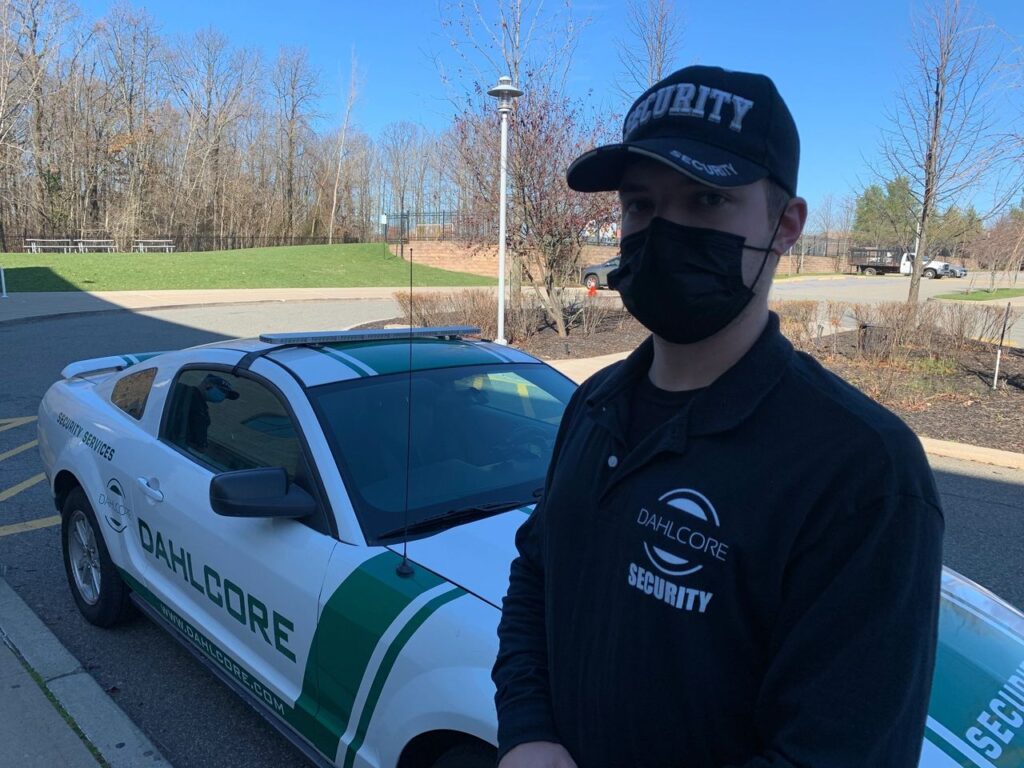
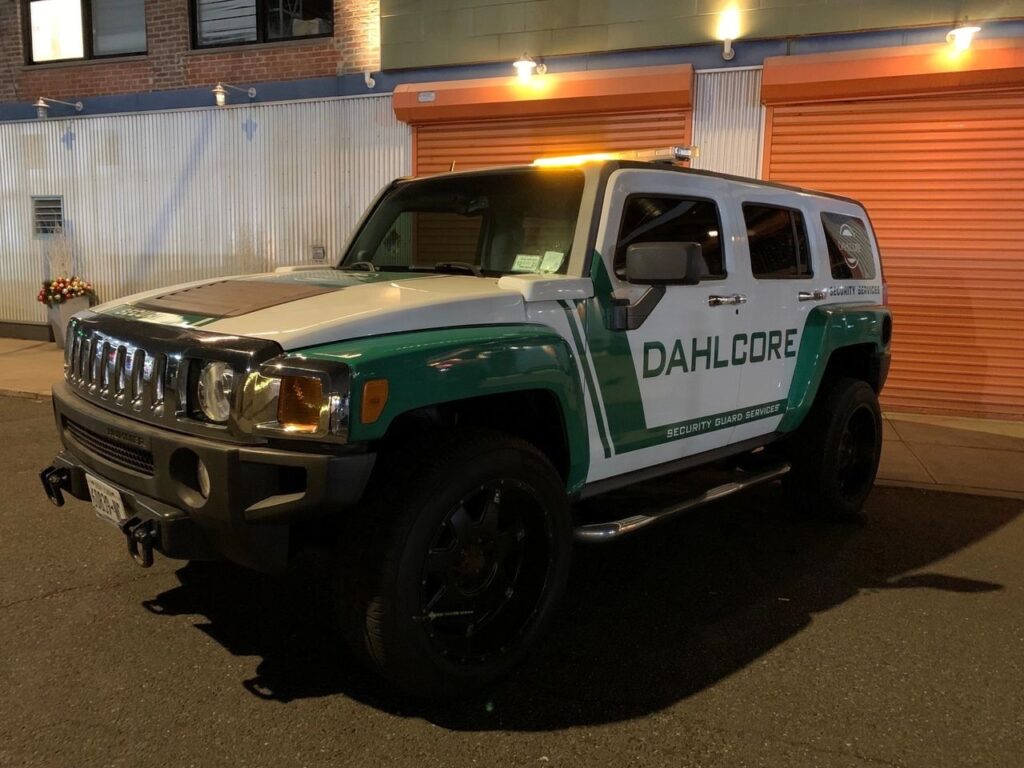
Dahlcore Security operates as a professional security provider with operational experience in security guard services, including unarmed and armed roles, event security, and site protection in highly regulated markets. The company maintains proper licensure and insurance in the states it serves, including coverage for work in regions such as New York and New Jersey, where private security agencies must align with state regulatory authorities.
Through its training and operational programs, Dahlcore emphasizes compliance with state‑mandated credentials (such as Florida’s Class D security license), professional standards for guards, and ongoing education on legal, ethical, and practical aspects of modern security work. If a dedicated Security School or training page is available on the Dahlcore website, it can be used to highlight the organization’s expertise in preparing guards for licensing exams, real‑world duties, and career advancement opportunities.
FAQs: Class D Security License (Florida)
What is a Class D security license in Florida?
A Class D security license in Florida is an unarmed security guard license issued by the Florida Department of Agriculture and Consumer Services (FDACS) that allows you to work entry‑level private security jobs such as mall security, construction site patrol, gatehouse access control, and event security.
What jobs can you get with a Class D security license?
With a Class D security license, you can work as an unarmed security officer in malls, retail stores, residential communities, construction sites, corporate buildings, hospitals, and event venues under a licensed private security agency.
How many hours is Class D security training?
In Florida, Class D security training is generally a 40‑hour or 42‑hour course delivered by an FDACS‑approved security training school, covering legal standards, patrol techniques, emergency procedures, and report writing.
Is Class D security armed or unarmed?
Class D security is unarmed; it authorizes you to perform observe‑and‑report duties without carrying a firearm on duty. To carry a handgun while working private security in Florida, you must obtain a separate Class G armed security license.
What is the difference between Class D and Class G security licenses?
The Class D license is for unarmed security guards and focuses on general security officer training, while the Class G license is an armed security credential that authorizes carrying a handgun after additional firearms training, live‑fire qualification, and ongoing requalification. In Florida, you typically need a Class D license before applying for a Class G license.
Check other blogs:
Tips for Training Security Guards in High-Risk Construction Areas
Strategies for Protecting Construction Site from Liability Issues
Comprehensive Security Measures for High-Risk Hotel Areas
Healthcare Crisis Management: 10 Hospital Security Essentials
