


Last Updated: February 16, 2026
What Is a Traveling Security Guard?
A traveling security guard—also known as a mobile security guard or roving security officer—is a security professional who performs protective services across multiple locations rather than remaining stationed at a single site. Unlike static guards who monitor one fixed property, traveling guards patrol various client sites, respond to alarm calls, and provide on‑demand security coverage across a designated geographic area in New York and New Jersey.
These professionals typically operate patrol vehicles, conduct perimeter checks at multiple properties during a single shift, and serve as the first response unit for security incidents. Their mobility makes them a cost‑effective solution for businesses that need intermittent security coverage rather than 24/7 on‑site personnel at every location.
Core Duties & Responsibilities
Traveling security guards perform a dynamic range of tasks that can change daily based on client needs, dispatch priorities, and patrol schedules:
- Multi‑Site Patrols: Conduct scheduled and random patrols across approximately 5–15 client properties per shift, checking for signs of intrusion, vandalism, trespassing, or safety hazards.
- Alarm Response: Respond to triggered intrusion, fire, or equipment alarms within a defined response window, assess the situation, reset systems when appropriate, and coordinate with law enforcement or emergency services when necessary.
- Access Control: Lock and unlock facilities at designated times, manage key distribution or key card access, and verify the identity of authorized personnel at client sites.
- Loss Prevention: Monitor surveillance systems where available, identify suspicious activities, and help prevent theft, property damage, and unauthorized access across commercial and residential properties.
- Incident Documentation: Write detailed reports for each patrol stop, documenting observations, actions taken, timestamps, and any security breaches or irregularities.
- Emergency Response: Handle medical emergencies, fires, disturbances, and security breaches until emergency services arrive, following company protocols and safety procedures.
Salary & Compensation
Traveling security guards earn competitive compensation that reflects both their mobility and their expanded responsibilities compared to stationary guards.
Experience Level & Typical Ranges (United States):
- Entry‑Level (0–2 years):
- Annual Salary: 37,090 USD – 42,000 USD
- Hourly Rate: 17.83 USD – 20.19 USD
- Mid‑Level (3–5 years):
- Annual Salary: 42,000 USD – 48,000 USD
- Hourly Rate: 20.19 USD – 23.08 USD
- Senior‑Level (5+ years):
- Annual Salary: 48,000 USD – 53,540 USD
- Hourly Rate: 23.08 USD – 25.74 USD
- National Average: Approximately 44,920 USD per year.
Regional variations apply. Guards in high‑cost areas like New York City and New Jersey typically earn around 15–25% above national averages due to higher living costs and elevated security demands. Experienced mobile patrol supervisors can earn in the range of 55,000–65,000 USD annually, especially when overseeing large teams or high‑risk portfolios.
Requirements & Qualifications
Becoming a traveling security guard requires meeting specific legal, professional, and company‑level standards.
Minimum Qualifications
- Age: Must generally be at least 18–21 years old (varies by state) and not more than around 50 years old for most agencies.
- Education: High school diploma or equivalent from a recognized institution.
- Licensing: Valid security guard license or registration issued by appropriate state regulatory bodies (for example, the relevant state department of licensing in New York and New Jersey).
- Driving Record: Clean driving record with a valid driver’s license; defensive driving certification is often preferred for mobile patrol roles.
- Background: Ability to pass a comprehensive background check and, where required, drug screening.
- Physical Fitness: Sufficient physical and mental fitness to perform patrols, spend extended periods driving, and respond to emergencies.
Additional Requirements
- First Aid and CPR certification from recognized providers.
- Completion of pre‑licensing training courses as required by state regulations.
- Familiarity with digital reporting tools, GPS systems, and basic computer or mobile applications used for incident logging and communication.
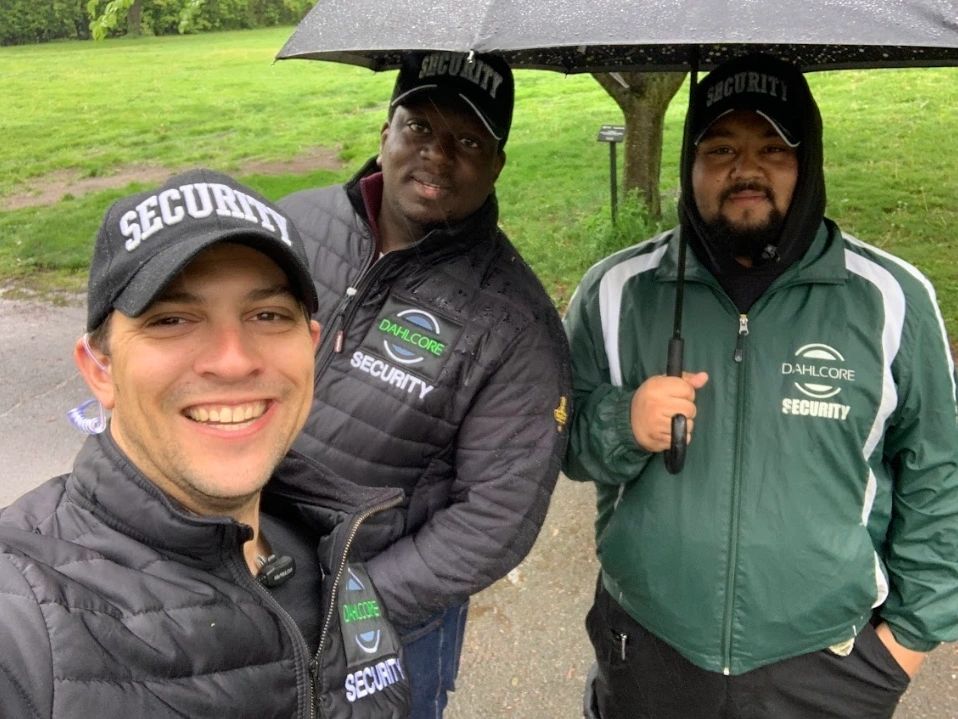
Training & Certifications
Mandatory Training Programs
- Basic Security Training (40–100 hours):
Covers surveillance techniques, emergency response protocols, conflict resolution, legal powers of arrest, report writing, and customer service fundamentals. In New York, these security guard training courses must meet state standards set by the Department of State and DCJS.
- First Aid & CPR Certification:
Security guards should complete certified first aid and CPR training to handle emergencies such as cardiac arrest, seizures, choking, and bleeding wounds. Training often includes AED operation and basic life support, significantly improving survival rates while waiting for emergency medical services.
- Defensive Driving:
Advanced driving courses teach evasive maneuvers, hazard recognition, safe vehicle operation under various weather conditions, and best practices for driving while on patrol in urban and suburban environments.
Specialized Certifications
Many employers value or require specialized training, such as:
- Mobile Patrol Operations
- Threat Assessment & Risk Analysis
- Executive Protection Fundamentals
- Crowd Management
Training programs typically cost around 200–500 USD and often require renewal every 2–3 years to keep skills current and licenses valid.
Traveling vs. Stationary Security Guard: Key Differences
Work Environment
- Traveling Security Guard: Multiple locations daily across client sites
- Stationary Security Guard: Single fixed site (e.g., lobby, gate, front desk)
Primary Duties
- Traveling Security Guard: Mobile patrols, alarm response, mobile surveillance, lock/unlock services
- Stationary Security Guard: Access control, visitor screening, fixed‑position monitoring
Pay Range
- Traveling Security Guard: Approximately 37,090–53,540 USD annually, often higher in major metros
- Stationary Security Guard: Approximately 28,000–40,000 USD annually, depending on site and region
Requirements
- Traveling Security Guard: Security license, valid driver’s license, clean driving record, vehicle (company or personal)
- Stationary Security Guard: Basic security license or registration
Schedule
- Traveling Security Guard: Irregular shifts, nights, weekends, and on‑call availability
- Stationary Security Guard: More predictable shifts and fixed schedules
Independence
- Traveling Security Guard: High autonomy and minimal direct on‑site supervision
- Stationary Security Guard: Moderate supervision, often part of a team or site‑based staff
Physical Demands
- Traveling Security Guard: Extensive driving, frequent outdoor patrols, exposure to weather
- Stationary Security Guard: Standing for long periods at posts, indoor and semi‑indoor environments
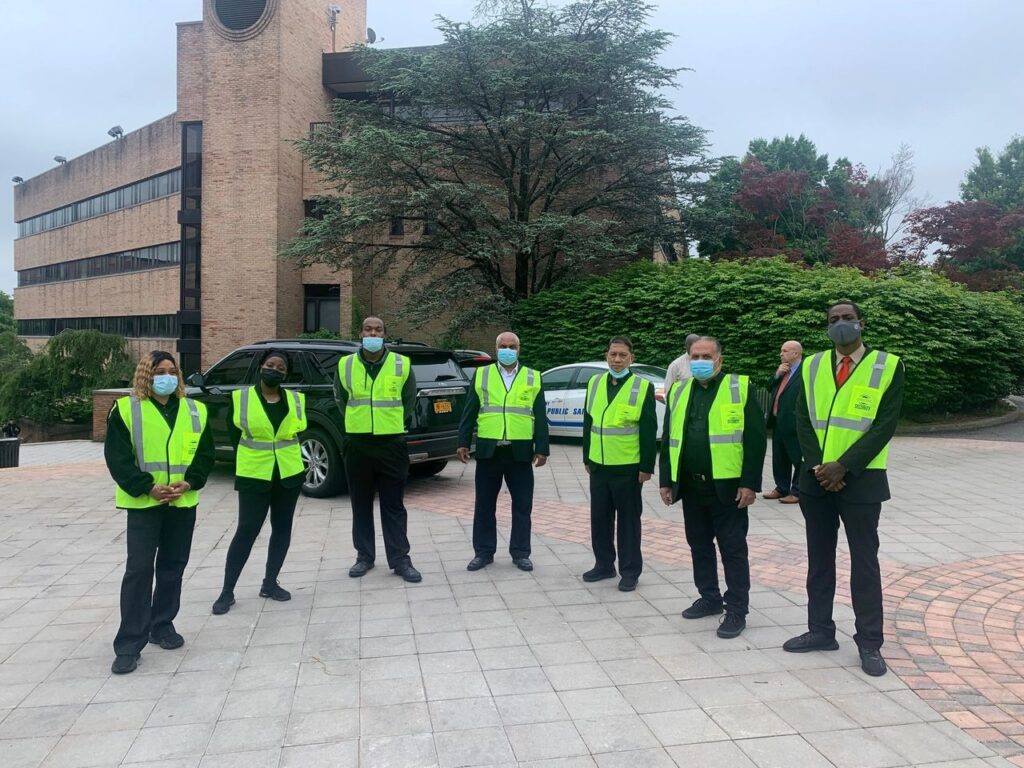
A Day in the Life: Real Shift Example
A typical overnight shift for a traveling security guard in New York might look like this:
- 6:00 PM – Shift Start:
Report to the company office, receive the patrol vehicle, perform an equipment check (radio, flashlight, keys, mobile device), and review dispatch notes and route assignments.
- 6:30 PM – First Stop:
Unlock a commercial building, conduct a perimeter check, verify that all entry points are secure, and test the alarm system. Log the initial inspection in the reporting system.
- 7:15 PM – Retail Site:
Patrol a shopping center parking lot, deter loitering, check for broken windows or forced entries, and coordinate with local law enforcement if any suspicious behavior is observed.
- 8:00 PM – Alarm Response:
Respond to a triggered alarm at a warehouse location. Assess the scene, confirm whether it is a false alarm or a real intrusion, reset the system if appropriate, and document the incident.
- 8:45 PM – Residential Complex:
Lock common areas such as pools or recreation rooms, check hallways and parking areas, and submit a digital report to confirm that the site is secure.
- 9:30 PM – Construction Site:
Verify fence integrity, ensure heavy equipment is secured, inspect lighting and access points, and document the visit with timestamped photos.
- 10:00 PM – Break:
Take a 30‑minute rest period at a designated safe location according to company policy.
- 10:30 PM – Continue Patrols:
Rotate through remaining client sites across the assigned route, responding to any new alarms or dispatch instructions.
- 5:30 AM – Shift End:
Return the vehicle to the office, submit final reports, and brief the incoming day shift on any issues or incidents that may impact upcoming coverage.
Career Path & Progression
Traveling security guard roles can serve as a strong foundation for broader security careers.
- Entry‑Level Mobile Guard (0–2 years):
Learn patrol routes, master reporting systems, understand client expectations, and build relationships with dispatch teams and property managers.
- Mobile Patrol Supervisor (3–5 years):
Oversee 5–10 traveling guards, manage dispatch operations, schedule patrols, review reports, and handle escalated incidents or client concerns.
- Executive Protection Specialist (5+ years):
Provide close protection for high‑net‑worth individuals, executives, or at‑risk persons, requiring advanced threat assessment, route planning, and tactical awareness.
- Security Consultant (7+ years):
Design security protocols, conduct risk assessments, evaluate physical security for portfolios of sites, and advise corporate clients on mobile security strategies and best practices.
Career advancement typically brings 15–30% salary increases at each level, depending on employer size, responsibilities, and region.
Pros and Cons of the Profession
Benefits
- Higher Earning Potential:
Traveling guards often earn 20–30% more than stationary guard wages, especially in high‑demand metropolitan areas.
- Variety:
Different locations and challenges each day help prevent monotony and keep work engaging.
- Autonomy:
Minimal direct supervision and independent decision‑making during patrols.
- Skill Development:
Exposure to diverse security scenarios accelerates learning and builds a strong professional portfolio.
- Career Mobility:
Clear pathways to supervisory, executive protection, and consulting roles.
Challenges
- Irregular Hours:
Night shifts, weekends, and on‑call availability can disrupt work‑life balance.
- Vehicle Wear and Tear:
Personal vehicle use (if applicable) increases maintenance and fuel costs.
- Isolation:
Extended solo patrols may mean limited interaction with colleagues.
- Fatigue:
Long hours of driving and constant vigilance can lead to mental and physical strain.
- Weather Exposure:
Outdoor patrols and site checks occur in all weather conditions.
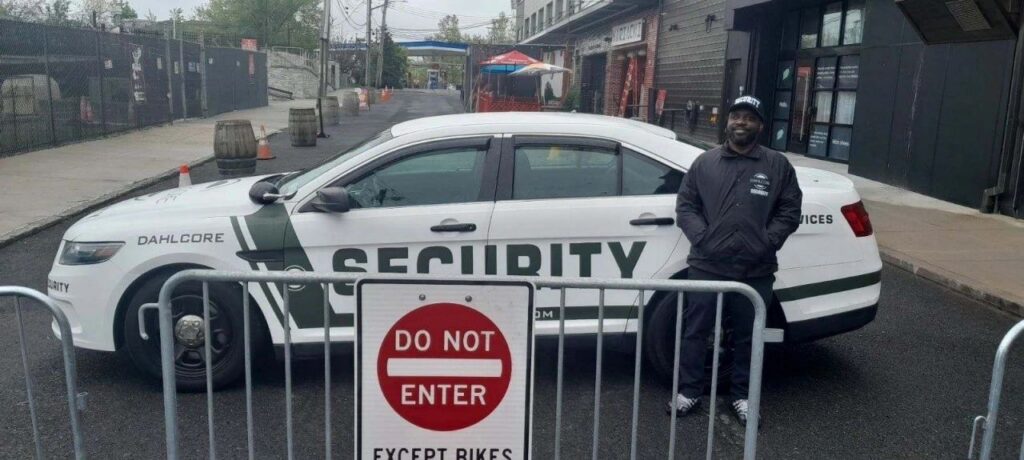
How to Become a Traveling Security Guard: Complete Checklist
Follow these steps to launch your career as a traveling security guard:
1. Meet Basic Requirements:
Confirm you meet minimum age, education, and legal eligibility requirements and can pass background checks.
2. Obtain a Driver’s License:
Secure a valid driver’s license with a clean driving record; consider completing a defensive driving course.
3. Complete Pre‑Licensing Training:
Valid security guard license or registration issued by appropriate state regulatory bodies in New York and New Jersey, following state‑approved training requirements.
4. Get First Aid/CPR Certified:
Complete a certified First Aid and CPR course through recognized providers such as the American Red Cross or equivalent organizations.
5. Apply for a Security License:
Submit your application to the state regulatory agency with required documents, fingerprints, and background checks.
6. Gain Experience:
Work 6–12 months as a stationary guard to learn security fundamentals, site procedures, and incident reporting.
7. Apply to Mobile Patrol Companies:
Target firms specializing in mobile security or patrol services that operate in your desired region.
8. Pass Vehicle Inspection:
Ensure your patrol vehicle (company‑issued or personal) meets safety and company standards.
9. Complete Onboarding:
Undergo company‑specific training on patrol routes, reporting systems, communication protocols, and emergency procedures.
10. Start Patrols:
Begin with supervised patrols before transitioning to independent routes once you meet performance and safety benchmarks.
Frequently Asked Questions
What does a traveling security guard do?
A traveling security guard patrols multiple client properties, responds to alarms, conducts security checks, and provides mobile surveillance across a geographic area. They perform lock/unlock services, incident documentation, and emergency response while driving between sites.
How much do traveling security guards make?
The national average salary for traveling security guards is about 44,920 USD annually, with a range from around 37,090 USD for entry‑level positions to 53,540 USD for experienced guards. Mobile patrol supervisors can earn approximately 55,000–65,000 USD, with higher pay common in high‑cost markets like New York City.
What are the requirements to become a traveling security guard?
Typical requirements include a high school diploma or equivalent, a valid security guard license, a clean driver’s license, passing background checks, First Aid/CPR certification, and being at least 18–21 years old, depending on state rules. Physical fitness and defensive driving skills are also important.
Do traveling security guards need special training?
Yes. Beyond basic security guard training (40–100 hours), traveling guards benefit from defensive driving certification, mobile patrol operations training, and specialized instruction in rapid response and risk assessment. Ongoing training is often required to maintain licenses.
Is a traveling security guard job dangerous?
While risks exist—such as confrontations, traffic hazards, and emergencies—proper training, equipment, and adherence to protocols significantly mitigate dangers. Many patrols are preventive, and incident rates are generally manageable for trained professionals following safety guidelines.
What equipment do traveling security guards use?
Standard equipment includes mobile devices with GPS tracking, two‑way radios, surveillance cameras or access to CCTV systems, flashlights, defensive gear (where legally permitted), first aid kits, and digital reporting systems. Patrol vehicles often have dash cameras and emergency lighting.
How is a traveling guard different from a stationary guard?
Traveling guards work across multiple locations, require driver’s licenses, typically earn higher pay, and have more autonomy. Stationary guards remain at one site, have fixed schedules, and often focus on access control and monitoring from a single post.
Trust Signals & Credentials
Dahlcore Security Services brings over 8 years of specialized security management experience, having deployed traveling security guards across New York and New Jersey. The company’s portfolio includes securing commercial properties, residential complexes, construction sites, and retail locations with proven, measurable results.
Key performance indicators include:
- Guards Deployed: 150+ traveling security professionals.
- Sites Secured: 500+ client properties under mobile patrol coverage.
- Average Response Time: Approximately 18‑minute alarm response.
- Client Retention: Around 94% annual client retention rate.
Ready to advance your security career or need mobile patrol services in New York or New Jersey? Contact Dahlcore Security Services for expert consultation and tailored security solutions.
Explore our other blog posts here
Innovative Approach to Elevating Cruise Ship Safety and Security
