

Updated Date: March 19, 2026
Roving Patrol Security Overview
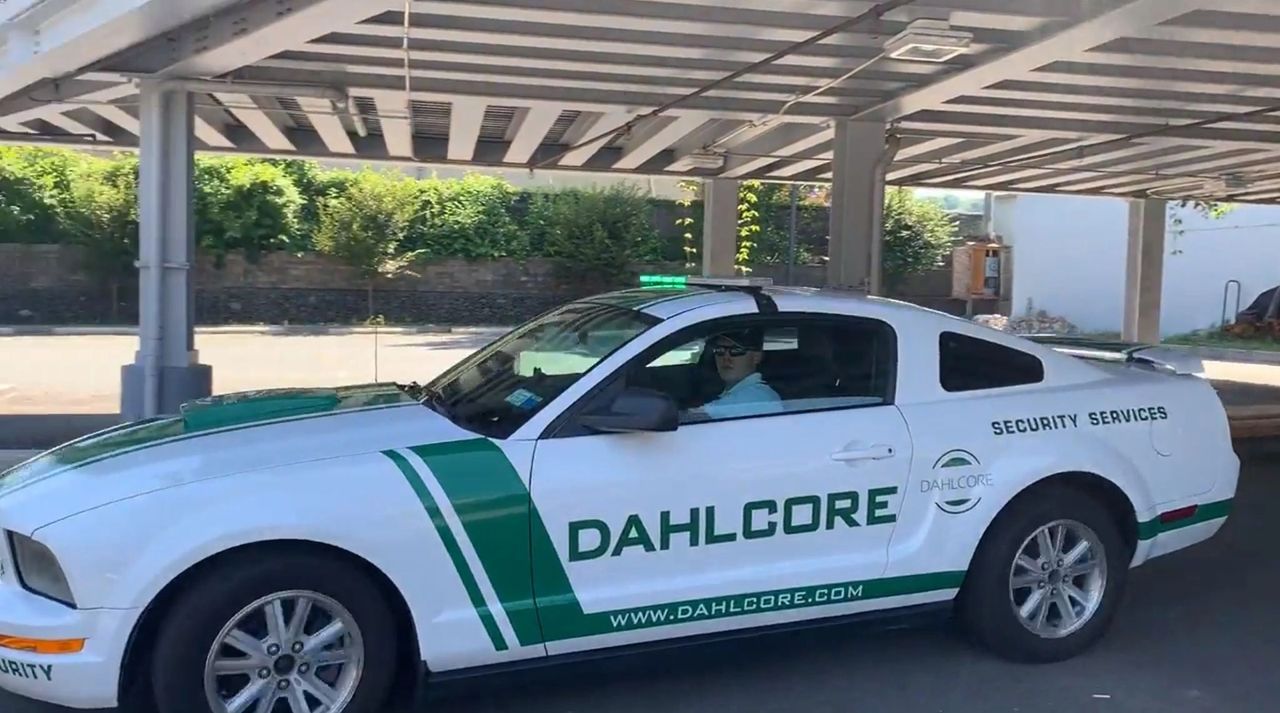
Roving patrol security places trained guards in constantly moving foot, bike, or vehicle routes that cover an entire property instead of one fixed post, creating a visible shield that criminals find hard to predict. Because the patrol pattern is mobile, a single team can monitor gates, parking lots, loading docks, and back alleys in one shift, keeping watch over areas that static guards or cameras often miss. Modern patrols record every stop through GPS-tagged reports, so managers can trace guard movements minute by minute and prove due diligence should an insurance claim arise.
Defining Mobile Patrol Services
A mobile or “roving” patrol is any regularly scheduled security circuit where guards walk or drive pre-planned and random routes to check locks, investigate alarms, and offer help to staff or visitors. The service may be delivered 24/7, limited to night hours, or triggered only when cameras detect motion, making it one of the most flexible security options available.
From Foot Beats to Vehicle Patrols: An Evolution
Early security watchmen traveled on foot with an old-fashioned time-clock key; today’s patrols swap those keys for cloud guard-tour apps, dash cameras, and even electric SUVs that silently glide through neighborhoods while live-streaming to command centers. This evolution means property owners get faster coverage, real-time alerts, and detailed incident archives without paying for a full onsite force.
Benefits of a Roving Patrol
A roving patrol’s most obvious advantage is its high visibility, which alone can cut break-ins by up to forty percent in commercial lots, according to multiple 2024 industry surveys. Because guards are already mobile, their response time to an alarm is measured in seconds rather than minutes, often preventing small issues from growing into costly incidents. The model is cost-effective; studies show one roving unit can replace three fixed posts while saving 30–50 percent on labor expenses. Schedules can be randomized, adding unpredictability that frustrates anyone scouting your site for weaknesses. Finally, the patrol’s digital logs supply clear documentation to satisfy insurers and regulators if something goes wrong.
Highly Visible Deterrence That Scares Off Crime
Criminals scout predictable patterns—when the guard’s path keeps shifting, their risk skyrockets, and most look elsewhere.
Rapid Incident Response Across Wide Areas
Vehicle-equipped officers can circle a two-acre shopping center in under two minutes, reaching any alarm panel before police dispatch even finishes taking the call.
Cost Advantages Over Static Guard Posts
Because one vehicle covers many checkpoints, the client buys fewer guard hours while maintaining the same footprint of protection, trimming security budgets without lowering standards.
Suitability & Prime Use Cases
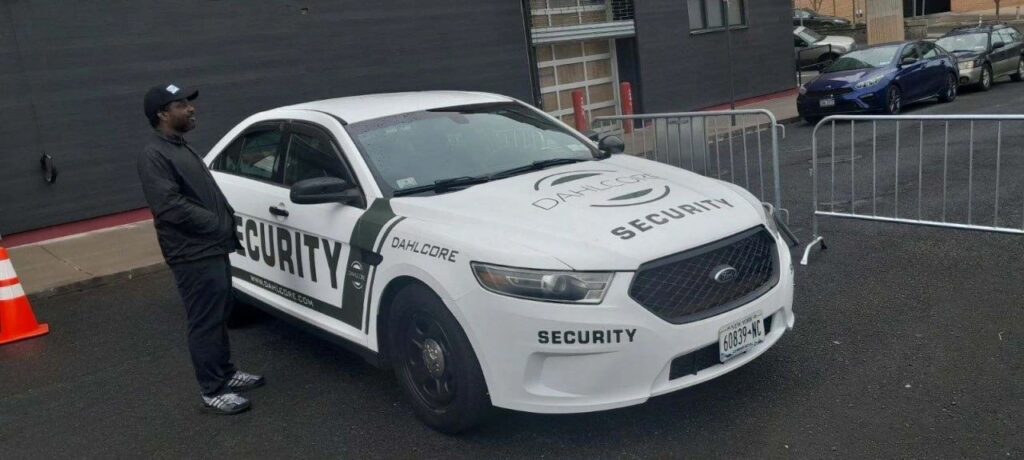
Roving patrols shine in retail plazas, where multiple storefronts share parking and loading zones that attract loitering after hours. Homeowner associations select mobile guards to patrol winding residential streets and stop package theft, noise complaints, or gate tailgating without paying for a guard at every cul-de-sac. Construction sites, parking garages, and warehouse districts also rely on roving units to check fences, lighting, and stored equipment, because thieves prefer unattended lots with expensive tools.
Retail Plazas, Malls, and Commercial Campuses
A patrol that circles mixed-use spaces every thirty minutes deters vandalism, helps lost shoppers, and reports maintenance hazards like broken lights or spills before an injury occurs.
Gated Communities and HOAs Seeking Peace of Mind
Residents feel safer seeing a marked patrol vehicle passing their home nightly and knowing guards can escort them if they arrive late.
Construction Sites, Parking Lots, and Warehouses
Mobile officers inspect equipment serial numbers, lock gates, and document any damage, creating a paper trail that speeds insurance replacement if theft occurs.
Key Selection Criteria
Licensing tops the checklist; every reputable patrol firm carries state guard licenses, general liability insurance, and workers’ comp coverage that shields the client from claims. Ask about guard hiring standards—background checks, first-aid, and de-escalation training prove the company invests in professionalism. Technology matters too: look for GPS trackers, QR code checkpoints, body cameras, and cloud reporting portals that hand clients full transparency.
Licensing, Insurance, and Compliance Checks
Verify the company meets local statutes—unlicensed guards can void your insurance or trigger fines if an incident escalates.
Guard Vetting, Training, and Certifications
Top patrol firms run federal and state criminal screenings, drug tests, and annual refresher courses covering updated laws and customer-service skills.
Tech Integrations: GPS, Guard-Tour apps, Body Cams
Real-time dashboards let you see exactly where the unit traveled and review video clips when investigating suspicious activity.
Comparing Security Models
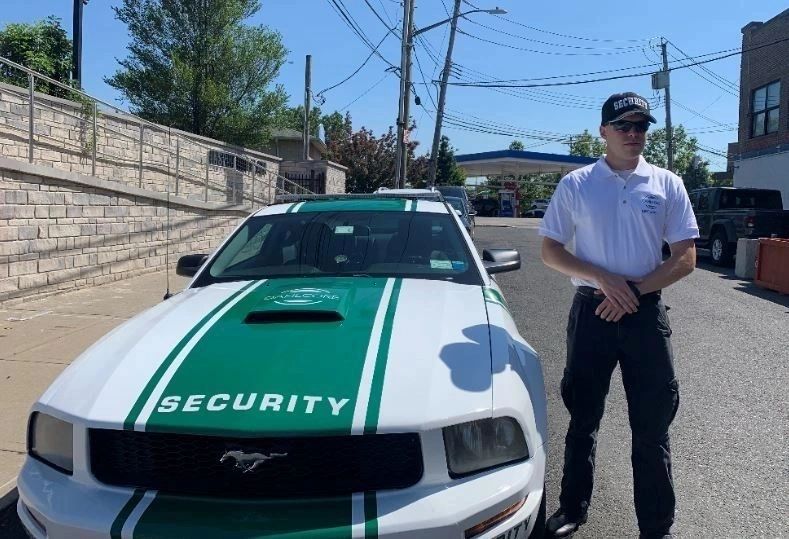
A roving patrol covers a broad footprint with fewer guards, ideal for large properties that need periodic checks. On-site guards remain at a post, offering constant eyes but at a higher cost and limited reach. Remote video monitoring leverages AI cameras to alert a mobile unit, but without boots on the ground, it can’t chase a suspect or lock a door. Many businesses choose a hybrid approach: cameras alert a roving guard who responds, blending technology’s speed with human judgment.
Roving patrol
- Strength: Wide coverage at low cost
- Limitation: Not stationed at one door
- Best Fit: Retail lots, HOAs
Onsite static
- Strength: Constant presence
- Limitation: Expensive, limited range
- Best Fit: Lobbies, luxury sites
Remote video
- Strength: 24/7 AI analytics
- Limitation: No physical intervention
- Best Fit: Low-risk warehouses
Calculating Return on Investment (ROI)
First, total the annual cost of theft, vandalism, slip-and-fall claims, and overtime police responses before patrol service. Next, subtract projected savings: insurance carriers often offer up to a twenty-percent premium reduction when a licensed mobile patrol is documented. Add indirect gains like higher tenant satisfaction scores and fewer vacancy days. Finally, divide the annual patrol contract by the combined savings to reveal a clear ROI; most clients recoup the fee within six to nine months.
2026 Trends & Innovations in Mobile Patrol
Artificial-intelligence route software now predicts crime hotspots by reviewing past incidents and weather data, letting supervisors adjust patrol times before trouble starts. Eco-friendly electric patrol cars and even drone over-watch reduce fuel costs and cut carbon emissions—features that attract environmentally conscious landlords. Expect more wearable tech, such as biometric stress monitors that alert dispatch whenever a guard’s heart rate spikes, ensuring backup arrives early.
AI-Driven Route Optimization and Predictive Analytics
By layering incident heat maps over shift schedules, patrol firms can double patrol frequency in high-risk windows without extending shift length, raising deterrence with zero extra labor cost.
Eco-Friendly Electric Patrol Vehicles and Drones
Electric SUVs charged on-site travel silently, reducing noise complaints and saving owners thousands in fuel each year, while quad-copter drones scan roofs no vehicle can reach.
Legal & Insurance Considerations
Most U.S. states classify mobile guards as private security officers requiring active guard cards; failure to verify these credentials can make a client jointly liable for wrongful-action lawsuits. Contracts must clarify use-of-force rules, evidence retention periods, and indemnification clauses that protect the hiring business from third-party claims. Because patrol logs are discoverable in court, choose a vendor that encrypts data and stores it per state retention laws, which commonly require three years of record keeping.
Implementation Roadmap
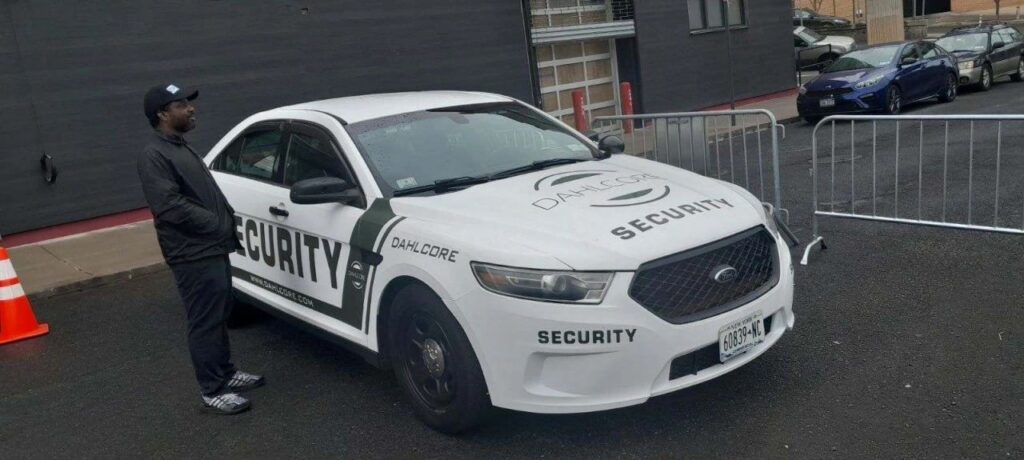
Begin with a professional risk assessment that maps every entry, blind spot, and alarm zone on your property. Collaborate with the patrol supervisor to draft a service-level agreement that lists checkpoint frequency, report formats, and key performance indicators such as response time and daily incident summaries. Roll out the patrol for a 30-day pilot, then review metrics—if vandalism drops and response targets are met, sign a twelve-month contract with quarterly reviews for continual improvement.
Risk Assessment and Detailed Site Survey
A walk-through finds faulty lights, overgrown bushes, or weak locks that criminals exploit, letting you fix issues before patrol starts for maximum impact.
Crafting Service-Level Agreements and KPIs
Clear KPIs—like “guard must scan all QR checkpoints within 45 minutes” or “incident reports sent by 9 a.m.”—keep everyone accountable and simplify vendor comparison.
FAQs About Roving Patrol Security
Why is roving patrol security cheaper than hiring multiple stationary guards?
One roving unit can guard several buildings in a single loop, reducing labor hours by up to half without sacrificing coverage.
Can roving patrols work with my existing camera system?
Yes, most firms integrate their guard-tour software with common CCTV platforms, so alerts pop up on the guard’s tablet instantly.
Do mobile patrol guards carry weapons?
That depends on state law and client preference—some carry only radios and pepper spray, while others are armed under strict licensing.
How quickly can a patrol reach an alarm?
Typical arrival is under three minutes on average-sized commercial campuses, far faster than municipal police response times.
Will insurance rates drop if I add a patrol?
Many carriers offer five- to twenty-percent premium reductions when you submit verified guard logs, cutting overall security spend.
Is mobile patrol security effective for small businesses?
Absolutely; shared patrol routes let small retailers split costs while still enjoying a professional security presence at peak risk hours.
Conclusion & Next Steps
Roving patrol security offers visible deterrence, rapid response, and budget-friendly protection—advantages that only grow with 2026’s AI route tools and eco-friendly vehicles. Choosing the right provider means checking licenses, technology, and training before signing a performance-based contract. Ready to safeguard your property?
Ready to elevate your property’s security?
Partner with Dahlcore Security Guard Services today for reliable, professional roving patrol solutions tailored to your needs. Your safety starts with a smart choice—make it Dahlcore.
External link: For detailed standards, see the ASIS International “Private Security Officer Selection & Training” guideline.
Check other blogs
Enhancing Retail Security: A Detailed Look at Loss Prevention
Best Practices for Mobile Patrols on Construction Sites
Why You Need a Private Home Security Patrol Service
Top 10 Qualities to Look for in a Professional Security Guard
