

Updated Date: December 4, 2025
In most workplaces, the employer or “responsible person” is ultimately accountable for organizing fire and emergency drills, while a designated emergency coordinator and fire warden team plan, run, and document each exercise. This guide explains exactly who holds legal and practical responsibility in different settings and how to structure roles, accountability, and procedures so your drills meet regulations, protect people, and stand up to scrutiny.
Who Is Responsible for Organizing Fire and Emergency Drills?
The primary responsibility for organizing fire and emergency drills rests with the employer or business owner, often referred to in regulations as the “responsible person.” In many jurisdictions, this responsible person can be the employer, building owner, landlord, occupier, or anyone with control over the premises, such as a facilities or building manager. Even when duties are delegated, the employer typically remains legally accountable for ensuring that a suitable fire emergency plan exists, drills are carried out, and records are maintained.
In practice, the responsible person usually appoints an emergency coordinator, fire wardens or marshals, and sometimes a security supervisor to design scenarios, schedule drills, brief occupants, and oversee evacuations. In complex sites—such as hospitals, construction projects, and multi-tenant commercial buildings—the building owner or principal contractor often works with facility managers, health and safety committees, and contracted security providers to coordinate joint drills and align responsibilities.
Employer or Business Owner Responsibilities
Employers and business owners carry overall accountability for fire safety and emergency readiness, including emergency action plans and drill programs. In most regulatory frameworks, they must make sure the organization has a written emergency action plan, clear evacuation procedures, and trained staff ready to implement the plan during drills and real incidents.
Key employer responsibilities for fire and emergency drills include:
- Creating and maintaining a written fire emergency plan or emergency action plan that covers alarms, evacuation routes, assembly points, and accounting for people.
- Appointing a competent “responsible person,” emergency coordinator, and sufficient fire wardens and marshals.
- Providing funding and time for training, drills, and any required safety equipment or notification systems.
- Ensuring drills are scheduled at appropriate intervals and comply with local fire codes, building regulations, and any sector-specific requirements.
- Reviewing drill reports, addressing deficiencies, and updating the emergency action plan as the site, staffing, or layout changes.
Facility Managers and Safety Officers
In many organizations, the facility manager, safety officer, or health and safety committee manages the day-to-day organization of fire and emergency drills on behalf of the employer. These roles often act as the operational arm of the responsible person, translating legal duties into practical procedures and schedules.
Typical responsibilities for facility managers and safety officers include:
- Conducting or commissioning fire risk assessments and making sure hazards are addressed.
- Drafting, updating, and distributing the fire emergency plan and evacuation maps.
- Coordinating drill dates, scenarios, and communications so occupants know what to expect while still treating drills seriously.
- Liaising with local fire authorities, landlords, and security providers to align shared procedures and responsibilities.
Fire Wardens, Security Guards, and Staff Roles
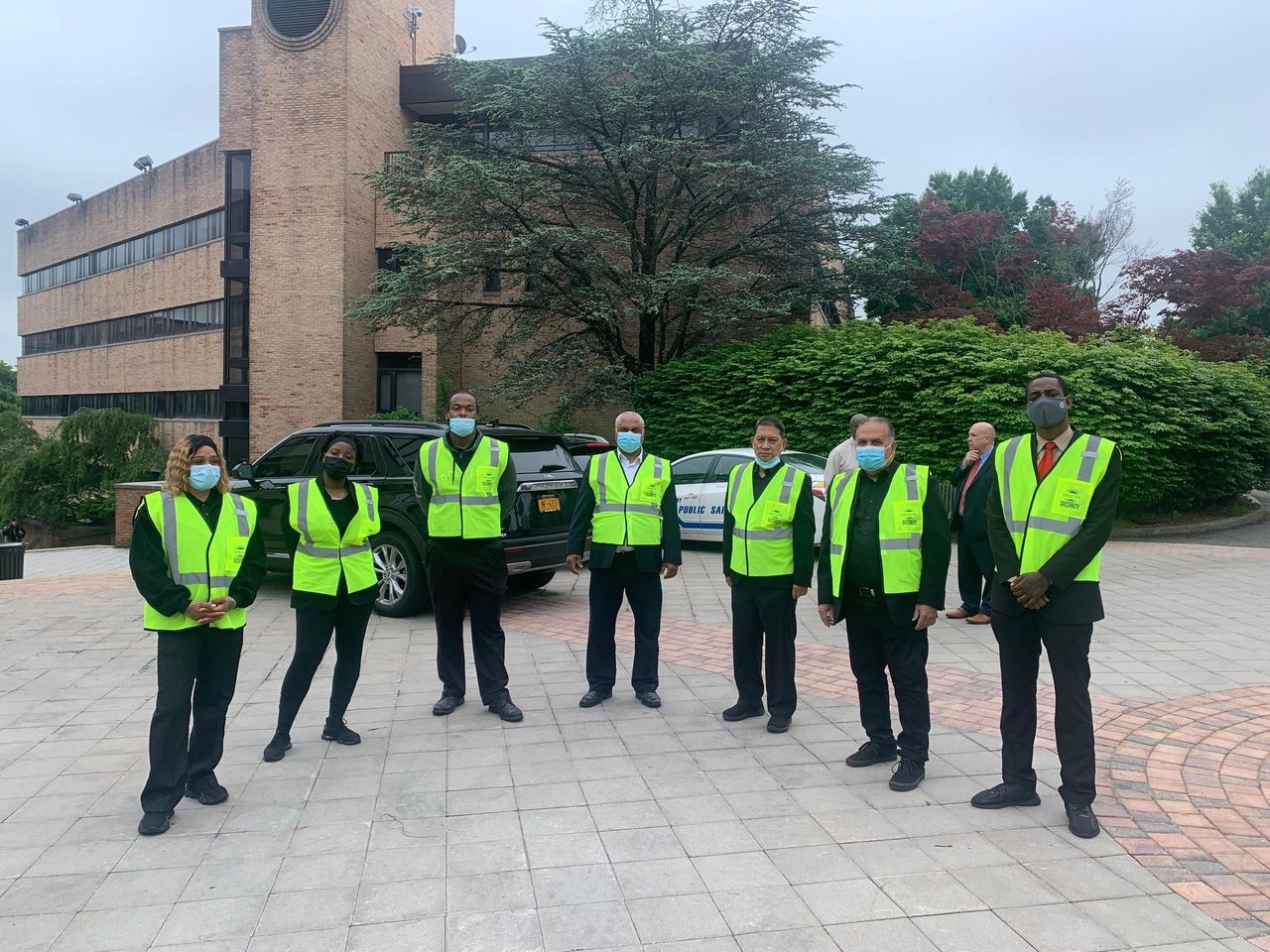
Fire wardens or fire marshals are frontline leaders during drills and real emergencies, typically appointed by the employer or emergency coordinator. Many standards and best-practice guides recommend that wardens be specifically trained to lead evacuations, check their assigned areas, and account for people.
In guarded or high-risk sites, security supervisors and guards often play a key role by:
- Monitoring alarm panels and initiating the emergency action plan.
- Controlling access to elevators, vehicle gates, and restricted areas during drills.
- Supporting wardens in guiding occupants to safe exits and assembly areas.
All employees and occupants are responsible for following instructions, participating in drills, and reporting hazards or access problems; many fire codes and NFPA guidance emphasize that all occupants should participate in drills for them to be effective.
Legal and Practical Responsibility for Fire Drills
Most safety regulations start from the principle that the employer or person in control of the workplace must plan for emergencies and protect anyone who might be affected. In the United States, OSHA’s emergency action plan requirements make clear that qualifying employers must develop a written plan covering reporting procedures, evacuation routes, and designated employee duties, then train staff on that plan.
Fire and building codes, as well as NFPA guidance, usually require that emergency egress drills be held with sufficient frequency to familiarize occupants with procedures and that all occupants participate, especially in occupancies such as schools and healthcare facilities. Even where laws allow the responsible person to delegate tasks, regulators typically view the employer or controlling entity as ultimately answerable if drills are missing, poorly run, or undocumented.
Roles and Responsibilities in Workplace Fire and Emergency Drills
Below is a quick snapshot of who does what during planning and execution:
- Employer/business owner
- Ultimately accountable for workplace fire safety and emergency preparedness.
- Approves the emergency action plan and ensures it is implemented.
- Provides resources for training, alarms, signage, and drill time.
- Sets expectations for drill frequency and performance.
- Responsible person (employer, owner, landlord, occupier, or manager)
- Oversees fire safety arrangements and emergency planning for the premises.
- Ensures risk assessments are carried out and reviewed.
- Confirms that appropriate roles (wardens, coordinators) are appointed and trained.
- Emergency coordinator
- Designs and updates the drill schedule and scenarios.
- Directs drills in real time, communicates with wardens and security, and initiates debriefs.
- Maintains drill records and ensures follow-up actions are completed.
- Fire wardens/marshals
- Sweep assigned zones, check rooms and restrooms, and close doors as they go.
- Guide occupants to safe exits and assembly points, then report headcounts.
- Help identify mobility or access needs and assist vulnerable occupants.
- Security supervisors and guards
- Operate alarm panels and coordinate with monitoring centers and fire services.
- Secure sensitive areas (e.g., cash rooms, controlled substances, data centers) during drills as required by policy.
- Help manage crowd flow, vehicles, and access to ensure safe evacuation.
- Employees and visitors
- Follow instructions, use designated routes, and do not re-enter until cleared.
- Participate in drills and any relevant training.
- Report blocked exits, faulty alarms, or signage issues so they can be fixed quickly.

Workplace Examples: Who Organizes Drills in Different Settings?
Offices and Commercial Buildings
In a standard office, the employer or tenant organization is typically responsible for organizing drills within its leased space, while the building owner or landlord manages base-building systems and shared procedures. Often, the landlord’s facility manager sets an annual drill schedule for the whole property, and each tenant’s emergency coordinator and wardens carry out the plan on their floors.
Contracted security providers may support drills by activating alarms according to procedure, locking or unlocking specific doors, and helping direct occupants through lobbies, stairwells, and loading docks.
Hospitals and Healthcare Facilities
In hospitals and other healthcare environments, regulations and accrediting bodies usually require more frequent drills and detailed staff training. The hospital administration or healthcare operator acts as the responsible person, but emergency preparedness coordinators, nursing leadership, and clinical unit managers handle day-to-day implementation.
Security officers, fire watch guards, and clinical staff coordinate to evacuate or relocate patients safely, taking into account life-support equipment, locked units, and high-dependency wards. A provider like Dahlcore can assist with hospital fire safety and evacuation support, including fire watch guards and drill facilitation for complex campuses.
Construction Sites
On construction sites, the principal contractor or site employer is usually responsible for emergency planning and drills under health and safety or construction regulations. The site manager or safety officer often serves as emergency coordinator, establishing muster points, alarm signals (sirens, air horns, radio calls), and procedures for cranes, hot work, and confined spaces.
Security providers and fire watch guards for construction sites can help by monitoring for hot work hazards, managing access, and ensuring that workers and subcontractors participate in drills even as crews and layouts change over time.
Dispensaries, Retail, and High-Risk Premises
In cannabis dispensaries, jewelry stores, and other higher-risk retail premises, the business owner or occupier is responsible for both fire and security risks, often under strict local licensing or fire code requirements. Store managers and security supervisors typically coordinate drills that consider controlled substances, safes, and customer areas.
Here, integrated solutions—such as combining fire evacuation drills with robbery or intrusion response training—can be supported by security companies that specialize in both physical security and emergency planning.
How Employers Can Delegate Drill Organization Safely
Employers can and should delegate day-to-day drill organization, but they must do so in a controlled, documented way. The first step is to formally appoint an emergency coordinator—often a facility manager, safety officer, or senior supervisor—with written responsibilities that include planning, executing, and documenting drills.
Next, employers should designate fire wardens and alternates for each work area, provide them with role-specific training, and ensure they understand how their responsibilities tie into the broader emergency action plan. Delegation should be supported by clear procedures, training records, and management oversight so that, if regulators or insurers review the program, responsibility and evidence are easy to demonstrate.
How Security Companies Support Fire and Emergency Drills
A professional security company can significantly strengthen an employer’s ability to plan and run effective drills. Security providers that offer fire watch guards and emergency drill support can help design realistic scenarios, coordinate alarm activations, and manage building access and communications.
For guarded sites, security supervisors often act as part of the emergency coordination team, ensuring alarms are triggered correctly, elevator and access control systems respond as intended, and communication with local fire services is smooth. A partner like Dahlcore can provide fire watch guards for construction sites, hospital fire safety and evacuation support, or hotel security services that integrate fire drill assistance with everyday guarding.
Step-by-Step Checklist to Organize Fire and Emergency Drills
Use this concise checklist as a practical template for your workplace:
1. Appoint a responsible person and an emergency coordinator
- Confirm who is the legally responsible person for fire safety (employer, owner, landlord, occupier, or manager).
- Formally appoint an emergency coordinator and enough fire wardens or marshals for each area and shift.
2. Develop or update the emergency action plan
- Ensure the plan meets relevant emergency action plan requirements, covering reporting, evacuation routes, assembly points, and accounting for people.
- Include roles for wardens, security staff, first-aid responders, and managers.
3. Schedule and script drills
- Decide drill frequency based on regulations, occupancy type, and risk level, aiming for at least annual drills and more frequent exercises in higher-risk settings.
- Script realistic scenarios (e.g., blocked exits, disabled occupants, after-hours staffing) so teams practice problem-solving.
4. Train staff and wardens
- Provide dedicated fire warden training and refresher sessions.
- Brief all employees on alarm signals, routes, assembly points, and expectations before running full-scale drills.
5. Run, document, and improve drills
- Execute the drill, time the evacuation, and observe behavior and bottlenecks.
- Debrief with wardens and supervisors, log outcomes and improvement actions, and update the emergency action plan and training content based on lessons learned.
Legal and Standards Alignment (OSHA, NFPA, and Local Authorities)
When assigning responsibility for drills, align your program with applicable standards and regulators. OSHA’s emergency action plan rules require qualifying employers to develop written plans, designate responsible employees for specific duties, and train workers on those arrangements. NFPA codes and guidance stress the need for regular emergency egress drills and participation of occupants, especially in certain occupancies like educational and healthcare facilities.
Local fire authorities and government guidance often define who counts as the responsible person and set expectations for fire risk assessment, planning, and staff training, frequently listing employers, owners, landlords, occupiers, and facilities managers as having fire safety responsibilities. Whenever you update roles or plans, confirm these still align with current local codes and seek professional advice where needed.
Frequently Asked Questions About Fire Drill Responsibilities
Is the employer responsible for fire drills at work?
Yes. Employers are generally responsible for ensuring that there is a suitable emergency action plan in place, that fire and emergency drills are carried out, and that employees are trained on those procedures. Even if tasks are delegated to coordinators or facility managers, regulators usually regard the employer or controlling entity as ultimately accountable.
Can a security company organize fire and emergency drills?
A security company can organize and run drills on the employer’s behalf, but legal responsibility typically remains with the employer or the responsible person. In many cases, employers engage security providers to design scenarios, coordinate alarm tests, manage access control, and provide fire watch guards for high-risk activities, while internal leaders and wardens handle staff communication and participation.
What are the duties of a fire warden during a drill?
During a drill, fire wardens usually check their assigned zones, encourage prompt evacuation, assist anyone needing help, and ensure doors are closed where appropriate. They then report headcounts and any issues—such as blocked exits or people who did not respond—to the emergency coordinator so that corrective actions can be taken and documented.
Are employees required to participate in fire drills?
Most codes and best-practice frameworks expect all building occupants to participate in drills, especially in workplaces, schools, healthcare facilities, and other higher-risk occupancies. Employers should treat drills as mandatory safety exercises, communicate expectations clearly, and follow up with anyone who misses a drill to ensure they understand the procedures.
How often should fire drills be conducted at work?
The required frequency of drills depends on local code, occupancy type, and risk level, with some regulations specifying minimum annual frequencies and stricter rules for high-risk settings. As a baseline, many organizations aim for at least one or two full-evacuation drills per year, supplemented by partial drills, tabletop exercises, and training refreshers in between.
Get Help Organizing Fire and Emergency Drills
If your team is unsure who should own fire drill responsibilities or how to structure roles across employers, landlords, facility managers, and security providers, this is the ideal time to formalize your program. Dahlcore can help design compliant emergency action plans, provide fire watch guards and security supervisors to support drills, and train your coordinators and wardens so everyone understands their role when alarms sound.
Check other blogs
Event Security: How Many Guards Do I Need?
Contrasting Company Culture: FBI Agent vs. Mall Security Guard
What Does a Police Bug Look Like? Guide to Covert Surveillance
