

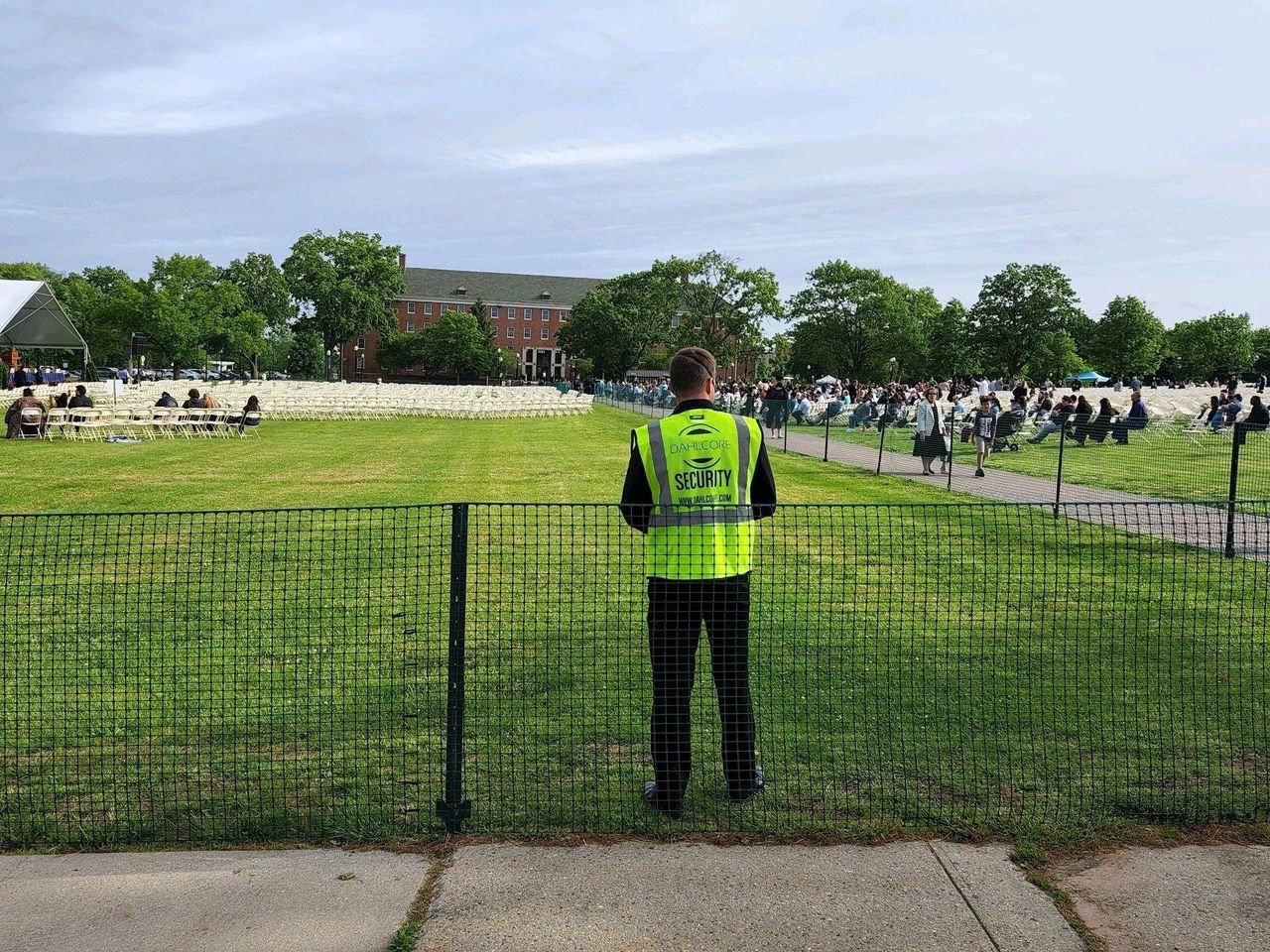
When we think of security and law enforcement, two very different images come to mind: a sharp, well-trained FBI agent taking down organized crime and a mall security guard patrolling the food court. Though both roles serve to protect and maintain order, their company cultures differ vastly. Understanding these differences helps shed light on how each operates within its unique environment. Let’s dive into the contrasting worlds of FBI agents and mall security guards, examining everything from their training to the day-to-day challenges they face.
Understanding Company Culture
Defining Company Culture in Law Enforcement and Security Sectors
Company culture is the essence of how an organization functions—its values, behaviors, and interactions. In law enforcement and security sectors, culture shapes the approach to duties, teamwork, and public interaction. FBI agents operate under a culture steeped in tradition, hierarchy, and intense training, whereas mall security guards typically work in a more relaxed, customer-facing environment. The contrast between these two cultures reveals the diversity in how safety and security are maintained across different settings.
FBI Agent: A Glimpse into the World of Federal Law Enforcement
The Mission and Values of the FBI
The Federal Bureau of Investigation (FBI) is the United States’ premier federal law enforcement agency. Its mission is clear: to protect and defend the United States against terrorist and foreign intelligence threats, uphold and enforce the criminal laws of the United States, and provide leadership and criminal justice services to federal, state, municipal, and international partners. The values guiding FBI agents—rigorous integrity, accountability, and public service—create a culture where duty to the country is paramount.
Training and Development of FBI Agents
FBI agents undergo some of the most rigorous training in law enforcement. This includes an intense program at the FBI Academy in Quantico, Virginia, where recruits are trained in everything from forensic science to physical fitness. The culture of the FBI places a high value on continuous learning and development, ensuring agents are well-equipped to handle the wide range of cases they may encounter.
Day-to-Day Operations and Responsibilities
FBI agents engage in complex investigations, including counterterrorism, cybercrime, organized crime, and civil rights violations. Their day-to-day responsibilities are demanding and varied, often involving collaboration with other law enforcement agencies, detailed report writing, and field operations. The structured and mission-driven culture of the FBI ensures that each agent knows their role within the broader mission of the agency.
The Hierarchical Structure and Command Chain
The FBI operates under a strict hierarchical structure with transparent chains of command. This hierarchy fosters a culture of discipline and respect for authority, where agents are expected to follow orders and maintain professionalism at all times. The command structure also supports the accountability necessary for handling sensitive and high-stakes operations.
Team Dynamics and Collaboration in the FBI
Collaboration within the FBI is crucial, especially given the complexity of many cases. Agents work in teams, often bringing together experts from various fields to solve cases. The culture promotes a strong sense of camaraderie, but it also demands high standards of performance from each team member.
Mall Security Guard: The Face of Everyday Safety
Mission and Values of Mall Security Services
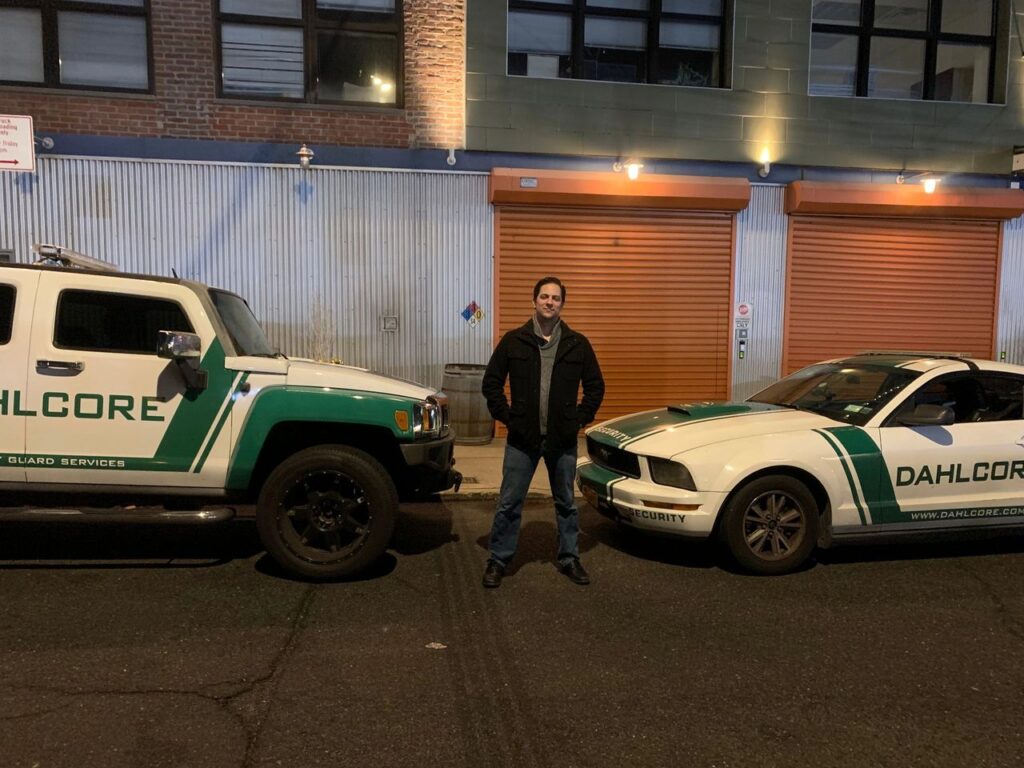
Mall security services aim to ensure the safety and comfort of shoppers and employees. Their mission is more focused on maintaining a visible presence to deter theft, assist with emergencies, and provide a sense of security to the public. The values in this culture revolve around vigilance, customer service, and quick response to incidents.
Training and Development of Mall Security Guards
Mall security guards receive basic training, often including first aid, emergency response, and conflict resolution. While more intense than FBI training, this preparation is essential for managing the every day yet unpredictable situations they might face. The culture here values practical, on-the-job learning and adaptability over extensive formal education.
Day-to-Day Operations and Responsibilities
Mall security guards’ responsibilities are primarily focused on patrolling the premises, monitoring security systems, and responding to incidents like shoplifting or lost children. Unlike the high-stakes environment of the FBI, mall security work is more routine, though it still requires a keen sense of observation and quick decision-making. The culture in mall security emphasizes accessibility and approachability, aiming to create a safe but welcoming atmosphere.
Organizational Structure and Communication Channels
Mall security teams typically operate under a flatter organizational structure compared to the FBI. Communication is more direct, and the environment is less formal, reflecting the customer service aspect of the job. This structure allows for flexibility and quick decision-making in response to on-the-ground situations.
Teamwork and Collaboration in Mall Security
Collaboration among mall security guards is essential, especially in larger shopping centers. Guards must work together to cover large areas, communicate effectively during emergencies, and support each other in managing difficult situations. The team-oriented culture is fostered through shared responsibilities and a collective focus on ensuring the mall’s safety.
Comparing the Roles: High Stakes vs. Routine Safety
The Scope of Responsibilities: Federal Cases vs. Property Protection
FBI agents handle national and international cases with significant implications, from terrorism to organized crime. Their responsibilities require a deep understanding of the law and specialized skills and often involve life-or-death situations. In contrast, mall security guards focus on protecting property and ensuring the safety of visitors in a localized setting, with responsibilities that are important but less complex.
Decision-Making: Autonomy and Protocols
FBI agents often have a high degree of autonomy in making decisions, especially when in the field. They rely on extensive training and experience to make quick, critical decisions. Mall security guards, on the other hand, follow more straightforward protocols, often deferring to law enforcement of severe incidents. The decision-making culture in mall security is more about adhering to established guidelines rather than exercising personal judgment.
Risk and Threat Levels: National Security vs. Public Safety
The threats faced by FBI agents are often severe and include terrorism, espionage, and violent crime. This high-risk environment shapes a culture of vigilance, preparedness, and intense focus. Mall security guards deal with more common threats like theft, vandalism, or minor disturbances. While the stakes are lower, the culture still demands attentiveness and a proactive approach to potential risks.
Workplace Environment: Formal vs. Informal Settings
The Professional Atmosphere in FBI Offices and Field Operations
FBI offices and field operations are highly professional, with strict codes of conduct and a formal atmosphere. Agents are expected to present themselves with utmost professionalism, reflecting the severe nature of their work. The culture in these environments is disciplined and often intense, with a clear focus on the mission at hand.
The Casual and Accessible Environment in Shopping Malls
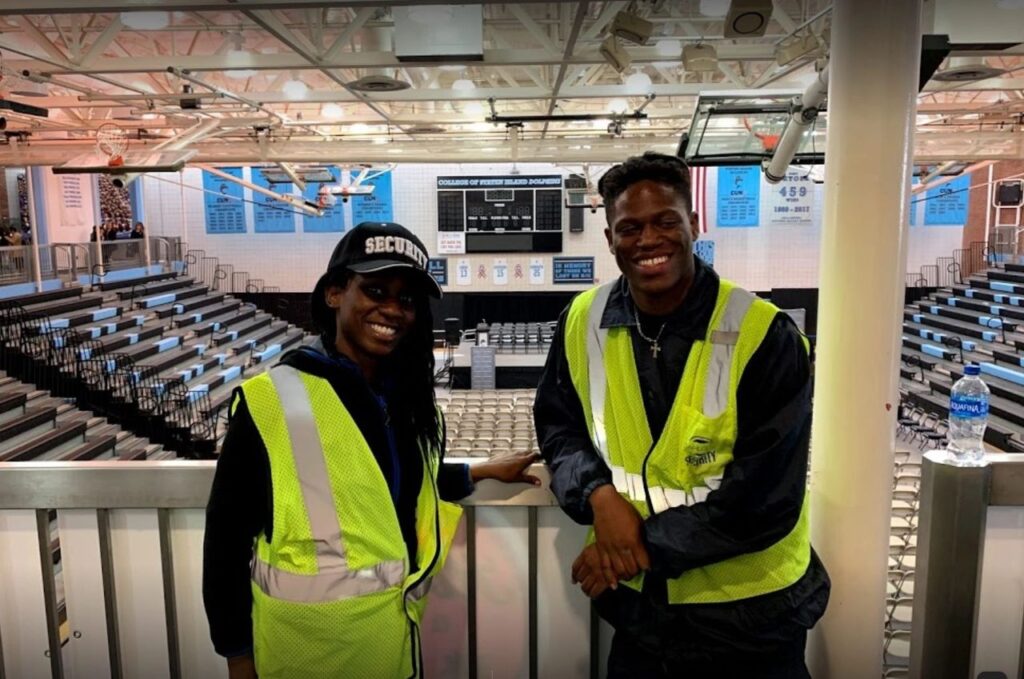
Mall security guards work in a more relaxed environment, interacting with the public in a casual, approachable manner. Their workplace is bustling with activity, yet the atmosphere is informal compared to the FBI’s structured settings. The culture here is customer-centric, aiming to balance security with a positive shopping experience.
Training and Skill Requirements: Specialized vs. Generalized
Rigorous FBI Training Programs
FBI agents undergo rigorous and comprehensive specialized training programs. From tactical operations to legal training, the culture values a high level of expertise and preparedness. This training is crucial for the complex and often dangerous tasks agents face in the field.
Basic Training for Mall Security Guards
Mall security guards receive generalized training focused on the essentials needed to maintain safety in a retail environment. This includes basic security measures, customer service skills, and emergency response. The culture here emphasizes practicality and readiness to handle a range of everyday situations without extensive specialization.
Team Dynamics and Leadership: Command Structures vs. Peer Leadership
Leadership Styles in the FBI
Leadership in the FBI is hierarchical, with clear roles and responsibilities. FBI leaders are often seasoned agents who command respect and authority. The culture promotes leadership through experience and rank, with a strong emphasis on discipline and chain of command.
Leadership Approaches in Mall Security Teams
Mall security teams often operate with a peer leadership approach, where team members support and guide each other rather than relying solely on a hierarchical structure. The culture values cooperation and shared responsibility, with leadership often emerging based on situational needs rather than rank.
Career Progression: Advancement Opportunities and Limitations
Career Growth and Opportunities in the FBI
The FBI offers clear pathways for career advancement, with opportunities to specialize in various fields, take on leadership roles, and even work internationally. The culture encourages professional growth and development, rewarding agents who excel in their duties with promotions and additional responsibilities.
Limited Career Advancement in Mall Security
Career progression in mall security is generally more limited. While there are opportunities to advance to supervisory roles or transition to other areas of security, the culture emphasizes long-term career development more than it does in the FBI. For many, mall security is a stepping stone rather than a lifelong career.

Stress Levels and Job Satisfaction: High Stakes vs. Routine Roles
The Psychological Demands of FBI Work
FBI agents face high levels of stress due to the nature of their work. The pressure to solve complex cases, the risk of danger, and the responsibility of protecting national security can be overwhelming. The FBI’s culture acknowledges these stresses, with support systems in place to help agents manage the psychological demands of the job.
The Routine Nature and Satisfaction in Mall Security Roles
Given the routine nature of their work, mall security guards typically experience less stress than FBI agents. While the job can be monotonous, many find satisfaction in ensuring a safe environment for the public. The culture in mall security is more relaxed, with a focus on job stability and the everyday rewards of customer interaction.
Ethics and Integrity: High Standards vs. Practical Application
Ethical Standards in the FBI
Ethics and integrity are central to the FBI’s culture. Agents are held to the highest standards of conduct, given the sensitive nature of their work. The FBI’s culture promotes a strong ethical framework, with rigorous oversight to ensure agents adhere to legal and moral guidelines.
Ethics in Mall Security Operations
Mall security guards also operate under ethical guidelines, though these are often more practical. The culture values honesty, fairness, and respect, with an emphasis on treating the public with dignity. While the ethical demands may not be as stringent as in the FBI, integrity remains a key component of the role.
Public Perception: Authority vs. Approachability
The Public’s View of FBI Agents
FBI agents are often viewed with a mix of respect and intimidation. The culture of authority and professionalism they embody contributes to a public perception that sees them as powerful and sometimes unapproachable figures. The FBI’s culture, while respected, can create a barrier between agents and the general public.
How the Public Perceives Mall Security Guards
Mall security guards are generally seen as approachable and friendly, with a role that is more integrated into the public’s everyday experience. Their culture of accessibility and customer service shapes a perception that is less about authority and more about community safety. This approachable image is a key aspect of their effectiveness in maintaining order in a public setting.
The Impact of Technology: Advanced Tools vs. Basic Equipment
FBI’s Use of Cutting-Edge Technology
The FBI leverages advanced technology, from sophisticated forensic tools to cybersecurity measures. The culture at the FBI values staying ahead of technological trends to combat crime effectively. Agents are trained to use these tools as an integral part of their investigative work.
Technology in Mall Security Operations
Mall security guards use more basic technology, such as CCTV systems and communication devices. While these tools are essential for their day-to-day duties, the culture requires a different level of technological proficiency than the FBI. Instead, the focus is on practical tools that enhance visibility and response times in a retail environment.
Challenges in Both Roles: Different but Difficult
High-Pressure Situations in the FBI
FBI agents regularly face high-pressure situations where decisions can have far-reaching consequences. The FBI’s culture prepares agents for these challenges, but the stress and potential danger are ever-present. Whether negotiating a hostage situation or pursuing a criminal network, the stakes are incredibly high.
Common Challenges Faced by Mall Security Guards
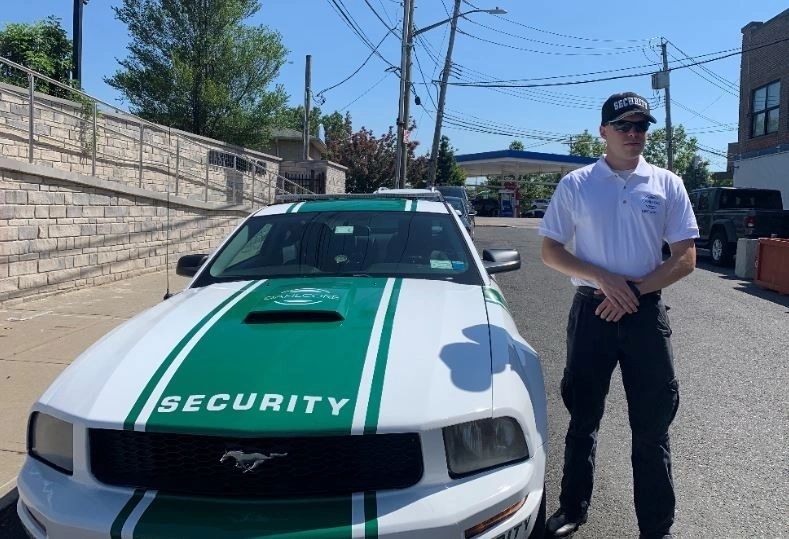
Mall security guards encounter challenges such as dealing with unruly customers, preventing theft, and handling emergencies. While the challenges may not be as severe as those faced by FBI agents, they require quick thinking and effective communication. The culture in mall security fosters resilience and adaptability in facing these everyday difficulties.
FAQs
What is the primary difference between FBI agents and mall security guards?
The primary difference lies in the scope of their responsibilities. FBI agents deal with national security threats and complex criminal investigations, while mall security guards focus on maintaining safety and preventing minor incidents in a retail environment.
How does the training of an FBI agent differ from that of a mall security guard?
FBI agents undergo rigorous, specialized training at the FBI Academy, including forensic science, legal training, and tactical operations. Mall security guards receive more basic training focused on practical skills like emergency response and customer service.
Why is the culture of the FBI more formal than that of mall security?
The FBI’s culture is more formal due to the high stakes and seriousness of the cases they handle. This formality ensures discipline, professionalism, and adherence to protocols. Mall security, on the other hand, operates in a more casual environment where accessibility and customer service are key.
How do leadership structures differ between the FBI and mall security?
The FBI has a strict hierarchical structure with a transparent chain of command, reflecting the importance of order and discipline in high-stakes operations. Mall security teams typically have a flatter structure, allowing for more direct communication and flexibility in handling routine situations.
What are the key challenges faced by FBI agents?
FBI agents face high-pressure situations involving complex criminal investigations, national security threats, and the need for quick, critical decision-making. The psychological demands and potential danger make this a particularly challenging role.
How does public perception differ between FBI agents and mall security guards?
FBI agents are often seen as authoritative and intimidating due to their role in federal law enforcement. Mall security guards are generally viewed as approachable and friendly, focusing more on customer service and community safety.
Conclusion
Summary of Key Differences in Company Culture
The contrasting cultures of FBI agents and mall security guards highlight the diversity in how different sectors approach safety and security. While the FBI operates in a high-stakes, disciplined environment focused on national security, mall security guards work in a more routine, customer-facing role aimed at protecting property and ensuring public safety.
Final Thoughts on the Contrasting Cultures
Understanding these differences helps to appreciate the unique demands and expectations placed on individuals in these roles. Both FBI agents and mall security guards play crucial roles in maintaining safety, though their cultures, responsibilities, and challenges are worlds apart. Recognizing the value of each role is essential in appreciating the broader spectrum of law enforcement and security services in society.
Check other blogs
Constella Security Pay for Access Control: 10 Key Insights
Fire Watch Guards: Arson Prevention & Property Damage Minimization
How Much a Hospital Security Guard Earns: A Comprehensive Guide
