

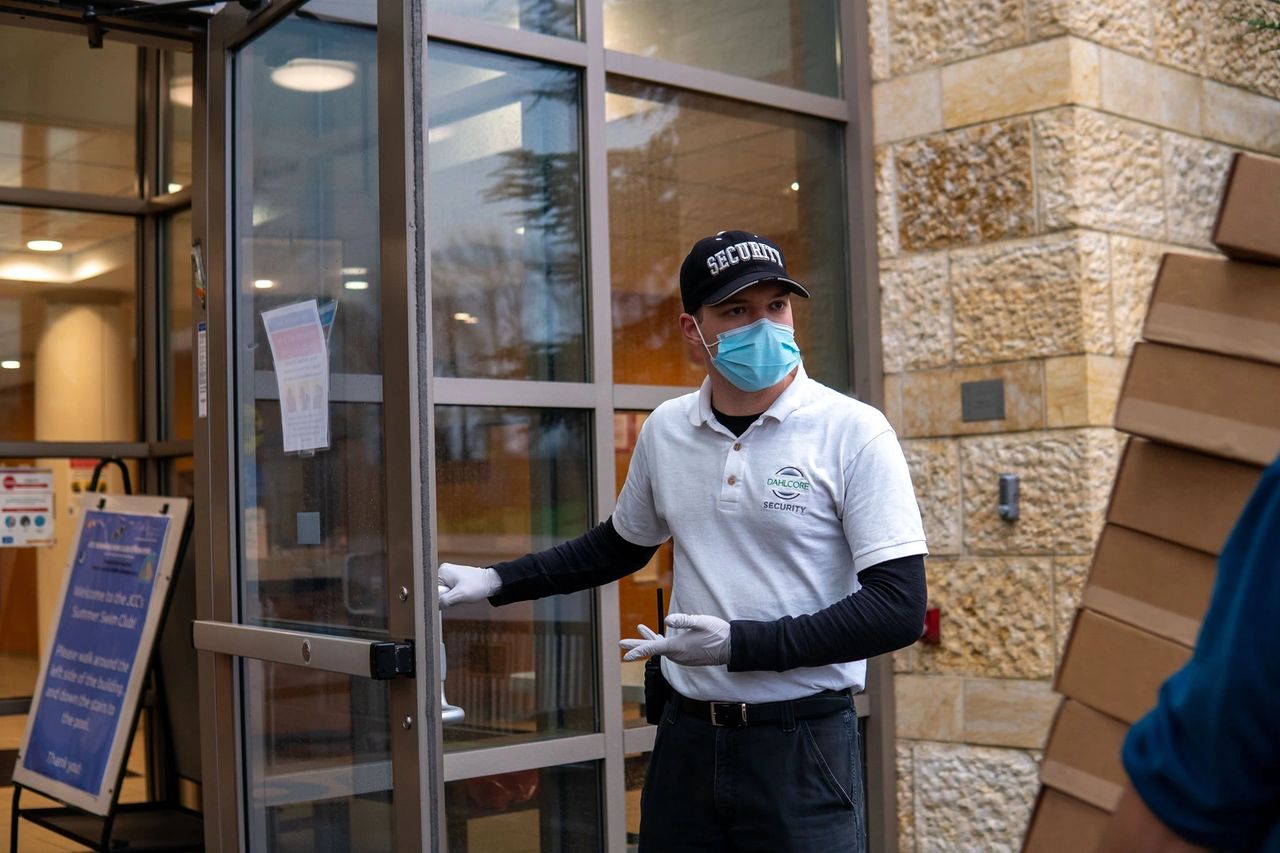
The safety and security of hospital patients, staff, and visitors are paramount. Hospital security staff, often called Healthcare Security Officers or Hospital Protection Officers, play a critical role in maintaining a safe environment. This article delves into who these professionals are, their responsibilities, challenges, and the evolving nature of hospital security.
What qualifications do I need for a security guard?
To become a security guard, several qualifications are typically required, though these can vary by location and specific job requirements. Generally, the basic qualifications include:
- Education: A high school diploma or equivalent is usually necessary.
- Training: Many positions require completion of a formal training program, which may cover topics such as public safety, first aid, crisis management, and legal aspects of security work.
- Licensing: Most states require security guards to obtain a license, involving background checks and sometimes a licensing exam.
- Physical Fitness: Some security jobs require guards to be physically fit to patrol premises or manage disturbances effectively.
- Other Skills: Strong communication and observational skills are crucial. Guards should be able to report incidents clearly and interact effectively with law enforcement.
What Do You Call Security Staff That Works Directly for a Hospital?
Hospital security staff, commonly known as Healthcare Security Officers, are tasked with various responsibilities. Their role is integral to hospital operations, from managing access to sensitive areas to responding to emergencies. They ensure a secure environment for everyone within the hospital premises.
Recruitment and Training of Hospital Security Staff
Hiring the right personnel for hospital security is essential. Applicants undergo thorough background checks and receive specialized training in managing medical emergencies, resolving conflicts, and assessing risks. This process ensures they are well-prepared to handle the distinct challenges of hospital environments. Let’s take a closer look at the recruitment process and the training programs that equip these professionals for success.
Addressing On-the-Job Challenges
Hospital security staff face a range of challenges, including managing violent incidents, de-escalating tense situations, and handling emergencies with professionalism and empathy. They must balance maintaining a secure environment with upholding the hospital’s compassionate and patient-centered culture. This will explore strategies and best practices for ensuring safety without compromising the supportive and healing atmosphere that hospitals strive to provide.
The Role of Technology in Enhancing Hospital Security
Advancements in technology have significantly transformed hospital security by introducing innovative tools and systems. Modern surveillance technologies, such as AI-powered cameras and real-time monitoring systems, enable security staff to detect potential threats swiftly and ensure patient and staff safety. Additionally, advanced access control technologies, including biometric authentication and smart keycards, provide robust protection by restricting unauthorized access to sensitive areas, enhancing the overall safety and operational efficiency of hospitals.
Legal and Ethical Considerations in Hospital Security
Hospital security staff must navigate complex legal and ethical landscapes. This includes respecting patient privacy, adhering to healthcare regulations, and making decisions that balance safety with ethical considerations.
Collaborative Efforts with Law Enforcement
Hospital security staff often work closely with law enforcement agencies to ensure safety and security in high-risk situations. Effective partnerships are built on clear communication, mutual trust, and well-defined protocols tailored to address potential threats. These collaborations help maintain order, protect patients and staff, and ensure a swift response to emergencies.
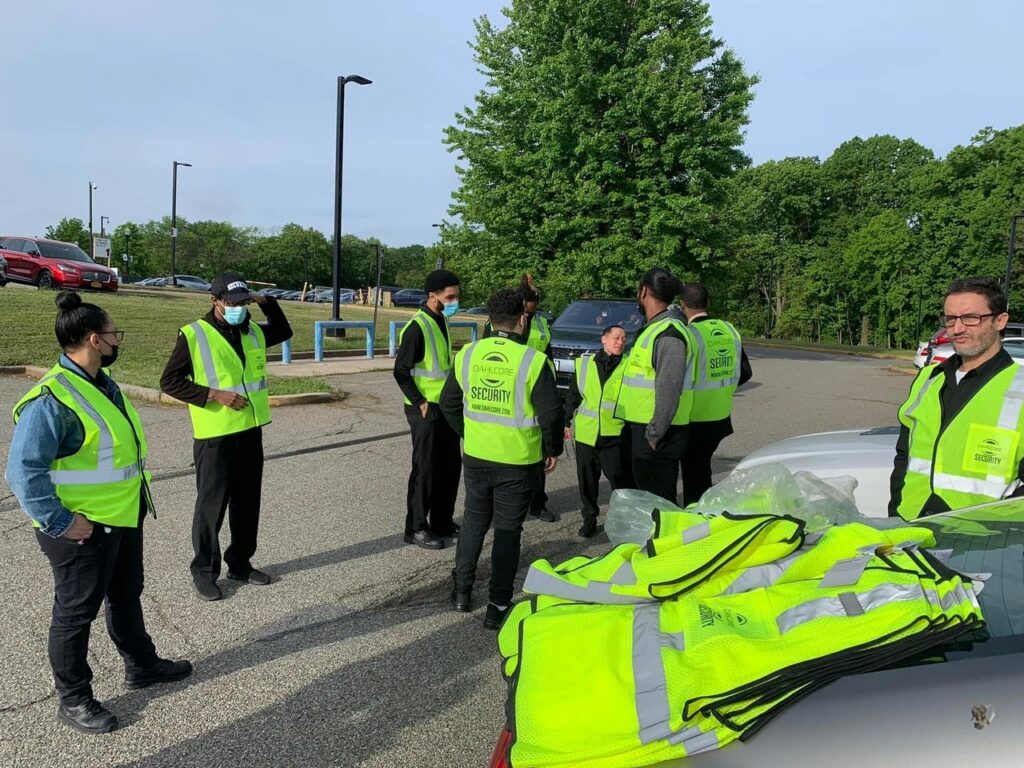
Enhancing Patient Trust Through Security
Building a Trusting Environment
A trusting environment in hospitals fosters a sense of safety and comfort, enabling patients to focus on their recovery without fear or anxiety. Effective communication, respectful interactions, and consistent enforcement of safety protocols are essential for cultivating this trust. Such an atmosphere not only supports patient well-being but also enhances collaboration between staff, patients, and families, contributing to a positive healthcare experience.
Security’s Role in Patient Confidence
The presence of well-trained security staff significantly enhances patient confidence in the safety of the hospital. This part will explore how the visibility and professionalism of security teams can positively impact patient and visitor perceptions.
Security Staff as Part of the Healthcare Team
Collaborating with Medical Personnel
Hospital security staff collaborate closely with medical personnel to ensure a safe and efficient environment for patient care. Their partnership involves responding to emergencies, de-escalating conflicts, and maintaining a secure space during critical situations. By working together, they address safety concerns promptly, allowing medical teams to focus on providing effective treatment.
A Unified Approach to Patient Care
Security personnel play an integral role in the holistic approach to patient care. This part will discuss how their work is intertwined with the healthcare mission, emphasizing their contribution to patient care.
Managing Visitor Access and Flow
Implementing Effective Visitor Policies
Managing visitors is essential in maintaining hospital security while balancing patient care and safety. Security staff are trained to enforce visitor policies by screening individuals, verifying identification, and ensuring that visitors follow designated procedures. By maintaining strict access control, security personnel help create a safe environment for patients, staff, and visitors, while also fostering a welcoming atmosphere that prioritizes comfort and professionalism.
Balancing Openness with Security
Hospitals must strike a delicate balance between accessibility and security to foster a safe yet welcoming atmosphere. Security teams play a critical role in implementing protocols that maintain a secure environment while ensuring that patients, visitors, and staff can navigate the facility without unnecessary barriers. This balancing act requires ongoing training, technology integration, and communication between security personnel and healthcare staff to provide a seamless experience for everyone involved.
Special Considerations for Pediatric and Geriatric Wards
Tailoring Security for Vulnerable Populations
Vulnerable populations such as children and older people require special security considerations. This section will discuss the tailored approaches used in pediatric and geriatric wards to ensure their safety.
Unique Challenges in Sensitive Areas
Pediatric and geriatric wards present unique security challenges. This part will explore these challenges and the specialized strategies employed to address them.
Crisis Intervention and Mental Health Training
Handling Psychiatric Emergencies
Hospital security staff play a critical role in addressing psychiatric emergencies, often being the first to arrive on the scene. Their training typically includes de-escalation techniques, understanding mental health conditions, and recognizing signs of agitation or distress in patients. By employing these skills, security personnel can manage potentially volatile situations while maintaining a compassionate and supportive approach to patients in crisis.
Training in Mental Health Awareness
Mental health awareness is crucial for hospital security personnel. This part will delve into the training programs that equip them to understand and respond appropriately to mental health crises.

The Impact of Hospital Security on Patient Recovery
Creating a Healing Environment
Hospital security plays a vital role in fostering a sense of safety, which directly impacts patient well-being. When patients feel secure, they are less likely to experience stress or anxiety, which can hinder their recovery. By ensuring that the hospital environment is free from external threats, security personnel create an atmosphere that promotes healing and supports the overall treatment process.
Security’s Role in Patient Wellbeing
The presence of security staff can have a direct impact on patient well-being. This part will explore how their actions and presence contribute to a patient’s safety and well-being.
Security in Non-Clinical Areas of the Hospital
Protecting Administrative and Support Areas
Security in a hospital extends beyond patient care areas to include administrative and support zones, which are crucial for the overall functioning of the institution. These areas often house sensitive data, equipment, and essential staff members, making them prime targets for security breaches. By securing administrative and support areas, hospitals can better safeguard patient information, prevent unauthorized access, and ensure the smooth operation of vital healthcare services.
Ensuring Comprehensive Security Coverage
Ensuring security coverage throughout the entire hospital, including non-clinical areas, is crucial. This part will cover strategies and policies that ensure no area is left unprotected.
Surveillance and Privacy: Striking the Right Balance
Ethical Use of Surveillance
Surveillance is a critical tool in hospital security but must be used ethically. This section will explore how hospitals balance the need for surveillance with respect for patient privacy.
Respecting Patient Privacy
Maintaining patient privacy is a critical aspect of hospital security. This part will discuss the policies and practices that ensure surveillance is used responsibly and ethically.
Incident Reporting and Follow-up Procedures
Importance of Accurate Reporting
Accurate incident reporting is crucial in hospital security. This section will discuss the importance of thorough and precise reporting to improve security measures continuously.
Learning from Security Incidents
Learning from past incidents is critical to improving hospital security. This part will explore how hospitals analyze security incidents and implement changes based on these learnings.
Community Outreach and Hospital Security
Engaging with the Local Community
Hospital security can extend beyond the hospital walls. This section will cover how security teams engage with the local community to build trust and understanding.
Building Relationships Beyond Hospital Walls
Building strong community relationships can enhance hospital security. This part will discuss the initiatives taken by hospital security to foster positive relations with the local community.
Security Staff Wellness and Support
Addressing Job Stress and Burnout
The well-being of security staff is paramount. This section will focus on the challenges faced by security personnel, such as stress and burnout, and the support systems in place to help them.
Support Systems for Security Personnel
Supporting the mental and physical health of security staff is crucial. This part will explore the programs and initiatives designed to provide ongoing support and care for these vital team members.
Advanced Training and Career Development
Opportunities for Professional Growth
Continuous learning and development are essential for hospital security staff. This section will cover the opportunities for their professional growth and career advancement.
Specialized Training Programs
Specialized training programs equip security staff with advanced skills. This part will delve into the types of training provided and how they enhance the capabilities of security personnel.
What is the security guard of the hospital?
Hospital security guards play a crucial role in maintaining a safe and secure environment for patients, staff, and visitors. Their responsibilities include:
- Monitoring: Keeping watch over hospital entrances and exits, monitoring surveillance equipment, and patrolling the premises.
- Access Control: Managing access to restricted areas to ensure that only authorized individuals enter.
- Emergency Response: Assisting during emergencies by guiding evacuations and coordinating with emergency responders.
- Incident Management: Addressing disturbances or conflicts, documenting security incidents, and reporting to hospital administration.
- Customer Service: Providing directions and assistance to visitors and patients, contributing to a supportive hospital environment.
Ensuring the Safety of Patients and Staff
The primary responsibility of hospital security staff is to protect patients and staff. This section will discuss strategies to safeguard vulnerable groups and ensure a secure working environment for healthcare professionals.
The Importance of Communication Skills
Communication skills are essential for hospital security staff as they play a critical role in maintaining safety and order. These skills enable staff to interact professionally and empathetically with patients, visitors, and medical personnel from diverse backgrounds. Additionally, clear and assertive communication is crucial for de-escalating conflicts, coordinating during emergencies, and ensuring that accurate information is relayed promptly and effectively.
Emergency Response Protocols
During crises, the ability of security staff to respond swiftly is vital for ensuring safety and minimizing risks. Emergency protocols are meticulously designed to guide immediate actions, emphasizing clear communication and decisive measures. Comprehensive training equips security personnel with the skills to handle various scenarios effectively, ensuring their readiness to act promptly under pressure.
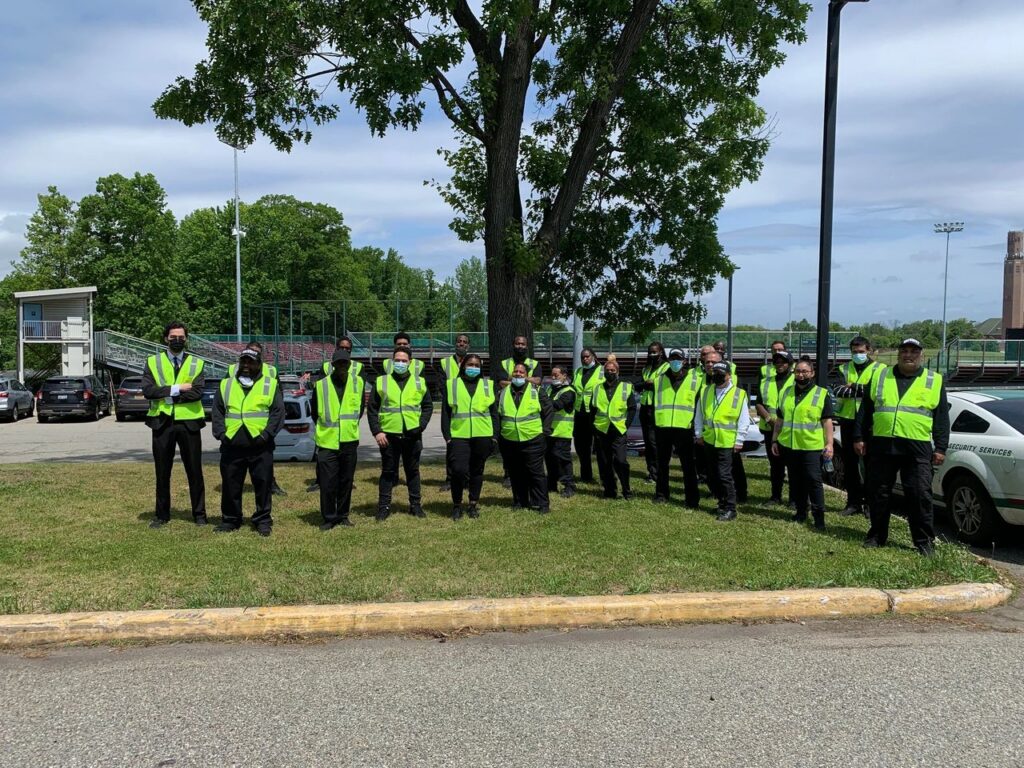
Risk Management in Hospital Security
Identifying potential risks and taking proactive measures to address them are vital components of maintaining hospital security. Effective risk assessment involves evaluating vulnerabilities, understanding potential threats, and prioritizing actions to mitigate them. Continuous efforts, including staff training, advanced security systems, and regular audits, ensure that the hospital remains a safe environment for patients, visitors, and employees.
What requirements are needed for security?
The general requirements for security guards include:
- Background Check: A clean criminal record is essential for trustworthiness and reliability.
- Drug Testing: Guards may be required to pass drug tests as a condition of employment.
- Training and Certification: Depending on the state and the job, specific security training and certification may be required.
- Physical Requirements: Certain levels of physical fitness and the ability to handle long periods of both inactivity and activity.
- Skills: Effective communication, keen observation skills, and the ability to respond appropriately to security breaches or emergencies.
Meeting these requirements ensures that security personnel are prepared to undertake their duties responsibly and effectively.
Strengthening Hospital Security with Government Guidelines
Incorporating authoritative sources enhances the credibility of discussions on hospital security. The U.S. Department of Health and Human Services (HHS) provides comprehensive guidelines on the Health Insurance Portability and Accountability Act (HIPAA) Security Rule, which establishes national standards to protect individuals’ electronic personal health information.
Additionally, the Centers for Disease Control and Prevention (CDC) offers resources on the HIPAA Security Rule, detailing the necessary safeguards to ensure the confidentiality, integrity, and availability of electronic protected health information.
These resources are invaluable for understanding the regulatory framework governing hospital security measures.
Frequently Asked Questions
What specific training do hospital security staff receive?
Hospital security staff are trained in crisis management, conflict resolution, and emergency medical response, equipping them to handle various situations in a hospital setting.
How do hospital security officers contribute to patient care?
While not directly involved in medical care, hospital security officers ensure a safe and secure environment, essential for effective patient care and recovery.
Can hospital security staff detain individuals on hospital premises?
Hospital security staff have the authority to detain individuals if necessary, especially in scenarios that threaten the safety of patients, staff, or visitors.
Are hospital security staff trained in handling confidential patient information?
They receive training in handling confidential information, respecting patient privacy, and adhering to healthcare regulations like HIPAA.
How do hospital security measures adapt to high-risk situations like pandemics?
Hospital security measures are intensified during high-risk situations like pandemics, including stricter access controls and enhanced safety protocols to protect patients and staff.
What role do technology and surveillance play in hospital security?
Technology and surveillance are integral to hospital security, aiding in monitoring premises, managing access, and ensuring overall safety in the hospital environment.
Conclusion
Hospital security staff, or Healthcare Security Officers, are essential to maintaining a safe and secure environment in healthcare facilities. Their work ensures that hospitals remain havens of care and safety for all.
Check other blogs
How to Get a Security Guard Card: Quick & Easy Application Tips
Tailoring Security Measures for Pediatric and Maternity Wards
The Importance of Vigilance: Security Guards in Emergency Rooms
