


Pediatric and Maternity Ward Security
In the realm of healthcare, the safety and security of patients are paramount, particularly in pediatric and maternity wards. These specialized environments require tailored security measures to protect the most vulnerable. The purpose of this article is to explore and discuss the diverse aspects of security in pediatric and maternity wards, offering insights and practical solutions to ensure a safe and nurturing environment for both patients and staff.
Understanding Vulnerabilities in Pediatric and Maternity Wards
Pediatric and maternity wards face unique security challenges, making them susceptible to various threats. It’s crucial to identify these potential risks, ranging from unauthorized access to child abduction, to ensure the safety of infants and children. Analyzing past security breaches in these settings provides valuable lessons, helping to fortify defenses against similar incidents in the future.
Designing Effective Security Protocols
Developing a robust security plan is essential for pediatric and maternity wards. This plan should encompass all aspects of ward security, from physical barriers to cybersecurity measures. Customizing these protocols to cater specifically to the needs of young patients and their families is crucial, ensuring both safety and comfort.
Technological Innovations in Ward Security
The integration of advanced technology has revolutionized ward security by incorporating state-of-the-art surveillance systems and biometric access controls. These cutting-edge solutions not only offer a higher level of protection but also do so discreetly, ensuring that security measures are in place without being overly intrusive.
Staff Training and Emergency Preparedness
Training healthcare workers in security protocols is as vital as the measures themselves. Staff should be well-versed in handling emergencies and potential security breaches. Regular drills and simulations can prepare them for various scenarios, reinforcing the importance of security in their daily routines.
Parental Involvement in Security Measures
Involving parents in the security process is critical. Educating them about the safety protocols and encouraging their participation can significantly enhance the security of pediatric and maternity wards. This collaborative approach fosters a sense of shared responsibility and vigilance.
Access Control and Visitor Management
Effective management of access points and visitors is paramount in ensuring the security of a hospital ward. Striking the right balance between implementing robust access control systems and maintaining a welcoming and compassionate atmosphere is a delicate but essential task, as it not only safeguards patients and staff but also ensures that individuals seeking care and support feel comfortable and cared for during their hospital stay.
Child Protection within the Ward
Protecting children from internal and external threats involves several strategies. These include measures to prevent child abduction and protocols to safeguard against any internal threats, ensuring a secure environment within the ward itself.
The Role of Security Personnel
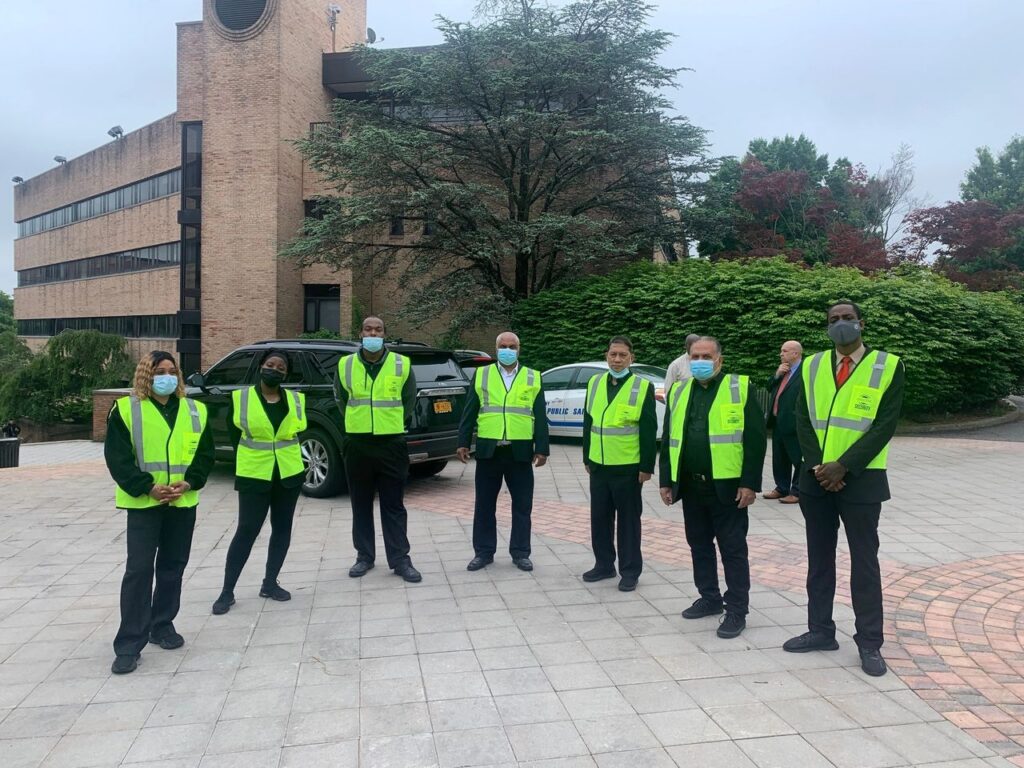
Security personnel working in pediatric and maternity wards need specialized training to manage the unique challenges presented by these healthcare settings effectively. This includes understanding the sensitive nature of these areas, the need to protect vulnerable patients, and the ability to respond to emergencies involving infants, children, and expectant mothers.
Additionally, close coordination with local law enforcement agencies is crucial to ensure an integrated security approach, enabling swift responses to potential threats or incidents and ensuring the safety of patients, staff, and visitors in these critical healthcare environments.
Integrating Mental Health Considerations
Security measures should be thoughtfully integrated into healthcare facilities with a primary focus on preserving the well-being and mental health of patients and their families. By ensuring that security protocols are implemented discreetly and unobtrusively, healthcare environments can maintain a healing and supportive atmosphere, allowing patients and their loved ones to feel safe and cared for without experiencing unnecessary stress or discomfort.

Regulatory Compliance and Legal Aspects
Compliance with health and safety standards is non-negotiable. Understanding the legal implications of security failures and ensuring adherence to regulatory requirements is imperative for the protection of the patients and the institution.
Community Outreach and Awareness
Building a relationship of trust with the community is crucial in ensuring that hospital security measures are not only practical but also well-received. By actively engaging with the community through open communication channels, hospitals can gain valuable insights, address concerns, and collaborate on security strategies that are both robust and sensitive to the community’s needs. Additionally, conducting public education campaigns further empowers individuals with knowledge about security protocols. It encourages their active participation, fostering a sense of shared responsibility for safety and a more robust, safer healthcare environment overall.
Continuous Improvement and Evaluation
Regular audits and feedback mechanisms play a crucial role in the ongoing enhancement of security measures in pediatric and maternity wards. By consistently assessing and reassessing the security protocols, healthcare facilities can identify vulnerabilities, address emerging threats, and fine-tune their strategies to provide a safe and secure environment for both patients and staff, ultimately ensuring the sustained safety and well-being of vulnerable populations in these specialized healthcare settings.
Frequently Asked Questions
What are the specific security challenges faced by pediatric and maternity wards?
Pediatric and maternity wards are particularly vulnerable to issues like unauthorized access and infant abduction, requiring specialized security measures to protect these sensitive areas.
How do advanced technologies enhance the security of these wards?
Advanced technologies, such as biometric access controls and sophisticated surveillance systems, provide enhanced monitoring and security capabilities, ensuring a safer environment for both patients and staff.
What role do parents play in the security of pediatric and maternity wards?
Parents are integral to ward security, as their awareness and involvement in safety protocols significantly contribute to the prevention of security breaches and ensure a collaborative approach to ward safety.
How are security personnel trained for these specialized environments?
Security personnel receive specialized training focused on the unique needs of pediatric and maternity wards, including handling sensitive situations and coordinating with medical staff and law enforcement.
What are the legal considerations in implementing security measures in healthcare settings?
Legal considerations include adhering to health and safety regulations, ensuring patient privacy, and being aware of the legal implications of any security breach or failure in these sensitive healthcare environments.
How can regular audits and feedback improve hospital security?
Regular audits and feedback provide valuable insights into the effectiveness of current security measures, allowing for timely improvements and adaptations to meet evolving threats and challenges.
What is the importance of mental health considerations for inward security?
Incorporating mental health considerations ensures that security measures do not negatively impact the healing environment, balancing safety with the emotional and psychological well-being of patients and their families.
Conclusion: Shaping the Future of Hospital Security
In conclusion, tailoring security measures for pediatric and maternity wards is a multifaceted endeavor that requires a blend of technology, human expertise, and community involvement. The goal is not only to protect but also to create a healing environment where children and families feel safe and supported.
Check other blogs
Fire Codes & Regulations Guide for Fire Protection Services
Designing a Robust Commercial Security System: Best Practices
Security Guard Security Breach Response Protocols
How Security Guards Handle Sensitive Information and Keep Records
