

Introduction
Importance of Understanding Use of Force for Security Guards
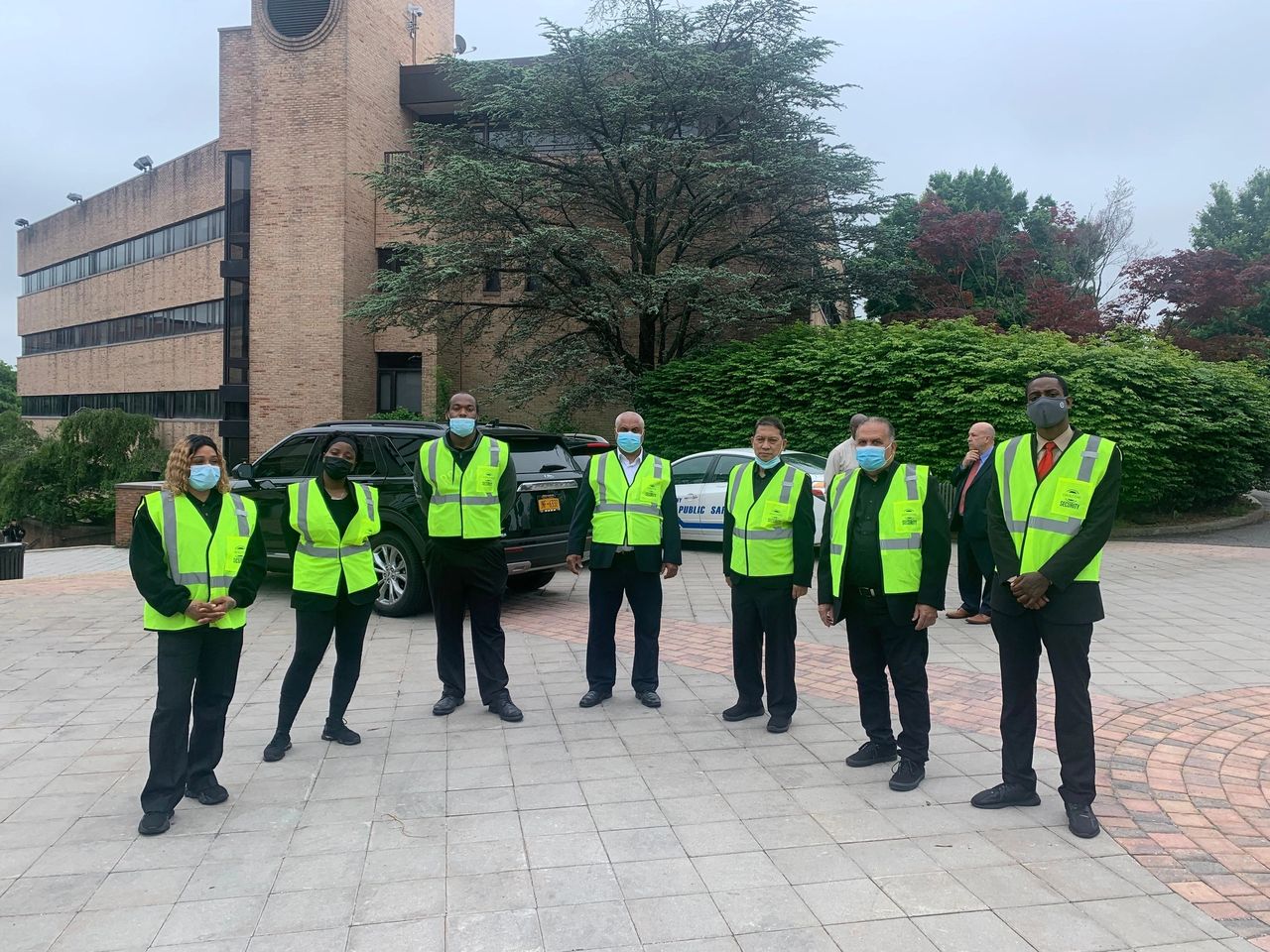
Security guards play a pivotal role in maintaining safety and order in various environments. However, the responsibility to protect lives and property comes with the critical challenge of using force judiciously. Understanding the use of force continuum equips security professionals with the knowledge to handle potentially volatile situations effectively, minimizing harm and upholding the law.
Overview of Use of Force Continuum
The use of force continuum is a systematic guide that helps security guards determine the appropriate level of force to apply in a given situation. It ranges from minimal force, such as presence and verbal communication, to more intensive measures, such as intermediate weapons or, in extreme cases, lethal force. This structured approach aims to maintain a balance between authority and responsibility.
Defining the Use of Force
What is the Use of Force Continuum?
The use of force continuum is a framework that outlines the progressive steps security personnel should follow when applying force. Each level corresponds to the nature and severity of the threat encountered, ensuring responses remain proportionate. It emphasizes the importance of using the least force necessary to de-escalate a situation effectively.
Legal and Ethical Foundations of Force
Security guards operate within a web of legal and ethical standards. While force may be necessary in certain circumstances, misuse can lead to legal repercussions and ethical concerns. By adhering to the continuum, security personnel demonstrate a commitment to responsible decision-making and the protection of human rights.
Levels of the Continuum
Presence and Verbal Commands
The first and least invasive level of force is mere presence, which relies on the authority conveyed by the visible presence of a uniformed security guard. This approach is often reinforced with clear and confident verbal commands, aiming to deter potential wrongdoers and maintain order without resorting to physical intervention.
Soft Techniques and Restraints
Soft techniques involve non-aggressive methods such as guiding, holding, or physically redirecting an individual to prevent harm while maintaining control. In some cases, restraints like handcuffs may also be employed, provided their use adheres to legal standards and is proportional to the situation.
Hard Control and Defensive Tactics
When soft techniques prove ineffective, security guards may resort to hard control methods, such as using physical force to restrain or subdue individuals who pose a threat. These actions must be exercised with utmost caution, strictly adhering to training protocols and legal guidelines to ensure safety and accountability.
Use of Intermediate Weapons
Intermediate weapons, such as batons or pepper spray, are essential tools for managing situations where threats escalate beyond verbal control but do not warrant lethal force. When used, these tools must be deployed with utmost caution, precision, and adherence to legal and ethical guidelines to ensure the safety of all parties and to avoid unnecessary harm or misuse.
Lethal Force: The Final Option
Lethal force represents the most extreme level of action, reserved solely for situations where there is an immediate and unavoidable threat to human life. Its application demands comprehensive training, strict adherence to established protocols, and clear legal justification to prevent misuse and ensure it remains a last-resort measure.
Legal Considerations
Relevant Laws Governing Use of Force
Each jurisdiction has distinct laws regulating the use of force by security personnel, often outlining what is deemed reasonable or necessary in various situations. A thorough understanding of these laws is essential for maintaining compliance, safeguarding the rights of all parties involved, and minimizing the risk of legal liability or professional misconduct.
Consequences of Misusing Force
Excessive or unjustified use of force can result in serious consequences, including lawsuits, job termination, criminal charges, and damage to the reputation of both the individual and the employer. Security guards must remain professional, act strictly within the boundaries of their legal authority, and document all incidents with precision to ensure transparency and accountability in their actions.
Best Practices
Situational Awareness and Threat Assessment
Being aware of the surroundings and recognizing potential threats early is critical to maintaining safety and preventing incidents before they escalate. Security guards should stay vigilant, observe changes in the environment, and continuously assess situations to determine the most effective and appropriate response to ensure the protection of people and property.
De-Escalation Techniques
De-escalation aims to reduce aggression and anxiety by fostering understanding and cooperation between individuals involved in a conflict. By using empathetic communication, maintaining a calm demeanor, and actively listening, encourages peaceful resolution and minimizes the risk of escalation.
Clear Communication and Commands
Clear, firm, and respectful commands help maintain control of situations while fostering cooperation and mutual respect. When instructions are misunderstood, it can lead to confusion, frustration, and potential escalation of conflicts that could have been avoided.
Continuous Training and Certification
Regular training enables security guards to consistently improve their skills in applying the continuum of force, ensuring effective and appropriate responses in various situations. It also helps them stay informed about changes in legal regulations and ethical standards, promoting adherence to current best practices.
Ethical Perspectives
Balancing Safety and Rights
Security guards must always prioritize safety while ensuring they respect the legal rights and personal freedoms of individuals they interact with. Ethical guidelines require that any use of force be justified, proportional to the threat, and employed only when all other non-violent measures have been exhausted, with a focus on preserving the dignity of all parties involved.
Ensuring Accountability in the Use of Force
Accountability measures, including detailed incident reporting and continuous oversight, ensure transparency and provide a clear record of actions taken. This fosters a culture of responsibility, deterring misconduct and reinforcing the commitment to ethical practices within security operations.

Challenges in Implementation
Real-World Scenarios and Complexities
Real-life situations often involve complex variables that can’t always be predicted or neatly categorized, making it difficult to apply the continuum of force model in a textbook manner. Security guards must use their training, experience, and critical thinking skills to assess each situation and make decisions that ensure safety and compliance while remaining adaptable to unpredictable circumstances.
Overcoming Psychological Barriers
Using force in high-pressure situations can lead to emotional strain, making it essential for security guards to be equipped with tools to handle such stress. Proper psychological support and ongoing training help guards develop coping mechanisms and improve their ability to make sound decisions in challenging environments.
Tools and Technologies
Non-Lethal Devices for Security Guards
Innovations like tasers and pepper spray offer security personnel and law enforcement powerful, non-lethal methods for subduing aggressive individuals without causing long-term harm. By using these tools, officers can better manage potentially dangerous situations while minimizing the risk of injury to both themselves and the subjects involved.
Monitoring and Body Cameras
Body cameras ensure transparency by recording real-time interactions, which can be crucial for resolving disputes and ensuring accurate reporting of incidents. Additionally, they promote accountability by deterring misconduct and protecting both security guards from false accusations and the public from potential abuse.
FAQs
What is the primary purpose of the use of force continuum?
The use of force continuum serves as a guide to help security personnel respond proportionately to threats, minimizing harm while maintaining safety.
Why is de-escalation important for security guards?
De-escalation reduces the likelihood of violence, promotes peaceful resolution, and helps security guards maintain control of situations effectively.
When is lethal force justified?
Lethal force is justified only when there is an imminent threat to life and no other options are available to prevent harm.
What are some common legal issues associated with the use of force?
Legal issues often arise from excessive force, lack of proper documentation, and failure to comply with relevant laws.
How can security guards stay updated on best practices?
Regular training, certifications, and staying informed about changes in laws and industry standards are essential for staying updated.
Are body cameras mandatory for security guards?
While not universally mandatory, body cameras are increasingly used to ensure transparency and accountability.
Conclusion
Summary of Best Practices
The use of force continuum is a critical tool for security guards, emphasizing the importance of proportionality, legality, and ethics. By following best practices such as de-escalation, clear communication, and ongoing training, security professionals can protect themselves and the public effectively.
Future of Use of Force Policies
As technologies and societal expectations evolve, the use of force policies will continue to improve, offering better tools and guidelines for security guards. A commitment to ethical standards and accountability will remain central to their role in ensuring safety and security.
Check other blogs
Key Strategies for Commercial Property Security
Navigating Employee Termination: Best Practices for Employers
Why Fire Protection Services Are Essential for Your Business
