


In today’s rapidly evolving market, the security of commercial properties is crucial for maintaining not only the physical safety of assets and individuals but also for protecting intellectual property and sensitive information. Enhanced security measures, such as surveillance systems, access control, and emergency response plans, are fundamental in deterring criminal activities and ensuring a safe working environment. Moreover, a robust security framework can significantly contribute to the reputation and financial stability of a business, instilling confidence among employees, customers, and stakeholders.
The Pillars of Commercial Property Security
The four main pillars of commercial property security are integral to maintaining a safe and secure environment. Physical measures include barriers, locks, and lighting that deter unauthorized access and enhance visibility. Technology encompasses surveillance cameras, alarm systems, and access control systems that monitor and control entry points. Personnel refers to security guards, maintenance staff, and employees trained to respond to security incidents and maintain the integrity of security measures. Finally, policies and procedures provide a framework for implementing security measures consistently, including emergency response plans, access control policies, and regular security audits. Together, these pillars form a comprehensive approach to security that addresses a range of threats and vulnerabilities.
Physical Security Measures
Access Control Systems
- Keycard Access: Keycard access systems control entry to buildings and restricted areas within them. By requiring a physical card for entry, organizations can track who enters and exits, limit access based on time or role, and quickly deactivate lost or stolen cards to maintain security.
- Biometric Access: Biometric systems use unique physical characteristics, such as fingerprints, facial recognition, or iris scans, for identification and access control. These systems provide a high level of security as they are difficult to forge compared to traditional keys or cards.
Security Guards
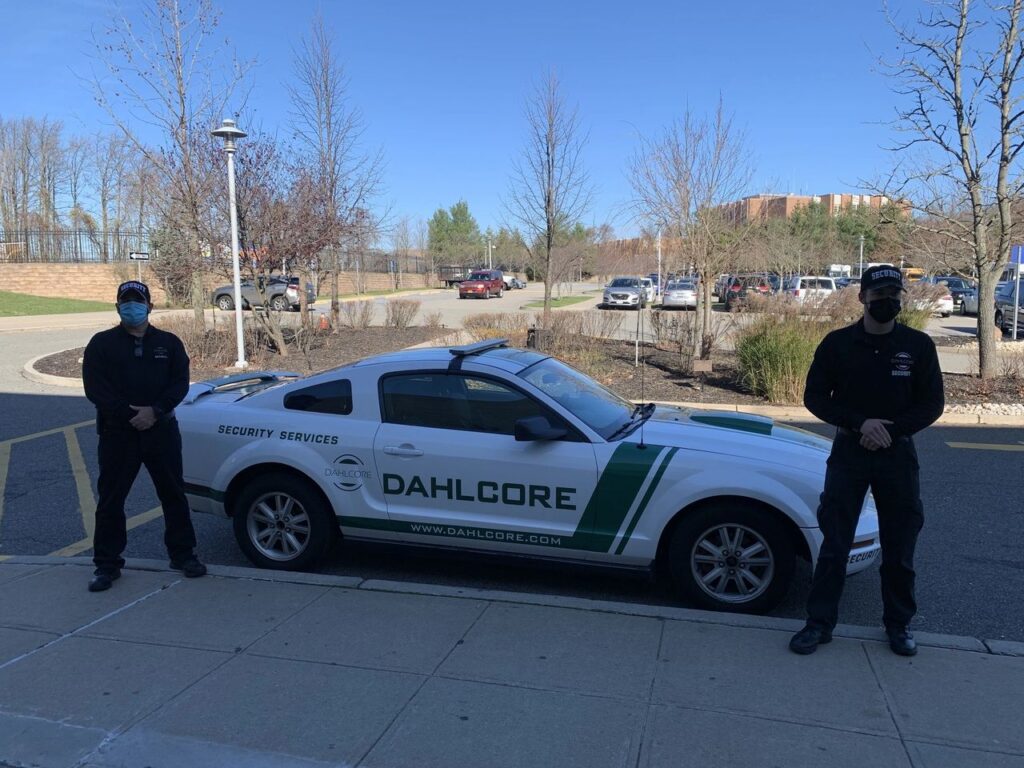
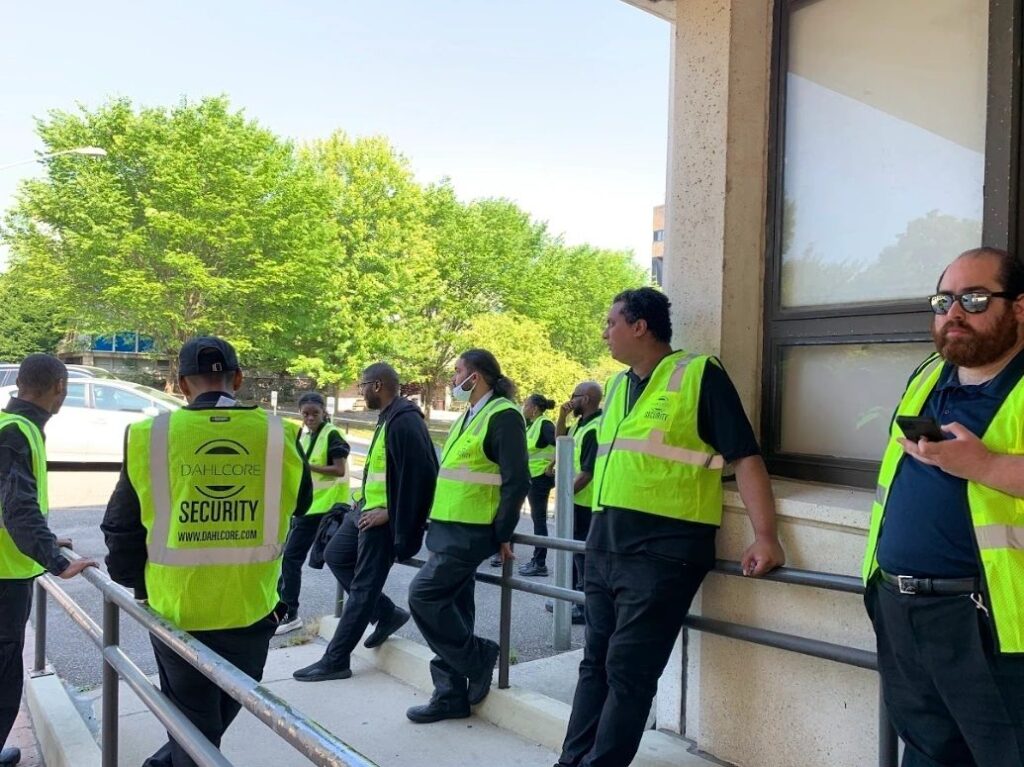
- Roles and Responsibilities: Security guards protect property, enforce rules, and deter criminal activity. Their presence is a visible deterrent to unauthorized and potentially harmful individuals. They conduct patrols, monitor surveillance equipment, and respond to alarms or incidents.
- Training Requirements: Security guards require proper training, which may include first aid, crisis management, surveillance techniques, and legal aspects of security work. Continuous training ensures they remain effective in their roles and up-to-date with the latest security practices.
Perimeter Security
- Fencing: Fencing acts as the first line of defense, creating a physical barrier that deters unauthorized entry. It should be designed to be challenging to climb, cut, or bypass.
- Lighting: Adequate lighting enhances visibility around a property’s perimeter, deterring intruders and assisting surveillance activities. It should cover all areas without leaving dark spots that could hide unauthorized activities.
- Surveillance Cameras: Cameras act as both a deterrent and a means of evidence collection. They should cover all angles of the property and be placed at strategic locations to monitor and record all activity.
Cybersecurity Measures
Network Security
- Firewalls: Firewalls serve as a barrier between trusted internal networks and untrusted external networks. They monitor and control incoming and outgoing network traffic based on predetermined security rules.
- Intrusion Detection Systems: These systems monitor network traffic for suspicious activity and known threats, alerting the security team to potential breaches. They help identify and stop attacks before they cause damage.
Data Encryption
- Secure Communication Protocols: These protocols, such as SSL/TLS, ensure that data transmitted over the internet is encrypted and secure from eavesdroppers and interceptors, safeguarding sensitive information during transmission.
- Endpoint Encryption: Encrypting data stored on endpoints (e.g., laptops and mobile devices) protects it from unauthorized access, especially if the device is lost or stolen.
Regular Software Updates and Patches
Keeping software and systems updated is crucial in protecting against vulnerabilities. Regular updates and patches fix security holes and improve the overall security posture of an organization.
Employee Training and Awareness
Security Policies and Procedures
- Access Control Policies: Employees should be familiar with access control policies, understanding who is allowed, where and when, and what actions to take if they observe breaches.
- Incident Reporting Procedures: Employees must know how to report security incidents immediately and efficiently, ensuring a quick organizational response to potential threats.
Phishing Awareness Training
- Identifying Suspicious Emails: Employees should be trained to recognize signs of phishing, such as unexpected attachments, suspicious links, or unusual sender addresses.
- Reporting Phishing Attempts: There should be clear procedures for reporting suspected phishing attempts, helping to prevent the spread of malware and the leakage of sensitive information.
Technological Solutions for Enhanced Security
Technology has significantly enhanced property security through advanced alarm systems, which now can detect intrusions using sophisticated sensors and alert homeowners in real time through mobile connectivity. Cybersecurity measures are critical in protecting digital interfaces and personal information from hackers, integrating seamlessly with home networks and smart devices to ensure a robust defense against cyber threats. Moreover, innovative technology enables remote monitoring and control, allowing for seamless integration of security systems that can be customized and adjusted from anywhere. This ensures a balance between technological advancements and human oversight in maintaining property security.

Policies and Procedures for Optimal Security
Developing clear policies and procedures lays the foundation for robust security measures within an organization. Implementation involves disseminating these protocols across all levels and departments, ensuring comprehensive understanding and adherence. Regular maintenance and updates are crucial to align security practices with evolving threats and industry standards, ensuring the continued effectiveness of the security framework.
Commercial Property Security: Best Practices for Protection
Assessing risks involves identifying potential threats to your organization’s assets, such as data breaches or physical intrusions, and evaluating the likelihood and impact of each threat. Planning security measures entails developing strategies and implementing controls to mitigate identified risks, which may include implementing firewalls, encryption protocols, access controls, and physical security measures. Conducting regular audits involves periodically reviewing and testing the effectiveness of security measures, identifying any weaknesses or vulnerabilities, and making necessary adjustments to maintain a strong security posture.
Innovations in Commercial Property Security
Staying updated with the latest security innovations is crucial in today’s rapidly evolving threat landscape. New trends and technologies such as artificial intelligence, machine learning, and blockchain are revolutionizing the way we approach security. Implementing these advancements responsibly and effectively requires a deep understanding of both their capabilities and limitations, as well as a commitment to staying informed about emerging threats and best practices.
Collaborating with Law Enforcement and Community
Partnering with local law enforcement agencies can provide access to valuable resources and expertise in crime prevention and response. By working together, communities can develop tailored strategies to address specific safety concerns and effectively allocate resources to high-risk areas. Engaging with the community fosters trust and collaboration, leading to better communication and cooperation in preventing and addressing security threats.
Preparing for Emergencies and Crisis Situations
Developing comprehensive emergency plans involves identifying potential risks and hazards, such as natural disasters or security threats, and assessing their potential impact on your organization or community. Next, establish clear evacuation procedures, communication protocols, and designated crisis management teams to coordinate response efforts effectively. Regular training and drills are essential to ensure that everyone knows their roles and responsibilities during an emergency, ultimately increasing overall preparedness and resilience.
Emergency Preparedness
Emergency Response Plan
- Evacuation Procedures: Clear and practiced evacuation procedures ensure that employees can exit the premises quickly and safely in an emergency.
- Communication Protocols: Effective communication protocols are crucial during an emergency, ensuring that all employees receive timely and accurate information.
Crisis Management Team
- Roles and Responsibilities: Define the roles and responsibilities of the crisis management team members, ensuring a coordinated response to emergencies.
- Training and Drills: Regular exercise and drills prepare the team and employees for actual emergencies, improving response times and effectiveness.
Vendor and Visitor Management
- Background Checks for Vendors: Conducting background checks ensures that vendors and contractors meet the organization’s security standards.
- Visitor Registration and Badges: A system for registering visitors and issuing badges helps track who is in the building and restricts access to authorized areas.
- Escort Policies for Visitors: Requiring visitors to be escorted at all times within certain areas ensures they stay in sensitive and unrestricted zones.
Regular Security Audits and Assessments
- Physical Security Assessments: Regular assessments help identify vulnerabilities in the physical security infrastructure and suggest improvements.
- Cybersecurity Audits: Regular cybersecurity audits assess the effectiveness of an organization’s cybersecurity measures and identify areas for enhancement.
- Compliance with Industry Standards and Regulations: Ensuring compliance helps avoid legal issues and keeps the organization aligned with industry best practices.
Integration of Security Systems
- Centralized Monitoring and Control: A centralized security management system allows for the monitoring and control of various security systems from one location, improving response times and oversight.
- Integration of Physical and Cybersecurity Systems: Integrating these systems ensures a comprehensive security posture, allowing for quicker detection and response to all types of threats.
- Automation for Rapid Response to Security Incidents: Automating responses to specific security incidents can reduce the time between detection and response, minimizing potential damage.
FAQs
What is the first step in developing a commercial property security plan?
The first step is conducting a comprehensive risk assessment to identify potential security threats and vulnerabilities specific to the property.
How can technology enhance commercial property security?
Technology, such as surveillance cameras and access control systems, can significantly enhance security by monitoring and controlling access to the property.
Why is staff training important in commercial property security?
Staff training is crucial because well-informed and trained employees can effectively respond to security incidents and prevent potential threats.
How often should security systems be updated or reviewed?
Security systems should be reviewed and updated regularly, at least once a year, to ensure they meet current security standards and address new threats.
What role do policies and procedures play in commercial property security?
Policies and procedures establish clear guidelines for security practices and behavior, ensuring consistent and effective implementation of security measures.
How can commercial properties prepare for emergencies?
Commercial properties should prepare for emergencies by developing and practicing clear evacuation and emergency response plans.
Conclusion and Future Directions
To ensure the safety and integrity of commercial properties, it’s crucial to embrace a culture of continuous improvement in security practices. This proactive approach involves regularly updating and reviewing security measures to anticipate and mitigate potential threats before they arise rather than responding after an incident occurs. By fostering an environment of ongoing vigilance and adaptation, businesses can protect their assets more effectively and maintain a secure atmosphere for employees and customers alike.
Check other blogs
Security Guards’ Impact on Modern Loss Prevention: Case Studies
How to Get a Security Guard Card (Step-by-Step)
The Unseen Benefits of Constant Surveillance on Construction Site
