

Updated Date: March 19, 2026
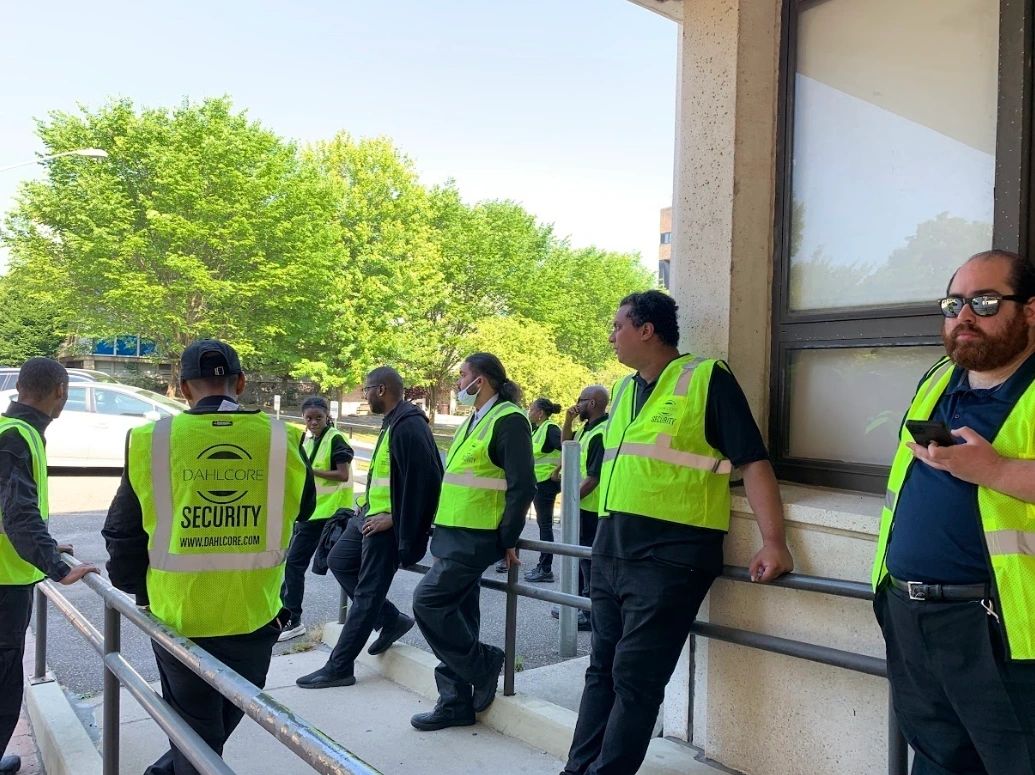
Security officers protect people, property, and information by controlling access, patrolling, responding to emergencies, documenting incidents, and serving as a visible deterrent while practicing de‑escalation and customer service in varied settings like offices, hospitals, retail, and events. Their core responsibilities include risk awareness, credential checks, surveillance, crisis response, report writing, and enforcing safety protocols in coordination with management and first responders.
Duties and Responsibilities of Security Officers
Security officers safeguard people, property, and assets through layered tasks that include access control, patrols, surveillance, emergency response, documentation, and visible deterrence across public and private sites. The role combines safety vigilance with service, requiring strong observation, communication, and teamwork with site management and first responders to reduce risk and keep operations smooth.
Access Control and Credentialing
Access control is a cornerstone: officers verify IDs, authenticate badges, manage visitor logs, and oversee entry points to prevent unauthorized access and tailgating at doors and gates. Credentialing also includes escorting vendors, issuing temporary passes, and ensuring restricted areas remain secure while maintaining a welcoming, professional front desk or gatehouse presence.
Patrols and Surveillance
Regular patrols—on foot or in vehicles—deter misconduct, uncover hazards, and confirm that doors, windows, and critical areas are secure while maintaining situational awareness of patterns and anomalies. Surveillance can involve monitoring cameras, checking alarm panels, and verifying perimeter integrity to catch issues early and to document conditions before and after incidents.
Emergency and Incident Response
Officers respond to medical events, fires, alarms, disturbances, and security breaches, stabilizing the scene, guiding evacuations, and coordinating with emergency services as needed. Quick, calm action and clear communication help protect people and property until specialized responders arrive, followed by scene preservation and documentation for follow‑up.
Observation, Reporting, and Documentation
Accurate daily activity logs and incident reports are core deliverables that turn observations into actionable records for management and investigations. Good reports are factual, time‑stamped, and complete, often including who, what, when, where, why (if known), and how, with any evidence secured properly.
Visibility and Deterrence
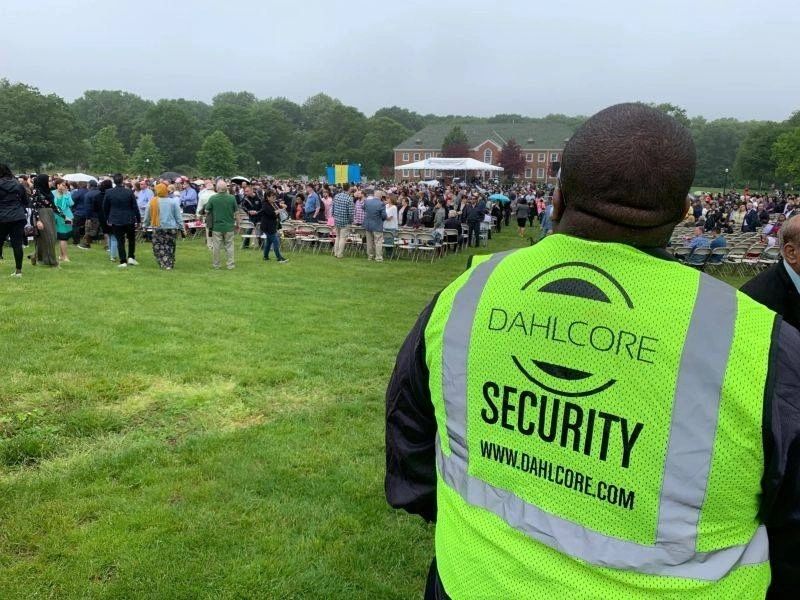
A visible, alert presence discourages misconduct and reassures staff and visitors, making officers an active deterrent to theft, vandalism, and disorder. Professional appearance, confident posture, and routine yet unpredictable patrol patterns increase perceived risk for would‑be offenders.
De‑escalation and Customer Service
Modern security emphasizes calm, respectful engagement—listening, setting boundaries, and offering alternatives to reduce tensions before they become incidents. Friendly assistance—directions, escorts, and basic help—improves safety culture and community trust without compromising vigilance.
Enforcing Safety and Security Protocols
Officers help enforce policies like badge display, no‑smoking zones, PPE use in certain sites, and after‑hours rules while reporting hazards and near misses to supervisors. Participation in drills and briefings strengthens readiness and ensures protocol alignment with site‑specific risks and regulations.
Industry‑Specific Duties
Assignments differ by environment: in healthcare, officers assist with patient watch, visitor screening, and de‑escalation; in retail, they focus on loss prevention and customer safety. Corporate sites emphasize access control, visitor management, and executive protection procedures, while construction sites prioritize perimeter control and asset protection.
Technology in 2026 Security
Security teams use CCTV, access control software, radios, and mobile reporting tools to speed response, capture evidence, and improve coverage across large facilities. Integrated systems help officers verify credentials, track patrols, and document events in real time for stronger accountability and analytics.
Training and Certifications
Training builds core skills—observation, communication, emergency response, and ethical conduct—while site orientations tailor knowledge to unique risks and procedures. Ongoing development in de‑escalation, report writing, and technology keeps officers effective and prepared for evolving threats and customer expectations.
KPIs and Performance
Useful KPIs include response times to alarms, patrol adherence, incident closure quality, and accuracy of reports, aligning daily work to risk reduction goals. Supervisors use these metrics to refine post orders, staffing, and training, driving continuous improvement across the security program.
Post Orders and SOPs
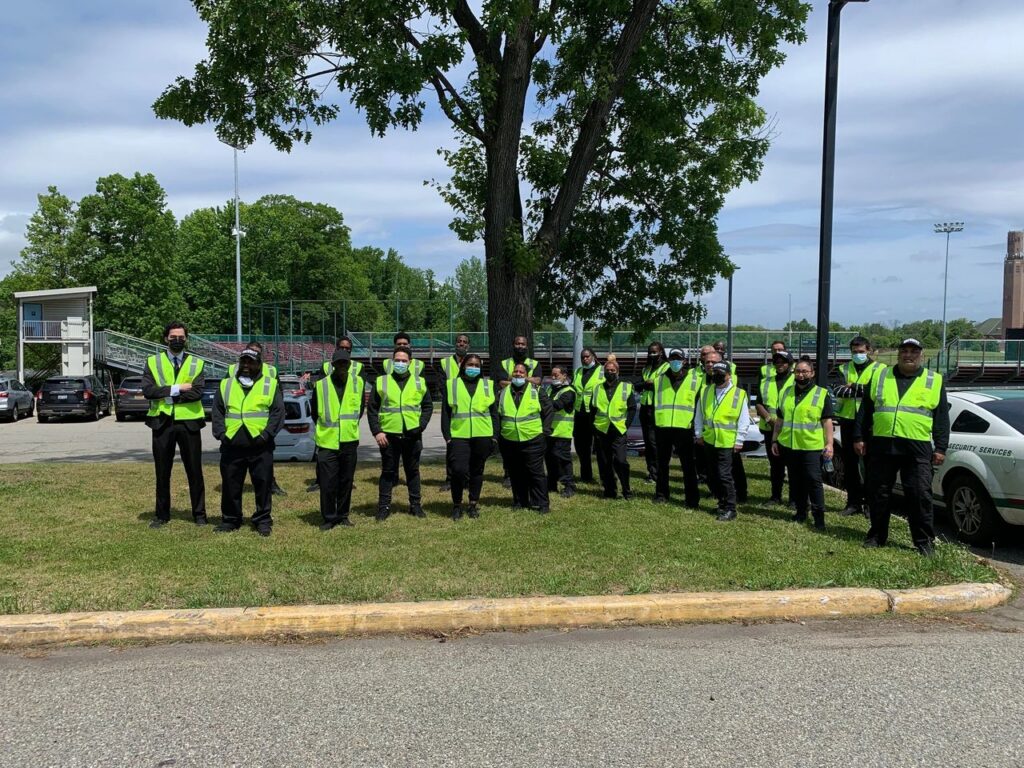
Clear post orders define daily tasks, priority areas, escalation paths, and emergency procedures so officers know the standard and how to act under pressure. Good shift handoffs include key updates, equipment status, and any watch‑outs, ensuring continuity between teams and time blocks.
How to Prepare for a Shift
Arrive early to review post orders, recent incidents, and site alerts, then inspect radios, keys, and PPE to ensure readiness. Plan a patrol route, confirm access lists and visitor schedules, and test communications so that the first hour sets a steady, proactive pace.
Comparison: Security Officers vs Law Enforcement
Security Officers
- Primary mission: Protect specific people, property, and operations at a defined site
- Authority scope: Private property rules and company policies; observe and report; coordinate with police
- Daily focus: Access control, patrols, reporting, customer service, and deterrence
Law Enforcement
- Primary mission: Enforce laws and public safety in a jurisdiction
- Authority scope: Statutory authority to investigate crimes and arrest in the community
- Daily focus: Crime response, investigation, public order, and community policing
FAQs on the duties and responsibilities of security officers
What are the most important duties and responsibilities of security officers?
Protect people and assets through access control, patrols, emergency response, reporting, and a visible deterrent presence.
How do the duties and responsibilities of security officers change by industry?
Healthcare and campuses emphasize de‑escalation and visitor screening, retail prioritizes loss prevention, and corporate sites focus on credentialing and executive procedures.
What reports do the duties and responsibilities of security officers include?
Daily activity logs and incident reports with times, actions taken, and outcomes, plus any evidence handling and notifications.
Which skills support the duties and responsibilities of security officers?
Observation, communication, de‑escalation, basic first aid awareness, and accurate documentation with technology tools.
How does technology improve the duties and responsibilities of security officers?
CCTV, access systems, radios, and mobile reporting improve detection, coordination, and documentation in real time.
What training supports the duties and responsibilities of security officers?
Training in emergency response, customer service, report writing, and ethics with site orientation for unique risks and SOPs.
Conclusion
Security officers deliver layered protection by controlling access, patrolling and monitoring, de‑escalating issues, responding to emergencies, and documenting events to strengthen safety culture and operations. The role blends vigilance and service, adapting to industry needs and 2026 tools to keep people and property safe every shift. Book a consultation to design post orders and training tailored to your site’s risks and workflows.
Check other blogs
How to Defuse a Heated and Potentially Dangerous Confrontation
10 Duties of Apartment Security Guards: Ensuring Safety and Order
Top 5 Businesses That Must Have Security Guard Protection
How Do Police Get into Gated Communities? 5 Ways Emergency Access
