

Hospital security planning and procedures are critical components of emergency preparedness for patients, staff, and visitors. In this article, we’ll look at the value of hospital security planning; the process of conducting risk evaluation; components of an effective security plan, and emergency procedures development. In addition, training drills for hospital staff, coordinating with local authorities for collaboration purposes, and reviewing security plans regularly will also be covered here.
Why are Hospital Security Planning and Procedures Important?
Protecting Patients and Staff
Patients and staff in hospitals are exposed to numerous hazards, from natural disasters and terrorist attacks to criminal activities and theft. Protecting them during emergencies should always be top of mind for healthcare institutions.
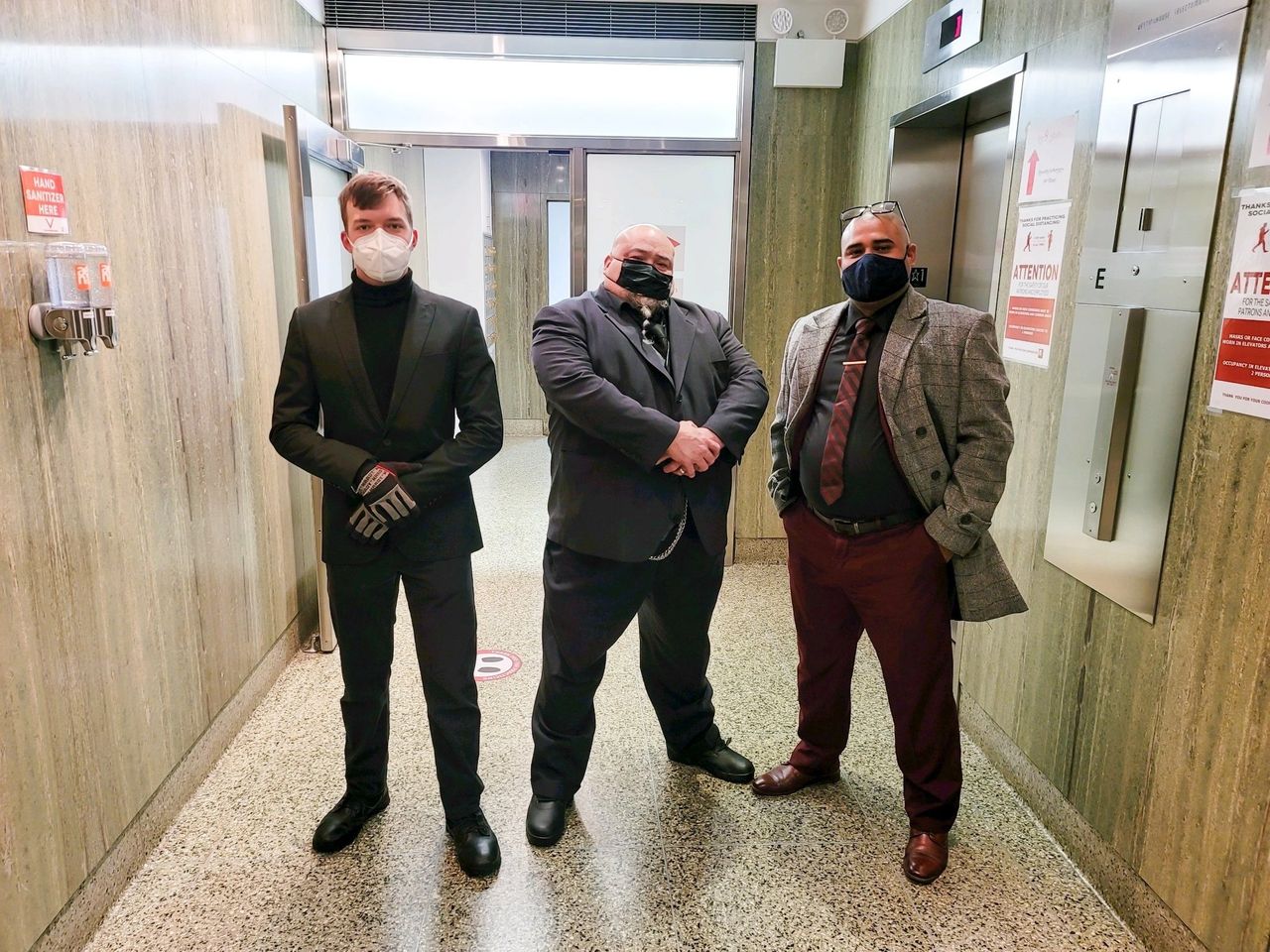
Are you seeking peace of mind and uncompromised safety for your business or event in the bustling heart of NYC? Look no further! Our top-tier Security Guard services are tailored to meet your needs, providing a reassuring presence that safeguards your premises and assets. With a team of highly trained professionals, we prioritize vigilance, professionalism, and rapid response, ensuring a secure environment that you can trust. Don’t leave your security to chance – choose the leading Security Guard Companies In NYC and experience the confidence of comprehensive protection. Contact us now and let us fortify your peace of mind.
Ensuring Continuity of Care
Effective security planning protects lives and ensures hospitals maintain essential services during emergencies and continue providing treatment, ensuring patients get what they need, even under challenging circumstances.
Compliance with Regulations
Hospitals must abide by federal, state, and local emergency preparedness and security regulations. With proper planning and procedures in place, they can quickly meet these regulations without risking potential penalties.
Risk Assessment in Hospital Security Planning
Identifying Potential Threats
As part of creating a hospital security plan, the first step should be identifying potential threats, including natural disasters, terrorism, active shooter scenarios, or any other emergency that arises.
Analyzing Vulnerabilities
Hospitals should assess their vulnerabilities to potential threats by reviewing the facility layout, security measures already in place, and staff preparedness for emergencies.
Prioritizing Risks
After identifying potential threats and analyzing vulnerabilities, hospitals must prioritize risks. This helps them allocate resources effectively and focus on the most significant hazards.
Components of an Effective Hospital Security Plan
Access Control
Controlling access to the hospital premises is a critical component of security planning. This can include implementing identification systems, restricting access to certain areas, and using security personnel to monitor entrances and exits.
Surveillance Systems
Surveillance systems such as CCTV cameras help hospitals monitor activity within and provide essential information during an emergency. Furthermore, surveillance can act as a deterrent against potential criminals.
Security Personnel
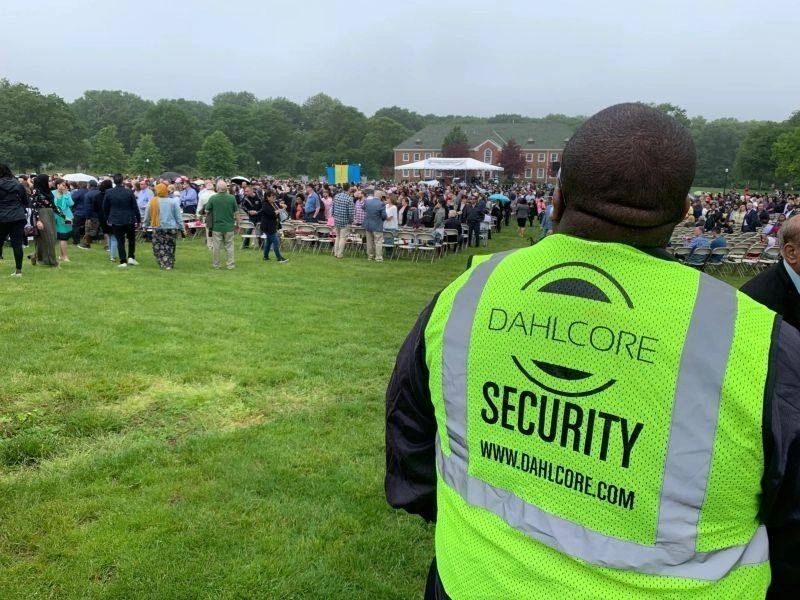
Security personnel plays an essential role in keeping hospitals safe environments. They respond to incidents quickly, enforce access control measures effectively, and offer assistance during emergencies.
Communication and Coordination
Effective communication and coordination among hospital staff, security personnel, and local authorities are crucial during emergencies. This includes having a clear communication plan, designated roles and responsibilities, and a reliable communication system.
Emergency Response Plans
Having well-defined emergency response plans in place is essential for managing emergencies efficiently. These plans should cover different scenarios, including natural disasters, active shooter incidents, and other hospital operations emergencies.
Developing Hospital Emergency Procedures
Evacuation Plans
Evacuation plans provide guidelines to facilitate a smooth and safe evacuation for patients, staff, and visitors during emergencies. Such programs must include designated evacuation routes, assembly points, and procedures for helping patients with mobility issues.
Lockdown Procedures
Lockdown procedures should be implemented whenever it is safer to remain inside a hospital, such as during an active shooter incident. Such protocols should include instructions for locking doors, windows, and other access points and providing guidance for staff and patients during a lockdown situation.
Shelter-in-Place Procedures
Shelter-in-place procedures should be utilized when it is safest for patients and staff to remain inside a hospital during emergencies such as hazardous materials. Such measures must include guidelines on securing the facility while ensuring enough supplies and resources are available to occupants during an emergency.
Incident Command System
An incident command system (ICS) provides a structured approach to managing emergencies. This system designates roles and responsibilities for emergency response teams and ensures effective coordination and communication during an incident.
Training and Drills for Hospital Staff
Regular training and drills help hospital staff become familiar with emergency procedures and improve their ability to respond to emergencies effectively. This can include training on evacuation, lockdown, shelter-in-place procedures, and specific training for designated roles within the incident command system.
Cooperation with Local Authorities
Hospitals should coordinate emergency response efforts with local authorities such as law enforcement, fire departments, and emergency management agencies to ensure seamless responses during emergencies and enhance security planning and procedures. By doing this, hospitals can help ensure seamless reactions during distress and improve the overall effectiveness of security planning procedures.

Regular Review and Updates of Security Plans and Procedures
Hospital security plans and procedures should be regularly checked and updated to address any changes in the threat landscape or the hospital’s vulnerabilities. This can help ensure the hospital remains prepared for emergencies and responds effectively when needed.
Conclusion
Preparedness is at the forefront of hospital security planning and procedures. By conducting a detailed risk analysis, implementing adequate security measures, and creating comprehensive emergency response plans, hospitals can help to ensure patient, staff, and visitor safety during emergencies. Regular training, collaboration with local authorities, review updates of security plans/procedures, and revision updates are vital in creating and maintaining secure environments within healthcare institutions.
Click here to learn more .Protecting Guests from Cyber Threats in Hotels
FAQs
Q1. What is the purpose of hospital security planning and procedures?
Hospital security plans and procedures aim to protect patients, staff, and visitors during emergencies while maintaining continuity of care and adhering to relevant regulations.
Q2. What should be included in a hospital security plan?
A hospital security plan should include access control measures, surveillance systems, security personnel, communication and coordination protocols, and emergency response plans.
Q3. Why is it important to conduct risk assessments in hospital security planning?
Risk assessments help hospitals identify potential threats, analyze vulnerabilities, and prioritize risks. This information is crucial for developing effective security measures and allocating resources efficiently.
Q4. How can hospitals prepare for emergencies?
Hospitals can prepare for emergencies by developing detailed emergency procedures, training staff on these procedures, and regularly reviewing and updating their security plans and strategies.
Q5. Why is cooperation with local authorities essential for hospital security planning?
Cooperating with local authorities helps ensure a seamless response during emergencies and improves overall effectiveness.
Check other blogs
How Technology is Transforming Mall Security
Tips for Training Security Guards in High-Risk Construction Areas
Strategies for Protecting Construction Site from Liability Issues
