

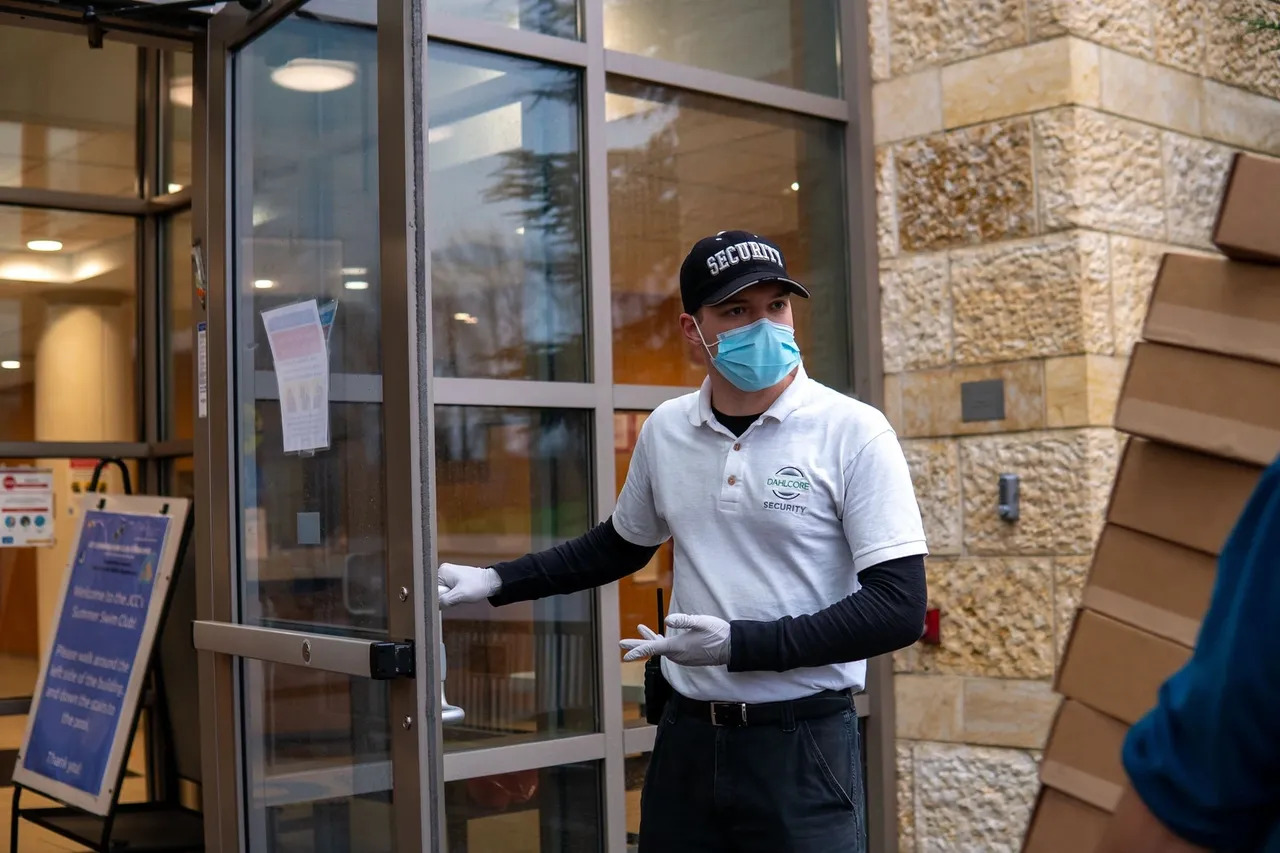
Professional Guard Services in Hospitals
In the dynamic and often unpredictable hospital environment, the presence of professional guard services plays a crucial role in maintaining safety and order. This introductory section will delve into the definition of these services, their historical background in healthcare settings, and their fundamental importance in ensuring a secure and safe environment for both patients and staff.
Defining the Role and Importance
Professional guard services in hospitals extend beyond physical safety to encompass a comprehensive range of duties, such as proactively managing potential risks, swiftly responding to emergencies, and cultivating an atmosphere that fosters a secure and inviting setting for both patients and visitors. These multifaceted responsibilities are crucial in upholding the hospital’s commitment to patient care, ensuring that individuals feel protected and supported during their healthcare journeys while minimizing potential hazards and disruptions.
Brief History of Security Services in Healthcare
The evolution of security services in hospitals has been a dynamic response to the evolving needs and challenges of healthcare institutions. Initially, hospitals relied on basic security measures such as locks and keys. Still, over time, they have transitioned to more advanced and technology-integrated solutions like access control systems, surveillance cameras, and electronic health records (EHR) security protocols. This transformation not only ensures the physical safety of patients and staff but also addresses the growing concerns related to patient data privacy and cybersecurity threats, aligning hospital security with the broader landscape of healthcare advancements and challenges.
The Impact of Professional Guard Services on Hospital Safety
The core focus of this article is that this section will delve into how professional guard services directly influence hospital safety. It will cover aspects such as patient safety, protection of hospital assets, and the overall impact on the healthcare environment.
Enhancing Patient Safety
Professional guard services are essential in healthcare settings to enhance patient safety by providing a visible and reassuring presence. These trained security personnel help deter potential threats, manage access control, and respond swiftly to emergencies, ensuring a secure environment where patients can receive care without fear or disruption.
Protecting Hospital Assets and Infrastructure
In addition to ensuring patient safety, guard services play a critical role in safeguarding the physical assets and infrastructure of a hospital. This includes protecting valuable medical equipment from theft or damage, securing pharmaceuticals to prevent unauthorized access, and maintaining the confidentiality of patient records to adhere to healthcare privacy regulations.
Risk Management and Mitigation
In the context of hospital safety, risk management is a critical function of professional guard services. This section will explore the various risks faced by hospitals, including potential threats such as violence, theft, and other security breaches, and how guard services work to mitigate these risks.
Identifying Potential Threats in Hospital Settings
Hospitals indeed present distinct security challenges due to the combination of open accessibility for patients and visitors, valuable medical equipment and pharmaceuticals, and the need to protect patient privacy. Identifying potential threats in hospital settings involves a comprehensive approach that includes monitoring access points, implementing visitor screening protocols, safeguarding sensitive patient information, and training staff to recognize and respond to security threats effectively.
Strategies Employed by Guard Services to Mitigate Risks
Guard services employ various strategies to mitigate risks once they are identified. Firstly, they often establish comprehensive security protocols, including access control measures, surveillance systems, and alarm systems, to deter and detect potential threats. Secondly, they invest in ongoing training and development for their security personnel to ensure they are well-prepared to respond to emergencies and address security risks effectively.
Guard Services as a Deterrent to Crime
The presence of guard services in hospitals serves as a powerful deterrent to criminal activities. This section will present statistical evidence and case studies demonstrating how the implementation of professional guard services has led to a reduction in incidents of theft, violence, and other crimes in hospital settings.
Statistical Evidence of Reduced Incidents
Statistical evidence indicates a notable decrease in the number of reported incidents, suggesting that adequate measures and interventions have been implemented to mitigate potential risks and improve safety. This reduction underscores the success of these efforts in achieving a safer environment or system, offering valuable insights into their impact and effectiveness.

Case Studies: Before and After Implementing Guard Services
Real-world examples and case studies are invaluable in understanding the impact of guard services.
Case Study 1:
In a large urban hospital, the implementation of professional guard services led to a significant reduction in incidents of theft, violence, and other crimes. Prior to their presence, the hospital experienced frequent theft of medical equipment and personal belongings from both patients and staff, as well as occasional incidents of verbal and physical violence. After hiring trained security personnel, the hospital saw a 30% decrease in reported thefts and a 20% reduction in violent altercations within the first six months, creating a safer and more secure environment for patients and staff.
Case Study 2:
A suburban healthcare facility faced similar security challenges before investing in professional guard services. Prior to their introduction, the facility had experienced multiple instances of unauthorized access to restricted areas, drug thefts from the pharmacy, and even occasional assaults on staff members. After contracting with a reputable security firm, the facility observed a 40% decline in unauthorized access incidents, a 25% decrease in drug thefts, and a significant drop in assaults, resulting in a noticeable improvement in overall safety and a higher level of confidence among both patients and employees in the hospital’s security measures.
Emergency Response and Crisis Management
In emergencies, the role of guard services becomes even more critical. This section will discuss how guards are trained and prepared to respond to emergencies, including their coordination with local law enforcement and emergency services.
Guards’ Role in Emergency Situations
Guards play a critical role in emergencies as they are typically the first line of defense and response. They are trained to assess and react swiftly to various emergencies, ensuring the safety and well-being of people and property. Whether it’s providing immediate medical assistance, coordinating evacuation procedures during a security threat, or implementing emergency protocols during a natural disaster, guards are essential in minimizing harm and maintaining order in crises.
Coordination with Local Law Enforcement and Emergency Services
Effective emergency response relies on close collaboration and coordination with local law enforcement and emergency services. This partnership ensures that resources are allocated efficiently, communication is seamless, and response efforts are well-organized, ultimately enhancing the overall effectiveness of emergency management in safeguarding communities and minimizing the impact of disasters.
Patient and Staff Perception of Safety
The subjective feeling of safety among patients and staff is just as important as the objective measures of security. This section will delve into how the presence of guard services influences the perception of safety in a hospital setting based on surveys and feedback.
Surveys and Feedback on Security Presence
Surveys and feedback on security presence play a crucial role in evaluating the effectiveness of security measures within an organization or a public space. These assessments allow stakeholders to gather valuable insights from employees, visitors, or the general public to ensure that security protocols are adequate, address potential vulnerabilities, and enhance overall safety.
Impact on Staff Performance and Patient Recovery
When staff members feel safe and secure in their work environment, they are more likely to exhibit higher levels of job satisfaction, engagement, and productivity. This, in turn, leads to improved staff performance as they can focus better on their tasks, provide better patient care, and reduce the likelihood of burnout, ultimately benefiting the overall healthcare system.
Additionally, patients who feel safe and secure in a healthcare setting are more likely to experience reduced stress and anxiety, which can positively impact their recovery process. This supportive atmosphere can foster trust in the healthcare team, enhance communication, and contribute to better treatment outcomes, ultimately promoting patient recovery.
Training and Expertise of Professional Guards
The effectiveness of guard services is mainly dependent on the training and expertise of the guards themselves. This section will delve into the requirements and standards for professional guards in hospital settings, including the skills and certifications necessary for the role.
Required Skills and Certifications
Professional guards in hospitals should have strong communication and interpersonal skills to interact with patients, visitors, and hospital staff effectively. Additionally, they should be certified in basic first aid and CPR to respond quickly in emergencies and ensure the safety and well-being of everyone in the hospital environment.
Ongoing Training and Professional Development
Ongoing training and professional development are crucial for individuals to stay relevant and competitive in today’s rapidly evolving job market. It allows professionals to continually acquire new skills, update existing knowledge, and adapt to changing industry trends, ultimately enhancing their career prospects and contributing to the growth and success of their organizations.
Ethical Considerations in Hospital Security
Balancing safety with ethical considerations, such as patient privacy, is a delicate aspect of hospital security. This section will explore the ethical dilemmas faced by guards and how they navigate these challenges to maintain a secure yet respectful environment.
Balancing Safety and Patient Privacy
Balancing safety and patient privacy is a critical challenge in the healthcare industry, as healthcare providers must ensure the well-being of their patients while safeguarding sensitive medical information. Achieving this equilibrium involves implementing robust security measures, such as secure data storage and access controls, alongside strict adherence to privacy regulations like HIPAA, to protect patient confidentiality and maintain trust in the healthcare system.
Ethical Dilemmas Faced by Guards
Security guards frequently encounter situations that demand rapid ethical decision-making, requiring them to balance the safety and well-being of individuals and property with ethical considerations. These scenarios involve addressing potential threats, diffusing conflicts, or deciding whether to intervene in incidents, emphasizing the importance of their ability to navigate ethically complex situations under pressure.
Cost-Benefit Analysis of Guard Services
Implementing professional guard services in hospitals involves financial considerations. This section will provide a comprehensive cost-benefit analysis, examining both the direct and indirect financial implications for healthcare institutions and the return on investment from security measures.
Financial Implications for Healthcare Institutions
Financial implications for healthcare institutions can be significant, as they often face the challenge of balancing the cost of providing quality healthcare services with the need to generate revenue. Factors such as increasing healthcare expenses, changing reimbursement models, and the demand for advanced medical technologies can strain a healthcare institution’s financial resources, making effective financial management and strategic planning crucial for their sustainability and ability to continue delivering essential care to patients.
Return on Investment Analysis
Evaluating the long-term financial benefits of professional guard services extends beyond the initial expenditures, as it encompasses factors such as risk mitigation and asset protection. Over time, the presence of trained guards can reduce the likelihood of security breaches, theft, or vandalism, ultimately leading to cost savings through lowered insurance premiums and preserved business reputation.
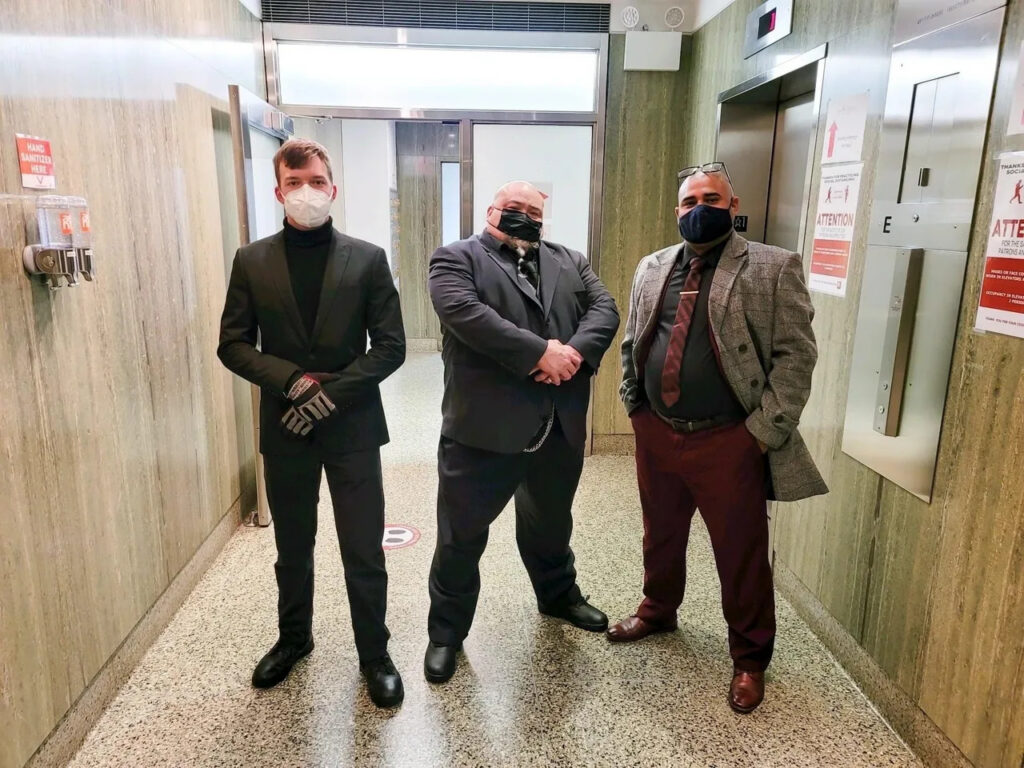
Challenges Faced by Guard Services in Hospitals
Despite their critical role, guard services in hospitals face unique challenges. This section will delve into these challenges, discussing how guards navigate complex situations and maintain security in a sensitive and dynamic environment.
Dealing with Difficult Situations and Individuals
Hospitals can indeed be high-stress environments where guards frequently encounter challenging situations and individuals. These professionals play a crucial role in maintaining safety and order within healthcare facilities, often having to defuse tense situations, manage unruly patients or visitors, and ensure the security of valuable medical equipment and sensitive patient information.
Maintaining Security in a Sensitive Environment
Balancing the need for security with the sensitive nature of healthcare settings is indeed a delicate task. On one hand, stringent security measures are essential to protect patients’ confidential medical records and ensure the safety of healthcare facilities from potential threats. However, it is equally important to strike a balance that doesn’t impede the efficient delivery of care or compromise patients’ trust and privacy, as overly intrusive security measures can create a barrier to the provision of compassionate and effective healthcare services.
Legal and Regulatory Compliance
Adhering to legal and regulatory standards is a critical aspect of hospital security. This section will cover the legal requirements and compliance issues related to security services in healthcare settings.
Understanding Healthcare Security Regulations
The legal framework governing hospital security in the United States primarily consists of a combination of federal and state regulations, as well as industry standards. Federal laws such as the Health Insurance Portability and Accountability Act (HIPAA) establish guidelines for safeguarding patient information. At the same time, agencies like the Centers for Medicare & Medicaid Services (CMS) impose requirements on healthcare facilities to ensure patient safety and security.
Additionally, industry standards, such as those set forth by the International Association for Healthcare Security and Safety (IAHSS), guide the practices of guard services in healthcare settings, helping hospitals maintain a safe and secure environment for both patients and staff.
Adhering to Legal Requirements and Standards
Ensuring compliance with legal and regulatory requirements is paramount in the realm of guard services, as it not only safeguards the rights and safety of individuals and properties but also upholds the integrity and reputation of the security industry. Failing to adhere to these non-negotiable standards can lead to severe legal consequences, compromise the trust of clients, and ultimately jeopardize the effectiveness of security operations.
FAQs: Answering Common Questions about Hospital Guard Services
What qualifications do hospital guards typically have?
Hospital guards are usually required to have security training and certifications in first aid and crisis management and often undergo background checks and specialized training tailored to healthcare environments.
How do guard services handle patient privacy and confidentiality?
Guards are trained to respect patient privacy, adhering to HIPAA and other privacy laws, ensuring that they maintain confidentiality while performing their security duties.
What measures are in place to ensure guards respond effectively in emergencies?
Guards receive regular training in emergency response, including coordination with local authorities and hospital staff, to ensure swift and effective action during critical situations.
How does the presence of guards impact patient care and recovery?
The presence of guards contributes to a secure environment, which can enhance patient recovery by reducing stress and ensuring a safe, calm atmosphere in the hospital.
Are hospital guard services coordinated with local law enforcement?
Yes, hospital guard services often work closely with local law enforcement to handle emergencies, share information, and ensure comprehensive security coverage.
How do hospitals assess the effectiveness of their guard services?
Hospitals typically use a combination of incident reports, staff and patient feedback, and performance evaluations to assess the effectiveness and impact of their guard services.
Conclusion and Future Outlook
Wrapping up the article, this concluding section will summarize the key insights and takeaways from the discussion. It will also offer predictions and perspectives on the future of hospital security, considering potential advancements and evolving challenges in the field.
Check other blogs
Marijuana Dispensary Security Systems: Ultimate Guide
The Top Threats to Hospital Security and How to Mitigate Them
Balancing Discretion and Security in Cannabis Retail
The Role of Bodyguards in Celebrity Life
