

The foundation of a successful construction project is not only based on effective planning and execution but also on the robustness of its security measures. In long-term construction projects, where the timeframe extends over months or even years, security becomes a paramount concern. The implications of inadequate security measures are vast, ranging from theft and vandalism to severe safety hazards. This introduction will delve into the importance of security in construction, highlighting the unique challenges faced by long-term projects and setting the stage for the comprehensive security strategies outlined in this article.
Security Measures for Long-Term Construction Projects
Crafting an effective security strategy for a construction project begins with a comprehensive assessment of potential risks, considering factors like site location, project scope, and possible threats. Tailoring security measures such as installing fences, robust locks, and adequate lighting is crucial to mitigate both internal and external risks, safeguarding personnel and valuable materials. Implementing a multi-layered security approach enhances overall project resilience and minimizes the likelihood of security breaches, ensuring smooth project execution.
Risk Assessment
Identification of potential security risks:
Identifying potential security risks is crucial for any construction site. This process involves:
- Surveying the site for inherent dangers like heavy machinery, open pits, or toxic materials.
- Assessing the likelihood of external threats, including theft, vandalism, and unauthorized access.
- Evaluating environmental risks, such as floods, earthquakes, or severe weather conditions.
- Understanding the risk posed by human factors, including errors or malicious acts by employees or contractors.
Evaluation of vulnerabilities in the construction site:
Evaluating vulnerabilities requires a comprehensive approach, considering:
- The physical layout of the site identifies areas that are particularly exposed or hard to monitor.
- The current state of security measures and their effectiveness.
- The reliability and maintenance of construction equipment and machinery.
- The security awareness and preparedness of the workforce.

Technological Innovations in Site Security
In the modern era, construction site security relies heavily on advanced technological solutions such as CCTV cameras, motion detectors, and access control systems to ensure comprehensive monitoring and control. These systems enable real-time surveillance, allowing site managers to respond to any suspicious activities or breaches promptly. By integrating these technologies into the overall security plan, construction sites can significantly enhance safety, minimize theft, and mitigate potential risks, thereby ensuring smoother project operations.
Human Aspect of Security
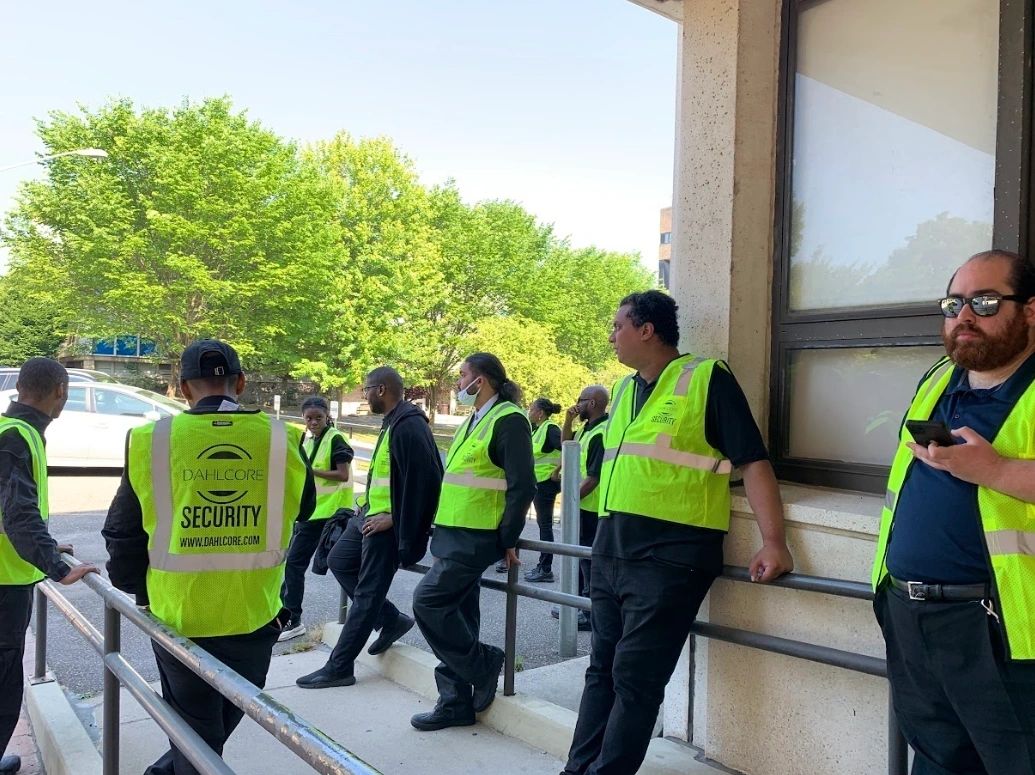
In any security strategy, the human element is indispensable; technology alone cannot ensure comprehensive protection. Trained security personnel play a pivotal role in maintaining a visible presence that deters potential threats and promptly responds to incidents. Moreover, fostering collaboration with the local community and law enforcement establishes a network of support, enabling effective communication and sharing of information to bolster security measures.
Personnel Security Measures
Access control:
- Restricted access to authorized personnel only: Implementing policies to ensure that only authorized individuals can enter certain areas.
- Identification badges: All personnel are required to wear identification badges to help distinguish authorized individuals.
Security personnel:
- Hiring security guards: Employing trained security guards to monitor the site and respond to incidents.
- Patrols and monitoring: Regular patrols and continuous monitoring are conducted to maintain a secure environment.
Cybersecurity Measures
Protection of digital assets:
- Secure network infrastructure: Establishing a secure network infrastructure to protect data and communication.
- Firewall and antivirus software: Installing firewall and antivirus software to defend against malware and cyber threats.
Data encryption:
- Secure transmission of sensitive information: Encrypting data transmissions to prevent interception and ensure confidentiality.
- Protection against cyberattacks: Implementing robust encryption protocols to safeguard data against cyberattacks.

Emergency Response Planning
Development of contingency plans:
- Response to natural disasters: Creating specific plans to deal with various natural disasters, such as floods, earthquakes, or storms.
- Procedures for security breaches: Establish protocols for responding to a security breach, including lockdowns and evacuations.
Training of personnel:
- Emergency response drills: Conducting regular drills to prepare personnel for emergencies.
- First aid training: Providing first aid training to employees to ensure immediate assistance in case of accidents.
Legal and Regulatory Considerations
Ensuring compliance with local laws is paramount in any construction project, encompassing various security measures mandated by governmental regulations. Adhering to these regulations not only mitigates legal risks but also fosters a safe working environment for all stakeholders involved. Furthermore, understanding insurance and liability aspects is crucial for project managers to effectively navigate legal implications and responsibilities pertaining to construction site security, ultimately safeguarding both the project and its participants.
Environmental and External Factors
Mitigating external risks at construction sites involves implementing strategies tailored to weather conditions and local crime rates. Weather-related challenges can be addressed through proactive measures such as securing equipment and materials against damage from rain, wind, or extreme temperatures. Preventing theft and vandalism requires a combination of surveillance systems, perimeter fencing, and security personnel to deter intruders and safeguard valuable assets on-site.
Budgeting for Security in Construction Projects
Implementing comprehensive security measures at construction sites incurs expenses, but the investment is warranted by the safeguarding they provide against theft, vandalism, and accidents. Conducting a thorough cost-benefit analysis enables project managers to allocate funds effectively, ensuring optimal security within budget constraints. Proper budgeting for security not only protects valuable assets but also helps maintain project timelines and mitigate potential disruptions, ultimately contributing to the overall success of the construction project.
Collaboration with Local Authorities
Coordination with law enforcement agencies
Regular communication and coordination with local law enforcement are crucial for bolstering security measures and improving response times in various situations. By establishing strong relationships and sharing information effectively, organizations can ensure swift and efficient collaboration during emergencies or security threats.

Reporting of suspicious activities
To ensure a safe and secure environment, it’s imperative to instill a culture of vigilance among staff and security personnel, encouraging them to report any suspicious activities to law enforcement authorities promptly. By fostering open communication and emphasizing the importance of swift reporting, we enhance our ability to detect and address potential threats effectively, ultimately safeguarding the well-being of our community and organization.
Future Trends in Construction Site Security
Emerging technologies like drone surveillance and artificial intelligence are revolutionizing security measures on construction sites. Drones equipped with high-resolution cameras can provide real-time monitoring of large areas, enhancing situational awareness and detecting potential threats. Integrating artificial intelligence into security systems enables predictive analytics, allowing for proactive risk mitigation and ensuring the safety and security of construction sites in a rapidly evolving technological landscape.
Security Measures for Long-Term Construction Projects
In this final section, the article returns to the central theme, emphasizing the importance of regularly reviewing and updating security protocols. Long-term projects require ongoing vigilance and adaptation to new threats and challenges. Here, we’ll outline strategies for maintaining robust security measures throughout the project’s lifespan.
Frequently Asked Questions
What are the most effective security measures for long-term construction projects?
The most effective security measures combine planning, technological solutions like surveillance and access control systems, and the presence of trained security personnel. Regular risk assessments and community engagement also play crucial roles in maintaining site safety.
How can technology improve construction site security?
Technology, such as CCTV, motion detectors, and access control systems, enhances construction site security by providing real-time monitoring and controlling access to the site. It acts as both a deterrent and a means to quickly respond to incidents.
What role do security personnel play in maintaining site safety?
Security personnel are essential for enforcing the security measures in place, responding to incidents, and acting as a visible deterrent to trespassers and potential thieves. Their presence also provides reassurance to workers and management alike.
How should a construction project manager handle legal and regulatory security requirements?
A construction project manager should ensure that all security measures comply with local laws and regulations by staying informed of legal requirements and implementing necessary changes. Regular consultations with legal experts can also help maintain compliance.
How can external factors like weather impact construction site security?
Weather conditions can affect security by damaging physical barriers, reducing the effectiveness of surveillance equipment, and increasing the likelihood of accidents. Adequate preparation and adaptive measures are essential to mitigate these risks.
What budget considerations should be made for construction site security?
Budget considerations should include the initial costs of security measures, ongoing expenses for personnel and maintenance, and potential savings from avoiding theft and vandalism. Proper budgeting ensures that security does not compromise the overall financial health of the project.
Conclusion
Securing a construction site is a multifaceted challenge, especially for long-term projects. However, with careful planning, the integration of technology, and the involvement of personnel and the community, it is possible to create a safe and secure environment. By implementing the strategies outlined in this article, construction managers can protect their sites from a variety of risks, ensuring the smooth and successful completion of their projects.
Explore our other blog posts here
Why Customer Service is Important in Security
Understanding Legal Aspects of Private Security Services
