

Last updated: January 29, 2026
What is the Purpose of Preventive Patrols?
In one sentence, the purpose of preventive patrols is to use a visible and proactive patrol presence to deter crime, detect issues early, and make people feel safer in the areas being protected.
Preventive patrols are proactive, routine patrol activities—on foot or in vehicles—designed to prevent crime before it occurs by increasing visible guard or police presence, watching for suspicious activity, and responding quickly to potential incidents.
Definition of Preventive Patrols
Preventive patrols (also called proactive, visible, or routine patrols) are planned patrol rounds carried out in a defined area to remove opportunities for crime and safety incidents before they happen. In public policing, preventive patrols traditionally involve officers driving or walking through neighborhoods; in private security, the same concept applies to guard tours around client sites, facilities, or communities to monitor conditions and intervene early.
Preventive patrols differ from one‑off checks because they are ongoing, scheduled, or randomized patrol patterns whose core mission is to deter offenders, identify risks, and reassure the public or clients that the area is actively protected.
Key Purposes of Preventive Patrols
Direct answer: The main purposes of preventive patrols are to deter crime through visibility, detect and apprehend offenders sooner, handle non-crime service issues, improve people’s sense of safety, and locate or recover stolen property.
Key purposes commonly cited in criminal justice and policing literature include:
- Deterring the commission of crimes by maintaining a visible patrol presence.
- Detecting and apprehending offenders more quickly when incidents occur.
- Handling non-crime issues and service calls (disturbances, hazards, welfare checks).
- Increasing the public’s or clients’ sense of security, confidence, and trust.
- Locating and recovering stolen property and evidence related to incidents.
For private security patrols, these same purposes translate into reduced theft and vandalism, fewer incidents escalating into emergencies, and stronger reassurance for tenants, employees, visitors, and customers.
What is the Purpose of Preventive Patrols?
The purpose of preventive patrols is to proactively reduce opportunities for crime and safety incidents by placing trained officers or guards in the right areas at the right times—on a visible, routine, and sometimes randomized schedule. By circulating through priority zones, performing door and perimeter checks, verifying Access control points (gates, badges, visitor logs, restricted doors), and making regular contact with people on site, patrol officers increase the perceived risk of getting caught and make incidents less likely to occur.
In both policing and private security, preventive patrols also support broader outcomes such as faster response to developing issues, better awareness of emerging risks through observation and reporting, and stronger relationships with residents, employees, tenants, or clients. When paired with solid Loss prevention practices (asset-focused patrol routes, high-theft area checks, incident documentation, and coordinated escalation procedures), preventive patrols become a practical, everyday layer of deterrence and operational control.

What Are the Objectives of Preventive Patrols?
In policing and criminal justice references, the core objectives of preventive patrols are consistently described as:
- Deter crime by increasing visible presence in areas of expected or prior crime.
- Apprehend criminal offenders by being close enough to respond quickly to suspicious activity or incidents.
- Respond to and manage non-crime issues, such as disturbances, traffic hazards, or welfare checks.
- Build a sense of safety, security, and confidence among residents, customers, and employees.
- Recover stolen property and identify evidence that supports investigations.
For a security guard company, these objectives align directly with patrol tasks such as checking fences and gates, verifying alarms, documenting hazards, and interacting with occupants to answer questions and report concerns.
Examples in Professional Security Patrol Work
In private security, preventive patrols apply the same principles as law enforcement, but focus on specific client properties and risk profiles. Common examples include:
- Foot patrols in parking lots and common areas to discourage loitering, vehicle break‑ins, and vandalism.
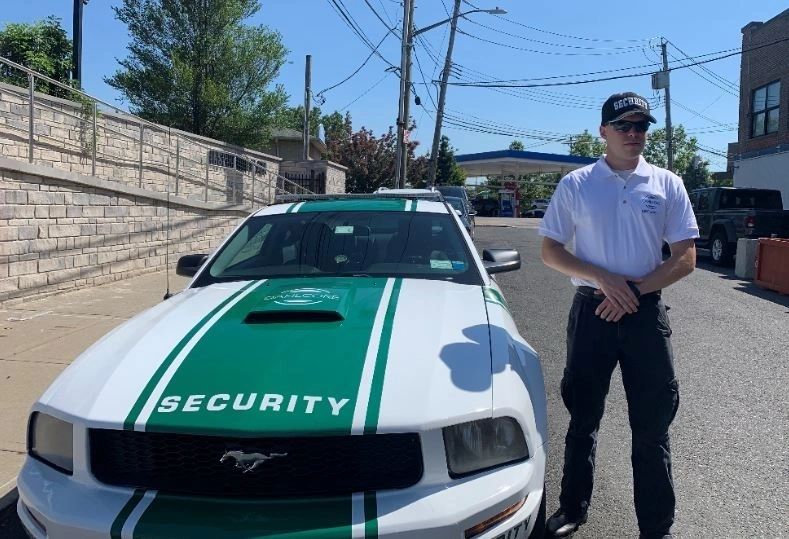
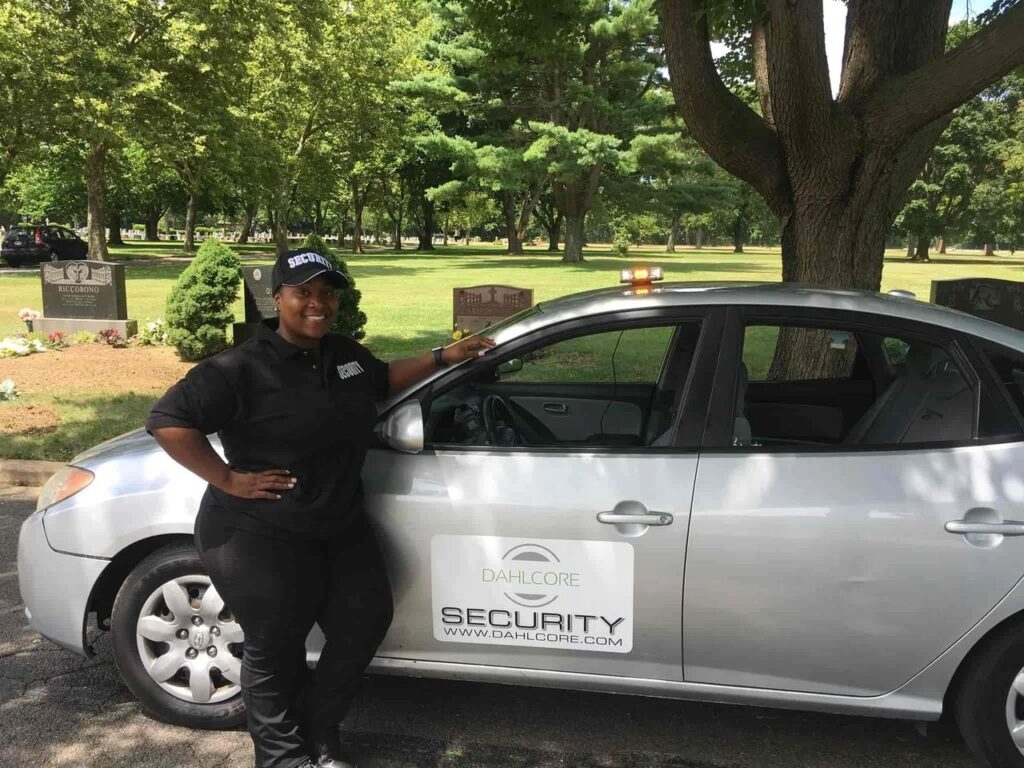
- Vehicle patrols around large sites or perimeters (industrial facilities, business parks, gated communities) to cover more ground and show ongoing presence.
- Lock‑and‑unlock rounds for doors, gates, and access points at opening and closing times.
- After‑hours checks of offices, retail spaces, construction sites, or dispensaries to identify trespassers, unsecured doors, and unsafe conditions.
- Alarm response support, where patrol officers investigate alarm activations, verify the cause, and coordinate with law enforcement or property contacts as needed.
These activities help property managers, retail operators, construction firms, and residential communities manage day‑to‑day risk while reassuring tenants and staff that someone is actively watching the property.
How Do Preventive Patrols Deter Crime?
Preventive patrols deter crime primarily through visibility and unpredictability. When uniformed officers or marked security vehicles are regularly seen moving through an area, potential offenders are more likely to believe they will be noticed and caught, and therefore may decide not to act.
Randomized patrol patterns, varied routes, and irregular timing strengthen this deterrent effect because offenders cannot easily predict when or where patrols will appear. Adding actions like engaging with residents or employees, checking problem spots, and documenting findings reinforces the message that the site is actively monitored.
Preventive Patrol vs Reactive Patrol
Preventive patrol vs reactive patrol: what’s the difference?
- Preventive (proactive) patrol focuses on preventing incidents before they happen by actively patrolling, watching for suspicious activity, and interacting with the community or clients.
- Reactive patrol (or reactive response) focuses on answering calls or alarms after a crime, disturbance, or emergency has already occurred.
In other words, preventive patrol is officer‑ or guard‑initiated and aims to remove opportunities for crime, while reactive patrol is incident‑initiated and begins only after someone calls for help or an alarm triggers. Effective security programs typically blend both: visible preventive rounds to reduce incidents, plus rapid reactive response when something does occur.
When Preventive Patrols Help Most
Preventive patrols are especially valuable when sites have recurring issues or higher inherent risk. Common scenarios include:
- High‑risk hours, such as late nights or early mornings, when fewer staff are present, and offenders expect less supervision.
- Large sites with multiple access points (warehouses, campuses, shopping centers) where fixed posts alone cannot cover everything.
- Locations with a history of theft, trespassing, vandalism, or loitering that need visible patrols to reset expectations.
- Properties with valuable assets outdoors or in partially open areas, such as construction sites, equipment yards, and dispensaries.
In these settings, structured preventive patrol plans help focus guard time on the areas, time windows, and problem patterns most likely to generate incidents.
FAQ About Preventive Patrols
Do preventive patrols guarantee crime reduction?
No, preventive patrols do not guarantee that crime will disappear, and major experiments have shown mixed effects on reported crime rates and fear of crime. However, they remain a core strategy because they support visibility, faster response, and reassurance for communities and clients.
How often should preventive patrols be done?
Patrol frequency depends on factors such as site size, operating hours, incident history, and asset value, but high‑risk areas usually benefit from multiple patrols per shift at varied times. Many security programs combine scheduled “hit times” for critical checks with randomized additional passes to keep patrol patterns less predictable.
What should a patrol officer look for?
Patrol officers typically watch for suspicious persons or vehicles, signs of forced entry, unsecured doors or gates, safety hazards, and unusual activity compared with normal site patterns. They also verify lights, alarms, and cameras where applicable, and document any irregular findings in incident or patrol reports.
Can preventive patrols handle non-crime issues?
Yes, one of the recognized objectives of preventive patrol is to address non-crime service needs, such as welfare checks, disturbances, and safety hazards that impact quality of life and perceived security. For private security, this often includes helping staff or residents, escorting employees, and coordinating with maintenance or management.
Check other blogs
Essential Communication Skills for Dispensary Security Personnel
Your Definitive Guide to Private Maritime Security Contractors
11 Must-Know Tips for Training Security Guards in Dispensaries
