


Hotel security is paramount in the hospitality industry, as it protects guests, staff, and the hotel property. This article will examine why its reputation has grown, the various measures used to protect hotel guests effectively, their benefits, and emerging trends within this field.
The Growing Importance of Hotel Security
Safety as a Priority
In recent years, several high-profile incidents have occurred at hotels worldwide. These events demonstrate the necessity of adequate security measures to safeguard guests, staff, and property; furthermore, with global terror and crime rising, hotel security becomes even more vital than before.
Traveler Expectations
Modern travelers are keenly aware of the potential hazards hotels present and expect hotels to prioritize their safety and security. This increased expectation has driven hospitality industries worldwide to invest in advanced security systems and protocols.
Types of Hotel Security Measures
Physical Security
Surveillance Systems
Video surveillance systems play a crucial role in hotel security. They monitor and record activities in and around the hotel, helping to deter potential threats and provide valuable evidence in case of an incident.
Access Control
Access control systems – key cards and biometric scanners – are essential in maintaining hotel security, from guest rooms to back-of-house operations. Only authorized personnel should enter restricted areas.
Staff Training
Staff training can play a pivotal role in providing a secure environment. Hotels should offer regular security courses to staff members covering subjects like threat identification, emergency response planning, and guest safety.
Security Protocols
Establishing clear security protocols for staff to follow is crucial. These protocols should cover a range of situations, from handling lost or stolen property to managing bomb threats and evacuations.

Tailor Security Measures to Your Unique Venue
When planning an event or operating a venue, it’s essential to implement security measures that are specifically tailored to the unique characteristics and requirements of the space. This approach not only enhances safety but also ensures a seamless experience for attendees. Here’s how you can customize security protocols for your venue:
1. Assess the Venue Layout: Review the design and layout of the venue, noting all entrances, exits, and potential choke points. Utilize this information to develop a comprehensive access control strategy that minimizes risks.
2. Consider the Event Type: Different events attract different crowd sizes and dynamics. For example, a concert will have different security needs than a corporate conference. Tailor your security measures to fit the specific event being hosted.
3. Implement Advanced Technology: Use technology such as CCTV surveillance, metal detectors, and electronic access controls to enhance security. Innovative technology can also help monitor crowd densities and manage flow in real time.
4. Engage Professional Security Personnel: Hire experienced and trained security professionals who understand the nuances of event security. Ensure they are briefed about the specific venue and its unique aspects.
5. Regularly Update Emergency Plans: Keep emergency response plans updated and ensure all staff are trained on procedures. Conduct regular drills to keep preparedness levels high.
By customizing security measures to fit your venue, you ensure not only the safety of all participants but also the smooth operation of the event itself.
Ways to Ensure Guest Security
Ensuring the security of guests at any event or facility should be a top priority. Here are several effective ways to maintain a secure environment:
1. Pre-Event Screening: Implement a screening process for guests before entry. This can include checks for invitations, photo IDs, or even pre-registration requirements.
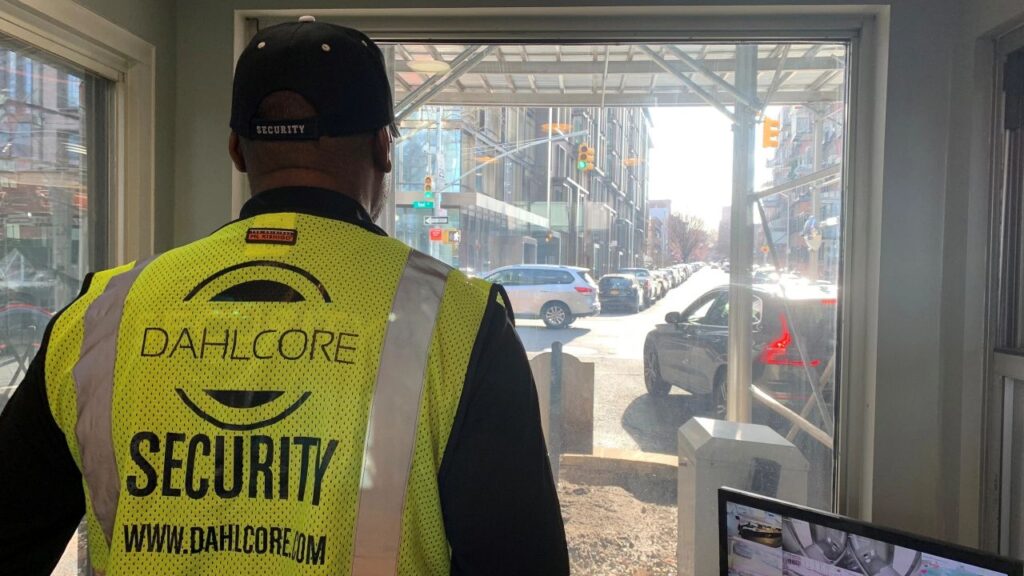
2. Visible Security Presence: Having uniformed security personnel can act as a deterrent to potential disturbances. Ensure that security staff are visible throughout the venue.
3. Guest Education: Inform guests about the security measures in place. This can include information about emergency exits, reporting suspicious activities, and adherence to venue policies.
4. Controlled Access Points: Limit entry and exit points to control access effectively. Staff these points with security personnel to monitor guest movement.
5. Emergency Communication Systems: Equip the venue with a reliable communication system to alert guests and staff during emergencies. Consider systems like public address systems or distributed antennae systems for enhanced mobile communication.
6. Security Training for Staff: Regularly train all staff members, not just security personnel, on basic security and emergency response protocols.
These strategies not only ensure the safety of guests but also help manage large crowds and prevent unauthorized access effectively.
Benefits of Effective Hotel Security
Guest Safety and Satisfaction
A hotel that prioritizes security creates a safer environment for its guests. This leads to increased guest satisfaction and, ultimately, repeat business and positive reviews.
Reputation Management
Modern society is interdependent, so one security incident can have lasting repercussions for hotels. By investing in adequate security measures, hotels can mitigate risk and maintain a strong brand image by investing in effective protection measures that will limit negative press coverage and build their brand image.
Legal and Insurance Implications
Hotels must create a safe environment for their guests, and failing to do so can result in costly lawsuits and insurance claims. Implementing stringent security measures helps hotels reduce liability risks while protecting financial interests.
Emerging Trends in Hotel Security
Technology Solutions
Technological advancements are transforming hotel security. Innovations such as artificial intelligence, facial recognition, and IoT devices are being utilized to enhance hotel security systems and streamline operations.
Collaboration with Law Enforcement
Hotels increasingly work closely with local law enforcement agencies to share information and coordinate responses to potential threats. Collaboration among agencies serves to deter criminal activity and ensures rapid response in case of any incident.

The Importance of Safety and Security in Hotels
Safety and security are paramount in the hospitality industry, affecting not only guest satisfaction but also the reputation of the establishment. Here are some reasons why robust safety and security measures are essential in hotels:
1. Guest Trust and Confidence: Guests expect a safe environment. Effective security measures build trust and can become a key factor in a guest’s decision to return.
2. Protection of Assets: Hotels house valuable assets, including guest belongings and proprietary information. Security protocols help protect these assets from theft or damage.
3. Compliance with Regulations: Many regions have strict regulations regarding guest safety in hotels. Compliance is not only a legal obligation but also crucial for operational licensure.
4. Crisis Management: In the event of an emergency, such as a fire or a security threat, a well-prepared hotel can efficiently manage the situation, minimizing harm to guests and property.
5. Reputation Management: Incidents of security breaches or guest safety issues can negatively impact a hotel’s reputation. Proactive security measures help mitigate such risks.
Investing in comprehensive safety and security systems is not just a necessity but a significant business advantage for hotels, ensuring they remain the preferred choice for travelers.
FAQs
Q1. What are some common hotel security measures?
Standard hotel security measures include surveillance systems, access control, staff training, and established security protocols.
Q2. Why is hotel security important for guest satisfaction?
Hotel security is essential to creating an enjoyable guest experience; by creating an atmosphere where guests can unwind without feeling threatened by potential danger, guests can relax and focus on enjoying their stay without worrying about safety issues.
Q3. How can technology improve hotel security?
Technology can improve hotel security through innovations such as artificial intelligence, facial recognition, and IoT devices, which enhance security systems and streamline operations.
Q4. What is the role of staff training in hotel security?
Staff training is crucial in hotel security, as well-trained employees can identify potential threats, respond to emergencies, and ensure guest safety.
Q5. How can hotels collaborate with law enforcement agencies?
Hotels can collaborate with law enforcement agencies by sharing information, coordinating responses to potential threats, and working together to deter criminal activity.
Conclusion
Safety should always be the top priority at hotels. Security measures like advanced measures, staff training, and cutting-edge technology ensure guests can feel safe and welcome within their environment. With the hospitality industry changing rapidly, remaining up-to-date on security trends is critical for maintaining a welcoming experience for guests. Read more about
Check other blogs
Dispensary Security: Building Trust & Safety
What is Logical Access Control: A Comprehensive Guide
Access Control: Affordable Solutions for Every Budget
The Role of a Security Guard in Crowd Control
