

Security guards play a crucial role in maintaining safety and order in various environments. Among the different levels of security personnel, a Level 3 security guard holds a significant position with enhanced responsibilities and qualifications. This article explores the role, duties, and importance of Level 3 security guards, providing a comprehensive understanding of their function in the security industry.
What Is a Level 3 Security Guard?
A Level 3 security guard is an advanced security professional equipped with specialized training and certification. They are authorized to perform a wide range of duties that go beyond the capabilities of entry-level security personnel. Their enhanced training allows them to handle more complex and high-risk situations, making them essential in environments that require heightened security measures.
What is Level 3 in Security?
Level 3 in security refers to a specialized category of security personnel training and certification, which emphasizes advanced skills and responsibilities. In many regions, this level typically includes:
- Advanced Conflict Resolution: Training in de-escalating potentially volatile situations without the use of force.
- Tactical Defense Skills: Instruction in defensive tactics that may include the use of non-lethal weapons.
- Emergency Response: Preparedness to handle medical emergencies, fire safety procedures, and coordination with local law enforcement.
- Surveillance Techniques: Advanced skills in monitoring and managing surveillance equipment.
- Legal Knowledge: A deeper understanding of the laws and regulations affecting security work, including arrest laws and privacy rights.
Duties and Responsibilities
Access Control
One of the primary responsibilities of a Level 3 security guard is to manage access control. This involves regulating who enters and exits a facility, ensuring that only authorized individuals gain entry. They may use electronic access control systems, check identification, and monitor entry points to prevent unauthorized access.
Surveillance and Monitoring
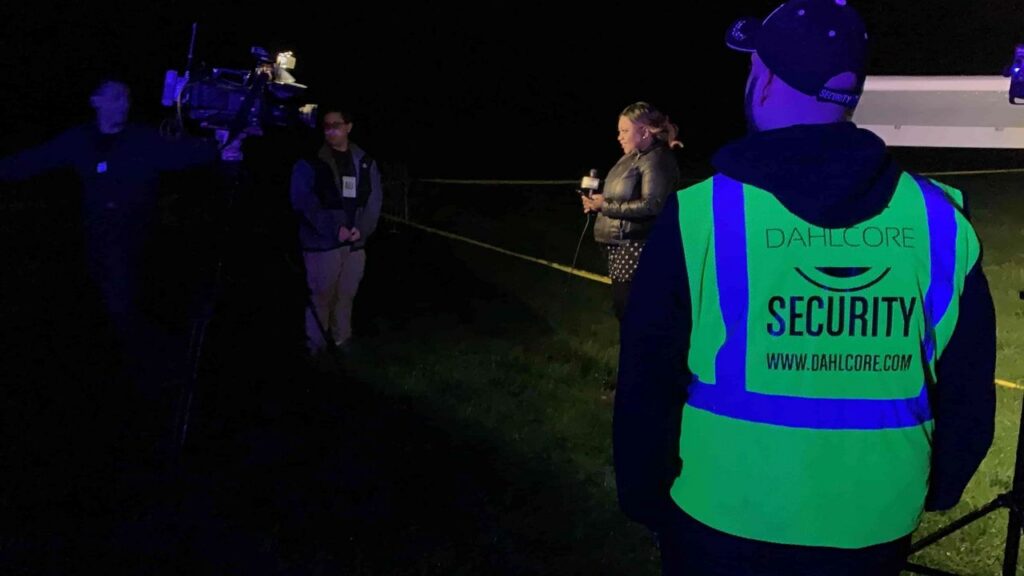
Level 3 security guards play a critical role in ensuring the safety and security of designated areas by conducting comprehensive surveillance and monitoring operations. They are responsible for operating advanced security systems like CCTV cameras, performing regular patrols, and utilizing a range of monitoring tools to identify and respond to potential threats effectively. Their constant vigilance and quick response to suspicious activities are vital to preventing security breaches and maintaining a secure environment.
Emergency Response
In the event of an emergency, Level 3 security guards are trained to respond swiftly and with precision, ensuring the safety and security of all individuals involved. They are often the first to take action in critical situations like fires, medical emergencies, or security breaches, demonstrating their readiness and skill. Their comprehensive training covers emergency procedures, first aid, and effective coordination with emergency services, allowing them to manage and mitigate the situation efficiently.
Incident Reporting
Accurate and timely reporting by Level 3 security guards is essential for maintaining a secure environment. It ensures that all incidents are properly documented and can be reviewed in detail. These reports serve as crucial evidence for investigations, legal proceedings, and internal reviews, helping to establish the facts and determine responsibility. Additionally, the insights gained from these reports play a vital role in identifying patterns, addressing vulnerabilities, and enhancing overall security protocols to prevent future incidents.
Crowd Control
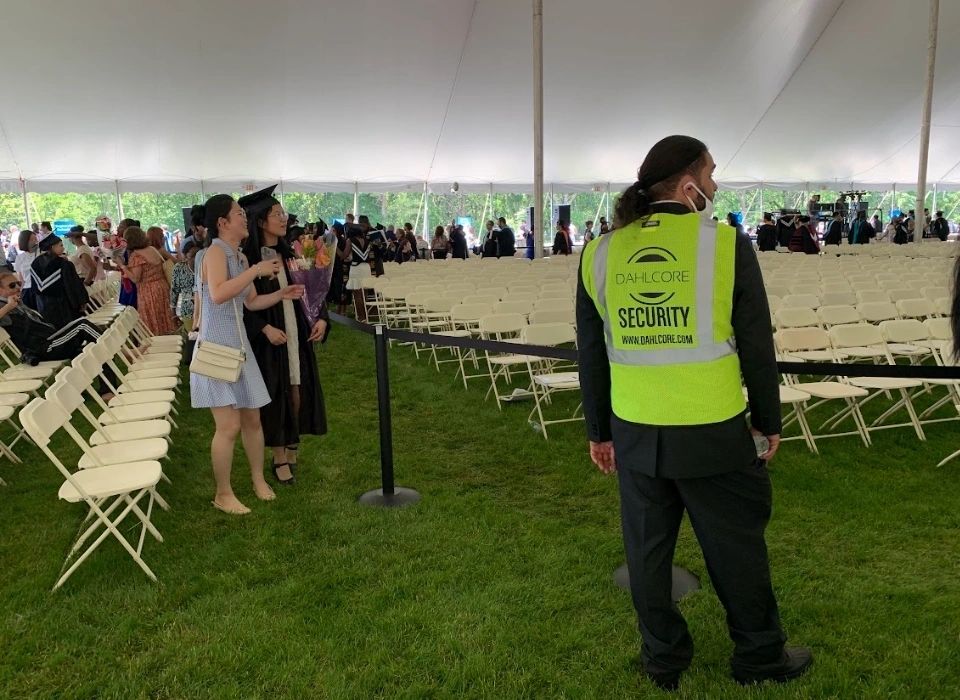
Managing large crowds during events or in public places is a critical responsibility that requires vigilance and expertise. Level 3 security guards are tasked with ensuring that people behave in an orderly manner, taking proactive steps to prevent overcrowding, and addressing any disturbances that may occur swiftly and effectively. Their visible presence not only deters potential problems but also reassures the public, helping to maintain a peaceful and orderly atmosphere in high-traffic environments.
Required Skills and Qualifications
Physical Fitness
A high level of physical fitness is crucial for Level 3 security guards, as their roles demand both endurance and agility. Their duties, which include prolonged periods of standing, continuous patrolling, and the need to react swiftly to emergencies, require a solid and well-maintained body. Maintaining physical fitness ensures they can execute their responsibilities efficiently, minimizing the risk of injury and enhancing their ability to protect others.
Communication Skills
Effective communication is vital for Level 3 security guards as it enables them to interact efficiently with the public, colleagues, and emergency services in various situations. Their ability to convey information clearly and accurately can prevent misunderstandings, ensure proper coordination, and maintain safety. Moreover, strong verbal and written communication skills are essential for documenting incidents, reporting to superiors, and providing instructions during emergencies.
Problem-Solving Abilities
In security situations, quick thinking is essential to effectively managing potential threats and preventing incidents from escalating. Level 3 security guards must swiftly analyze the environment, identify any suspicious behavior or hazards, and take decisive actions to ensure safety. Their ability to remain calm under pressure and implement the right strategies is crucial for resolving issues efficiently and maintaining a secure environment.
Training and Certification
Becoming a Level 3 security guard requires completing both basic and advanced security training, which covers a wide range of topics, including emergency response, surveillance, and conflict resolution. In addition to the training, candidates must also obtain specific certifications that demonstrate their expertise and ability to handle higher-level responsibilities, such as managing security teams or responding to critical incidents. These prerequisites ensure that Level 3 security guards are well-prepared to protect people and property in more complex and challenging environments.
Training and Certification
Basic Training
Basic training equips security personnel with essential skills in key areas such as patrolling, access control, and emergency response protocols. By mastering these foundational procedures, trainees develop the competence needed to ensure safety and security in various environments. This training serves as the critical first step in preparing individuals for more advanced security roles and responsibilities.
Advanced Training
Advanced training for Level 3 security guards covers specialized courses in surveillance, defensive tactics, and managing high-risk situations. These courses are designed to equip guards with the skills needed to handle more complex and demanding responsibilities and ensure they can respond effectively to various security challenges. By completing this training, guards significantly enhance their ability to protect people, property, and information in high-risk environments.
Certification Process
The certification process for Level 3 security guards includes passing rigorous written exams and practical assessments to showcase their skills in various security-related tasks. These evaluations cover a range of topics, ensuring that candidates have a comprehensive understanding of security protocols and emergency response procedures. Successfully obtaining certification confirms that the guards meet established industry standards and are fully qualified to handle complex security challenges in their roles.
What is the Meaning of Security Level 3?
Security Level 3 signifies a tier where guards are equipped with advanced security training and certifications necessary for handling higher-risk situations. Characteristics include:
- Comprehensive emergency protocol knowledge.
- Proficiency in advanced surveillance systems.
- Skilled in tactical defense without reliance on lethal force.
Legal Authority and Limitations
Legal Powers
Due to their advanced training and certification, Level 3 security guards are authorized to perform actions beyond those of lower-level security personnel. Their legal powers include the ability to make citizen arrests, apply reasonable force when necessary to protect themselves or others, and detain individuals until law enforcement officials arrive on the scene. This heightened authority ensures that Level 3 guards can effectively handle more complex and potentially dangerous situations, providing a greater level of security and support for both people and property.
Use of Force
Strict laws and guidelines govern the use of force by Level 3 security guards, designed to ensure appropriate responses in various situations. These guards receive comprehensive training to employ force judiciously, only when necessary, and proportionately to the threat. Any deviation from these standards, including excessive or unwarranted force, can result in serious legal ramifications and disciplinary actions.
Limitations and Restrictions
Despite their advanced training, Level 3 security guards face limitations that prevent them from performing specific duties reserved for law enforcement officers. They must operate strictly within the boundaries of the law and cannot engage in activities such as making arrests or conducting investigations that are beyond their scope. Adhering to both legal and ethical standards is crucial to ensure they fulfill their roles effectively without overstepping their authority.
Equipment and Gear
Uniform and Identification
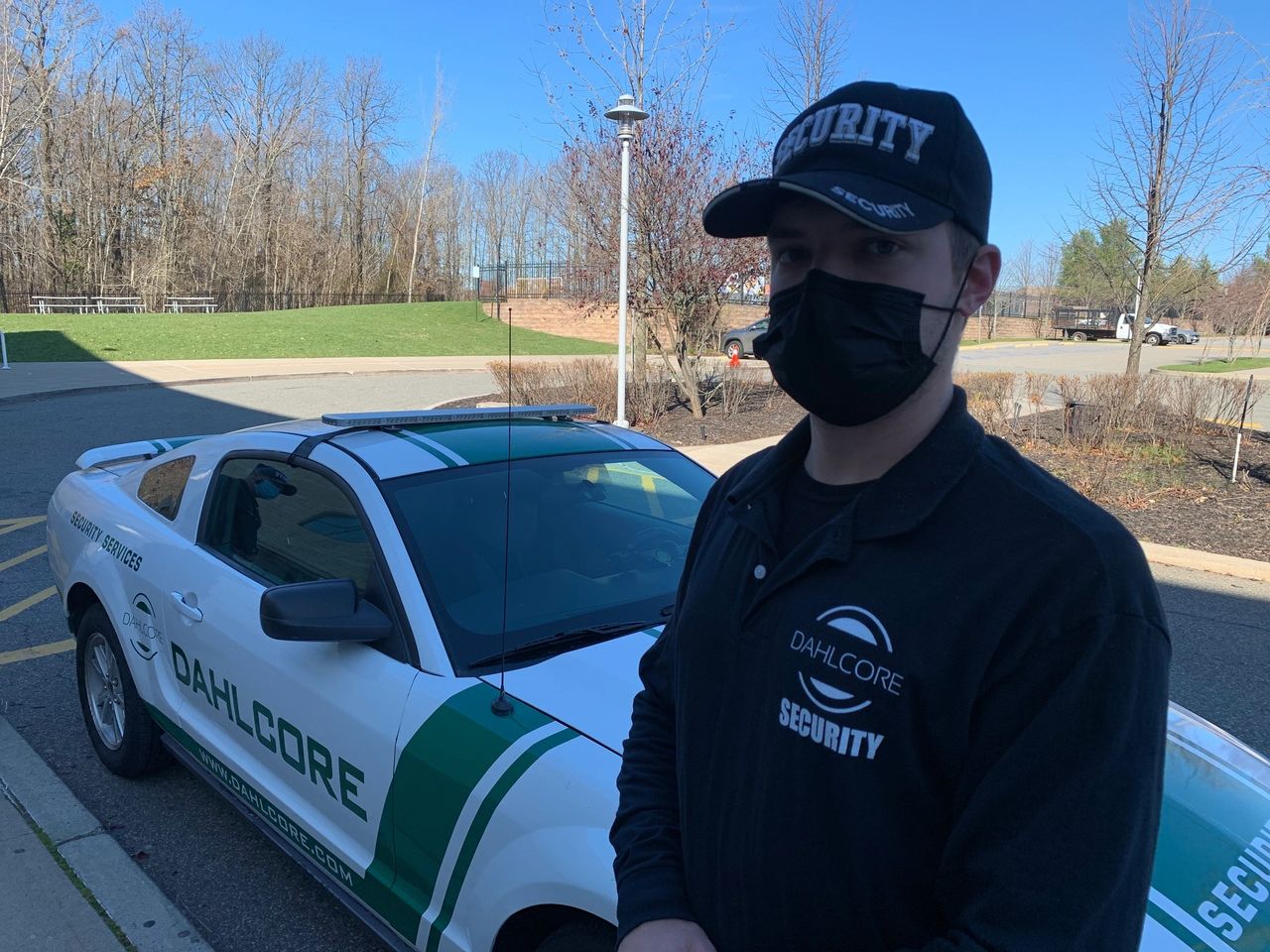
Level 3 security guards wear distinctive uniforms that set them apart from other security personnel and ensure their roles are easily identifiable. These uniforms feature prominent identification badges that display their name, certification level, and the name of the security company they represent. This not only enhances their professional appearance but also helps establish their authority and credibility within the facility to which they are assigned.
Defensive Tools
To enhance their ability to manage threats, Level 3 security guards may carry defensive tools such as batons, pepper spray, and handcuffs. These tools are designed to provide them with a range of options for self-defense and neutralizing potential threats, ensuring they can handle various levels of aggression. By equipping themselves with these defensive measures, they can better protect themselves, others, and property in dangerous or high-risk situations.
Communication Devices
Effective communication is greatly enhanced through the use of radios, smartphones, and other communication devices. These tools provide Level 3 security guards with reliable means to stay in constant contact with their team, ensuring that they can quickly share information and updates. As a result, these devices facilitate seamless coordination and prompt responses to any incidents that may arise.
Work Environments
Corporate Settings
In corporate environments, Level 3 security guards play a crucial role in maintaining a secure atmosphere by ensuring the safety of employees, clients, and valuable assets. They are responsible for monitoring access points through surveillance systems, conducting thorough security checks on personnel and visitors, and swiftly responding to any security threats or incidents. Their presence not only deters potential risks but also provides peace of mind to everyone within the organization.
Public Events
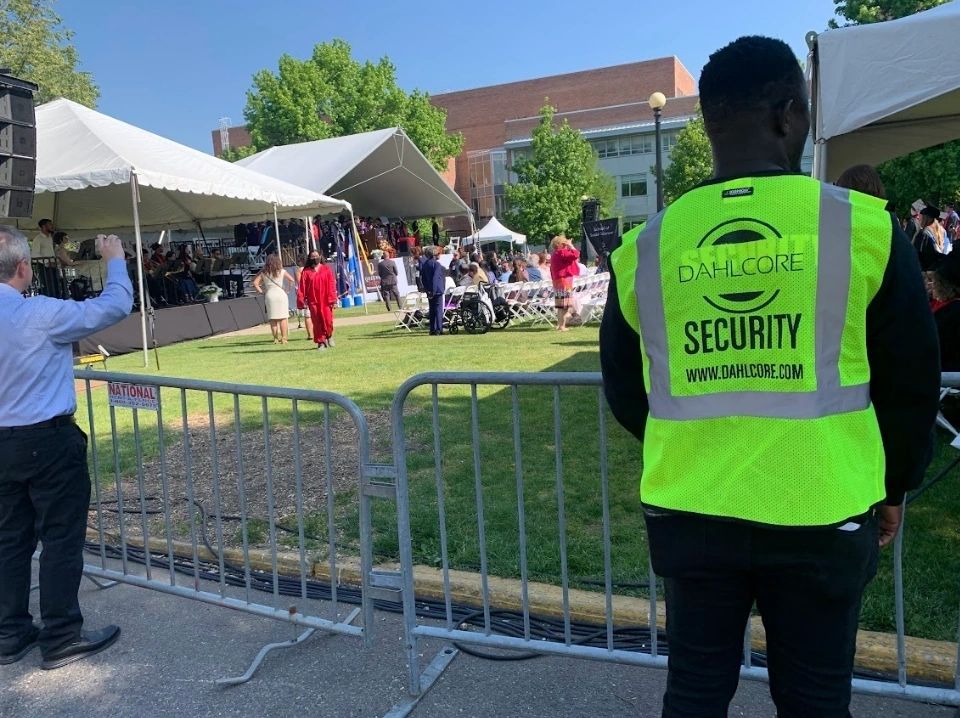
Due to their advanced training and expertise, Level 3 security guards are frequently assigned to public events like concerts, sports games, and festivals. Their responsibilities include managing crowd control, conducting thorough security checks, and responding swiftly to any security threats. By maintaining a visible presence and enforcing event protocols, they play a crucial role in ensuring the safety and smooth operation of large gatherings.
High-Risk Areas
In high-risk areas, such as crime-prone neighborhoods or conflict zones, Level 3 security guards deliver advanced protection by employing specialized tactics and equipment. Their visible presence not only deters potential criminal activities but also fosters a sense of safety and order within the community. By monitoring and responding to threats more effectively, they play a crucial role in preventing incidents and ensuring a secure environment.
Residential Communities
In residential communities, Level 3 security guards play a crucial role in ensuring the safety and security of both residents and their property. They conduct regular patrols to deter potential threats, closely monitor surveillance systems for any unusual activity and are trained to respond swiftly and effectively to any security concerns or incidents reported by residents. Their presence not only provides a sense of safety but also helps maintain order and peace within the community.
Career Path and Opportunities
Entry-Level Positions
Beginning as entry-level security personnel, individuals can advance to Level 3 positions by gaining experience and completing additional training programs. These entry-level roles are crucial for developing the essential skills and knowledge required to handle more complex and demanding security tasks. As they progress, security personnel become better equipped to take on greater responsibilities and leadership roles within the field.
Advancement Opportunities
Level 3 security guards, with their advanced training and experience, are well-positioned to take on supervisory or management roles within security firms. Their expertise in security protocols and leadership abilities make them ideal candidates for overseeing teams, managing operations, and ensuring compliance with safety standards. As they progress in their careers, they may also be responsible for training recruits and developing security strategies for their organizations.
Specialized Roles
As Level 3 security guards gain more training and experience, they can advance into specialized fields like executive protection, cyber security, or security consulting. These specialized roles not only require a deeper skill set but also present new challenges that keep the work dynamic and engaging. Pursuing these paths can lead to significant career growth, opening doors to higher-paying positions and greater professional recognition.
Challenges and Risks
Physical Risks
Level 3 security guards face significant physical risks due to the demanding nature of their duties. They are often required to confront aggressive individuals, which can lead to physical altercations that endanger their safety. Additionally, their work may involve operating in hazardous environments, such as high-crime areas or locations with potential health and safety threats, further increasing the risk of injury.
Emotional and Mental Stress
Dealing with high-pressure situations and potential threats can lead to significant emotional and mental stress for security personnel. Level 3 security guards are trained to maintain their composure and effectively manage this stress, as their ability to stay calm can directly impact the safety and security of those around them. By employing techniques such as deep breathing, situational awareness, and clear communication, these guards can perform their duties efficiently, even in the most challenging circumstances.
Legal Risks
Security guards operate within a defined legal framework that dictates their authority and responsibilities. Any misuse of this authority, such as excessive force or unlawful detention, can lead to significant legal consequences, including civil lawsuits or criminal charges. Therefore, it is crucial for security personnel to thoroughly understand and adhere to legal guidelines to mitigate legal risks and ensure the safety and rights of everyone involved.
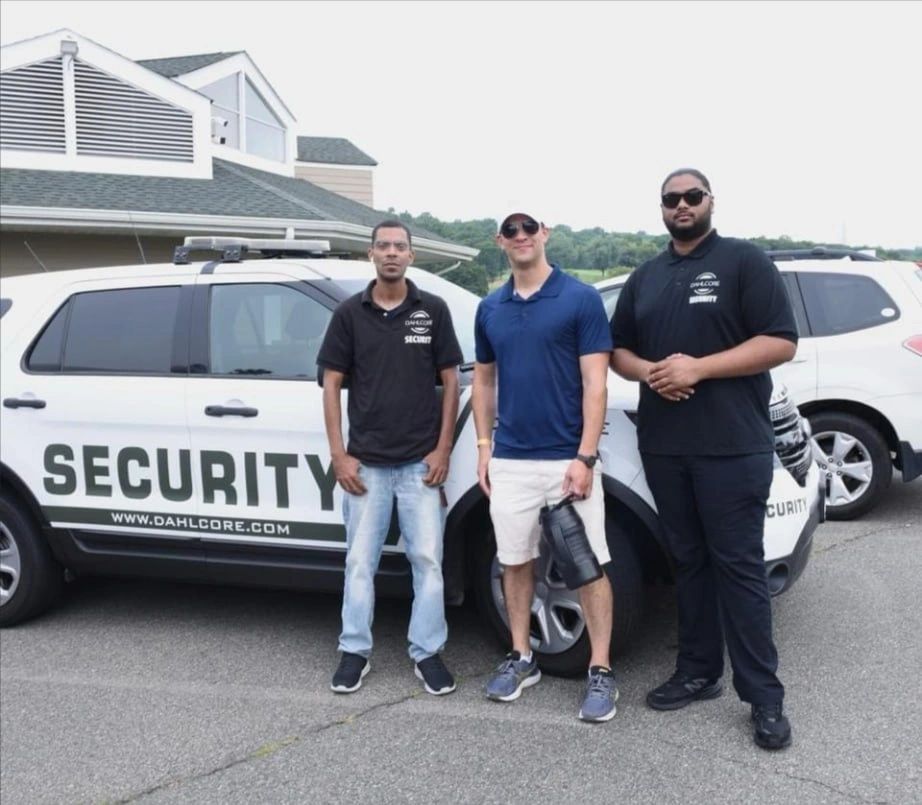
Importance of a Level 3 Security Guard
Enhancing Public Safety
Level 3 security guards play a vital role in enhancing public safety by maintaining a visible presence in various environments, such as commercial buildings, events, and public spaces. Their professional demeanor not only deters criminal activities but also fosters an atmosphere where individuals feel more secure and comfortable. Additionally, these guards are trained to respond to emergencies effectively, further contributing to the overall safety and well-being of the community.
Deterring Criminal Activity
Level 3 security guards undergo rigorous training that equips them with specialized skills, enabling them to recognize and respond to potential criminal activities effectively. Their proficiency in conflict resolution and emergency response not only enhances their ability to handle threats but also instills a sense of confidence in the environments they protect. By maintaining a visible presence and demonstrating preparedness, they significantly contribute to the overall safety and order of the area they oversee.
Providing Peace of Mind
Knowing that trained and capable security personnel are on duty provides peace of mind to individuals and organizations alike, ensuring that they can focus on their daily activities without the constant worry of potential threats. Level 3 security guards play a crucial role in maintaining safety, as they are equipped with advanced skills and knowledge to handle various situations effectively. Their presence not only deters criminal activity but also fosters a sense of trust and confidence among employees and visitors, contributing to a secure and stable environment overall.
What is a Level 3 security license?
A Level 3 security license certifies security officers to handle advanced and specialized responsibilities within the field.
Depending on state regulations, Level 3 duties may include:
- Carrying a firearm
- Managing high-risk situations
- Responding to alarms
- Detaining suspects
- Providing emergency first aid
- Performing various tasks that demand quick judgment and decisive action
Differences Between Level 2 and Level 3 Security Guards
Training and Certification
Level 3 security guards receive a higher level of training and certification, which is more comprehensive than what Level 2 guards undergo. This advanced training includes specialized knowledge in areas such as emergency response, handling firearms, and managing high-risk situations. As a result, Level 3 guards are better prepared to handle complex security challenges and provide a more robust level of protection.
Duties and Responsibilities
Level 3 security guards are tasked with more complex and demanding duties compared to Level 2 guards, as they often manage high-risk scenarios that require advanced decision-making skills and quick, effective responses. They are responsible for overseeing more critical areas, which may involve the protection of sensitive information, assets, or individuals. Additionally, they are often required to coordinate with law enforcement, manage crises, and ensure compliance with strict security protocols.
Authority and Legal Powers
Level 3 security guards are entrusted with greater responsibilities and legal authority compared to Level 2 guards. Their advanced certification enables them to carry firearms, detain suspects, and handle more complex security situations. This higher level of training and responsibility ensures they can effectively manage and respond to more serious threats and incidents.
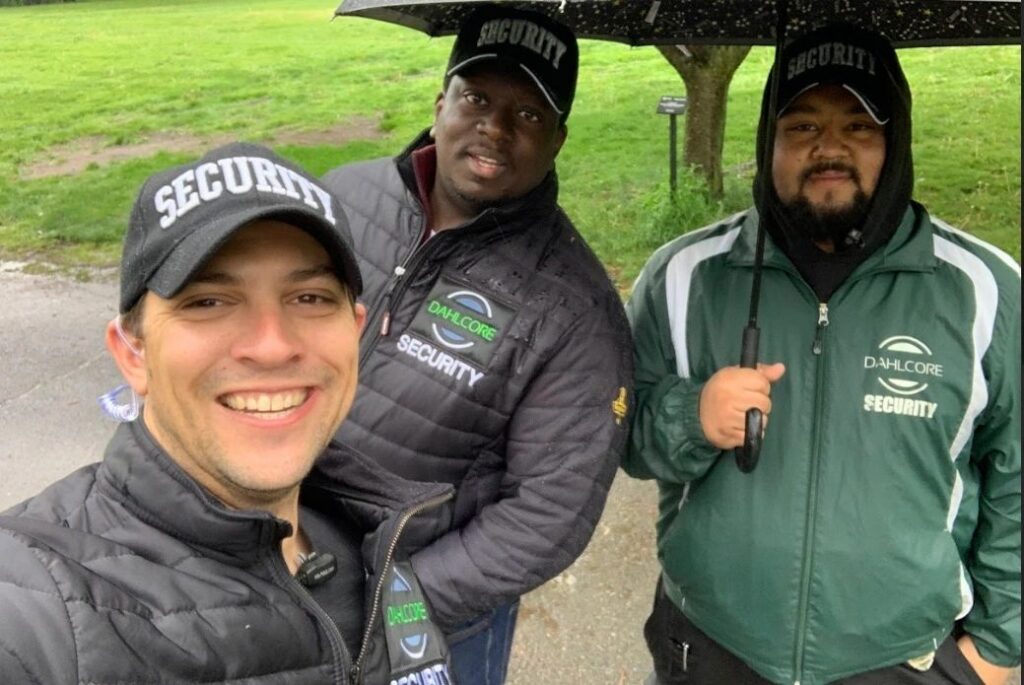
What is the Highest Level of Security Guard?
The highest level of security guard is typically known as a Level 4 or Executive Protection Agent. These guards are trained to provide security for high-profile individuals and assets. Their training includes:
- Advanced Tactical Defense: Including armed response capabilities.
- Risk Assessment: Skills in threat analysis and preemptive security planning.
- Protective Escort: Proficiency in escorting VIPs through various threat environments.
How Long Does It Take to Get Level 3 Security?
Achieving Level 3 security certification can vary depending on the region and training requirements. Typically, it involves:
- Completion of Levels 1 and 2 training programs.
- A specific number of hours dedicated to advanced training—often ranging from 40 to 100 hours.
- Passing a comprehensive exam that tests both theoretical knowledge and practical skills.
Security Guard Regulations and Training
To better understand the regulatory framework and training standards that govern Level 3 security guards, the United States Bureau of Labor Statistics provides an in-depth look into the security guard profession, including qualifications, training, and job outlook. This can offer readers a broader context of the requirements and professional standards expected from security guards at all levels. Additionally, the Occupational Safety and Health Administration (OSHA) offers guidelines and resources on workplace safety, which include measures and protocols that are crucial for security guards managing high-risk situations. These resources ensure that security guards are well-prepared to handle their responsibilities while adhering to legal and safety standards.
Frequently Asked Questions
What qualifications are required to become a Level 3 security guard?
To become a Level 3 security guard, individuals must complete both basic and advanced security training, pass certification exams, and possess necessary skills such as physical fitness and effective communication.
How long does the training process take?
The training process for Level 3 security guards can vary but typically takes several weeks to months, depending on the training program and certification requirements.
What types of incidents do Level 3 security guards handle?
Level 3 security guards handle a wide range of incidents, including emergency responses, surveillance, access control, and crowd management. They are trained to manage high-risk situations effectively.
Are Level 3 security guards armed?
Level 3 security guards may be armed, depending on the requirements of their job and the legal regulations in their area. They receive training in the use of defensive tools and firearms, if necessary.
Where can Level 3 security guards find employment?
Level 3 security guards can find employment in various settings, including corporate offices, public events, high-risk areas, and residential communities. Their advanced skills make them suitable for diverse security roles.
What are the career advancement opportunities for Level 3 security guards?
Level 3 security guards can advance to supervisory roles, specialize in areas such as executive protection, or pursue further certifications for higher-level positions within the security industry.
Conclusion
Level 3 security guards play a pivotal role in maintaining safety and order in various environments. Their advanced training, skills, and responsibilities make them essential in high-risk and complex security situations. By enhancing public safety, deterring criminal activities, and providing peace of mind, Level 3 security guards contribute significantly to the security industry and the well-being of the communities they serve.
Check other blogs
Protecting Guests from Cyber Threats in Hotels
Choosing Fire Protection: Find the Right Service for Your Home
Preventing Workplace Violence: Best Practices Commercial Security
