

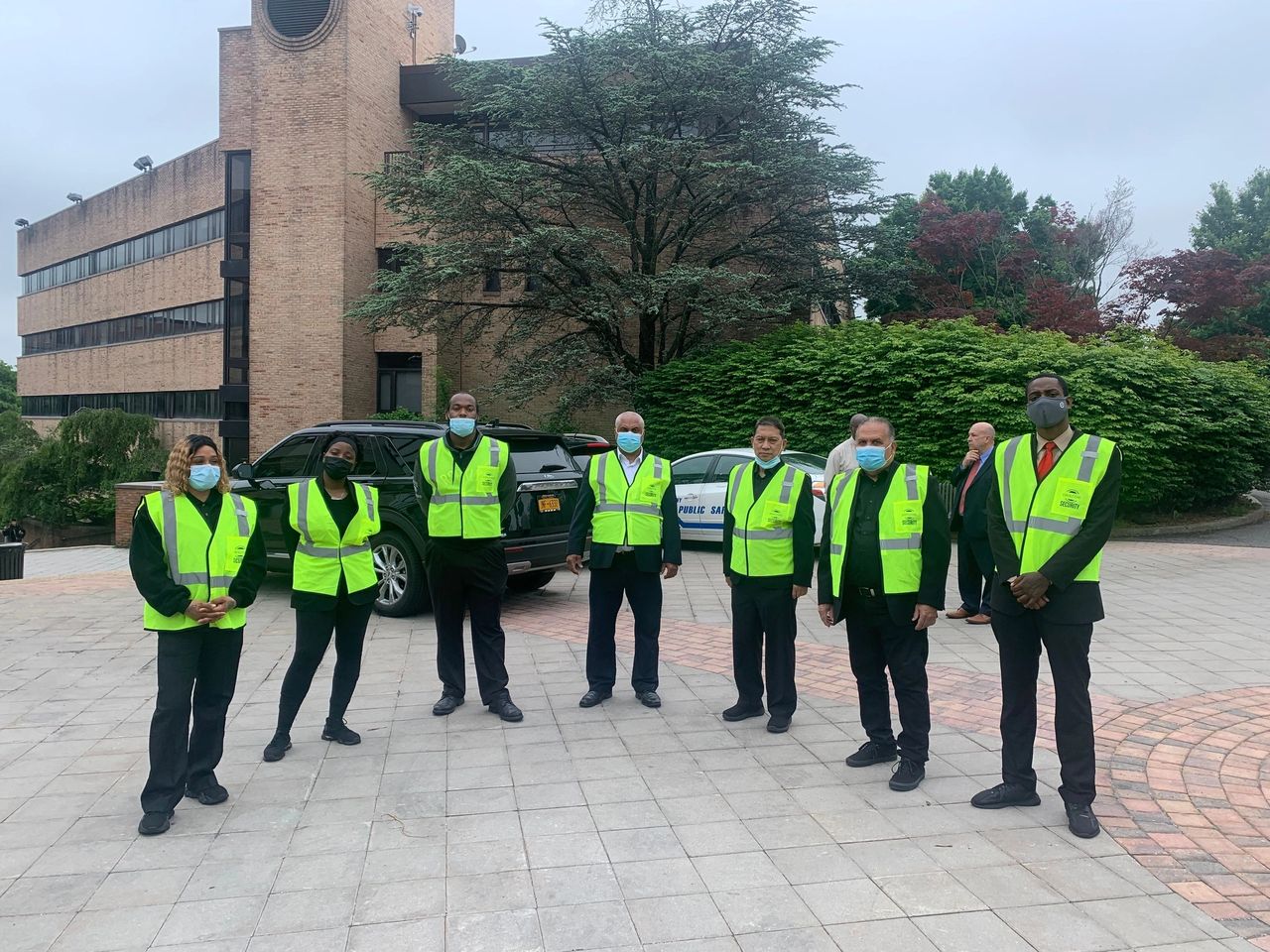
Private military contractors (PMCs) are hired by governments, corporations, or non-governmental organizations to perform various roles, including security, logistical support, and training. They often operate in conflict zones where conventional military forces may not be deployed or are restricted. PMCs raise ethical concerns about accountability and transparency in their operations, impacting international security dynamics and legal frameworks governing armed conflicts globally.
How To Be a Military Contractor
Becoming a military contractor requires a combination of specialized skills, relevant experience, and thorough preparation. Candidates should start by gaining expertise in fields like logistics, security, engineering, or IT, often supplemented by military or law enforcement backgrounds. Once qualified, individuals need to research contracting firms, secure proper certifications such as security clearances, and demonstrate the ability to work in high-pressure environments, often in international or conflict zones.
Understanding Private Military Contractors
Private military contractors (PMCs) are private companies offering military and security services independently from national military forces. They collaborate closely with these forces, providing essential combat support, logistical aid, and specialized services crucial for operational success in various contexts. PMCs bridge gaps in military capabilities, enhancing both wartime effectiveness and peacetime security operations globally.
What do PMCs actually do?
Private Military Contractors (PMCs) perform a variety of functions, primarily related to security and defense. Their roles can be broadly categorized as follows:
- Operational Support: PMCs provide logistical and operational support to military operations. This includes planning, training, intelligence analysis, and technical assistance.
- Security Services: One of the most visible roles of PMCs is offering armed security. They protect important personnel, secure facilities, and guard convoys, particularly in regions with high-security risks.
- Training and Consultancy: PMCs often engage in the training of military and security forces. This includes tactical training, combat preparation, and strategic advice based on comprehensive risk assessments.
- Reconstruction and Development: In post-conflict zones, PMCs are involved in reconstruction efforts. They help in rebuilding infrastructure, implementing development projects, and ensuring stability to facilitate recovery.
- Intelligence and Surveillance: PMCs are tasked with gathering intelligence and conducting surveillance to support military operations or corporate security strategies.
These roles demonstrate the multifaceted functions of PMCs, highlighting their importance in modern security operations globally.
History of Private Military Contractors
Origins and Evolution
The concept of private military services dates back to ancient times, but the modern form of PMCs began emerging in the late 20th century. Initially, these companies focused on providing logistical support and training to military forces. Over time, their roles expanded significantly. With the end of the Cold War, the demand for privatized military services increased, resulting in the rapid growth of PMC companies. If you’re interested in learning how to be a military contractor, understanding the history and evolution of PMCs is an essential first step.
Roles and Responsibilities
Combat Support
Private Military Companies (PMCs) play a crucial role in combat support by engaging directly in military operations, offering intelligence-gathering capabilities, and contributing to strategic planning efforts. Their specialized skills and expertise supplement national military forces, providing a flexible and often highly trained workforce capable of adapting to diverse operational environments. This collaboration can bolster operational effectiveness and efficiency in various military campaigns and security operations globally.
Training
Private Military Companies (PMCs) are frequently contracted to deliver comprehensive training to military personnel. Their programs encompass a wide range of critical skills essential for military operations, such as combat tactics, weapons proficiency, and survival techniques. By imparting these specialized skills, PMCs play a pivotal role in bolstering the operational capabilities and preparedness of military units.
Logistics
Private Military Companies (PMCs) play a crucial role in logistical support by overseeing supply chain management, transportation logistics, and the maintenance of military equipment. Their expertise ensures that all necessary resources are efficiently delivered to support ongoing military operations. This logistical support is essential for maintaining operational readiness and effectiveness in diverse and challenging environments.
Training and Recruitment
Requirements
Becoming a private military contractor requires a specific set of skills and qualifications. Typically, PMCs are former military personnel with extensive experience and specialized training. They must possess muscular physical fitness, combat skills, and the ability to operate in high-stress environments.
Selection Process
The recruitment process for Private Military Companies (PMCs) is stringent, involving thorough background checks, rigorous physical fitness assessments, and comprehensive psychological evaluations. These measures are implemented to ensure that individuals chosen for PMC roles possess both the physical capabilities and mental fortitude necessary for demanding and sensitive assignments. Ultimately, this rigorous selection process aims to guarantee the competence and reliability of PMC personnel in challenging operational environments.
Types of Services Provided
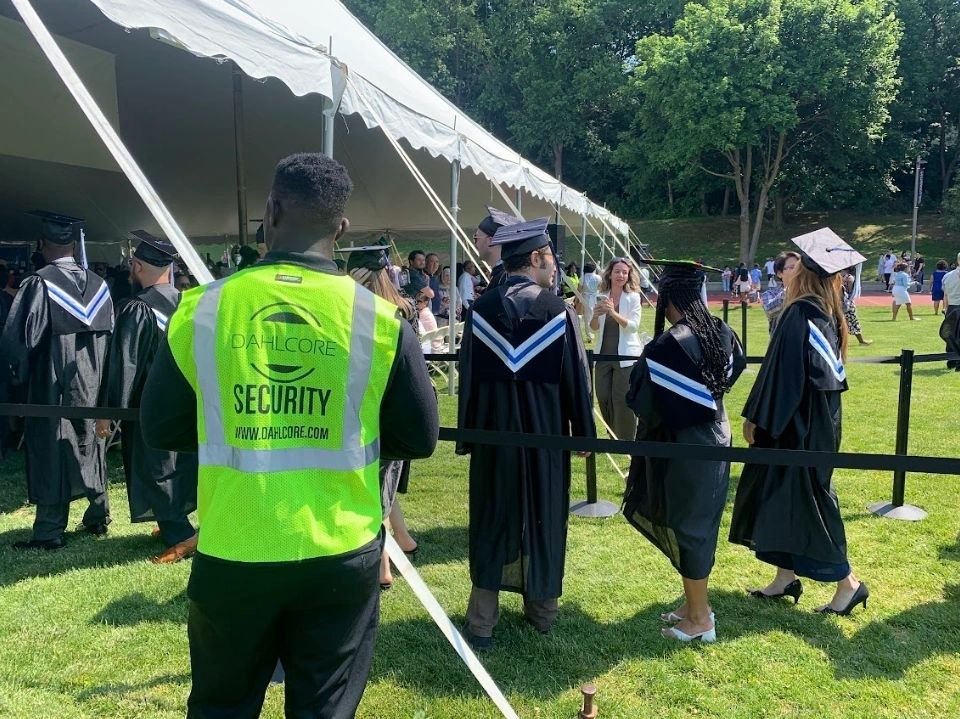
Security
Private Military Companies (PMCs) primarily specialize in security services, offering protection to individuals, assets, and facilities across various environments, including conflict zones and high-security risk areas. Their roles often encompass safeguarding embassies, oil rigs, and critical infrastructure, ensuring operational continuity and safety through trained personnel and strategic security measures. These services are crucial for clients seeking robust protection solutions outside traditional military or law enforcement capabilities.
Intelligence
Private Military Companies (PMCs) not only offer military services but also conduct intelligence operations, collecting and analyzing data to aid in military and security missions. Their role in intelligence gathering is pivotal, contributing essential insights that enhance mission planning and execution effectiveness. This dual capability allows PMCs to offer comprehensive support beyond conventional military roles.
Consultancy
Private Military Companies (PMCs) not only provide direct operational services but also specialize in consultancy, offering strategic military advice, security assessments, and comprehensive risk management solutions. These services are crucial for clients seeking to mitigate threats and optimize their operational effectiveness in challenging and unpredictable environments. By leveraging their expertise, PMCs enable clients to make informed decisions and achieve their security objectives with greater precision and confidence.

Difference Between PMC and Mercenaries
Legal Distinctions
While PMCs and mercenaries might seem similar, there are key legal distinctions between the two. Mercenaries are typically individuals who are hired to fight for financial gain, often without any affiliation to a national military. In contrast, PMCs operate as legitimate businesses that provide a range of services beyond direct combat.
Ethical Considerations
Ethical issues often arise when discussing PMCs and mercenaries. PMCs are bound by international laws and regulations, which aim to ensure accountability and moral conduct. Mercenaries, on the other hand, often operate outside these legal frameworks, raising concerns about their actions and motivations.
Major PMC Companies
Top Players
Several major companies dominate the Private Military Contractor (PMC) industry worldwide. Among them are Blackwater, which rebranded as Academi, DynCorp, and G4S. These firms are renowned for their extensive global operations, providing a diverse array of services that encompass security solutions and logistical support across various regions.
Global Presence
Private Military Companies (PMCs) operate globally, maintaining extensive operations across regions like the Middle East, Africa, and Latin America. This broad presence enables them to swiftly address evolving security challenges and offer assistance wherever it’s needed, effectively leveraging their logistical and operational capabilities. Their international footprint underscores their role in supplementing and sometimes replacing traditional military forces in various conflict zones and crisis areas worldwide.
What is the point of a PMC?
The primary purpose of Private Military Contractors (PMCs) is to provide specialized services that enhance the security and operational capabilities of their clients. The key points include:
- Flexibility and Expertise: PMCs offer rapid response capabilities and specialized expertise that traditional military units or government agencies might lack.
- Cost-Effectiveness: Hiring PMCs can be more cost-effective for governments and private entities, avoiding the long-term costs associated with training and maintaining permanent staff.
- Operational Efficiency: PMCs can operate in diverse environments, often with quicker deployment and adaptability to changing conditions than conventional forces.
- Risk Mitigation: By employing PMCs, governments and companies can mitigate risks, transferring the burden of direct combat or high-risk operations away from their personnel.
These points underline the strategic utility of PMCs in addressing complex security challenges in today’s global landscape.
PMC Operations in Conflict Zones
Case Studies
Private Military Companies (PMCs) have operated extensively in conflict zones such as Iraq, Afghanistan, and Syria, where they undertake various roles. These include providing security for personnel and facilities, training local forces to enhance their capabilities, and sometimes participating in humanitarian efforts by securing aid distribution. Their presence in these regions underscores their multifaceted involvement beyond traditional military roles.
Impact Analysis
The impact of PMC operations in conflict zones is a subject of debate. While they provide essential services and support, their presence can also lead to increased scrutiny and controversy. Analyzing their impact involves examining both their positive contributions and their challenges.
Regulation and Oversight
International Laws
Private Military Companies (PMCs) operate within a framework of international laws and regulations designed to enforce ethical conduct and accountability. These regulations are crucial in conflict zones, where PMCs must adhere to United Nations guidelines to maintain transparency and legality in their operations. Compliance with these standards is essential to mitigate potential abuses and uphold humanitarian principles during engagements.
National Regulations
Private Military Companies (PMCs) must comply not only with international laws but also with national regulations specific to each country where they operate. These regulations can significantly influence the scope and manner of PMC activities, ranging from licensing requirements to operational restrictions. Consequently, PMCs navigate a complex regulatory landscape that varies widely across different jurisdictions, shaping their operational strategies and legal compliance efforts accordingly.
Ethical and Legal Issues
Human Rights
Private Military Companies (PMCs) face significant human rights challenges, necessitating stringent measures to uphold ethical standards. They must implement robust policies and rigorous training programs to mitigate the risk of human rights violations during operations. Addressing these concerns is vital not only for ethical reasons but also to maintain credibility and compliance with international norms.
Accountability
Accountability in the context of private military contractors (PMCs) is essential due to their significant roles in conflict zones and security operations. Ensuring accountability requires robust mechanisms such as transparent reporting of activities, independent oversight to monitor their conduct, and adherence to international legal and ethical standards. These measures are crucial to maintaining trust, upholding human rights, and preventing abuses in sensitive and often volatile environments where PMCs operate.
PMC in Humanitarian Efforts
Disaster Relief
Private Military Companies (PMCs) are not only involved in traditional military roles but also contribute significantly to humanitarian efforts, particularly in disaster relief. They bring essential logistical support, security measures, and specialized knowledge to manage and mitigate the impacts of complex crises. Their presence often enhances the efficiency and effectiveness of disaster response efforts, facilitating quicker and more coordinated assistance to affected populations.
Peacekeeping Missions
Private Military Companies (PMCs) not only assist in disaster relief but also play a crucial role in peacekeeping operations. They collaborate with international bodies to uphold peace and stability in areas marked by conflict, thereby bolstering global security initiatives. Their involvement underscores the complex roles PMCs can undertake beyond disaster response

Economic Impact of PMCs
Job Creation
The private military contractor (PMC) industry plays a crucial role in job creation by offering employment to both ex-military personnel and civilians. This sector’s economic influence spans training facilities, logistical support networks, and consultancy services, thereby contributing significantly to local and global economies. Its operations often involve diverse roles that cater to security needs worldwide, enhancing stability in various regions.
Cost-Benefit Analysis
Analyzing the economic impact of Private Military Companies (PMCs) requires a detailed cost-benefit analysis. PMCs offer specialized services such as security and logistical support, which can be crucial in conflict zones or complex environments. However, their operations often come with significant financial expenses, necessitating a careful assessment to determine whether their benefits outweigh their costs in different geopolitical contexts.
Future of Private Military Contractors
Trends
The future of Private Military Companies (PMCs) depends on their ability to adapt to technological advancements, navigate global security shifts, and meet evolving client needs. To stay competitive, PMCs must embrace innovations like AI and advanced cybersecurity solutions to enhance their operational effectiveness. For those exploring how to be a military contractor, understanding these emerging trends is crucial. Aspiring contractors should focus on developing skills that align with cutting-edge technologies and the dynamic demands of the modern security landscape, ensuring PMCs continue to deliver robust and relevant solutions in an increasingly complex world.
Technological Advances
Technological advances are revolutionizing the private military contractor (PMC) industry. These innovations encompass advanced surveillance systems that offer heightened situational awareness, sophisticated communication technologies that enable real-time coordination across vast distances, and state-of-the-art weaponry that enhances operational effectiveness. Together, these advancements are empowering PMCs to deliver more precise and efficient security solutions in complex environments worldwide.
Pros and Cons of Hiring PMCs
Benefits
Hiring Private Military Companies (PMCs) is advantageous due to their specialized expertise in security operations, which can range from logistical support to tactical deployments. They enhance operational capabilities by leveraging advanced training and equipment, often exceeding what traditional security forces can provide. PMCs also offer flexible solutions tailored to specific security needs, ensuring adaptable responses to evolving threats and situations.
Risks
Hiring Private Military Companies (PMCs) can provide specialized skills and operational flexibility to organizations. However, these benefits must be weighed against significant risks, such as ethical implications stemming from their involvement in conflicts, potential violations of human rights during operations, and challenges in holding them accountable for their actions. Achieving a balanced approach involves a thorough assessment of both the benefits and risks to ensure ethical and effective utilization of PMCs.

Do PMCs see combat?
Private Military Contractors (PMCs) can and often do engage in combat scenarios, though their involvement depends on the contracts they hold and the legal frameworks governing their operations. Situations where PMCs might see combat include:
- Hostile Environment Security: Providing security in war zones or unstable regions where the risk of armed conflict is high.
- Protective Services: Defending high-value targets from insurgent attacks or terrorist threats.
- Support Roles in Combat Zones: Assisting military operations directly or indirectly, which may involve firefights or defensive actions.
While PMCs are not military units, their roles in these contexts are akin to combat situations, necessitating armed response and tactical decision-making under fire.
What is the purpose of a PMC?
The overarching purpose of Private Military Contractors (PMCs) is to augment security and defense mechanisms for governments and private entities. Their objectives include:
- Enhancing National Security: PMCs assist in national defense strategies, providing supplementary forces in critical areas.
- Corporate Security: Protecting assets, intellectual property, and personnel of large corporations, especially in regions where local security forces are insufficient.
- Crisis Response: Offering rapid deployment in crisis situations, from natural disasters to terrorist attacks, ensuring swift and effective response capabilities.
- Political Stability: Contributing to political stability by supporting peacekeeping missions and international security initiatives.
The purpose of PMCs is deeply integrated into contemporary security paradigms, serving both state and non-state actors in maintaining stability and protecting interests on a global scale.
Private Military Contractors
For a deeper understanding of the regulations governing private military contractors, consider these authoritative sources:
U.S. Department of Defense Regulations
The Department of Defense outlines comprehensive guidelines for private military contractors, especially regarding their operations outside the United States. These regulations ensure that contractors adhere to strict standards concerning personnel conduct, equipment use, and compliance with both U.S. and host nation laws. This framework is crucial for maintaining accountability and operational integrity in sensitive environment Acquisition.
Federal Acquisition Regulation on Private Security Contractors
The Federal Acquisition Regulation provides detailed mandates on the conduct of private security functions, emphasizing the importance of transparency, ethical conduct, and cooperation with government investigations. This regulation is integral to ensuring that private security contractors operate within legal and ethical boundaries while supporting military and humanitarian missions globally Acquisition.
FAQs
What is the primary role of private military contractors?
PMCs’ primary role is to provide a range of military and security services, including combat support, training, and logistical aid.
How are private military contractors regulated?
PMCs are regulated by a combination of international laws, national regulations, and industry standards to ensure ethical conduct and accountability.
What is the difference between PMCs and mercenaries?
PMCs are legitimate businesses that offer a wide range of services, while mercenaries are individuals hired for direct combat, often without legal oversight.
Which are some of the significant PMC companies?
Some major PMC companies include Blackwater (now Academi), DynCorp, and G4S.
What services do PMCs provide in humanitarian efforts?
PMCs provide logistical support, security, and expertise in disaster relief and peacekeeping missions.
What are the future trends for PMCs?
Future trends for PMCs include advancements in technology, changes in global security dynamics, and evolving client needs.
Conclusion
The future of Private Military Companies (PMCs) hinges on their capacity to adapt to technological advancements, respond to global security challenges, and address evolving client demands. Staying competitive requires PMCs to integrate innovations such as artificial intelligence and advanced cybersecurity solutions, enhancing their operational capabilities. For those researching how to be a military contractor, it’s vital to understand these emerging trends. Aspiring contractors should prioritize developing skills aligned with cutting-edge technologies and the shifting requirements of the modern security environment. This approach ensures PMCs remain effective and relevant in an increasingly complex world.
Check other blogs
Enhancing Hospital Safety: The Role of Professional Guard Service
What is Employee Termination: A Comprehensive Guide
