

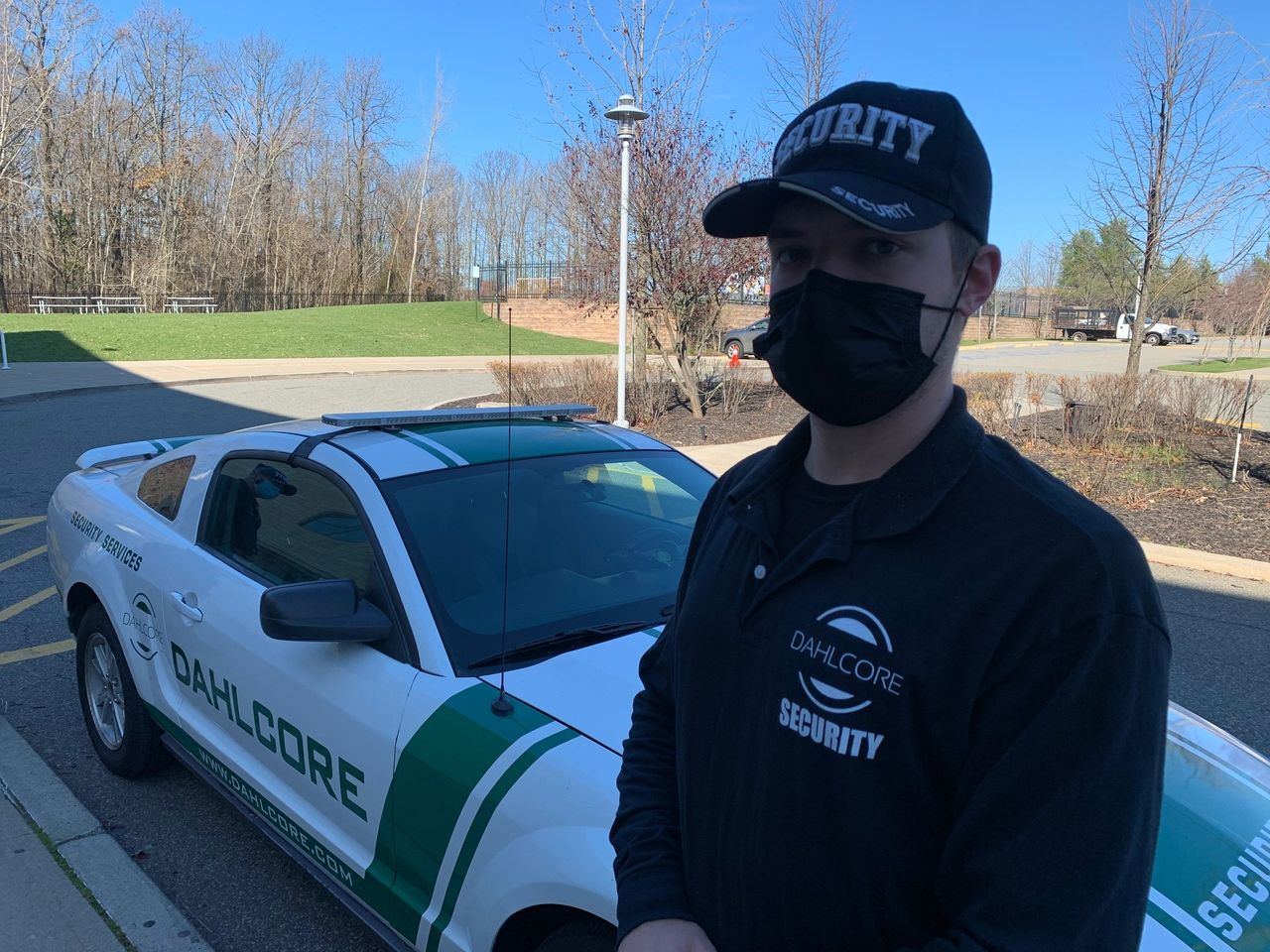
Overview of Security Services
In today’s world, where security concerns are increasingly prominent, the role of security guards has become more critical than ever. Security guards serve as the first line of defense against potential threats, ensuring the safety of people, property, and assets across various settings—from commercial buildings and events to residential areas and government facilities. According to the U.S. Bureau of Labor Statistics, NAICS 561600 – Investigation and Security Services is part of: NAICS 561000 – Administrative and Support Services.
Importance of Security Guards in Modern Society
Security guards not only deter crimes like theft and vandalism but also play a crucial role in managing emergencies and maintaining order during disruptive events. Their presence can significantly impact the sense of security in any environment, influencing both business operations and the quality of life for individuals in protected areas.
Understanding Security Services
Definition of Security Guard Services
Security guard services encompass a wide range of activities aimed at preventing and responding to threats and disturbances. These services can be provided by individuals or teams trained to maintain security in various environments through surveillance, patrols, access control, and emergency response measures.
The Role of Security Guards in Safety and Protection
Security guards are tasked with protecting their assigned property against unauthorized access or occupation, preventing damage or disorder, and safeguarding individuals from assault or injury. Their roles are adapted based on the specific needs of the employer and can vary significantly from one job to another.
Different Settings Where Security Guards Operate
Security guards work in a myriad of settings, each presenting unique challenges and requiring specialized skills:
- Commercial properties: Including businesses, shopping centers, and office buildings.
- Residential areas: Apartment complexes and gated communities.
- Event venues: Sports arenas, concert halls, and convention centers.
- Governmental facilities: Courts, embassies, and other public institutions.
Categories of Security Guards
In-House (Proprietary) Security Guards
In-house security guards are employed directly by the organization they protect. This arrangement typically allows for better integration into the company’s culture and operations and provides more customized security services.
Contract Security Guards
Contract security guards are employed by a third-party company that provides security services to various clients. This model is often more cost-effective for businesses that require security personnel without the overhead of direct employment.
Public Security (Governmental)
Government agencies hire public security guards to maintain the safety and security of public spaces, as well as properties owned by the government. These guards typically undergo rigorous training and must meet strict regulatory standards to perform their duties effectively.
Private Security (Individual and Corporate)
Private security guards provide tailored protection for individuals, private events, and property, ensuring safety in various scenarios. They often operate in high-risk environments, offering specialized services like executive protection or close personal security, adapting to the specific needs of their clients.
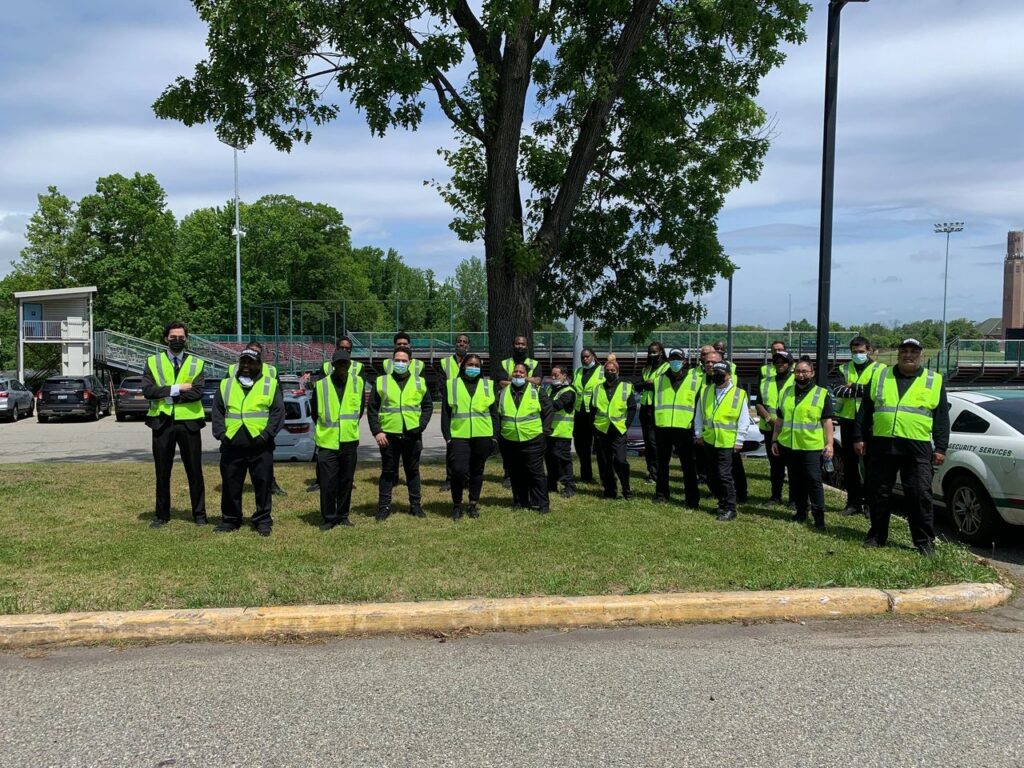
Licensing and Regulations
Licensing Requirements for Security Guards
Security guard licensing is crucial in the industry, ensuring that all guards meet minimum standards of training and reliability. Requirements vary by state or country but generally include background checks, training courses, and certification exams.
Regulatory Bodies and Compliance
Security services are typically overseen by national or regional regulatory bodies that set standards for training, conduct, and compliance. These bodies ensure that personnel meet specific qualifications and operate within established guidelines. In addition to these oversight responsibilities, these bodies also handle complaints from the public, investigate allegations of misconduct, and enforce disciplinary actions when necessary to maintain the integrity of the security profession.
Impact of Regulations on Service Quality
Strict regulations play a vital role in maintaining high service quality by ensuring that security guards receive the necessary training and resources to perform their duties effectively. Adhering to these standards is essential not only for fostering public trust but also for guaranteeing the safety and security of the community as a whole.
Training and Skills Development
Basic Training Requirements
The foundational training for security guards typically covers first aid, conflict resolution, effective communication, and the legal aspects of their role. These basic skills are essential for performing duties safely and effectively, regardless of the specific environment in which a guard works.
Advanced Skills and Specializations
Beyond basic training, security guards can pursue specialized skills such as CCTV monitoring, crowd control for significant events, or defensive tactics. These skills not only enhance a guard’s ability to handle complex situations but also improve their career prospects within the industry.
Continuous Education and Professional Development
Due to evolving threats and advances in security technology, ongoing training is crucial in the security industry. Professional development programs can include higher-level security strategies, leadership training, and updates on regulatory changes.
Technology in Security Guard Services
Use of Surveillance Technology
Modern security guards often utilize advanced surveillance technology, including CCTV systems, motion detectors, and biometric scanners, to bolster their protective measures. By integrating these tools, they can monitor vast areas in real time and quickly respond to incidents, thereby increasing overall safety and security.
Integration of Digital Reporting Tools
Digital reporting tools have transformed the documentation and communication of security incidents by enabling immediate and precise data entry. With real-time reporting and advanced analytics capabilities, these technologies significantly enhance the efficiency and effectiveness of security responses, ensuring that teams can act swiftly and accurately to mitigate threats.
Future Trends in Security Technology
Emerging technologies such as artificial intelligence and machine learning are poised to revolutionize the security services industry by enhancing efficiency and accuracy. These advancements enable the prediction of potential security threats and the automation of routine tasks, freeing up security personnel to concentrate on high-priority issues and complex decision-making.
What is security in industry?
Security in industry refers to the measures, protocols, and technologies employed to protect physical assets, intellectual property, personnel, and operations from external threats such as theft, vandalism, and espionage, as well as internal threats like workplace violence or data breaches. These security measures are essential in maintaining the continuity and efficiency of industrial operations. They can include a variety of tactics and tools, such as:
- Access Control Systems – These limit entry to facilities to authorized personnel and track entry and exit activities.
- Surveillance Cameras – Used to monitor sensitive areas and deter criminal activity.
- Alarm Systems – Provide notifications of unauthorized access or other security breaches.
- Cybersecurity Protocols – Protect against digital threats and secure data communications and storage.
- Employee Training – Ensures staff are aware of security policies and how to respond in emergency situations.
Industries such as manufacturing, pharmaceuticals, and energy often implement robust security measures to safeguard their complex and valuable operations.

Employment and Career Aspects
Job Market Trends for Security Guards
The growing concerns about crime and terrorism are driving a higher demand for security guards, making the profession more vital than ever. As the industry evolves, technological proficiency and specialized skills, such as cybersecurity knowledge and advanced surveillance techniques, are increasingly essential for securing job opportunities.
Career Pathways in Security Services
Career opportunities in security span a broad spectrum, from entry-level positions such as security guards to advanced roles in security management, consulting, and specialized fields. Specializing in areas like cybersecurity or executive protection can lead to advantageous and well-paid careers, reflecting the growing demand for expertise in these critical areas.
Challenges and Rewards of a Security Guard Career
While the job can be challenging due to its physical and mental demands, many find it rewarding to contribute directly to the safety and security of their communities. The career also offers the potential for steady employment and the opportunity to work in various settings.
Types of Security Guard Services
Event Security
Event security guards are experts in ensuring the safety of attendees and staff at various events, such as concerts, sports games, and corporate functions. Their responsibilities include managing crowd control, responding to emergencies, and collaborating with local law enforcement to maintain a secure environment.
Residential Security Guards
These security guards play a crucial role in safeguarding residential communities, actively working to prevent unauthorized access and potential threats. Their responsibilities encompass a wide range of tasks, such as monitoring entry and exit points, performing routine patrols to detect suspicious activity, and efficiently managing the flow of visitors and deliveries to maintain a secure environment.
Commercial Security Guards
Commercial security guards are employed in various settings, including shopping centers, banks, office buildings, and other commercial establishments, where they maintain a visible presence to deter criminal activities. Their primary responsibilities include preventing theft and vandalism and ensuring the safety of employees, customers, and property by monitoring surveillance systems, conducting regular patrols, and responding to emergencies.
Executive Protection Guards
These security professionals, often referred to as bodyguards, are highly trained to safeguard VIPs and high-profile individuals from various threats. Their rigorous training encompasses risk assessment, defensive driving, close combat techniques, and situational awareness to ensure comprehensive protection in any scenario.
Legal and Ethical Considerations
Legal Responsibilities of Security Guards
Security guards must operate within the framework of the law. This includes respecting privacy rights, using force appropriately, and understanding the legal boundaries of their roles. They are often required to collaborate with law enforcement and may serve as witnesses in criminal and civil cases.
Ethical Dilemmas and Decision Making
Ethical dilemmas are common in the security field, where guards must often balance the safety of many against the rights of individuals. Training in ethics helps guards navigate these challenges, ensuring that their actions align with both legal standards and moral expectations.
Case Studies of Legal Issues in Security Services
Examining past cases where security guards played crucial roles offers essential insights into effectively managing similar scenarios with a strong emphasis on ethics and legal compliance. Incorporating these case studies into training programs and ongoing education ensures that security personnel are well-prepared and informed, enhancing their decision-making skills in real-world situations.
What type of business is security?
Security as a business primarily operates in the service sector, offering protective and surveillance services to both individuals and organizations. This type of business encompasses various services aimed at ensuring the safety of people, property, and information. The security business can be broadly categorized into:
- Private Security Companies – Offer on-site security personnel, mobile patrols, and event security services.
- Electronic Security System Providers – Specialize in the installation and monitoring of alarm systems, CCTV networks, and access control technologies.
- Cybersecurity Firms – Focus on protecting organizations from digital threats through services like penetration testing, cybersecurity training, and incident response.
- Consultancy Services – Provide expert advice on security management, risk assessment, and compliance with security regulations.
These businesses play a critical role in a wide range of sectors including retail, education, healthcare, and corporate environments, tailoring their offerings to meet specific security needs.

Security Guard Gear and Equipment
Standard Equipment for Security Guards
A security guard’s typical gear might include radios, flashlights, and first aid kits. Depending on their role and the threat level of their environment, they may also carry more specialized equipment, such as body armor and handcuffs.
Advanced Gear for Specialized Guards
In high-risk situations, security guards may require advanced equipment like tactical gear, night vision devices, and emergency response tools. This equipment is essential for ensuring their safety and effectiveness in critical scenarios.
Maintenance and Management of Equipment
Proper maintenance of security equipment is crucial for ensuring it functions correctly when needed. Security firms often have protocols in place for regular checks and servicing of gear to maintain operational readiness.
Interaction with Law Enforcement
Collaborative Operations with Police
Security guards often work in tandem with local police, especially during large public events or in high-security areas. This collaboration ensures comprehensive coverage and a quicker response to incidents.
Jurisdictional Boundaries and Cooperation
Security guards must understand the limits of their authority and when to engage law enforcement support. Clear communication and established protocols are essential for practical cooperation between security personnel and police forces.
Training for Emergency Situations
Security guards receive training specific to handling emergencies, which includes coordination with local emergency services. This training ensures they can perform their duties effectively while supporting the work of official emergency responders.
Impact of Security Guards on Public Perception
Public Trust and Confidence in Security Services
The professionalism and effectiveness of security guards play a crucial role in shaping public perceptions of security services, directly impacting the level of trust and confidence the community places in them. Through positive interactions, consistent reliability, and a visible presence, security guards can foster a sense of safety and encourage greater cooperation from the public.
Role of Security Guards in Community Relations
Security guards often serve as a bridge between the public and the institutions they protect, facilitating communication and understanding. Their engagement with the community can significantly influence how the public perceives and supports the security measures being implemented.
Improving Public Relations and Image
Engagement strategies, such as active community outreach and regular participation in local events, can significantly enhance the public perception of security services by demonstrating their commitment to community well-being. These efforts also foster stronger, more positive relationships between security personnel and the communities they serve, building trust and collaboration.

Industry Standards and Best Practices
National and International Security Standards
Security services adhere to a variety of standards that govern everything from conduct to operational procedures, ensuring consistency and reliability in their operations. These standards help maintain a baseline for security practices worldwide, fostering trust and effectiveness in safeguarding assets and personnel across different environments.
Best Practices for Efficient Security Operations
Implementing best practices such as regular training updates, ethical conduct reviews, and engagement with the latest security technology ensures that security operations remain effective and relevant. By continuously refining these practices, organizations can better adapt to evolving threats and maintain a robust defense posture against potential security breaches.
Benchmarking and Industry Comparisons
Regular benchmarking against industry standards and peers provides valuable insights into performance gaps and areas needing enhancement. This process not only highlights opportunities for improvement but also ensures that service offerings remain competitive and aligned with market expectations.
Security Challenges and Threat Mitigation
Common Security Threats and Vulnerabilities
Security guards must be prepared to address a wide range of threats, from theft and vandalism to terrorist attacks and natural disasters. Understanding the common vulnerabilities in their operational environment is crucial for effective risk management.
Strategies for Threat Detection and Response
Proactive measures, such as regular patrols, surveillance, and the use of security technology, play critical roles in threat detection. Response strategies must be swift and effective, often requiring coordination with other security personnel and law enforcement agencies.
Case Studies of Effective Threat Mitigation
Examining successful interventions offers crucial insights that enhance the effectiveness of security training and operational procedures. These case studies serve as practical examples, helping to fine-tune threat response strategies and improve the training of new security personnel by highlighting best practices and potential areas for improvement.
Financial Aspects of Security Services
Cost Analysis of Hiring Security Guards
Grasping the financial implications of hiring security guards is crucial for businesses, as it encompasses not only the direct costs like salaries, benefits, and insurance but also the often-overlooked indirect costs, including training, equipment, and ongoing management. These expenses can significantly impact a company’s budget, making it essential to plan and allocate resources accordingly.
Budgeting for Security Operations
Effective security budgeting requires a balance between adequate protection and fiscal responsibility. Organizations must assess their risk levels and allocate resources accordingly to ensure both safety and financial health.
Return on Investment in Security Services
Investing in quality security services often leads to a high return on investment by preventing losses due to theft, reducing insurance costs, and enhancing business continuity. Demonstrating these financial benefits can justify the expenses involved in comprehensive security measures.

What category does security system fall under?
Security systems are primarily categorized under “electronic security” within the broader industry of security services. This category includes a variety of systems designed to detect, deter, and report security breaches. Key components of electronic security systems include:
- Intrusion Detection Systems – Sensors and alarms that alert to unauthorized entry.
- Video Surveillance Systems – CCTV cameras and recording systems used for real-time monitoring and forensic purposes.
- Access Control Systems – Technologies that manage entry to facilities and secure areas within them.
- Fire and Safety Systems – Designed to detect and respond to fire and other safety hazards.
- Cybersecurity Systems – Software and hardware solutions to protect digital assets and networks from cyber threats.
These systems are integral to protecting assets in both residential and commercial settings, often integrated with each other for comprehensive security solutions.
What is the private security industry?
The private security industry consists of companies and services that provide security measures and solutions that are not directly managed by governmental law enforcement agencies. This industry plays a crucial role in supplementing public safety measures and includes:
- Manned Guarding – Security personnel stationed at various sites to manage access and respond to incidents.
- Mobile Patrols – Security teams that conduct regular rounds across multiple properties to ensure safety and security.
- Event Security – Specialized security services provided for public and private events to manage crowds and handle emergencies.
- Executive Protection – Security services tailored to protect VIPs, executives, and other individuals who may be exposed to heightened risks.
- Investigative Services – Includes background checks, corporate investigations, and insurance fraud investigations.
The private security industry often uses advanced technologies and trained personnel to provide a level of service that meets the specific security needs of various clients across multiple sectors.
Comprehensive Security Standards and Regulatory Compliance
To ensure that security guards operate under rigorous standards and maintain a high level of professionalism, it’s essential to refer to authoritative sources that govern the industry. The United States Department of Labor provides extensive resources about the occupational outlook and training requirements for security guards, highlighting the essential role they play in public safety. For further details on the regulatory framework and licensing requirements that security guards must adhere to, the Bureau of Security and Investigative Services (BSIS) offers comprehensive guidelines. These sources are crucial for understanding the legal and operational standards that shape the security services industry in the U.S. and help maintain a safe and compliant working environment for security personnel.
FAQs
What qualifications are required to become a security guard?
Security guards typically need a high school diploma and must complete a training program that often includes classes on public safety and basic first aid. Most states also require security guards to obtain a license or certification.
How do security guards handle violent situations?
Security guards are trained in conflict resolution and de-escalation techniques to manage violent situations effectively. If necessary, they may use physical force or involve law enforcement to ensure public safety and restore order.
Can security guards make arrests?
Security guards do not have the same legal authority as police officers but can perform citizen’s arrests under certain circumstances, primarily if they witness a felony taking place. They are trained to detain individuals until law enforcement arrives safely.
What is the difference between armed and unarmed security guards?
Armed security guards are licensed to carry firearms and are often employed in high-risk environments. Unarmed guards do not carry weapons and focus on surveillance, monitoring, and reporting rather than direct confrontation. The type of guard deployed typically depends on the specific security needs of the site or event.
How do security guards use technology in their work?
Security guards use a variety of technological tools, such as surveillance cameras, access control systems, and alarm systems, to enhance security measures and improve their ability to monitor and respond to incidents. Advanced technologies like drones and artificial intelligence are also becoming more prevalent in the industry.
What career advancement opportunities are available for security guards?
Security guards can advance to higher positions, such as security supervisors, managers, or consultants, especially with additional training and certifications in specialized areas like cybersecurity or executive protection. Such advancements often lead to increased responsibilities and higher compensation.
Conclusion
Summary of Key Points
Security guards are vital components of safety and security in various settings. They are tasked with a wide range of responsibilities, from threat detection to emergency response. Understanding the different categories of security guards, along with their training, legal obligations, and the technologies they use, provides a comprehensive overview of the field.
The Continuing Importance of Security Guards
Despite technological advances, the human element provided by security guards remains irreplaceable. Their ability to interpret complex situations, communicate effectively with the public, and provide immediate responses to emergencies offers a level of adaptability and personal touch that technology alone cannot match.
Check other blogs
5 Key Steps to Becoming an Armed Security Guard in Pennsylvania
Decentralized Access Control: Unleashing Its Power
Light Up Vegas: Your Guide to Being Sin City’s Top Armed Guard!
Social Engineering’s Impact on Security: Facing the Unseen Threat
