


Updated Date: December 4, 2025
A fire guard (or fire watch guard) is a trained security professional who patrols your property, watches high‑risk areas when fire protection systems are impaired, documents conditions in a fire watch log, enforces fire‑safety rules, and initiates emergency response, including evacuations and contacting the fire department. In simple terms, a fireguard is a person assigned to continuously monitor for fire hazards and early signs of fire so problems are found and controlled before they spread.
Quick answer – What does a fire guard do?
A fire guard conducts regular patrols, watches over hot work and system outages, maintains a detailed fire watch log, mitigates hazards, and leads the first steps of emergency response until firefighters arrive.
Key duties at a glance
- Conduct scheduled patrols along defined routes, including exits and egress paths.
- Monitor buildings during fire alarm or sprinkler impairments and other high‑risk operations.
- Watch hot work areas (such as welding or cutting) and stay on site after work stops to catch smoldering fires.
- Check extinguishers, alarms, and other fire protection systems for obvious issues and report problems.
- Maintain a time‑stamped fire watch log of patrols, hazards, and any corrective actions.
- Remove or reduce hazards where possible (blocked exits, combustible storage, housekeeping).
- Sound alarms, call 911, guide occupants to safety, and assist fire crews during an incident.
- Help the property stay aligned with NFPA, OSHA, and local fire code fire watch requirements.
What Does a Fire Guard Do?
A fire guard or fire watch security guard provides continuous surveillance of a building or site whenever there is an increased fire risk or your fire protection systems are not fully functional. Their role combines prevention, early detection, documentation, and front‑line emergency response following defined patrol routes and evacuation procedures.
In everyday language, “fireguard” can refer to either the individual or the service that watches for fires, especially during hot work, system impairments, and other high‑hazard operations. In many jurisdictions, fire watch guards must follow an impairment plan when fire alarms, sprinklers, or other fire protection systems are out of service, keeping detailed fire logs to show compliance.
Core functional areas include:
- Prevention and patrols: Walking patrol routes, checking for ignition sources, combustibles, blocked egress, and unsafe conditions.
- Monitoring impaired systems and hot work: Watching areas where alarms, sprinklers, or detectors are offline and overseeing hot work activities.
- Logging and reporting: Maintaining a continuous fire watch log and escalating issues to supervisors and the fire department as needed.
- Emergency response: Activating alarms, calling 911, assisting evacuations, and supporting the fire department on arrival.
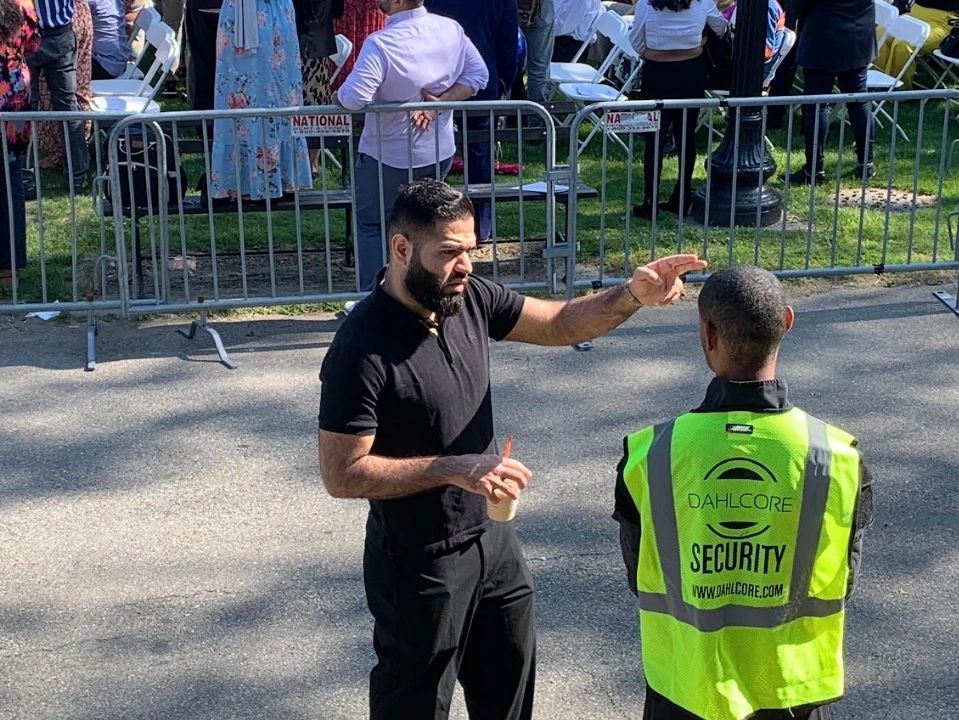
When a Fire Guard is Required
Fire guards are typically required when a building’s fire alarm or sprinkler system is impaired, during hot work operations, and on some construction or event sites where normal fire protection is reduced. Codes and standards often call for a fire watch if critical systems are out of service for an extended period or when hot work could ignite nearby materials.
Common situations where you may need a fire guard include:
- Fire protection system outages: Planned or unplanned shutdowns of fire alarms, sprinklers, standpipes, or detection systems.
- Construction and renovation: Areas with open walls, exposed wiring, temporary systems, or where systems are not yet commissioned.
- Hot work monitoring: Welding, cutting, grinding, brazing, or any task that creates heat, sparks, or open flame.
- High‑risk operations: Fuel handling, industrial processes, boiler rooms, or large storage of combustibles.
- Events and special occupancies: Large gatherings, hotels, or facilities with sleeping occupants when systems are impaired.
Scenario: hotel system offline – first 60 minutes
- Verify the impairment with building management and review the impairment plan.
- Begin continuous patrols of all affected floors, exits, stairwells, and high‑risk rooms.
- Check that egress paths are clear, fire doors close properly, and extinguishers are visible and accessible.
- Log each patrol, hazard found, and any corrective steps taken.
- Brief the front desk and key staff on how to report smoke or alarms directly to the fire guard and 911.
For businesses in New York City, Dahlcore provides dedicated Fire Watch Guards who respond quickly to system outages, construction projects, and high‑risk operations across the five boroughs. You can coordinate coverage for your property through the Fire Watch Guards Services in New York City page on the Dahlcore site.
Core Duties and Responsibilities
Dahlcore’s fire watch guards are trained to detect hazards, monitor alarms, inspect safety systems, assist in evacuations, and coordinate with emergency responders across commercial, residential, and construction environments. Their work blends routine patrols with rapid decision‑making so that issues are controlled before they become major incidents.
Patrols and Surveillance
- Walk assigned patrol routes, including mechanical rooms, storage areas, exit corridors, stairwells, and any high‑risk zones.
- Verify that egress routes are clear, exit signs illuminated, and fire doors not blocked or propped open.
- Look for ignition sources (smoking, portable heaters, electrical overloads) and accumulations of combustibles such as cardboard, dust, and flammable liquids.
- Check visible fire protection equipment (extinguishers, hose cabinets, pull stations) for obvious tampering, obstruction, or damage and report issues immediately.
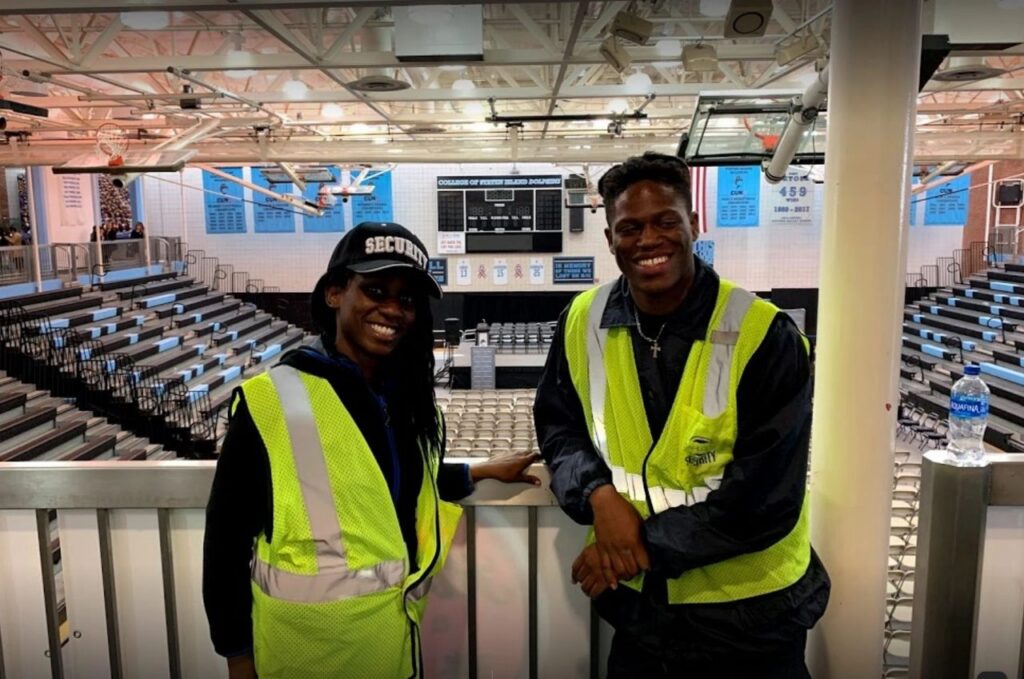
Hot Work and High‑Risk Monitoring
Hot work watch is a specialized form of fire watch where the guard focuses on operations like welding, cutting, grinding, soldering, and torch‑applied roofing. The fire watch guard stays in place during the work and for a defined period afterward to catch sparks or smoldering materials that could start a fire.
Typical precautions during hot work:
- Confirm hot work permits and verify that combustible materials are removed or shielded.
- Ensure fire extinguishers and other initial‑attack equipment are immediately accessible and that the guard is trained in their use.
- Maintain clear communication with workers and halt work if conditions become unsafe.
- Continue monitoring the area after hot work stops, focusing on concealed spaces, ceilings, and nearby combustibles where heat can build up.
What Happens During an Incident (Step‑by‑Step)
- Detect and verify: On noticing smoke, fire, or an alarm condition, quickly confirm the source without putting yourself in unnecessary danger.
- Raise the alarm: Activate the fire alarm (if available) and immediately call 911 or the local fire department, providing the address, location in the building, and what you see.
- Initiate evacuation: Direct occupants to exits and primary egress routes, keeping paths clear and assisting those who need help.
- Use extinguishers if trained and safe: If the fire is small and conditions allow, use appropriate extinguishers or hoses as a first response, without delaying the 911 call.
- Support fire crews: Meet firefighters at the entrance, provide your fire watch log, building information, and last known locations checked.
- Document and report: After the event, complete incident documentation and cooperate with management, safety teams, and authorities.
Typical Shift Checklist and Duty Cycle
On this page, you can offer a downloadable “Typical Fire Watch Shift Checklist” PDF summarizing patrol frequency, hazard checks, equipment verification, and required log fields as an extra resource for clients. Consider also adding a simple visual diagram that illustrates the duty cycle: patrol → inspect → log → mitigate → report → repeat, plus a sample log screenshot with anonymized, dummy data.
A basic informational “patrol frequency calculator” can help readers estimate how often patrols might be needed based on risk level (for example: small low‑risk office vs. large construction site with hot work), clearly labeled as guidance only and not a substitute for local code requirements. Dahlcore can explain typical patterns from real deployments while reminding clients to confirm exact requirements with their fire marshal or AHJ.
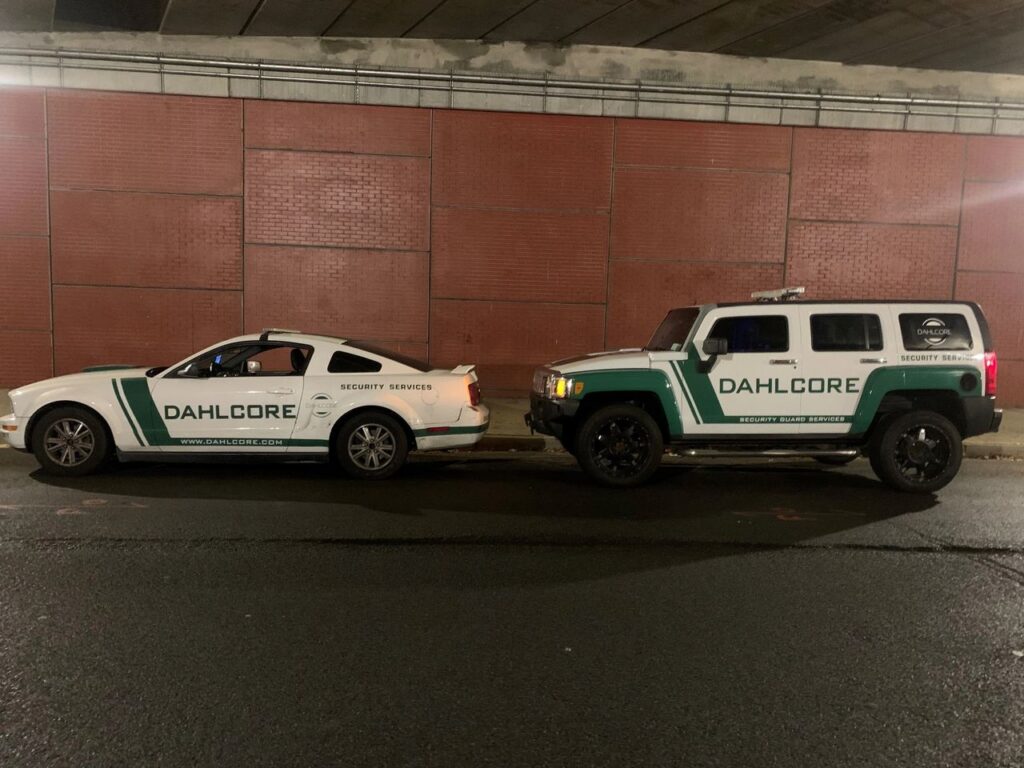
Logs, Compliance, and Reporting
A fire watch log is the official record of patrols, hazards, and actions taken while the fire guard is on duty, and authorities often ask to see it when verifying compliance. Keeping an accurate log shows that you followed your impairment plan and took reasonable steps to protect occupants and property during system outages or hot work.
A practical fire watch log typically includes:
- Date, start/end times of the fire watch, and guard names or IDs.
- Time‑stamped patrol entries with areas checked and observations.
- Hazards found (blocked exits, missing extinguishers, combustible storage) and how they were mitigated.
- Status of fire protection systems (e.g., alarm panel in trouble, sprinkler impairment, fire pumps offline).
- Any alarms, smoke, or fire events, including when 911 was called and which authorities responded.
Dahlcore emphasizes code‑aware documentation and trains its fire watch guards to maintain clear, legible logs that align with typical NFPA fire watch expectations and local fire code practices in New York City. In this article, you can internally link phrases like “fire watch guard duties” to your detailed job‑overview post, and “how to select the right fire watch guard service” to your service‑selection guide to help users explore related topics.
Fire Safety and Emergency Response
Referencing credible government resources is crucial to understand the importance of fire safety regulations and emergency response protocols. The U.S. Fire Administration (USFA) provides extensive information on fire prevention, safety tips, and emergency preparedness strategies (www.usfa.fema.gov). Additionally, the Occupational Safety and Health Administration (OSHA) offers guidelines on workplace fire safety, emphasizing compliance with fire safety standards to protect lives and property. These trusted resources reinforce the critical role of fire guards in safeguarding premises and maintaining safety standards.
Frequently Asked Questions
What does a fire guard do during a system outage?
During a fire alarm or sprinkler outage, a fire guard provides continuous fire watch by patrolling affected areas, monitoring for smoke or fire, and checking that exits and egress routes remain clear. They document each patrol in a fire watch log and are ready to raise the alarm manually, call 911, and start evacuations if anything is detected.
How often should a fire guard patrol?
Patrol frequency depends on the size, layout, and risk level of the building, as well as local code or fire marshal instructions. Many impairment plans require near‑continuous rounds during high‑risk conditions, and your Authority Having Jurisdiction should always provide the final word on how often patrols must occur.
What is a fire watch log?
A fire watch log is the written record your fire guard keeps during a fire watch, showing exactly when and where patrols took place and what was observed. It usually includes times, areas checked, hazards found and corrected, system status, and any alarms or calls to emergency services, helping demonstrate compliance if inspectors or insurers review the event.
Is a fire guard required for hot work?
Many standards and local codes require a designated fire watch whenever hot work, such as welding, cutting, or brazing, is performed in areas where a fire could spread. The fire watch guard must monitor the work area during operations and stay for a specified period afterward to catch smoldering materials or delayed ignition.
Fire guard vs fire watch — are they the same?
In everyday use, “fire guard,” “fire watch guard,” and “fire watch security guard” usually refer to the same function: a trained person assigned to watch for fires and respond during higher‑than‑normal risk. Some jurisdictions may use specific terms in permits or job classifications, but in practice, the duties—patrolling, logging, hazard mitigation, and emergency response—are very similar.
Check other blogs:
The Night Patrol Checklist: What Security Guards Look Out For
Workplace Safety and Security Procedures
Top 11 Reasons to Become a Security Guard
Do Bodyguards Live with Celebrities? 24/7 Security & Privacy
