

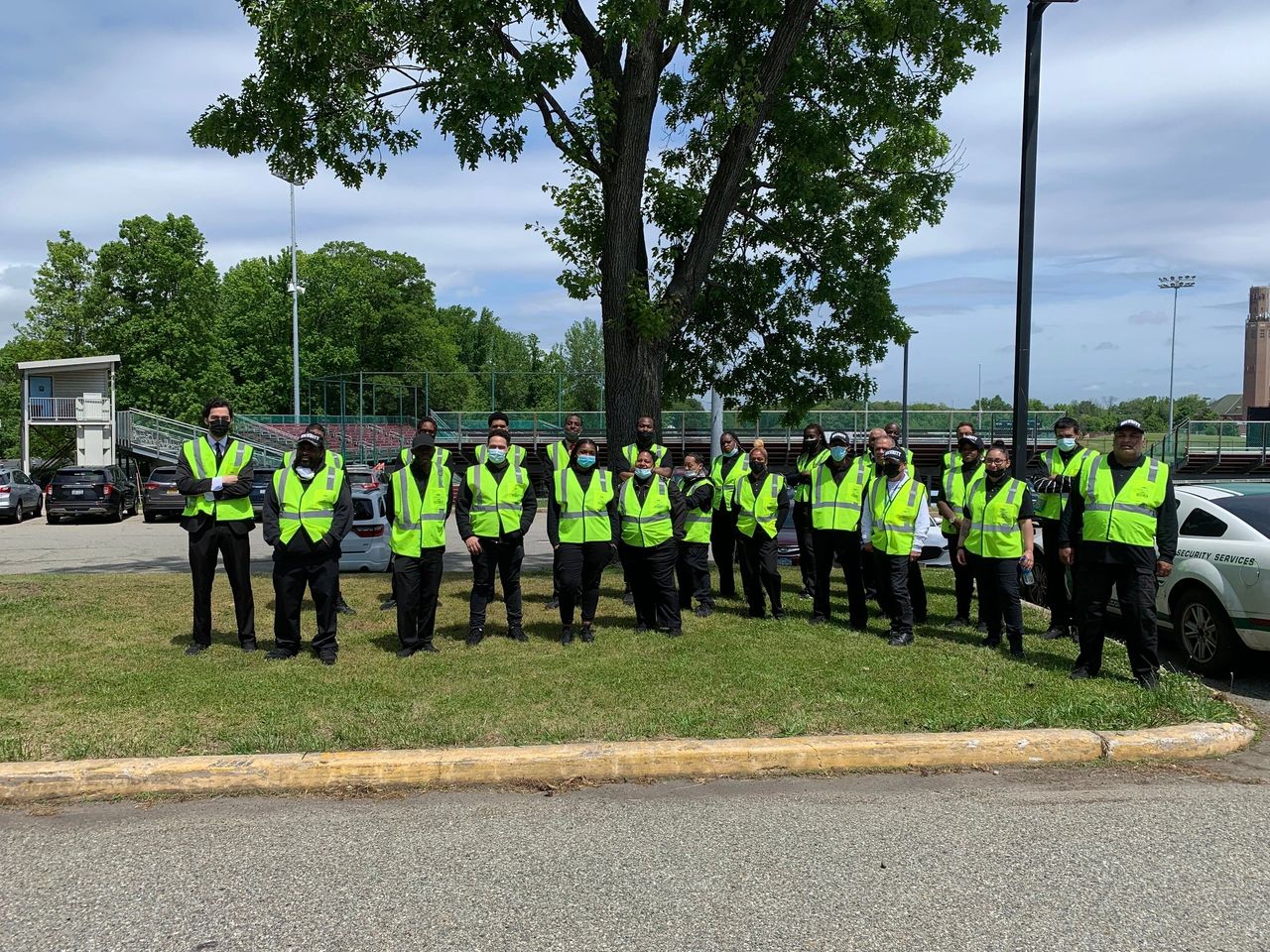
In today’s world, security is of utmost importance. Whether protecting a commercial building, a public space, or an individual, security guards serve as the frontline defense. But what makes a security guard genuinely effective? The answer lies in the 4 Ps: Prevention, Protection, Patrolling, and Professionalism. These principles form the foundation of the profession and guide the conduct and performance of security guards.
The Growing Importance of Security
As society grows more complex, the need for comprehensive security services has surged. These services address a wide array of threats beyond just physical protection. Modern security now involves safeguarding against cyber threats, terrorism, and other emerging risks. Security guards play a pivotal role in mitigating these dangers by protecting people, assets, and critical information in an increasingly uncertain world.
Defining the Role of a Security Guard
A security guard’s role extends far beyond simply being a visible presence. They are responsible for monitoring and assessing potential threats, taking swift action in emergencies, and maintaining a secure environment. Their duties also involve effective communication, conflict resolution, and staying vigilant to prevent incidents before they happen.
The 4 Ps of a Security Guard: An Overview
The 4 Ps framework provides a clear structure that guides security guards in their daily duties. Each P represents a core principle, and together, they form a holistic approach to security.
A Framework for Professional Conduct
The 4 Ps—prevention, Protection, Patrolling, and Professionalism—are crucial pillars for ensuring safety in any environment. By focusing on prevention, security guards can identify and mitigate risks before they escalate, while protection emphasizes safeguarding people and property. Patrolling and Professionalism ensure constant vigilance and ethical conduct, creating a secure atmosphere.
Why These 4 Ps are Essential for Security Guards
These principles serve as a foundation for security guards to carry out their duties with precision and Professionalism. By offering clear guidance, they help navigate complex situations while maintaining ethical standards. Ultimately, they ensure that security guards provide consistent, high-quality service and uphold public trust.
P1: Prevention – The First Line of Defense
Prevention is the first and arguably the most important of the 4 Ps. Security guards must be vigilant in identifying potential threats before they escalate.
Understanding the Preventative Role
Prevention relies on foresight and sharp observational skills to identify potential threats early. Security guards are trained to recognize suspicious behavior, analyze potential risks, and implement measures to prevent incidents. By maintaining a visible presence and employing proactive strategies, they deter criminal activity before it escalates.
Common Prevention Strategies Used by Security Guards
Security guards employ a range of techniques to maintain safety, from monitoring surveillance systems to performing detailed inspections of premises. They often enforce strict access control protocols, ensuring that only authorized individuals gain entry to restricted or sensitive areas. Additionally, they may conduct regular patrols and respond to alarms or suspicious activities to prevent potential incidents.

P2: Protection – Ensuring Safety and Security
While prevention is key, security guards must also be prepared to protect when necessary. Protection involves safeguarding people, property, and information.
Active and Passive Protection Measures
Active protection involves direct actions, such as physical intervention or responding to immediate threats, while passive protection focuses on preventive measures like securing doors or monitoring alarms. Both strategies work together to create a comprehensive security system. Active protection addresses real-time incidents, while passive protection helps deter potential risks.
How Security Guards Balance Protection and Freedom
One key challenge for security guards is maintaining a balance between ensuring safety and respecting individuals’ freedom and comfort. Effective security guards protect people and property while avoiding actions that could feel invasive or overly controlling. By using tact and clear communication, they provide a secure environment without compromising the personal space or rights of those they safeguard.
P3: Patrolling – Maintaining a Strong Presence
Patrolling is a visible deterrent to potential criminals. A security guard’s presence alone can often prevent unlawful activity.
Different Types of Patrolling
Patrolling can be conducted on foot, by vehicle, or even remotely through surveillance systems, allowing for flexibility in monitoring different areas. Each method has its own advantages depending on the environment; for instance, foot patrols offer a personal touch and the ability to access tight spaces, while vehicle patrols provide coverage over larger areas quickly. Remote surveillance systems can enhance security by providing real-time monitoring without the need for physical presence, making them ideal for monitoring high-risk or expansive locations.
Why Visibility is Critical for Deterrence
A well-timed patrol can stop a crime before it even happens, acting as a proactive deterrent. The presence of visible security guards signals to potential wrongdoers that the area is actively monitored, creating an environment where criminal activity is less likely to occur. By maintaining a consistent patrol schedule, security personnel can instill a sense of safety in the community and encourage law-abiding behavior among residents and visitors alike.
P4: Professionalism – Upholding Standards
The final P, Professionalism, ensures that security guards adhere to high standards of conduct. A professional security guard is punctual, reliable, and maintains a calm demeanor in stressful situations.
Characteristics of a Professional Security Guard
Professional security guards are extensively trained to handle various situations, ensuring they are prepared for any challenges that may arise. Their respectful demeanor fosters trust and cooperation with the public and clients, enhancing overall safety and security. Moreover, their excellent communication skills enable them to convey important information effectively, defuse conflicts, and maintain a calm and secure environment.
Importance of Ethics and Integrity in Security
Professionalism encompasses a commitment to ethical behavior, which is crucial in the security field. Security guards must not only follow legal regulations but also uphold moral standards, demonstrating integrity and respect for the rights of individuals they encounter. By embodying these principles, security professionals foster trust within the community and enhance the credibility of their role.

How the 4 Ps Work Together for Optimal Security
The 4 Ps—prevention, Protection, Patrolling, and Professionalism—work synergistically to ensure security guards perform their duties effectively. Each principle supports the others, creating a well-rounded approach to security. Without any one of these elements, the overall security strategy would be compromised.
Integrated Security Approaches
A security guard cannot solely focus on one “P” at a time, as their role demands a multifaceted approach to safety. For instance, while patrolling, they maintain a visible presence that actively deters potential threats while also being prepared to respond quickly to any incidents that arise, thereby ensuring protection. This integrated approach not only enhances overall security but also reflects professionalism in their conduct, enabling them to manage multiple aspects of safety effectively.
Case Studies on Effective Application of the 4 Ps
- Event Security: During significant public events, security guards need to maintain a strong balance of all 4 Ps. Prevention involves assessing potential risks in the crowd and monitoring for suspicious behavior. Protection comes into play by securing entrances and exits and ensuring crowd control. Patrolling the event grounds ensures visibility, while Professionalism ensures the guard interacts respectfully with attendees.
- Retail Security: In a retail environment, security guards focus on preventing theft by monitoring suspicious behavior. They protect customers and employees, patrol the premises to ensure a presence in high-risk areas, and maintain Professionalism when dealing with customers or suspects.
The Role of Training in Enhancing the 4 Ps
Ongoing training is essential for security guards to effectively apply the 4 Ps. As security threats evolve, so too must security personnel’s skills and knowledge. Training programs enhance a guard’s ability to prevent incidents, protect assets, patrol efficiently, and maintain Professionalism under pressure.
Security Guard Training Programs
Most security guards receive basic training in observation, reporting, emergency response, and conflict resolution. However, specialized training programs focus on developing advanced skills such as surveillance, counter-terrorism, and cyber security awareness, all of which can enhance the application of the 4 Ps.
Continuous Improvement Through Advanced Training
Security is a dynamic field, and continuous improvement is key. Security guards who undergo regular training and skills development are better prepared to handle new and emerging threats. This ongoing education helps them stay sharp and ready to adapt the 4 Ps to different environments and scenarios.

Technologies That Assist Security Guards in Applying the 4 Ps
Modern technology plays a vital role in enabling security guards to perform their duties more effectively. From surveillance systems to communication tools, technology enhances the ability to prevent, protect, and patrol.
Modern Tools for Prevention and Protection
Security cameras, motion detectors, and access control systems are essential tools that empower security guards to prevent unauthorized access and monitor extensive areas effectively. By providing real-time alerts and surveillance footage, these systems enable guards to respond swiftly to potential threats, enhancing overall safety. Additionally, the integration of these technologies fosters a proactive security approach, allowing guards to intervene before situations escalate into more severe incidents.
The Use of Technology in Patrolling and Surveillance
GPS tracking has significantly improved patrolling capabilities, enabling security guards to monitor larger areas with greater efficiency and precision. Additionally, the integration of drones and remote surveillance systems provides advanced monitoring options, particularly for hard-to-reach locations that may otherwise be difficult to secure. When technology is combined with the physical presence of guards, it results in a robust and comprehensive security solution that enhances overall safety and response effectiveness.
Legal and Ethical Responsibilities of Security Guards
Security guards are bound by legal and ethical standards that govern their behavior. They must respect the rights of individuals while carrying out their duties and operate within the boundaries of the law.
Understanding Legal Boundaries
Security guards frequently encounter scenarios requiring them to navigate the delicate balance between enforcing security measures and respecting individual rights and personal freedoms. They must be well-versed in legal restrictions, including the boundaries on detaining individuals and the appropriate use of force, to ensure compliance with the law. By understanding these parameters, security personnel can effectively protect property and individuals while minimizing the risk of legal consequences and upholding ethical standards.
Ethical Dilemmas in Security
Ethical dilemmas frequently confront security guards, mainly when their responsibilities to protect private property conflict with the need to respect individual rights. These conflicts can create challenging scenarios where guards must make quick decisions that balance their duty to the property owner with the rights of individuals on the premises. To effectively navigate such situations, ongoing professionalism, and ethical training are essential, as well as equipping security personnel with the tools to uphold both the law and moral standards in their daily operations.
Challenges Faced by Security Guards in Applying the 4 Ps
While the 4 Ps provide a comprehensive framework, security guards often encounter challenges that can impede their effectiveness. These challenges require quick thinking, adaptability, and ongoing problem-solving skills.
Common Operational Hurdles
- Understaffing: Many security teams need to be more staffed, making it difficult to maintain consistent patrolling and protection measures.
- Lack of Resources: Guards may only sometimes have access to advanced technology or sufficient equipment, making prevention and protection efforts more difficult.
- Complex Environments: Large or complex sites, such as airports or industrial facilities, pose unique challenges for patrolling and prevention.
How to Overcome These Challenges
Security companies must invest in adequate staffing levels and advanced technology to ensure that guards are fully equipped to handle their responsibilities effectively. This includes providing access to modern surveillance systems, communication devices, and personal protective equipment, all of which enhance their ability to respond to incidents swiftly. Furthermore, establishing clear communication channels and offering ongoing training ensures that guards can adapt to challenging environments and unforeseen circumstances, ultimately improving the overall safety and security of the areas they protect.

Future Trends in Security Guard Practices
The security industry is continuously evolving, with new threats and technologies shaping how security guards operate. The future will likely see further integration of technology with the 4 Ps to create even more robust security solutions.
Evolving Threats and How Guards Adapt
As criminal tactics evolve, security guards must adapt by staying ahead of potential risks to ensure public safety and security. This requires embracing new methods of prevention, such as incorporating advanced cybersecurity measures to protect sensitive data and information systems from cyber threats. Additionally, utilizing innovative tools like facial recognition technology enhances their ability to identify and respond to potential threats swiftly, ultimately leading to more effective protection for the areas they oversee.
The Future of Patrolling and Surveillance Technology
Advancements in AI and machine learning promise to significantly enhance the efficiency of security patrols by providing real-time data analysis and threat detection. Automated systems can empower security guards to monitor larger areas with improved accuracy, allowing for quicker response times and more effective surveillance. Additionally, the integration of drones and robotic patrol units can complement traditional patrolling methods, offering aerial perspectives and covering ground that may be challenging for human guards to access.
FAQs About Security Guards and the 4 Ps
What is the most critical P among the 4?
All 4 Ps are essential and work together to ensure effective security. However, prevention is often considered the most critical because stopping incidents before they occur is the ultimate goal of security.
How can I become a security guard?
Depending on your region, to become a security guard, you typically need to undergo training and obtain a license. Training includes learning about the 4 Ps and gaining skills in observation, emergency response, and conflict resolution.
What type of training do security guards receive?
Security guards receive training in various areas, including emergency response, surveillance, conflict management, and legal procedures. Advanced training may include specialized skills for handling specific security environments, such as airports or significant events.
Can a security guard arrest someone?
Security guards generally have different legal authority than police officers. However, in certain situations, they may detain individuals suspected of committing a crime until law enforcement arrives.
What equipment do security guards use?
Security guards use a variety of equipment, including radios for communication, surveillance systems, access control devices, and sometimes non-lethal weapons like batons or pepper spray, depending on their role and local regulations.
What are the most common challenges security guards face?
Security guards face challenges such as understaffing, balancing customer service with security duties, and managing large or complex environments. They must also remain vigilant against evolving threats and adapt to new technologies.
Conclusion: The Essential Role of Security Guards in Modern Society
Security guards play a crucial role in maintaining safety and order in today’s increasingly complex world. The 4 Ps—Prevention, Protection, Patrolling, and Professionalism—provide a solid framework for security guards to perform their duties effectively. By focusing on Prevention, guards can proactively identify and mitigate potential threats before they escalate into dangerous situations. Protection emphasizes the importance of safeguarding individuals, property, and sensitive information from harm or theft. Through consistent Patrolling, guards enhance visibility and deter criminal activities, while Professionalism fosters trust and confidence in the community, reinforcing their commitment to upholding safety standards.
Explore our other blog posts here
Secure Your Multi-Family Residence: Innovative Guard Alternatives
Security Guard Services: Key to Mitigating Construction Risks
