

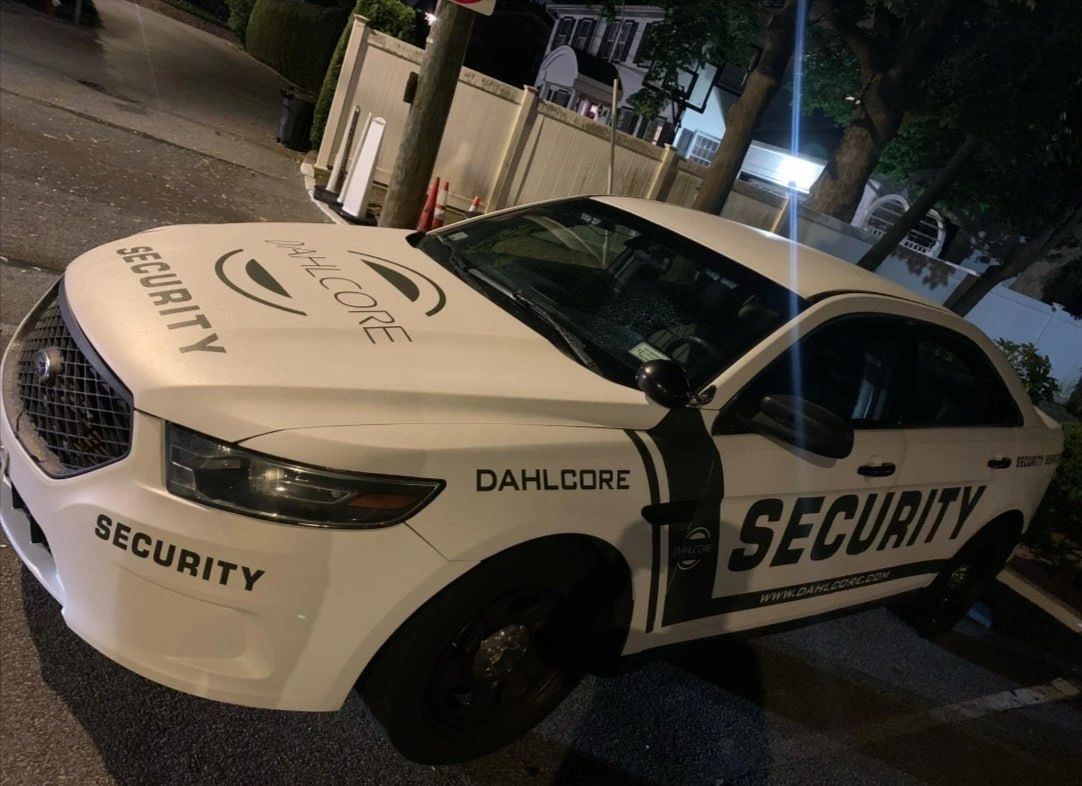
The concept of patrolling is fundamental to maintaining order and security in various sectors, particularly law enforcement and private security. Whether conducted on foot, by vehicle, or through specialized means, patrols are the backbone of proactive crime prevention and community safety. Understanding the purpose and benefits of patrols can help us appreciate their role in creating a safe and secure environment. In this article, we will explore the purpose of a patrol, its history, types, and key benefits while addressing how modern advancements are shaping the future of patrolling. According to JWM, Security patrols are regular monitoring of specific areas by security personnel to detect, deter and respond to potential threats and security hazards.
What Is a Patrol?
Defining the Concept of Patrols
At its core, a patrol involves a group of officers or security personnel moving through an area to observe and monitor for suspicious activity. Patrols are designed to detect potential threats and assist and prevent criminal acts. Their presence alone can serve as a deterrent, making people think twice before committing unlawful actions. Patrols are an essential tool for maintaining order in public spaces, businesses, and even private neighborhoods.
Types of Patrols
Different types of patrols are used depending on the environment and the security team’s goals. The most common types include foot patrols, vehicle patrols, and specialized patrols such as those involving canine units or mounted officers. Each type has its own advantages depending on the terrain and the nature of the potential threats.
The History of Patrolling
Evolution of Patrols Through Time
The concept of patrolling dates back to ancient times when civilizations like the Romans and Greeks employed guards to patrol city streets and borders. Over the centuries, patrols have evolved from simple foot soldiers guarding their territory to modern-day law enforcement teams equipped with advanced technology.
Role of Patrolling in Modern Security Practices
Today, patrolling is an integral part of law enforcement strategies worldwide. Beyond its traditional role of crime prevention, patrolling gathers intelligence, responds to emergencies, and fosters stronger relationships between police and the community. Modern patrols are enhanced by technologies such as surveillance cameras, GPS tracking, and real-time communication systems, making them more effective than ever.
Purpose of a Patrol
Ensuring Safety and Security
The primary purpose of a patrol is to ensure the safety and security of a specific area by maintaining a visible presence and deterring potential threats. Patrol officers are tasked with actively monitoring their surroundings for any signs of trouble, responding promptly to emergencies, and providing assistance to individuals in distress. Their consistent and proactive presence helps to create a sense of safety within the community and often acts as a deterrent to criminal activity, preventing incidents before they escalate.
Deterrence of Criminal Activity
Visible patrols act as a strong deterrent to crime by signaling an increased likelihood of detection and apprehension. When potential wrongdoers observe uniformed officers or security personnel actively monitoring an area, their fear of getting caught discourages them from engaging in illegal activities. This proactive approach not only helps lower crime rates but also fosters a greater sense of safety and order within the community.
Enhancing Community Confidence
Patrols also play an essential role in bolstering the community’s confidence by visibly demonstrating law enforcement’s commitment to public safety. As officers actively patrol the neighborhood, residents gain a heightened sense of security and reassurance, knowing that their safety is a priority. This increased sense of protection often translates into enhanced cooperation between the public and police, nurturing a deeper trust and facilitating open communication channels.
What is the reason for patrolling?
Patrolling serves as a foundational security strategy designed to accomplish several goals:
- Crime Prevention: The primary reason for patrolling is to prevent crime through a visible enforcement presence, which can intimidate potential offenders.
- Community Engagement: Patrols facilitate interaction with the community, allowing officers to build trust and gather valuable insights about the concerns of residents.
- Incident Prevention: By monitoring for unusual activity, patrols can prevent incidents before they escalate into more serious problems.
- Safety Inspections: Routine patrols include safety inspections of public areas and private property to ensure that safety regulations are adhered to and that there are no immediate risks to public safety.

Key Benefits of Patrolling
Visible Presence for Deterrence
A key benefit of patrolling is its ability to deter criminal activity through visibility. The presence of patrol officers acts as a strong deterrent, signaling to potential criminals that their actions are being closely monitored and increasing the risk of apprehension. This heightened awareness can lead to a reduction in illegal behavior, as the perceived risk of getting caught outweighs the potential benefits of committing a crime.
Gathering Intelligence
Patrol officers are frequently the first responders to notice unusual behavior or potential threats within their patrol areas. Through their proactive engagement with the community and keen observation of routine activities, they are able to collect crucial intelligence. This information is essential for preventing future criminal activities and effectively addressing existing security concerns.
Quick Response to Incidents
Because patrol officers are already on the scene, their immediate presence allows for rapid intervention and assessment of the situation, which significantly reduces response times. This enhanced speed is crucial in emergency scenarios, where timely action can make the difference between resolving an issue effectively and letting it escalate. The ability to act swiftly not only helps in managing the current crisis but also in preventing further complications that might arise from delays.
Strengthening Public Relations
Patrolling not only allows officers to maintain visibility but also fosters meaningful interactions with community members. Through regular engagement, officers can provide immediate assistance, clarify any misunderstandings, and listen to the concerns of residents. This proactive approach helps to create a positive rapport and strengthens the bond between law enforcement and the community, ultimately enhancing mutual trust and cooperation.
Types of Patrols
Foot Patrol
Foot patrols are the most traditional form of patrolling, allowing officers to immerse themselves fully in the community they serve. By walking through an area, officers can engage directly with the public, building trust and rapport while observing their surroundings in detail. This hands-on approach not only helps in preventing crime but also ensures immediate assistance can be provided in densely populated urban areas where visibility and accessibility are crucial.
Vehicle Patrol
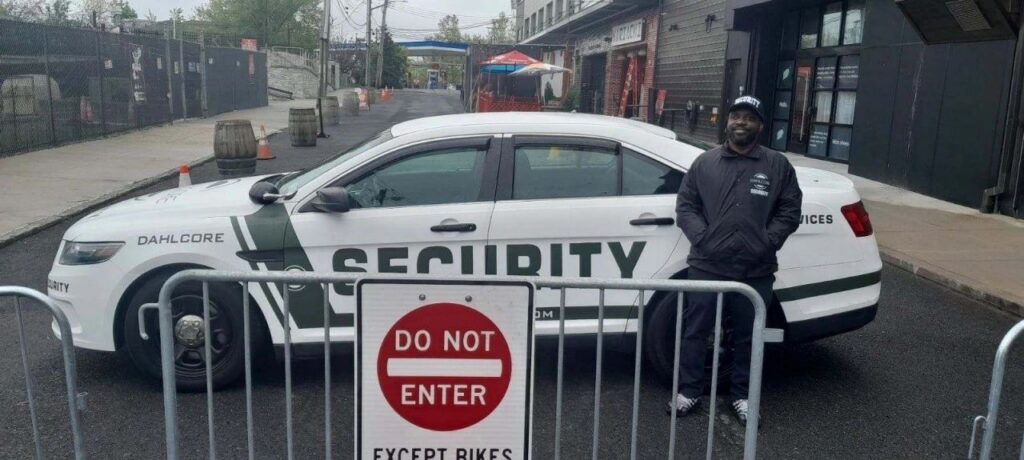
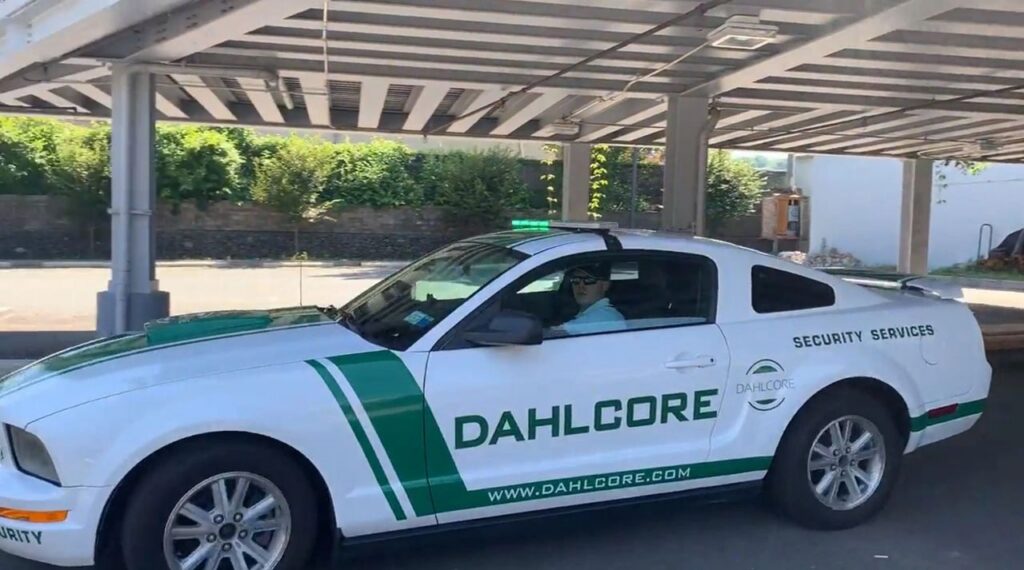
Vehicle patrols enable officers to cover more ground efficiently and address various situations promptly, enhancing overall response times. Equipped with advanced communication tools, police cars and security vehicles facilitate swift coordination and incident management across expansive areas. This approach proves particularly effective in rural or suburban regions, where geographic distances can otherwise impede rapid response and law enforcement presence.
Specialized Patrols
In some cases, specialized patrols may be used, such as canine units, mounted patrols (on horseback), or bike patrols. These types of patrols are employed in situations where unique skills or equipment are needed, such as searching for drugs, handling large crowds, or navigating difficult terrain.
What is the purpose of the Safety Patrol?
The Safety Patrol, often found in schools and neighborhood settings, focuses on the safety and well-being of pedestrians, especially children. The purposes of a Safety Patrol include:
- Enhancing Pedestrian Safety: Members of a Safety Patrol are trained to assist children in crossing streets safely, helping to prevent accidents near school zones.
- Promoting Safe Practices: Safety Patrols educate their peers on safe pedestrian practices and reinforce the rules of road safety.
- Leadership Development: For the members, participating in a Safety Patrol helps develop leadership skills, responsibility, and a sense of community service.
- Emergency Response: Safety Patrols are also trained to respond to various emergencies, providing immediate assistance or alerting authorities when necessary.
These descriptions underscore the importance of patrols in maintaining security and safety in different environments, each tailored to the specific needs and challenges of the area they cover.
Factors Influencing Effective Patrolling
Training and Skills of Officers
The effectiveness of a patrol largely depends on the training and skills of the officers involved, as their expertise directly influences their response to various scenarios. Well-trained officers are not only adept at handling high-pressure situations but also excel in communication and conflict resolution, which enhances public trust and safety. Additionally, their ability to perform critical tasks, such as providing emergency medical assistance, significantly impacts their overall effectiveness and the community’s well-being.
Deployment Strategies
Effective deployment strategies are crucial for optimizing law enforcement efforts. By analyzing crime data, community needs, and specific vulnerabilities, agencies can strategically plan patrol routes and allocate resources more effectively. This targeted approach not only enhances the safety and security of the community but also ensures that officers are deployed in areas with the highest need, maximizing their impact and efficiency.
Challenges Faced in Patrolling
Limited Resources
One of the biggest challenges in patrolling is the limitation of resources. Police departments and security agencies often face the challenge of doing more with fewer personnel and limited equipment, which can strain their ability to cover large areas effectively. This resource constraint can lead to increased response times, reduced visibility, and diminished overall effectiveness in maintaining public safety and security.
Risk of Officer Fatigue
Patrolling can be physically and mentally exhausting due to the demanding nature of the job, requiring officers to remain vigilant and active for extended periods. The long hours spent on duty, particularly in high-stress or challenging environments, can lead to significant fatigue and decreased alertness. This fatigue impacts an officer’s overall well-being and also compromises their ability to perform their duties effectively and make sound decisions.
Environmental Conditions
Weather and environmental conditions can also pose significant challenges for law enforcement officers. Extreme heat may cause physical exhaustion and increase the risk of heatstroke, while severe colds can lead to frostbite and hypothermia, impeding their ability to perform duties effectively. Additionally, dangerous terrain, such as rough, uneven ground, or densely wooded areas, can complicate mobility and increase the risk of accidents, making patrolling both difficult and hazardous.
Tools and Technology in Modern Patrols
Communication Devices
Modern patrols rely heavily on advanced communication tools such as radios, mobile phones, and GPS systems to stay connected and respond swiftly to emergencies. Radios allow for real-time voice communication, ensuring officers can coordinate effectively in high-pressure situations. Mobile phones and GPS systems provide additional layers of support by facilitating instant updates and precise location tracking, which significantly enhances the coordination between officers and their base of operations.
Surveillance and Monitoring Equipment
Surveillance cameras, drones, and other monitoring technologies have become essential in modern patrolling efforts, revolutionizing the way officers conduct surveillance. By deploying these advanced tools, patrol officers can cover extensive areas with greater efficiency, quickly identifying and responding to potential threats. Additionally, the real-time data collected from these devices enhances situational awareness and improves overall response times, contributing to more effective and proactive law enforcement.
Patrolling in Different Sectors
Law Enforcement Patrolling
Patrolling is a crucial crime prevention and law enforcement tool. Police officers routinely patrol neighborhoods, commercial areas, and public spaces to ensure safety and maintain public order. The presence of law enforcement officers on patrol not only deters crime but also provides a sense of security to the public. Officers are trained to identify suspicious activity, gather intelligence, and respond rapidly to emergencies, making patrols an integral part of modern policing.
Private Security Patrols
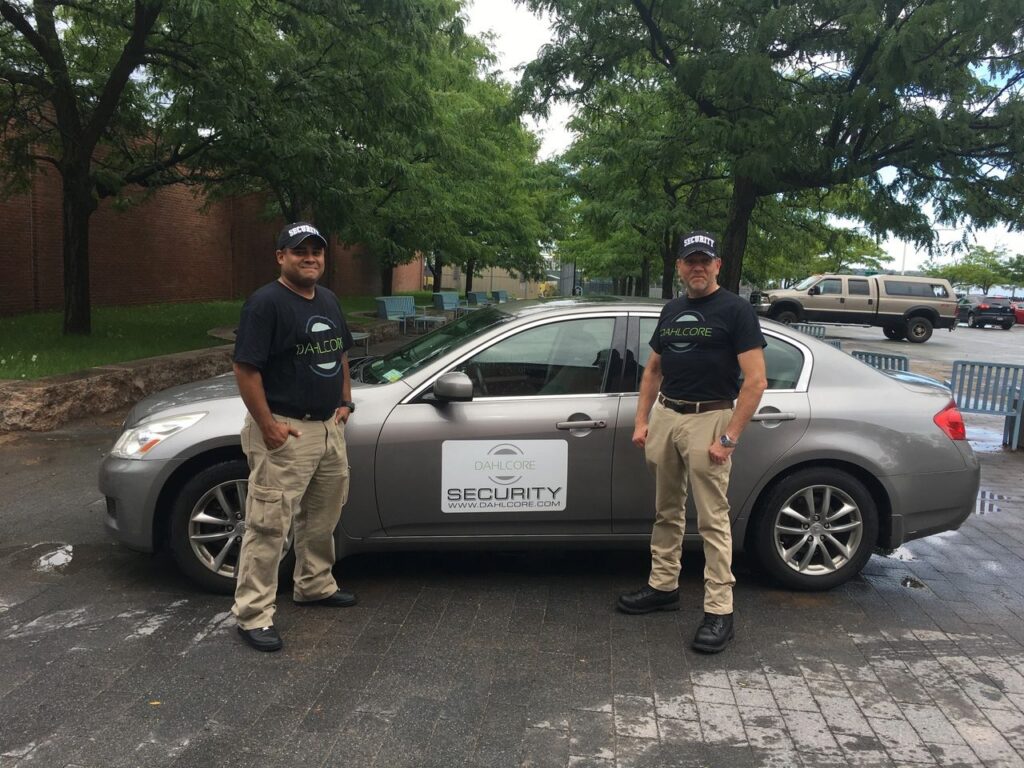
Private security patrols are common in businesses, residential areas, and private properties. They are often conducted by security personnel hired to safeguard private assets, protect employees or residents, and prevent theft or vandalism. Unlike law enforcement, private security patrols are typically restricted to specific locations and focused on protecting property rather than enforcing laws. However, their role is no less significant in creating a safe and secure environment for private entities.
Patrols and Community Involvement
Building Trust Between Officers and Communities
A significant aspect of patrolling is the relationship it fosters between officers and the communities they serve. Regular patrolling helps build trust and cooperation between law enforcement and residents. Officers on foot patrol, in particular, have the opportunity to interact with community members, address concerns, and gain a better understanding of the issues facing the neighborhood. This engagement helps create a more transparent and approachable image of law enforcement, promoting mutual trust.
Collaborative Efforts for Neighborhood Watch
Community initiatives like neighborhood watch programs often support patrolling. In these collaborative efforts, residents partner with local law enforcement to monitor their neighborhoods and report suspicious activity. This sense of shared responsibility between law enforcement and the community strengthens the effectiveness of patrols and enhances the overall security of the area.
Future Trends in Patrolling
Role of AI and Drones in Patrolling
As technology advances, so too does the future of patrolling. Artificial intelligence (AI) and drones are playing an increasingly important role in modern security operations. AI can assist in predictive policing by analyzing patterns and data to forecast where crimes are most likely to occur, allowing patrols to be more targeted. Drones, on the other hand, offer the ability to monitor large areas from above, providing real-time surveillance and reducing the need for physical patrols in dangerous or remote locations.
Predictive Policing Techniques
Predictive policing is another growing trend that is reshaping patrols. By analyzing historical crime data, law enforcement agencies can predict areas where crimes are likely to occur and deploy patrols more effectively. This data-driven approach increases patrol efficiency, allowing officers to focus their efforts where they are most needed.
How Patrols Enhance Emergency Response
Coordinating with Other Emergency Services
Patrolling plays a vital role in emergency response by acting as the first line of defense when incidents occur. Patrol officers are often the first to arrive at the scene of an emergency, whether it’s a crime, accident, or natural disaster. They are trained to coordinate with other emergency services, such as fire departments, medical teams, and disaster response units, ensuring that help arrives quickly and efficiently.
Improving Response Times
Because patrol officers are already on the ground and mobile, they can respond to incidents more quickly than stationary officers. This immediate response capability is crucial in life-threatening situations where every second counts. In cases of medical emergencies, for example, patrol officers can administer first aid until paramedics arrive, potentially saving lives.
What is the purpose of the patrol?
The purpose of a patrol, particularly in the context of security, is to maintain safety and deter criminal activity by providing a visible presence in a specified area. Patrolling can be conducted by security personnel, police officers, or community watch groups, and serves several key objectives:
- Deterrence: The presence of patrol units helps deter potential criminals by increasing the risk of detection and apprehension.
- Detection: Patrols are crucial for the early detection of suspicious activities or hazards, allowing for timely intervention.
- Response: Patrolling enables immediate response to incidents, emergencies, or any breaches of security, ensuring that situations are handled swiftly.
- Assurance: Regular patrols provide peace of mind to the community or occupants of a patrolled area, reinforcing the commitment to safety and security.
- Information Gathering: Officers on patrol can gather useful information about the area, identifying potential security risks or changes in the environment that may require attention.
Enhancing Understanding Through Government Insights
To further enhance the understanding of the critical role that patrols play in maintaining public safety, several authoritative resources provide in-depth insights. The United States Department of Justice offers a comprehensive overview of community policing, which includes patrolling strategies aimed at crime prevention and community trust building. This can be explored in detail through their official website, providing evidence of effective patrolling techniques (U.S. Department of Justice). Additionally, the National Institute of Justice, another reputable source, discusses innovations in policing, including the use of technology in patrols, which aligns with modern patrolling practices (National Institute of Justice).
FAQs
What is the main purpose of a patrol?
The main purpose of a patrol is to ensure safety, prevent crime, and provide a visible presence that deters criminal activity. Patrols also help gather intelligence, respond to emergencies, and foster trust within the community.
How do patrols help deter crime?
Patrols deter crime by providing a visible presence in an area, which makes potential wrongdoers think twice before engaging in illegal activities. The knowledge that law enforcement or security personnel are nearby can discourage criminal behavior.
What types of patrols exist?
Several types of patrols are available, including foot patrols, vehicle patrols, and specialized patrols such as canine or mounted units. The choice of patrol depends on the environment and the area’s specific security needs.
How do patrols benefit the community?
Patrols benefit the community by improving public safety, deterring crime, and building stronger relationships between officers and residents. A visible patrol presence can also enhance community confidence in law enforcement.
What challenges do patrol officers face?
Patrol officers often face challenges such as limited resources, physical and mental fatigue, and difficult environmental conditions like extreme weather. Despite these challenges, patrols remain a critical component of maintaining security.
What role does technology play in modern patrols?
Technology plays a significant role in modern patrols by enhancing communication, improving surveillance, and enabling data-driven decision-making through predictive policing. Tools such as AI and drones allow for more efficient and effective patrol strategies.
Final Thoughts on Patrolling
Patrolling is a foundational element of security, playing a key role in crime prevention, emergency response, and community relations. Advances in technology and collaborative efforts with the community heightened patrols’ effectiveness. Whether in law enforcement or private security, patrols will continue to evolve, ensuring that they remain a crucial tool in maintaining safety and order in our society.
Conclusion
In summary, patrolling serves a multitude of essential functions in both public and private sectors. From deterring crime and ensuring public safety to gathering intelligence and strengthening community relations, patrols are a critical component of modern security efforts. As new technologies like AI and drones become integrated into patrolling strategies, the future of patrols looks even more promising, with enhanced efficiency and effectiveness. Understanding the purpose and benefits of patrols helps us appreciate the tireless work of those who protect and serve our communities.
Check other blogs
Easy Steps to Check NYS Security Guard License Status Online
What is an Executive Protection Agent and How They Operate
Security Beyond the Physical: Why It Matters More Than You Think
