

In today’s fast-evolving world, protecting assets is not just a business imperative but a personal priority. Whether safeguarding physical property, intellectual capital, or sensitive information, overnight asset protection requires a multifaceted approach. This article delves into the Top Strategies for Effective Security Asset Protection Overnight, offering insights on combining physical measures, technology, cybersecurity, and expert advice to ensure round-the-clock protection.
The Importance of Asset Security in Today’s World
In an increasingly interconnected and unpredictable environment, ensuring your assets are secure, especially during vulnerable nighttime hours, has never been more critical. The value of security extends beyond just property; it encompasses people, intellectual assets, and necessary data. When it comes to protecting assets overnight, one must account for different risks that arise after hours when security may be more easily compromised.
Identifying Valuable Assets
Asset protection starts by identifying and assessing the assets that need safeguarding, which can include physical items like equipment, buildings, or vehicles, as well as intangible assets such as sensitive data or intellectual property. The specific risks and vulnerabilities associated with each asset must be considered to develop an effective security strategy. This strategy will be tailored based on the asset’s value, potential threats, and the best methods for ensuring its protection.
Potential Threats to Assets During Nighttime
Nighttime security poses unique challenges. Risks often heighten at night due to reduced staffing, lower visibility, and potential vulnerabilities in both physical and cyber security measures. Identifying potential threats—from break-ins, vandalism, and theft to cyberattacks on digital infrastructure—enables businesses to implement comprehensive security solutions.
Asset Protection Overnight? No Problem
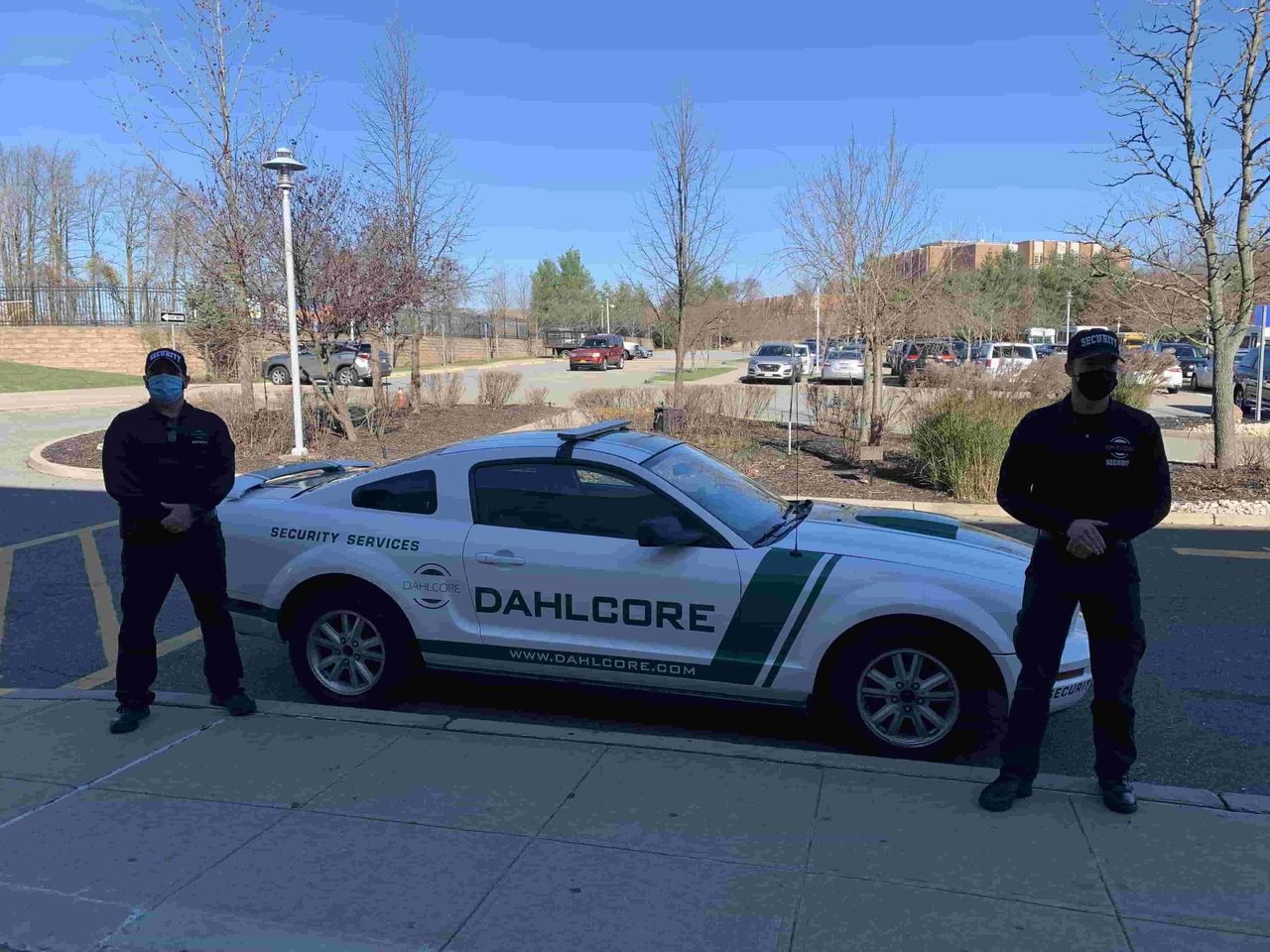
Security guards provide round-the-clock protection for valuable assets, ensuring safety during vulnerable nighttime hours. Their presence deters theft, vandalism, and unauthorized access, while regular patrols ensure any suspicious activity is quickly addressed. With skilled guards monitoring your property, you can rest easy knowing your assets are safeguarded 24/7, reducing risks even during off-hours.
Physical Security Measures
Physical security forms the foundation of overnight asset protection. While the landscape of security has evolved with the rise of technology, traditional methods still play an essential role.
Security Guards and Patrols
Having trained personnel on-site is a proven deterrent to criminal activity, providing both a visible presence and immediate response capabilities. Security guards and patrolling teams offer continuous, real-time surveillance, enabling them to address potential threats or incidents quickly. Equipping guards with advanced communication devices further strengthens their ability to coordinate effectively, ensuring a robust defense against intruders.

Physical Barriers: Fences, Gates, and Walls
Physical barriers provide an essential first layer of security by preventing or delaying unauthorized access to a property or restricted area. Well-constructed and maintained fences, gates, and walls act as visual and physical deterrents, discouraging potential intruders from attempting entry. These barriers also create a buffer, giving security personnel or automated systems time to respond effectively to breaches.
Why Are Security Guards Necessary?
Security guards are essential in maintaining safety, particularly in high-risk environments such as corporate offices, shopping malls, and event venues. Their duties go beyond deterring criminal activities, as they provide immediate responses to emergencies, manage crowd control, and ensure proper security protocols are followed. Their training enables them to handle various threats efficiently, from theft and vandalism to more severe incidents like violence or terrorism. Moreover, their presence fosters a sense of safety and trust, enhancing the overall environment for employees, customers, and visitors.
Technology-Driven Security Solutions
Incorporating technology into security strategies adds another layer of protection. From real-time monitoring to automated systems, these solutions are particularly effective for overnight asset protection.
CCTV Cameras: Real-Time Monitoring
Closed-circuit television (CCTV) cameras are a staple in asset protection. With advanced camera systems offering 24/7 monitoring and remote access, businesses can observe their assets in real-time from anywhere. Modern systems also offer night vision capabilities, enhancing visibility in low-light conditions.
Motion Detection and Intruder Alarms
Motion sensors and intruder alarms play a crucial role in enhancing security by detecting unusual activity in real time, allowing for prompt responses to potential threats. When these systems are integrated with technologies like CCTV, they create a comprehensive security network that not only monitors but also actively deters intruders through immediate notifications and automated alarm triggers. This synergy not only increases the effectiveness of the security measures in place but also significantly reduces the likelihood of substantial damage or loss.
Smart Locks and Access Control Systems
When integrated with access control systems, smart locks offer a streamlined solution for tracking and managing entry and exit points within a facility. These advanced systems can be customized to grant or deny access based on user credentials, ensuring that only authorized personnel can enter sensitive areas. By restricting access to high-value assets and regions, organizations significantly enhance their security posture, reducing the risk of unauthorized entry and potential theft.

Cybersecurity for Digital Assets
In the digital age, cybersecurity is just as critical as physical security. Overnight asset protection must also include safeguarding data and digital infrastructure, as cybercriminals are always on the lookout for weak points, particularly during less active hours.
Firewalls and Antivirus Software
Installing robust firewalls and antivirus software is the first step in protecting digital assets, forming a critical barrier against cyber threats. These technologies not only help prevent unauthorized access but also actively monitor and filter network traffic to identify and block potential intrusions. Additionally, by reducing the risk of malware infections, they safeguard sensitive data and ensure the integrity of the organization’s information systems, creating a more secure digital environment.
Data Encryption for Remote Access
Encrypting sensitive information is paramount for businesses requiring remote access to data. Encryption adds an additional layer of protection, ensuring that even if data is intercepted, it remains unreadable to unauthorized users. By implementing robust encryption protocols, companies can safeguard their proprietary information and maintain compliance with data protection regulations, thereby enhancing customer trust and preventing potential data breaches.
Security Protocols and Procedures
Effective overnight security relies on well-defined protocols. Clear, established procedures ensure that all security measures are implemented consistently and can significantly reduce risks.
Creating a Security Checklist
Developing a detailed security checklist is essential for safeguarding all assets, as it systematically addresses every aspect of security management. This checklist should encompass a wide range of tasks, including securing physical access points, verifying the functionality of alarm and surveillance systems, and conducting regular inspections of the premises. Additionally, it is crucial to ensure that all staff members are adequately trained in overnight security protocols to maintain a secure environment and respond effectively to any potential threats.
Response Plans for Emergencies
Establishing clear, actionable response plans is crucial for effectively managing emergencies and minimizing potential harm. In scenarios such as security breaches, fires, or natural disasters, predefined procedures allow teams to act swiftly and efficiently, reducing chaos and uncertainty. By regularly reviewing and practicing these plans, organizations can ensure all personnel are prepared to respond effectively, ultimately safeguarding lives and property.
Collaborating with Security Experts
No matter how comprehensive your internal security strategy may be, collaborating with external security professionals can enhance asset protection.
Outsourcing Security Management
Hiring third-party security firms provides organizations with access to a wealth of experience and expertise that might not be available within their internal teams. These external security professionals can deliver specialized services, including advanced surveillance, robust access control measures, and effective incident management strategies, which significantly enhance overall asset protection. By leveraging the skills and knowledge of these firms, businesses can not only improve their security protocols but also focus on their core operations with greater peace of mind.

Training for In-House Security Teams
Even if security is managed in-house, training is crucial for maintaining an effective security team. Regular training sessions not only ensure that all team members are familiar with the latest security techniques, protocols, and technologies but also foster a culture of continuous improvement and vigilance. By prioritizing ongoing education, organizations can enhance their asset protection strategies and adapt to emerging threats more effectively.
Integrating Security with Insurance Policies
Security doesn’t end with physical and technological measures; it also includes financial protection. Integrating robust security with your insurance coverage can mitigate financial risks.
Evaluating Insurance Coverage for Assets
Regularly reviewing your insurance coverage is essential to ensure that all valuable assets are adequately protected against potential risks. By tailoring your policy to include specific protections against theft, cyberattacks, and natural disasters, you not only safeguard your belongings but also enhance your overall financial security. This proactive approach allows you to adapt your coverage to any changes in your circumstances, providing peace of mind knowing you’re prepared for the unexpected.
Risk Assessment and Reduction Strategies
Risk assessments play a crucial role in pinpointing potential vulnerabilities within an organization, allowing businesses to understand their specific security needs. By conducting these assessments on a regular basis, companies can proactively address and mitigate identified risks, which not only strengthens their overall security posture but also builds resilience against potential threats. Furthermore, as businesses demonstrate their commitment to risk management and improved security practices, they may qualify for reduced insurance premiums, leading to significant cost savings.
The Role of Lighting in Nighttime Security
Proper lighting is a simple yet highly effective deterrent against criminal activity. A well-lit area can prevent intruders from targeting your assets by eliminating places where they might hide.
Placement and Types of Security Lights
Installing lights in key areas such as entrances, exits, and parking lots can greatly enhance nighttime security by illuminating potential hiding spots and making it easier for individuals to navigate safely. Motion-activated lights are particularly effective, as they draw immediate attention to any movement in restricted areas, alerting both occupants and security personnel to possible intrusions. Additionally, well-lit spaces can deter criminal activity, as potential offenders are less likely to target well-lit locations where they can be easily seen.
How Lighting Enhances Deterrence
Criminals are significantly less likely to target well-lit areas, as the illumination increases the likelihood of detection and apprehension. The combination of enhanced visibility and the presence of witnesses creates an environment that can effectively deter potential intruders from attempting to breach your security. Furthermore, when outdoor lighting is strategically integrated with other security measures, such as cameras and alarms, it reinforces a comprehensive security strategy that further discourages criminal activity.

FAQs
How can I ensure my security systems are reliable overnight?
Regular maintenance and testing of security systems are key to ensuring reliability. Scheduled inspections help identify potential issues before they become vulnerabilities.
What are some low-cost security options for small businesses?
Motion-activated lights and simple alarm systems provide affordable yet effective security measures. Partnering with a local security company for occasional patrols can also be cost-effective.
How do smart locks improve overnight asset security?
Smart locks allow for remote access control, ensuring only authorized individuals can enter secure areas. They can also log entry data for audit purposes.
What role does employee training play in overnight security?
Properly trained employees understand the importance of following security protocols. Their vigilance can prevent breaches and help respond effectively to emergencies.
Can cloud-based security solutions enhance overnight protection?
Yes, cloud-based systems offer real-time updates and remote monitoring, allowing businesses to track assets anytime. They also provide backup storage for security footage and data.
How can businesses protect their digital assets when staff work remotely overnight?
Enforcing encryption and multi-factor authentication (MFA) helps secure remote access. Regular updates and cybersecurity training are also essential to protect data from breaches.
Conclusion
Protecting assets overnight requires a comprehensive approach, balancing physical security with advanced technology and cyber safeguards. Each element, from security guards to encrypted data, plays a vital role in minimizing risks. By staying proactive, businesses can address potential vulnerabilities before they are exploited. In the end, combining expert guidance with solid security practices ensures your assets remain protected even during the most vulnerable hours.
Check other blogs
7 Vital Facts: Time on LTD Before Employee Termination
Best Practices for Mobile Patrols on Construction Sites
Alarm Devices: 10 Essential Facts You Should Know
Loss Prevention Techniques:11 Key Strategies for Client Success
