


In the luxury hospitality industry, guest safety is paramount. Five-star hotels are not only a symbol of luxury but also a haven for their guests. Ensuring top-notch security measures is essential for maintaining these establishments’ reputations and trust. This article delves into the top security tips for five-star hotels, covering everything from advanced surveillance systems to comprehensive staff training and crisis management plans.
Understanding Hotel Security
Importance of Hotel Security
Hotel security is critical for protecting guests, staff, and property. It involves a combination of physical, technological, and procedural measures designed to mitigate risks and respond effectively to emergencies. Effective security practices not only prevent incidents but also enhance the overall guest experience by providing a safe and secure environment.
Guest Safety Protocols
In-Room Safety Measures
In-room safety measures include secure locks, peepholes, and safes for valuables. Additionally, implementing electronic key card systems ensures that only authorized individuals can access guest rooms. Hotels should also provide clear instructions on how to use these features and highlight emergency exits and procedures within each room.
Secure Check-In Procedures
Secure check-in procedures are vital for preventing unauthorized access. Hotels should implement identity verification processes and use digital systems to log guest information securely. This minimizes the risk of identity theft and ensures that only legitimate guests gain access to hotel facilities.
Staff Training and Vigilance
Comprehensive Security Training
Staff members must undergo comprehensive security training to recognize and respond to potential threats. Training should cover areas such as identifying suspicious behavior, understanding emergency protocols, and using security equipment effectively. Regular refresher courses ensure that staff remain vigilant and prepared.

Emergency Response Drills
Conducting regular emergency response drills helps staff practice their roles during a crisis. These drills should simulate various scenarios, including fire, medical emergencies, and security breaches. Effective drills ensure that staff can act swiftly and efficiently to protect guests and property.
Advanced Surveillance Systems
CCTV Monitoring
Closed-circuit television (CCTV) monitoring is a cornerstone of hotel security. Strategically placed cameras provide comprehensive coverage of the property, deterring criminal activity and aiding in investigations. High-resolution cameras and real-time monitoring enhance the effectiveness of these systems.
Access Control Systems
Access control systems regulate who can enter certain areas of the hotel. These systems range from key card access for guest rooms to biometric scanners for restricted areas. By limiting access to authorized personnel only, hotels can better protect sensitive areas and valuable assets.
Cybersecurity Measures
Protecting Guest Data
Cybersecurity is as crucial as physical security. Hotels handle vast amounts of personal data, making them prime targets for cyberattacks. Implementing robust cybersecurity protocols, such as encryption and secure payment systems, protects guest information from unauthorized access and breaches.
Secure Wi-Fi Networks
Ensuring secure Wi-Fi networks in hotels is crucial for guests to connect safely without risking unauthorized access or data theft. Hotels should prioritize using robust encryption protocols and maintaining regular updates to their network security measures. Additionally, educating guests about safe internet practices can significantly contribute to enhancing overall cybersecurity within the hotel environment.
Physical Security Measures
Key Card Access
Key card access systems provide an enhanced level of security compared to traditional keys by allowing easy deactivation in case of loss or theft, thereby mitigating the risk of unauthorized entry. They also maintain comprehensive records of entry activities, specifying who accessed which area and at what time, which facilitates effective security monitoring and management. This technology not only improves security protocols but also enhances operational transparency through detailed access logs.
Security Personnel Deployment
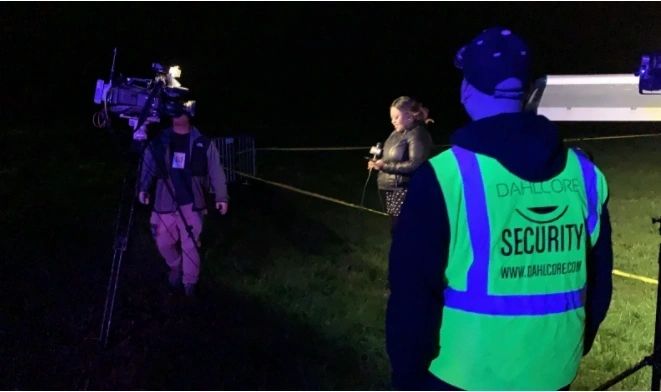
Having visible security personnel throughout the hotel serves as a crucial deterrent to potential criminals, significantly reducing the likelihood of security incidents. It is imperative to deploy trained security staff strategically, focusing on high-traffic areas and peak times to maintain a safe environment for all guests and personnel. Their proactive presence not only enhances overall safety measures but also instills a sense of reassurance and peace of mind among hotel guests, contributing to a positive and secure hospitality experience.

Collaboration with Local Authorities
Liaison with Police and Emergency Services
Establishing robust relationships with local police and emergency services is crucial for ensuring swift assistance during crises that may arise. Ongoing communication and coordination with these authorities significantly bolster the hotel’s readiness to handle a spectrum of emergencies, ranging from medical situations to potential security risks. This proactive approach not only enhances guest safety but also fortifies the establishment’s overall security protocols.
Participation in Security Networks
Participating in local security networks enables hotels to exchange information and learn best practices from other establishments, enhancing their overall security measures. By engaging in these networks, hotels gain valuable insights into new threats and effective security strategies, promoting a collective effort toward ensuring safety for guests and staff alike. This collaborative approach not only strengthens individual hotel security but also contributes to the broader community’s resilience against evolving security challenges.
Crisis Management Plans
Emergency Evacuation Procedures
Comprehensive crisis management plans incorporate thorough emergency evacuation procedures that specify precise routes, designated assembly points, and defined roles for staff members throughout the evacuation process. Conducting regular drills and maintaining transparent communication protocols are essential components to ensure that both staff and guests are well-prepared and knowledgeable about their actions in any emergency. By adhering to these practices, organizations can mitigate potential risks and enhance overall safety measures effectively.
Communication Strategies
Effective communication strategies are essential during a crisis. Hotels should have systems in place to quickly disseminate information to guests and staff, whether through public address systems, mobile alerts, or direct communication. Keeping everyone informed helps manage the situation effectively.
Regular Security Audits
Internal Security Reviews
Regular internal security reviews help identify and address potential vulnerabilities. These reviews should assess all aspects of hotel security, from physical barriers to procedural practices. Continuous improvement based on these reviews ensures ongoing security effectiveness.
Third-Party Security Assessments
Engaging third-party security experts for assessments ensures unbiased evaluations of the hotel’s security measures. Their insights can identify vulnerabilities and provide actionable recommendations for improving overall security. By validating existing protocols, these experts help ensure the hotel maintains robust and comprehensive protection against potential threats.
Guest Awareness and Education
Informative Materials for Guests
Educational materials on hotel security, such as brochures and in-room guides, play a crucial role in informing guests about safety measures and emergency protocols. These resources empower guests to take an active role in safeguarding themselves and others during their stay. By promoting awareness and providing clear instructions, hotels enhance overall security and ensure a more informed and prepared guest experience.
Guest Security Workshops
Hosting guest security workshops is an effective strategy to boost awareness among participants. These sessions typically address crucial topics like personal safety, cybersecurity best practices, and appropriate responses during emergencies. By empowering attendees with this knowledge, they become more vigilant and capable of safeguarding themselves effectively.
Technology Integration
Smart Room Technologies
Integrating bright room technologies enhances both convenience and security. Features such as voice-activated controls, automated lighting, and smart locks provide a seamless and secure guest experience. Ensuring these technologies are safe from cyber threats is equally important.
Mobile App Security Features
Hotel mobile apps should prioritize incorporating robust security features to safeguard guest information and transactions. These measures should encompass secure booking and payment functionalities alongside innovative features like virtual room keys and personalized safety alerts. Regular updates to the app’s security protocols are essential to mitigate evolving threats and ensure a safe and secure experience for all users.
Secure Transportation Services
Safe Shuttle Services
Offering secure shuttle services is crucial for guest safety, particularly for airport transfers, as it ensures a reliable and protected travel experience. Essential components such as background-checked drivers, well-maintained vehicles, and live monitoring systems contribute significantly to maintaining safety standards throughout the journey. By implementing these measures, guests can feel assured and confident in their transportation arrangements, promoting a positive overall experience.
Secure Parking Facilities
Secure parking facilities ensure guests’ safety by safeguarding their vehicles and providing peace of mind. They are equipped with surveillance cameras, controlled access points, and regular security patrols to deter criminal activities and bolster overall safety. These measures not only protect vehicles but also contribute to a secure and worry-free environment for guests.
Specialized Security for Events
Security for High-Profile Guests
Events that accommodate high-profile guests necessitate rigorous security protocols tailored to their specific needs. These measures encompass personalized security details, carefully planned entry and exit strategies, and hidden surveillance. The primary objective is to uphold the confidentiality and well-being of these individuals throughout the event.
Event-Specific Security Measures
Event-specific security measures, such as thorough bag checks, advanced metal detectors, and the presence of extra security personnel, are crucial for maintaining attendee safety. By customizing these protocols to fit the distinct needs of each event, organizers can significantly bolster their overall effectiveness. These tailored measures not only provide a sense of security but also address specific risks and challenges that may arise during the event.

Sustainability and Security
Eco-Friendly Security Solutions
Incorporating eco-friendly security solutions not only supports sustainability goals but also promotes environmental responsibility. Implementing energy-efficient lighting and surveillance systems helps minimize carbon footprints while reducing operational costs. Embracing digital communication methods further decreases paper waste and enhances efficiency in security management practices.
Energy-Efficient Security Systems
Energy-efficient security systems not only minimize environmental impact but also offer significant operational cost savings. By integrating these systems, hotels can enhance their security measures and sustainability efforts, fostering a dual benefit that aligns with modern eco-conscious trends in hospitality management. This approach not only ensures enhanced protection for guests and assets but also underscores a commitment to responsible and efficient resource utilization within the industry.
FAQs
What are the essential security measures for five-star hotels?
Essential security measures include advanced surveillance systems, key card access, comprehensive staff training, and robust cybersecurity protocols.
How do hotels ensure guest safety in rooms?
Hotels ensure guest safety in rooms through secure locks, peepholes, electronic key cards, and in-room safes. Providing clear emergency procedures is also crucial.
Why is staff training necessary for hotel security?
Staff training is vital for recognizing and responding to potential threats. Well-trained staff can handle emergencies effectively and ensure guest safety.
What role does technology play in hotel security?
Technology enhances hotel security through innovative room technologies, mobile app security features, and advanced surveillance systems, all of which provide a seamless and secure guest experience.
How do hotels protect guest data?
Hotels protect guest data by implementing robust cybersecurity measures such as encryption, secure payment systems, and secure Wi-Fi networks, preventing unauthorized access and breaches.
Why are regular security audits necessary?
Regular security audits identify potential vulnerabilities and ensure that security measures are effective. They help hotels continuously improve their security protocols and adapt to new threats.
Conclusion
Ensuring top-notch security in five-star hotels is a multifaceted challenge that requires a comprehensive approach. From advanced surveillance systems to guest education and staff training, every aspect plays a crucial role in creating a safe and secure environment. By continuously improving and adapting to new threats, five-star hotels can maintain their reputation as safe havens for their guests.
Check other blogs:
Healthcare Crisis Management: 10 Hospital Security Essentials
Emergency Response Planning in Construction Site Security
The Evolving Landscape of Hospital Security & Patient Protection
Security Guard Insights: Proactive Measures Against Retail Crime
