


“The Importance of Hospital Security: Protecting Patient and Staff”
Hospitals are vital institutions that provide essential healthcare services to communities. Hospital administrations make patient and staff safety and security their number one priority. This article explores the significance of these facilities, the potential threats they face, and ways they can take practical measures to protect all those within them.
The Importance of Hospital Security
Protecting Patients
As patients seek medical treatment in hospitals, they expect them to be in a safe environment that protects them. Because illness or injury often makes these individuals susceptible, they are prime targets for criminals. Hospital security ensures patients can focus on recovery without the added stress of potential harm.
Protecting Staff
Healthcare professionals like doctors and nurses dedicate their lives to caring for others, so their safety while performing their duties must always be prioritized. Hospital staff frequently work long hours under stressful conditions; threats of violence or security issues could severely impair their ability to provide quality care services.
Are you seeking unparalleled peace of mind for your business or personal space? Look no further! Our top-tier Security Companies In New York safeguard what matters most to you. With a proven track record of excellence, cutting-edge technology, and a team of highly trained professionals, we provide comprehensive security solutions tailored to your specific needs. Don’t compromise on safety – take action today and experience the highest level of protection with our trusted security services. Your peace of mind is our priority.
Why Do Hospitals Need Security?
Hospitals are vital institutions that require a secure environment to operate effectively. The need for security in hospitals is paramount due to several critical factors:
- Protection of Vulnerable Patients: Patients in hospitals are often in a vulnerable state due to illness or injury, making them susceptible to theft, abuse, or harm. Security ensures that patients receive care in a safe and protected environment.
- Access Control: Hospitals must manage the flow of people, including patients, staff, and visitors, to prevent unauthorized access to restricted areas. Security personnel help enforce access controls, ensuring that only authorized individuals enter sensitive areas such as maternity wards, psychiatric units, and medication storage rooms.
- Emergency Response: Hospitals are prone to various emergencies, including medical emergencies, fires, and even violent situations. Trained security staff are crucial in managing these situations, helping to evacuate areas when necessary, and coordinating with law enforcement and emergency services.
- Asset Protection: Hospitals house expensive medical equipment and hold large quantities of controlled substances. Security helps prevent theft and tampering with medical supplies and equipment, which can have financial and operational impacts.
- Maintaining Public Order: Hospital settings experience high emotional stress, which can lead to disputes and aggressive behavior. Security personnel play a critical role in de-escalating conflicts and maintaining peace within the facility.
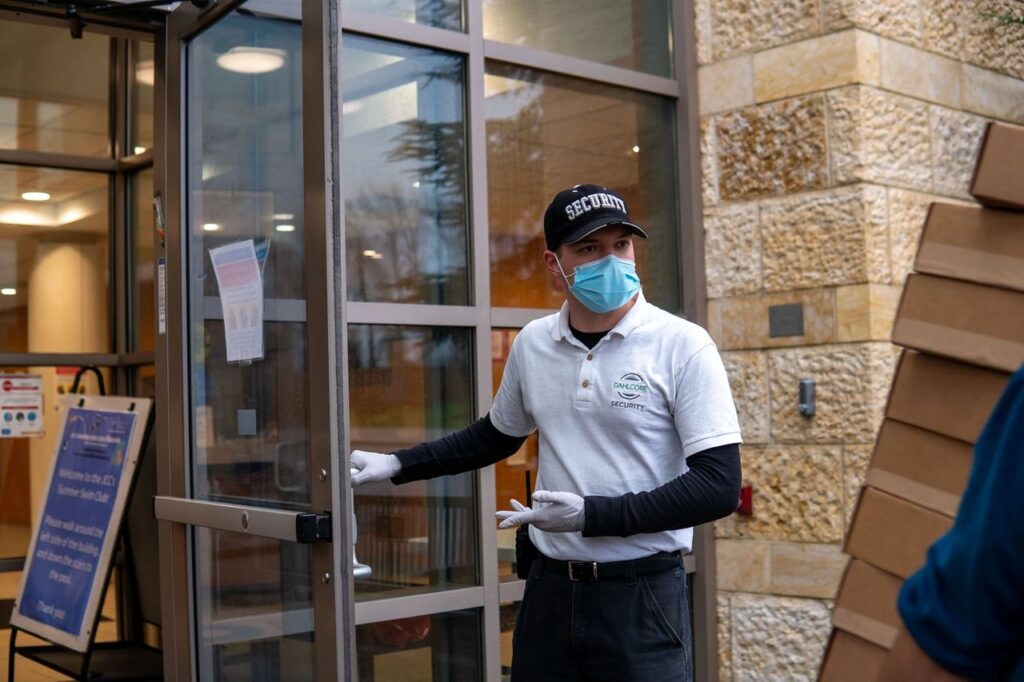
Security Threats in Hospitals
Physical Violence
Hospitals are vulnerable to violent incidents, including assaults, shootings, and other forms of aggression. These incidents can result from disputes between patients, visitors, or staff members. Maintaining a secure environment helps to deter and manage violent situations.
Theft and Vandalism
Hospitals house valuable medical equipment, prescription drugs, and confidential patient information, making them prime targets for theft and vandalism. Ensuring security helps protect these valuable assets and maintain the hospital’s reputation.
Unauthorized Access
It is essential to prevent unauthorized individuals from accessing restricted areas, such as operating rooms, pharmacies, and patient records. Unauthorized access can lead to the theft of sensitive information or the disruption of critical hospital operations.
Cybersecurity
As hospitals rely more heavily on digital technologies for managing patient records and other sensitive information, the risk of cyberattacks increases significantly. Cybersecurity measures are vital in protecting hospital systems from data breaches, ransomware, and other cyber threats.
Implementing Hospital Security Measures
Access Control
Access control systems help regulate entry into the hospital and restricted areas within the facility. This can be achieved through identification cards, biometric scanners, or electronic locks. Access control measures help ensure that only authorized personnel can enter sensitive areas.
Security Personnel
A visible security presence can deter potential criminals and help maintain a safe environment. Security personnel should be adequately trained to respond effectively in different scenarios, from de-escalating conflicts to responding to emergencies.
Video Surveillance
CCTV cameras can effectively deter and provide valuable evidence during a security breach. Strategically placing cameras throughout the hospital can help monitor activity and identify potential security risks.
Emergency Response Plans
Hospitals must create emergency response plans for natural disasters, violent incidents, and cybersecurity breaches. Goals should be regularly reviewed and revised to ensure their efficacy, and staff should receive training on what procedures to follow during an emergency.
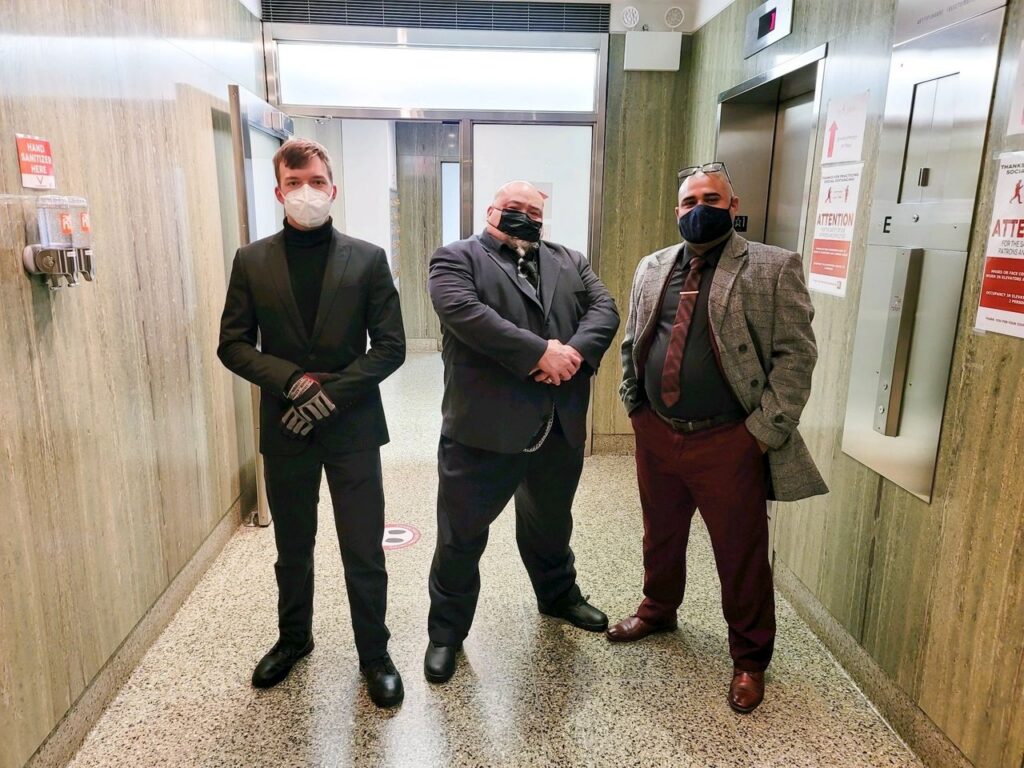
How Hospital Security Reduces Risk
Effective hospital security significantly reduces risks associated with healthcare facilities. Here’s how:
- Deterring Criminal Activity: The presence of security personnel deters criminal behavior, such as theft, vandalism, and violence. Visible security measures, like surveillance cameras and patrols, make hospitals less attractive targets for criminals.
- Enhancing Emergency Preparedness: Security teams are trained to respond to a variety of emergencies. They conduct regular drills with hospital staff to ensure everyone is prepared for situations ranging from medical emergencies to active shooter scenarios.
- Improving Patient Safety: By monitoring hospital grounds and controlling access, security helps ensure that patients are not exposed to potential harm from external threats or unauthorized visitors.
- Supporting Staff Safety: Healthcare workers are often exposed to risks, including physical assaults. A robust security presence ensures that staff can work in a safe environment, reducing the likelihood of workplace injuries.
- Ensuring Compliance with Regulations: Hospitals must adhere to numerous safety and privacy regulations, such as HIPAA in the United States. Security plays a critical role in ensuring that these regulations are followed, protecting patient information and maintaining the institution’s compliance status.
By addressing these aspects, hospital security teams play an indispensable role in maintaining the safety and integrity of healthcare environments. They ensure that patients and staff can focus on health and healing without concern for their personal safety.
Technological Solutions for Hospital Security
Advanced Security Systems
Innovative security systems, such as intelligent video analytics and intrusion detection systems, can help improve hospital security by quickly identifying potential threats and alerting security personnel. These systems can also help track the movement of people and assets within the facility.
Cybersecurity Measures
Implementing robust cybersecurity measures is essential to protect sensitive patient data and hospital systems from cyberattacks. This can include firewalls, encryption, regular software updates, and employee training on cybersecurity best practices.
The Role of Staff in Maintaining Hospital Security
Hospital staff plays a critical role in maintaining security. They should be trained to recognize and report suspicious behavior or potential security risks. Fostering a culture of safety and security among employees promotes a sense of shared responsibility among staff members.

FAQs
Q1. Why is hospital security important?
Hospital security is essential because it helps protect vulnerable patients and dedicated staff members from threats like physical violence, theft, unauthorized access, and cyberattacks.
Q2. What are some common security threats faced by hospitals?
Common security threats faced by hospitals include physical violence, theft and vandalism, unauthorized access to restricted areas, and cybersecurity breaches.
Q3. What are some effective hospital security measures?
Effective hospital security measures include
- Access control systems.
- Security personnel.
- Video surveillance.
- Emergency response plans.
- Advanced security systems.
- Robust cybersecurity measures.
Q4. How can hospital staff contribute to maintaining security?
Hospital staff can contribute to maintaining security by being vigilant, reporting suspicious behavior, and following proper protocols during emergencies. Staff training and fostering a culture of safety are also crucial.
Q5. What role does technology play in hospital security?
Technology is indispensable in hospital security by offering advanced security systems, video surveillance solutions, and comprehensive cybersecurity measures designed to safeguard sensitive patient data and hospital systems against various threats.
Conclusion
The importance of hospital security cannot be overstated. Maintaining a secure healthcare environment that allows healthcare professionals to deliver exceptional care is crucial. By implementing comprehensive security measures, hospitals can effectively mitigate potential risks and ensure the safety and well-being of everyone within the facility.
Check other blogs
The Top 5 Benefits of Choosing an Armed Security Guard Career
The Future of Fire Watch: Tech Advances & Evolving Guard Roles
Understanding the Consequences of Abandonment of Post
Surprising Impact of State Laws on Dispensary Security Strategies
