


When stepping into a dispensary, both staff and customers enter a space that demands a high level of discretion, empathy, and professionalism. The nature of a dispensary’s business involves navigating a myriad of sensitive situations ranging from medical privacy to legal concerns. This article delves into practical strategies for handling these delicate circumstances, ensuring that every interaction is conducted with the utmost respect and understanding.
Strategies for Handling Sensitive Situations in Dispensaries
Sensitive situations occur daily in a dispensary. From respecting customer privacy to managing unexpected incidents, the approach taken can significantly impact the establishment’s atmosphere and client satisfaction. Implementing strategies such as establishing a calm environment, ensuring confidential conversations, and demonstrating empathy can transform challenging moments into opportunities for building trust and loyalty.
Understanding Sensitive Situations
Types of sensitive situations in dispensaries
- Medical emergencies:
- Sudden health crises like seizures, allergic reactions, or fainting spells.
- Overconsumption of cannabis leads to adverse effects such as anxiety attacks or paranoia.
- Accidental ingestion by children or pets requiring immediate attention.
- Conflicts between customers:
- Disputes over queue jumping, product availability, or pricing.
- Altercations arise from disagreements over consumption etiquette or behavior.
- Tensions escalate due to perceived disrespect or misunderstandings.
- Compliance issues:
- Violations of legal age requirements for purchasing cannabis.
- Failure to adhere to dosage guidelines leads to potential health risks.
- Non-compliance with regulations regarding product labeling, packaging, or advertising.
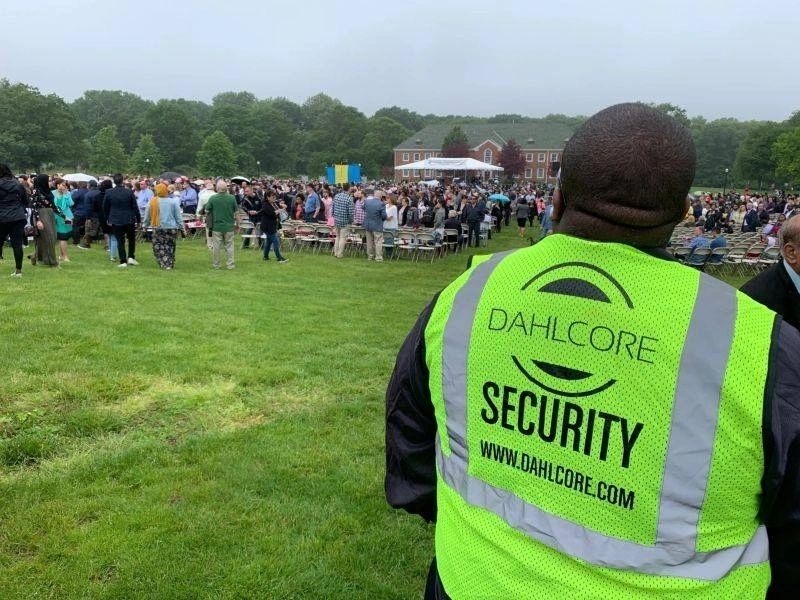
Impact of mishandling sensitive situations
- Loss of customer trust and loyalty.
- Adverse publicity and damage to the dispensary’s reputation.
- Legal repercussions include fines, license suspension, or closure.
- Emotional distress for involved parties and potential trauma.
Training and Preparedness
Scenario-based learning provides employees with practical experience in handling various situations they may encounter in a dispensary, such as customer inquiries, product recommendations, or demanding customers. By immersing employees in realistic scenarios, they can develop critical thinking skills and learn how to apply company policies and procedures effectively. Integrating legal and ethical considerations into training ensures that employees understand their obligations regarding compliance, confidentiality, and patient care, fostering a culture of professionalism and accountability within the dispensary.
Communication Skills
Practical communication skills are crucial when dealing with sensitive situations, as they can help defuse tension and reach a resolution. Verbal cues such as active listening and empathy can convey understanding and validation to the other party, fostering a positive atmosphere for discussion. Additionally, non-verbal cues like body language and facial expressions play a significant role in communication, emphasizing sincerity and building rapport.
Building a Positive Environment
One effective strategy for creating a welcoming and inclusive environment in a dispensary is to actively engage with the local community through events, workshops, and partnerships with local organizations. This not only fosters a sense of belonging but also allows the dispensary better to understand the needs and preferences of its customers. Additionally, implementing policies and procedures that prioritize health and safety, such as strict adherence to regulations, clear signage, and knowledgeable staff, can help build trust and confidence among customers, making them feel comfortable and valued. Finally, ensuring that all staff members receive training on diversity, equity, and inclusion can help prevent discrimination and ensure that every customer is treated with respect and dignity, regardless of their background or identity.
Strategies for Handling Sensitive Situations

Establishing clear protocols and procedures
- Training staff on handling emergencies:
- First aid and CPR training for immediate response to medical crises.
- Protocols for contacting emergency services and providing necessary information.
- Role-playing exercises to simulate various emergency scenarios.
- Developing a code of conduct for customers:
- Clearly defined rules regarding behavior, respect, and conflict resolution.
- Visible signage outlining expectations for customers.
- Regular reminders through verbal communication and printed materials.
- Creating a compliance checklist:
- Documenting legal requirements and ensuring staff understanding.
- Regular audits to identify and rectify potential compliance issues.
- Updating protocols based on changes in regulations or industry standards.
Effective communication techniques
- Active listening:
- Giving full attention to customers’ concerns without interrupting.
- Paraphrasing to ensure understanding and demonstrate empathy.
- Asking clarifying questions to gather necessary information.
- Empathy and understanding:
- Acknowledging customers’ emotions and validating their experiences.
- Offering support and reassurance under challenging situations.
- Avoiding judgment and maintaining a non-confrontational demeanor.
- Conflict resolution skills:
- Remaining calm and composed during tense interactions.
- Seeking common ground and exploring mutually beneficial solutions.
- Knowing when to involve management or seek external mediation.
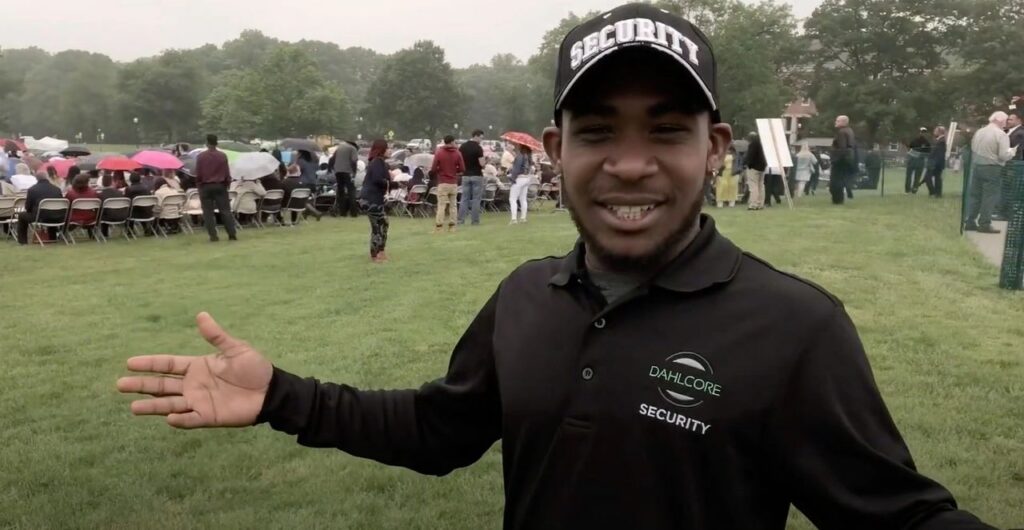
Implementing security measures
- Security personnel training:
- Instruction on diffusing confrontations and de-escalating conflicts.
- Awareness of emergency procedures and communication protocols.
- Regular drills to practice response to security threats.
- Surveillance systems:
- Installation of cameras to monitor dispensary premises.
- Real-time monitoring to deter theft, vandalism, or unauthorized access.
- Recording footage for evidentiary purposes in case of incidents.
- Access control measures:
- Limited entry points with controlled access through critical cards or biometric systems.
- Visitor registration and verification processes.
- Locking away restricted products or areas to prevent unauthorized handling.
Utilizing technology solutions
- Point-of-sale systems for tracking sales:
- Recording transactions to ensure compliance with legal purchasing limits.
- Generating reports for regulatory agencies and internal auditing purposes.
- Integrating inventory management to monitor product availability and expiration dates.
- Digital record-keeping for compliance:
- Storing customer information securely to verify legal age and identity.
- Tracking product origins and batch information for quality control and recall purposes.
- Encrypting data to protect privacy and confidentiality.
- Online resources for customer education:
- Providing informational videos, articles, or FAQs on cannabis consumption and safety.
- Hosting webinars or live chats with industry experts to address common concerns.
- Offering virtual consultations for personalized guidance on product selection and usage.

Establishing partnerships with relevant stakeholders
- Collaboration with local law enforcement:
- Building rapport with police departments to facilitate prompt responses to security threats.
- Sharing information on crime trends or suspicious activities in the vicinity.
- Participating in community policing initiatives to foster a safe environment.
- Building relationships with healthcare professionals:
- Networking with doctors, nurses, and pharmacists to exchange knowledge on medicinal cannabis.
- Referring patients seeking medical advice to qualified healthcare providers.
- Coordinating educational events or workshops on cannabis therapeutics.
- Engaging with community organizations:
- Sponsoring or volunteering at local events to promote community involvement and goodwill.
- Collaborating on initiatives addressing substance abuse prevention or harm reduction.
- Partnering with advocacy groups to support cannabis legalization efforts and destigmatize its use.
Legal Compliance and Policies
Adhering to state laws is essential for operating a dispensary to ensure compliance with regulations governing the sale and distribution of cannabis products. This includes obtaining the necessary licenses and permits, following specific requirements for product labeling, packaging, and testing, and adhering to restrictions on sales to minors and other regulations. Implementing clear store policies helps maintain consistency in operations, minimize risks, and ensure that employees and customers understand expectations and procedures, thereby reducing the likelihood of disputes and legal issues arising.
Technology and Privacy
In the digital age, leveraging encryption and blockchain technology can bolster customer privacy by ensuring secure transactions and data storage. Implementing robust authentication mechanisms such as biometric identifiers or multi-factor authentication can further safeguard sensitive information. Additionally, employing anonymization techniques when analyzing customer data allows companies to glean insights for personalized services while respecting individual privacy preferences.
FAQs
How should staff approach a customer in the dispensary who seems uncomfortable or anxious?
Staff should approach such customers with empathy and discretion, ensuring they feel safe and heard and offering to discuss their concerns in a private, comfortable space.
What is the best way to handle a customer violating store policy in a sensitive situation?
It is crucial to address policy violations calmly and respectfully, explaining the reasons behind the rules and offering solutions or alternatives to meet the customer’s needs without compromising store policies.
Can staff members provide medical advice to customers in dispensaries?
While staff can provide product information, they should avoid giving medical advice and instead encourage customers to consult with healthcare professionals for specific medical concerns.
How can dispensaries ensure they are compliant with privacy laws?
Dispensaries should stay updated with state and federal privacy regulations, train their staff accordingly and implement secure systems for storing and handling customer information.
What steps should be taken if a sensitive situation escalates despite best efforts?
If a situation escalates, staff should remain calm, ensure the safety of everyone involved, and, if necessary, contact the appropriate authorities or seek external assistance.
Conclusion
Navigating sensitive situations in dispensaries requires a careful balance of empathy, professionalism, and legal compliance. By implementing the strategies discussed, dispensaries can create a supportive environment that respects the privacy and dignity of every individual. Remember, the goal is not only to resolve current issues but also to build a foundation of trust and safety that encourages positive customer experiences and fosters community well-being.
Check other blogs:
Enhancing Hospital Security Personnel: Advanced Training Methods
Understanding Access Control: Its Function & Importance
Tech Behind Modern Fire Protection: An In-Depth View
Reasons to Upgrade Fire Protection and Life Safety Systems Today
