

Updated Date: November 26, 2025
A bouncer is a type of security guard, sometimes called a door supervisor, who controls entry, checks IDs, and handles disruptive behavior to keep bars, nightclubs, and event venues safe.
In this article, “bouncer” refers specifically to nightlife and event security staff, not to the cricket term “bouncer” or baby products like bouncer seats.
Bouncers are part of the wider private security industry and are often the first and last line of defense against fights, disorderly conduct, and safety hazards at licensed premises.
For venue owners and event organizers in New York and New Jersey, understanding exactly what a bouncer is—and how that role differs from a doorman or a traditional security guard—helps you choose the right level of protection and guest experience for your property.
What Is a Bouncer?
A bouncer (also known in many regions as a door supervisor, bar security, club security, or event security staff) is a licensed security professional stationed at the entrance and inside a venue to maintain order and enforce house rules and legal requirements.
They are commonly employed at bars, nightclubs, music venues, casinos, sporting events, private parties, and other places where alcohol, crowds, or high emotions can increase risk.
The primary mission of a bouncer is safety: protecting guests, staff, and property by preventing problems when possible and intervening quickly and lawfully when incidents occur. Because they work at licensed venues that serve alcohol, bouncers are often responsible for age verification, refusal of entry to intoxicated or aggressive patrons, and coordination with management or law enforcement when needed.
Where Do Bouncers Work?
Bouncers and door supervisors are most visible at nightlife locations such as bars, clubs, lounges, and concert venues, where they manage long lines and busy entrances. However, they are also used at casinos, hotel bars, sports stadiums, festivals, corporate events, and private VIP functions where crowd behavior and alcohol still create risk.
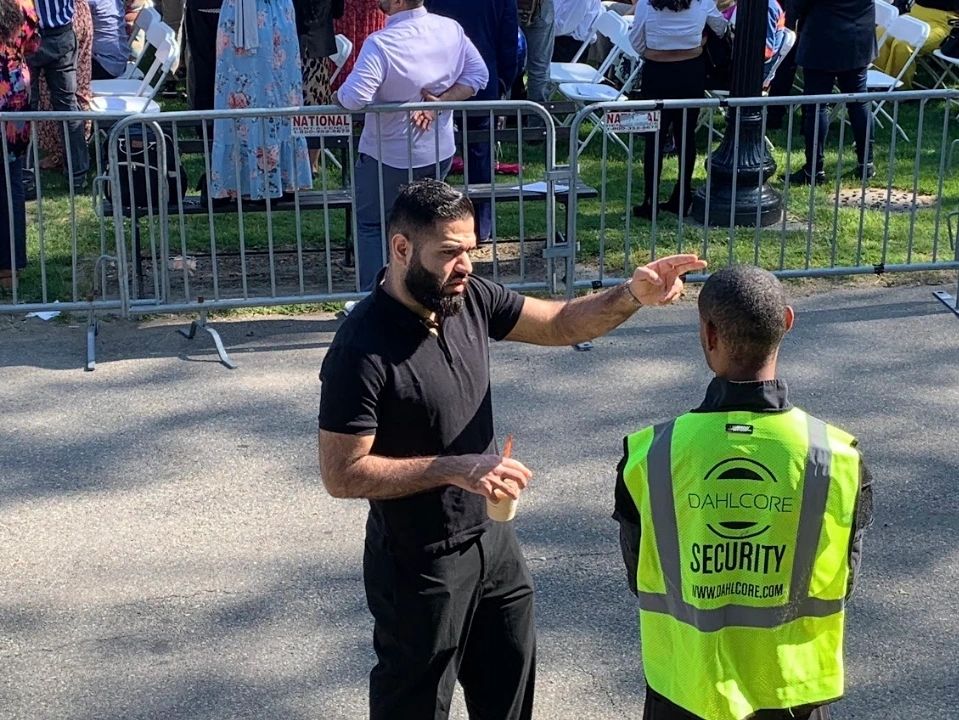
In many countries and states, licensing rules for door supervisors are tied to liquor licensing and other local regulations, particularly at premises that sell alcohol or host large gatherings. Because of this, many bars and event organizers partner with professional security companies like Dahlcore rather than using untrained internal staff for bouncer roles.
What Does a Bouncer Do?
Entrance Duties
- Check IDs and verify legal drinking age in line with liquor licensing laws and venue policies.
- Enforce dress codes and entry criteria (guest lists, ticket checks, capacity limits) to keep the crowd manageable and compliant.
- Deny entry to visibly intoxicated, aggressive, or banned individuals to reduce the risk of incidents inside the venue.
On‑Floor Duties
- Monitor patron behavior and intoxication levels throughout the venue to spot issues early and prevent escalation.
- De‑escalate arguments and step in to prevent or break up fights using trained verbal and physical techniques where legally allowed.
- Watch for weapons, drugs, overcrowding, and blocked exits, and report concerns to management or call police or EMS as needed.
Exit and Closing‑Time Duties
- Escort disruptive patrons out safely, documenting incidents according to company policy and legal guidance.
- Manage crowd flow at closing time so exits, sidewalks, and parking areas remain safe, reducing disorder and complaints from neighbors.
- Assist in evacuations, medical emergencies, or other critical incidents, often working alongside law enforcement or fire services.
These tasks are why many job descriptions describe bouncers as “bar security,” “club security,” or “security bouncers” who combine access control with hands‑on incident response.

Skills and Qualities of a Professional Bouncer
Effective bouncers rely on far more than size; strong communication, conflict resolution, and de‑escalation skills are essential to keep situations calm.
They need excellent observation and situational awareness to read body language, spot signs of intoxication, and anticipate trouble before it starts.
Physical fitness and self‑defense training matter because bouncers may need to restrain individuals safely without using excessive force or placing others at risk.
Many reputable employers also require first‑aid and CPR training so bouncers can assist injured or unconscious patrons until emergency services arrive.
In the UK and other regions, “door supervisor” training and licensing programs cover communication, physical intervention, and legal responsibilities, reflecting how regulated this role has become. Similarly, in the US, many states require security guard or specific bouncer licensing along with background checks and compliance training, especially at venues serving alcohol.
Bouncer vs Doorman: Key Differences
While people often use “bouncer” and “doorman” interchangeably, the roles have different core focuses. A bouncer is primarily a security professional tasked with controlling access, handling confrontations, and physically intervening when necessary to protect patrons and staff.
A doorman, by contrast, focuses more on greeting guests, opening doors, managing basic access, and creating a welcoming first impression at residential buildings, hotels, and upscale venues. Doormen may still deter unwanted visitors and help monitor who comes and goes, but they are less likely to be the primary responders to violent incidents or major disturbances.
There is overlap: in many hospitality settings, a doorman with security training effectively serves as a lower‑intensity front‑of‑house security presence.
However, if a venue has a significant risk of fights, intoxication issues, or large crowds, a trained bouncer or dedicated security guard team is more appropriate than a hospitality‑only doorman.
When You Should Hire a Bouncer
You likely need a bouncer or bouncer team if:
- Your venue serves alcohol and regularly operates at or near capacity (nightclubs, busy bars, concert halls).
- You host events where tempers can flare—sports screenings, packed dance floors, high‑energy concerts, or late‑night parties.
- Your location has a history of disorderly conduct, neighborhood complaints, or police calls regarding fights or over‑serving.
- You manage VIP events or celebrity appearances that attract large crowds and potential security threats.
In these scenarios, bouncers provide crowd control, early‑stage de‑escalation, and a clear line of communication to venue management, police, and EMS.
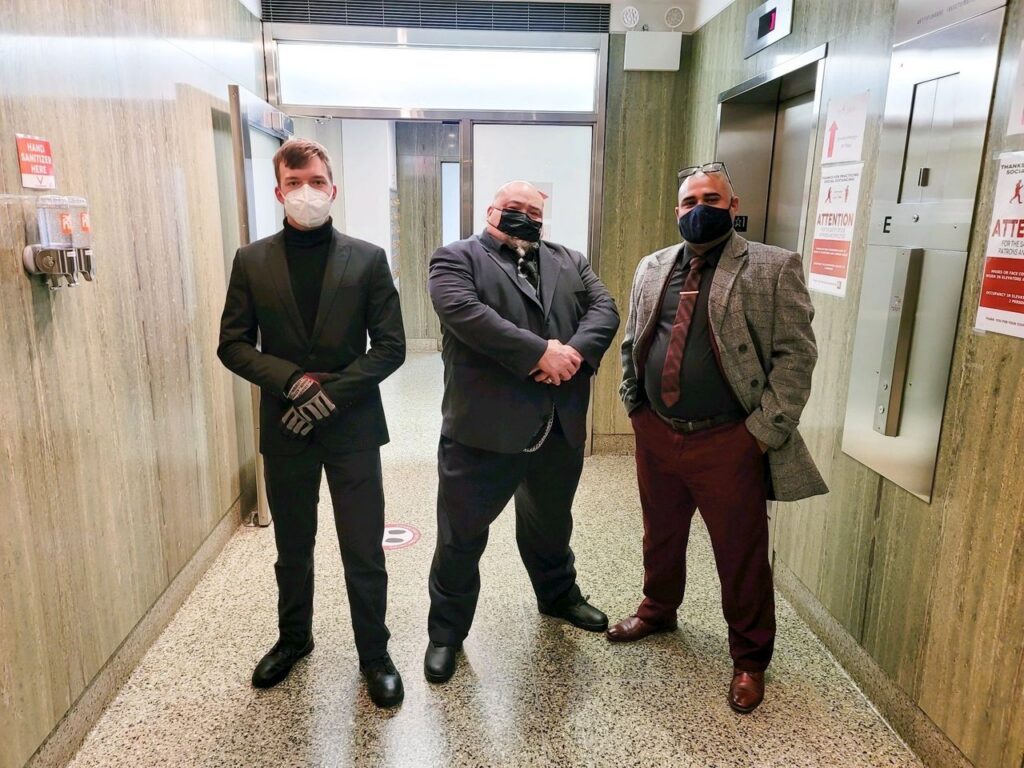
Professional security companies like Dahlcore can staff these roles with trained, licensed personnel who understand both hospitality and risk management in New York and New Jersey.
When a Doorman Is a Better Fit
You likely need a doorman rather than a full bouncer team if:
- You operate a residential building, condo, or co‑op where residents need controlled access, package handling, and a welcoming lobby presence.
- Your hotel or restaurant focuses on high‑touch service where first impressions, luggage assistance, and guest guidance are top priorities.
- Your risk profile is relatively low (limited alcohol service, smaller crowds, earlier closing times), and security incidents are rare.
A professional doorman can still contribute to security by noticing suspicious behavior, confirming visitors, and coordinating with internal security or local police.
However, for high‑risk nightlife or large events, doormen should complement—not replace—trained bouncers or security guards.
Legal, Licensing, and Compliance for Bouncers
Because bouncers work at licensed premises and may need to remove people from private property, they must understand use‑of‑force limits and local laws.
In many jurisdictions, bouncers are treated as private citizens who may perform limited “citizen’s arrest” actions only under specific legal conditions and must avoid excessive or unjustified force.
Countries like the UK require door supervisors at licensed premises to hold an SIA (Security Industry Authority) licence, which includes mandatory training and background checks. Similarly, US states often require security guard licensing, training on liquor laws, age verification, and documentation of incidents for liability and insurance purposes.
Venue owners are responsible for ensuring that any bouncers or door supervisors they hire—directly or via a security company—meet local licensing requirements.
Working with a licensed, insured provider like Dahlcore helps reduce liability by ensuring guards are properly vetted, trained, supervised, and documented.
Bouncer Security Services by Dahlcore
Dahlcore is a licensed and insured security guard firm based in New York, providing event security, concert security, VIP bodyguards, personal security, and commercial security services across NYC and New Jersey. With over a decade of experience, Dahlcore tailors security plans to each venue’s risk profile, from corporate events and trade shows to high‑risk nightlife and large public gatherings.
For venues that need professional bouncers, Dahlcore can provide:
- Nightclub and bar bouncers trained in ID checks, crowd control, and de‑escalation.
- Concert and festival security teams focused on safe entry, stage‑front control, and emergency response.
- VIP and executive protection that blends classic bouncer skills with close‑protection protocols for high‑profile clients.
Reviews and third‑party ratings highlight Dahlcore’s professionalism, responsiveness, and ability to keep large events and busy venues secure while maintaining a respectful atmosphere.
Property managers and event organizers can contact Dahlcore directly through its New York and New Jersey offices to schedule a security consultation or request trained bouncers for upcoming events.
FAQs About Bouncers
What is a bouncer?
A bouncer is a type of security guard or door supervisor who works at bars, nightclubs, casinos, concerts, and other venues to control access, check IDs, and handle disruptive patrons while keeping everyone safe.
Is a bouncer the same as a security guard?
A bouncer is a specialized form of security guard who typically works at nightlife or event venues, performing tasks like ID checks, crowd control, and physical intervention inside and at the door, while other security guards may focus on patrols, surveillance, or access control in offices, stores, or residential properties.
Do bouncers need a licence?
In many regions, yes—door supervisors and security guards must hold a licence that includes background checks and mandatory training, such as the SIA Door Supervisor Licence in the UK or state‑level security guard licences in the US.
Are bouncers allowed to use force?
Bouncers are generally allowed to use only reasonable and necessary force to remove someone from private premises or defend themselves and others, and excessive force can expose both the bouncer and the venue to legal liability.
Where do bouncers usually work?
Bouncers typically work at bars, nightclubs, cabaret clubs, strip clubs, casinos, concerts, sporting events, and large private parties where alcohol and crowds increase the risk of disorder.
Check other blogs
Secure Your Premises with Professional Security Patrol Services
The Night Patrol Checklist: What Security Guards Look Out For
Workplace Safety and Security Procedures
Armed Celebrity Bodyguards: Ensuring Safety in the Spotlight
