

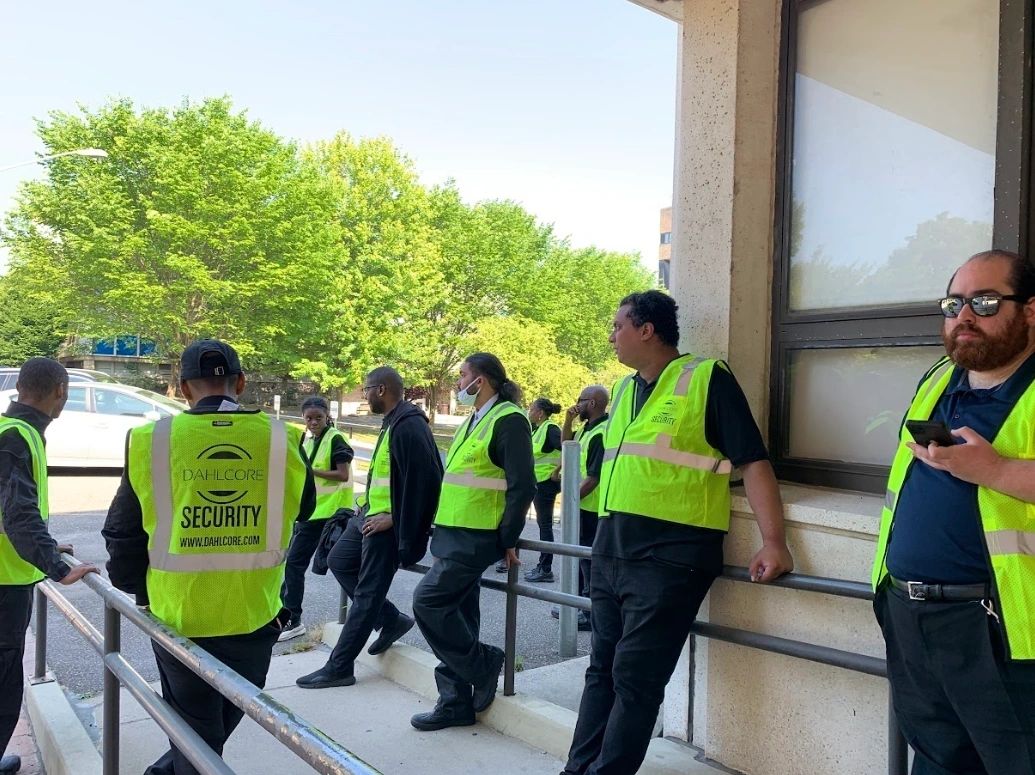
Hospitals, as sanctuaries of healing and care, are not immune to the risks of theft and security breaches. Security guards, often the unsung heroes, play a pivotal role in safeguarding these institutions. In this article, we delve into the multifaceted role of security guards in preventing hospital theft, exploring their strategies, challenges, and the impact they have on ensuring a safe environment for both patients and healthcare providers.
The Role of Security Guards in Hospital Safety
Hospitals are a unique environment requiring specialized security measures. Security guards in these settings are not just protectors of property but also guardians of public health. They are trained to handle a variety of situations, from theft prevention to emergency response, making them indispensable in maintaining a secure and safe hospital environment.
Understanding Hospital Theft: Scope and Impact
Hospital theft encompasses a wide range of activities, from the theft of basic supplies like gloves and syringes to more severe incidents such as stealing expensive medical equipment or diverting medications for personal use or sale. The scope of these thefts can significantly disrupt hospital operations, strain budgets, and jeopardize patient care by compromising the availability of essential resources and potentially leading to suboptimal or delayed treatments, making it imperative for healthcare institutions to implement robust security measures to mitigate these risks.
Strategies for Theft Prevention in Hospitals
Effective theft prevention in hospitals requires a comprehensive approach that combines physical security measures, state-of-the-art surveillance technology, and thorough personnel training. Security guards are essential components of this strategy, as they serve as the front line of defense, deterring potential thieves, monitoring access points, and responding swiftly to any suspicious activities or theft incidents. Their presence and proactive involvement in security efforts contribute to a safer hospital environment and the protection of valuable hospital assets.
Security Guards as Frontline Defenders Against Hospital Theft
In their role as frontline defenders, security guards face various challenges and responsibilities. Their presence not only deters potential thefts but also provides a sense of safety for patients, staff, and visitors.
Challenges Faced by Hospital Security Guards
Hospital security guards face a multitude of unique challenges, such as handling patients or visitors exhibiting aggressive behavior due to stress or medical conditions while also maintaining strict access control in sensitive areas like operating rooms and patient records. Effectively addressing these challenges necessitates a combination of skills, including conflict resolution and de-escalation techniques, along with experience in understanding the dynamics of healthcare settings. Furthermore, ongoing training is crucial to ensure that security personnel stay updated on the latest security protocols, healthcare regulations, and technologies to
Training and Skills Required for Hospital Security Guards
In order to combat hospital theft effectively, security guards must be equipped with a specific skill set tailored to the healthcare environment. This includes not only a deep understanding of emergency procedures and protocols unique to hospitals but also excellent communication skills to interact sensitively with patients, visitors, and staff. Additionally, security guards should be trained to respond swiftly and decisively to potential threats, ensuring the safety and security of both the facility and its occupants.

Case Studies: Successful Theft Prevention in Hospitals
Examining real-life examples of successful theft prevention in hospitals can offer valuable insights into best practices and effective strategies. One notable case study showcases a hospital that implemented a comprehensive security program, including the deployment of well-trained security guards throughout the facility.
These guards not only deter potential thieves but also provide a rapid response to any security breaches, resulting in a significant reduction in theft incidents and a safer healthcare environment for patients and staff. This underscores the critical role security guards play in safeguarding healthcare facilities and ensuring the protection of valuable assets and patient well-being.
Security Guards and Patient Care: A Synergistic Relationship
Security guards in hospitals play a vital role in maintaining a peaceful and secure atmosphere for both patients and healthcare staff. Their presence not only deters potential theft or violence but also helps reduce anxiety and stress among patients and their families, creating a conducive environment for healing and recovery. Additionally, by promptly responding to any security concerns or emergencies, security guards contribute to enhanced patient satisfaction, as patients can feel confident that their well-being is a top priority within the healthcare facility.
Technology and Innovation in Hospital Security
The integration of technology in hospital security has revolutionized the way security guards carry out their duties. With the implementation of advanced surveillance systems and AI-powered analytics, security personnel can now monitor hospital premises more efficiently and proactively, identifying potential threats or incidents in real time. These innovations not only enhance the overall security measures but also allow for a quicker response to emergencies, ultimately improving the safety of both patients and staff within healthcare facilities.
Collaborative Efforts: Security Guards and Law Enforcement
Collaboration between hospital security guards and local law enforcement is essential for enhancing the overall effectiveness of theft prevention measures within healthcare facilities. By working together, security guards can provide valuable on-site support and immediate incident reporting to law enforcement. At the same time, local police can offer their expertise, resources, and legal authority to investigate and apprehend suspects.
This partnership not only streamlines response efforts during security incidents but also fosters a proactive and holistic security approach that ultimately benefits the safety and well-being of both staff and patients in the hospital environment.
The Future of Hospital Security: Trends and Predictions
As hospitals continue to adapt to evolving technological advancements and increasing threats, the future trends in hospital security will likely revolve around the integration of cutting-edge technologies such as artificial intelligence, biometrics, and advanced surveillance systems. Security guards will play a pivotal role in not only maintaining a physical presence but also in managing and overseeing these sophisticated security systems, ensuring the safety and privacy of patients and staff in an increasingly complex healthcare environment.
Security Guards as Frontline Defenders Against Hospital Theft: A Review
Security guards play a crucial role in hospital theft prevention by serving as the first line of defense against unauthorized access and theft incidents. Their responsibilities include monitoring entrances and exits, patrolling the premises, and responding to security breaches, all of which are essential in safeguarding valuable medical equipment and ensuring the safety of patients and staff.
Despite facing challenges such as managing large hospital premises and dealing with potentially volatile situations, security guards make invaluable contributions to maintaining a secure environment within healthcare facilities, emphasizing their vital role as frontline defenders against hospital theft.

FAQs on Hospital Security and Theft Prevention
How do security guards prevent theft in hospitals?
Security guards in hospitals prevent theft by implementing robust surveillance, conducting regular patrols, and managing access to sensitive areas, thereby ensuring the safety of hospital assets and personnel.
What training do hospital security guards undergo?
Hospital security guards undergo specialized training in emergency response, conflict resolution, and surveillance techniques, equipping them with the skills necessary to handle the unique challenges of a healthcare setting.
How does technology aid in hospital security?
Technology aids hospital security through advanced surveillance systems, access control mechanisms, and real-time communication tools, enhancing the ability of security guards to monitor and respond to potential threats.
What are the biggest challenges faced by hospital security guards?
The biggest challenges faced by hospital security guards include handling aggressive behavior, maintaining the privacy and dignity of patients, and ensuring the security of a diverse range of hospital areas and assets.
How do security measures contribute to patient care?
Security measures contribute to patient care by creating a safe and secure environment, which is essential for patient recovery and peace of mind, thus indirectly supporting the healthcare process.
What future trends are expected in hospital security?
Future trends in hospital security include the increased use of artificial intelligence for threat detection, the integration of biometric security systems, and a greater emphasis on collaboration between security personnel and healthcare staff.
Conclusion
Security guards are the unsung heroes in the fight against hospital theft. Their role as frontline defenders is not just about protecting assets but also about ensuring a safe and secure environment for patients and staff. As we look to the future, the importance of these dedicated professionals in maintaining hospital safety and security cannot be overstated.
Explore our other blog posts here
Tips for Training Security Guards in High-Risk Construction Areas
Strategies for Protecting Construction Site from Liability Issues
Comprehensive Security Measures for High-Risk Hotel Areas
VIP Close Protection: What VIP Close Protection Really Means
