


Security guards play a vital role in maintaining safety and order in various settings, from commercial buildings to public events. Their effectiveness largely depends on the equipment they use. This article explores the essential tools and gear that every security guard needs to perform their duties efficiently and safely. Whether it’s communication devices, defensive equipment, or surveillance tools, having the right equipment can make all the difference in a security guard’s ability to protect people and property.
Security Guard Clothing
The attire of a security guard is designed to offer both functionality and identification. Here’s what typically comprises a security guard’s uniform:
- Uniform Shirt and Pants: Often in dark colors like black or navy blue, these are designed to be durable and comfortable for long hours of wear.
- Duty Belt: A crucial part of a guard’s uniform, it securely holds essential tools such as a flashlight, radio, handcuffs, and other equipment.
- Badges and Identification: Visible identification is crucial for distinguishing security personnel from the public. Badges may include the name of the security company and the guard’s ID number.
- Comfortable Footwear: Security guards spend a lot of time on their feet, making durable and comfortable shoes a necessity.
- Weather-Appropriate Gear: This includes raincoats, jackets, and hats for outdoor patrols to protect against various weather conditions.
- Safety Gloves: Some guards may wear gloves to protect themselves from physical contact and injuries.
- Reflective Clothing: For night shifts or low-visibility conditions, reflective clothing is essential to ensure they are seen by vehicles and other personnel.
Each piece of clothing and equipment is tailored to meet the demands of the security role, ensuring that guards are prepared to handle various situations they might encounter.
Communication Devices
Walkie-Talkies and Radios
Effective communication is crucial for security operations. Walkie-talkies and radios allow security guards to stay in constant contact with their team and central command. These devices are essential for coordinating activities, reporting incidents, and requesting assistance. Modern radios come with features like encryption for secure communication, long battery life, and noise-cancellation to ensure clarity even in noisy environments.
Mobile Phones and Apps
Security personnel are increasingly using mobile phones and specialized apps in addition to traditional radios. These tools offer advanced functionalities such as GPS tracking, real-time reporting, and access to security management systems. Mobile phones can be particularly useful in areas with strong cellular coverage, providing a versatile and reliable means of communication.

Defensive Equipment
Baton and Handcuffs
Batons and handcuffs are standard issues for many security guards. Batons can be used to deter and defend against aggressive behavior, while handcuffs are essential for detaining individuals safely. Proper training is crucial to ensure these tools are used effectively and responsibly, minimizing the risk of harm to both the guard and the detainee.
Pepper Spray and Stun Guns
For non-lethal self-defense, pepper spray and stun guns are effective options. Pepper spray can incapacitate an attacker temporarily, allowing the guard to gain control of the situation. Stun guns, on the other hand, deliver an electric shock that can subdue a threat. These tools provide a means of defense without resorting to lethal force, making them valuable for security personnel.
Surveillance Tools
CCTV Cameras
CCTV cameras are a cornerstone of modern security operations. They provide continuous monitoring of premises, helping to deter crime and gather evidence in case of incidents. Security guards often use CCTV footage to monitor activities in real time, enabling them to respond promptly to any suspicious behavior. The presence of cameras alone can significantly enhance the security of a location.
Body-Worn Cameras
Body-worn cameras are becoming increasingly popular among security guards. These cameras record interactions with the public, providing valuable evidence in case of disputes or incidents. They also promote transparency and accountability, as guards are aware that their actions are being recorded. This technology can enhance the credibility and effectiveness of security operations.
Lighting and Illumination
Flashlights
Flashlights are essential for security guards, especially those who work at night or in poorly lit areas. A reliable flashlight ensures that guards can see and be seen, allowing them to navigate dark spaces safely. Modern flashlights come with features like adjustable brightness, strobe functions for disorienting threats, and long-lasting batteries.
Tactical Light Attachments
Tactical light attachments, such as those mounted on firearms, provide additional illumination in critical situations. These lights help guards identify potential threats and aim accurately in low-light conditions. They are instrumental in scenarios where a quick response is necessary, enhancing both safety and effectiveness.
Transportation and Mobility
Patrol Vehicles
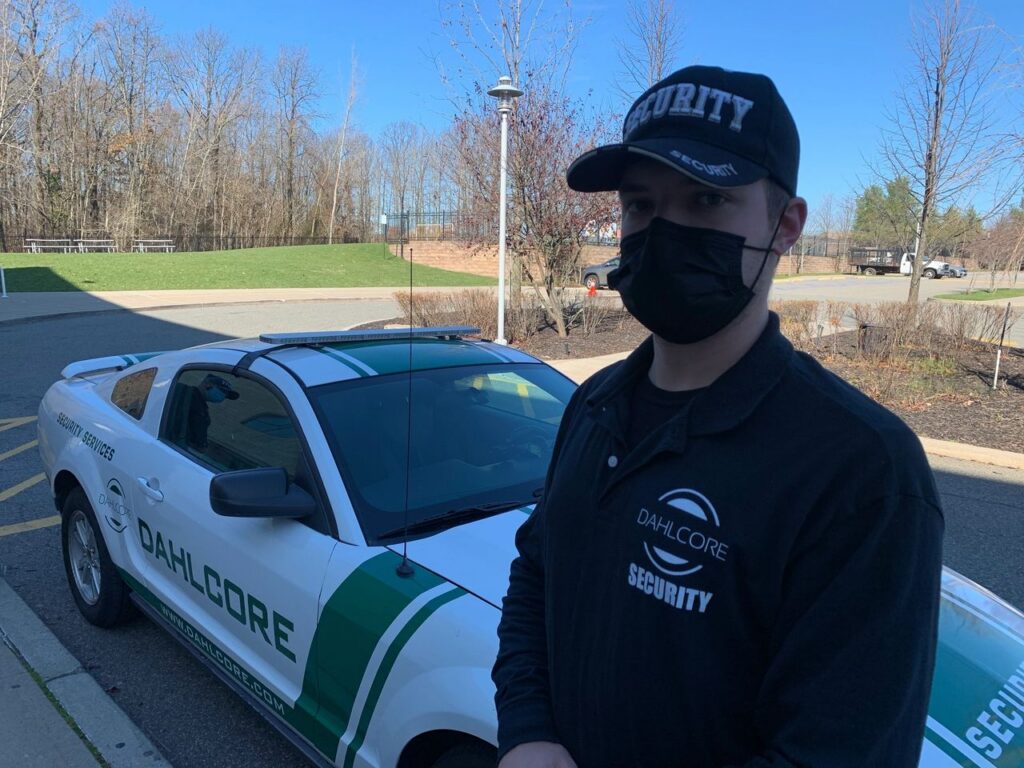
Patrol vehicles enable security guards to cover large areas efficiently. These vehicles are often equipped with communication devices, first aid kits, and other essential tools. Patrol cars are a visible deterrent to potential criminals and allow guards to respond quickly to incidents across a wide area.
Bicycles and Segways
In addition to patrol cars, bicycles, and Segways are used for patrolling smaller or more crowded areas. These modes of transportation are cost-effective and environmentally friendly, and they allow guards to maneuver through tight spaces that vehicles cannot access. They provide flexibility and speed, making them ideal for certain security operations.
Health and Safety Gear
First Aid Kits
Every security guard should have access to a first aid kit. These kits contain essential medical supplies to treat minor injuries and provide initial care in emergencies. Being prepared with first aid equipment can make a significant difference in critical situations, potentially saving lives before professional medical help arrives.
Personal Protective Equipment (PPE)
Personal protective equipment (PPE) includes items like gloves, masks, and protective eyewear. These are especially important in environments where guards might be exposed to hazardous materials or infectious diseases. Ensuring that guards have the appropriate PPE is crucial for their safety and well-being.
Identification and Access Control
Badges and ID Cards
Badges and ID cards are essential for identifying security personnel and granting them access to restricted areas. These identification tools help maintain security by ensuring that only authorized individuals can enter specific locations. They also provide a visible sign of authority and legitimacy.
Access Control Devices
Access control devices, such as keycards, biometric scanners, and electronic locks, enhance security by regulating who can enter and exit a facility. Security guards use these devices to manage access points, ensuring that only authorized personnel are allowed entry. This technology helps prevent unauthorized access and enhances overall security.
Documentation Tools
Notebooks and Pens
Despite advances in technology, traditional notebooks and pens remain indispensable for security guards. They document incidents, take notes during patrols, and keep track of important information. Written records are crucial for creating reports and maintaining an accurate log of activities.
Digital Reporting Systems
Digital reporting systems streamline the documentation process, allowing guards to record incidents and generate reports electronically. These systems often include features like incident tracking, report templates, and data analysis tools. They improve efficiency and accuracy, making it easier to manage security operations.
Training and Certification Requirements
Basic Training Programs
Basic training programs provide security guards with the fundamental skills and knowledge needed for their role. These programs cover topics such as patrolling techniques, emergency response, communication skills, and the legal aspects of security work. Proper training is essential to ensure that guards can perform their duties effectively and safely.
Advanced Certification Courses
Advanced certification courses offer specialized training in areas such as cybersecurity, advanced first aid, and defensive tactics. These courses help guards enhance their skills and stay updated with the latest developments in the security field. Continuous training and certification are essential for maintaining a high standard of professionalism.
Legal Considerations
Equipment Regulations
Security equipment is subject to various regulations and standards to ensure its safety and effectiveness. Guards must be aware of these regulations and ensure that their equipment complies with all relevant laws. This includes understanding restrictions on certain types of equipment and following proper usage guidelines.
Liability and Legal Compliance
Security guards must operate within the boundaries of the law to avoid liability issues. This includes using equipment responsibly and adhering to legal protocols during interactions with the public. Understanding legal requirements helps guards perform their duties without infringing on the rights of others or facing legal repercussions.
Technological Advances in Security Equipment
Innovations in Security Tech
The security industry is continuously evolving, with new technologies being developed to enhance safety and efficiency. Innovations such as drones, advanced surveillance systems, and AI-powered analytics are transforming the way security operations are conducted. Staying informed about these advancements allows security personnel to leverage the latest tools and techniques.
Future Trends in Security Gear
Future trends in security gear include the integration of smart technology, improved wearable devices, and more sophisticated surveillance systems. As technology continues to advance, security equipment will become more effective and user-friendly. Guards must stay updated on these trends to ensure they are prepared for the future.
Cost Considerations
Budgeting for Equipment
Budgeting is critical to acquiring security equipment. Organizations must allocate funds wisely to ensure they can provide guards with the necessary tools without overspending. This involves evaluating the cost and benefits of each piece of equipment and prioritizing essential items.
Cost-Benefit Analysis
Conducting a cost-benefit analysis helps determine the value of investing in specific security equipment. This analysis considers factors such as the effectiveness of the equipment, potential cost savings, and the impact on overall security. Making informed decisions based on this analysis ensures that resources are used efficiently.
Maintenance and Upkeep
Regular Maintenance Procedures
Regular maintenance is crucial to keep security equipment in optimal condition. This includes routine inspections, cleaning, and servicing of tools and devices. Preventive maintenance helps avoid equipment failures and extends the lifespan of the gear, ensuring that guards can rely on their tools when needed.
Replacement and Upgrading Protocols
Over time, security equipment may need to be replaced or upgraded to maintain effectiveness. Establishing clear protocols for when and how to replace or upgrade equipment ensures that guards always have access to the best tools available. This includes keeping track of the age and condition of equipment and planning for replacements accordingly.
Best Practices for Using Security Equipment
Effective Usage Techniques
To maximize the effectiveness of security equipment, guards must be trained in proper usage techniques. This includes understanding how to operate each piece of equipment, when to use it, and how to maintain it. Practical training and practice help ensure that guards can use their tools confidently and correctly.
Common Mistakes to Avoid
There are common mistakes that guards should avoid when using security equipment, such as improper handling, neglecting maintenance, or relying too heavily on one type of tool. Being aware of these pitfalls and knowing how to avoid them enhances the overall efficiency and safety of security operations.
FAQs
What are the essential items in a security guard’s uniform?
A security guard’s uniform typically includes a shirt, pants, boots, and sometimes a hat. It may also include reflective elements for visibility.
Why are communication devices important for security guards?
Communication devices like radios and mobile phones allow security guards to stay in contact with their team and central command, ensuring coordinated and effective responses to incidents.
What defensive equipment do security guards use?
Security guards commonly use batons, handcuffs, pepper spray, and stun guns for self-defense and detaining individuals.
How do surveillance tools benefit security operations?
Surveillance tools like CCTV cameras and body-worn cameras provide continuous monitoring and evidence collection, enhancing the security of a location.
What is the role of first aid kits for security guards?
First aid kits enable security guards to provide initial care for injuries and emergencies, potentially saving lives before professional medical help arrives.
Why is ongoing training necessary for security guards?
Ongoing training ensures that security guards stay updated with the latest skills, techniques, and legal requirements, maintaining a high standard of professionalism.
Conclusion
Security guard equipment is a vital component of effective security operations. From uniforms and communication devices to defensive gear and surveillance tools, each piece of equipment plays a crucial role in ensuring the safety and efficiency of security personnel. By understanding and utilizing the right equipment, security guards can better protect people and property, maintain order, and respond effectively to emergencies. Investing in quality equipment and ongoing training is essential for any security organization committed to excellence.
Check other blogs:
8 Proven Forms of Construction Site Security
Safeguarding the Night: Enhancing Security at Construction Sites
The Top 5 Benefits of Choosing an Armed Security Guard Career
