

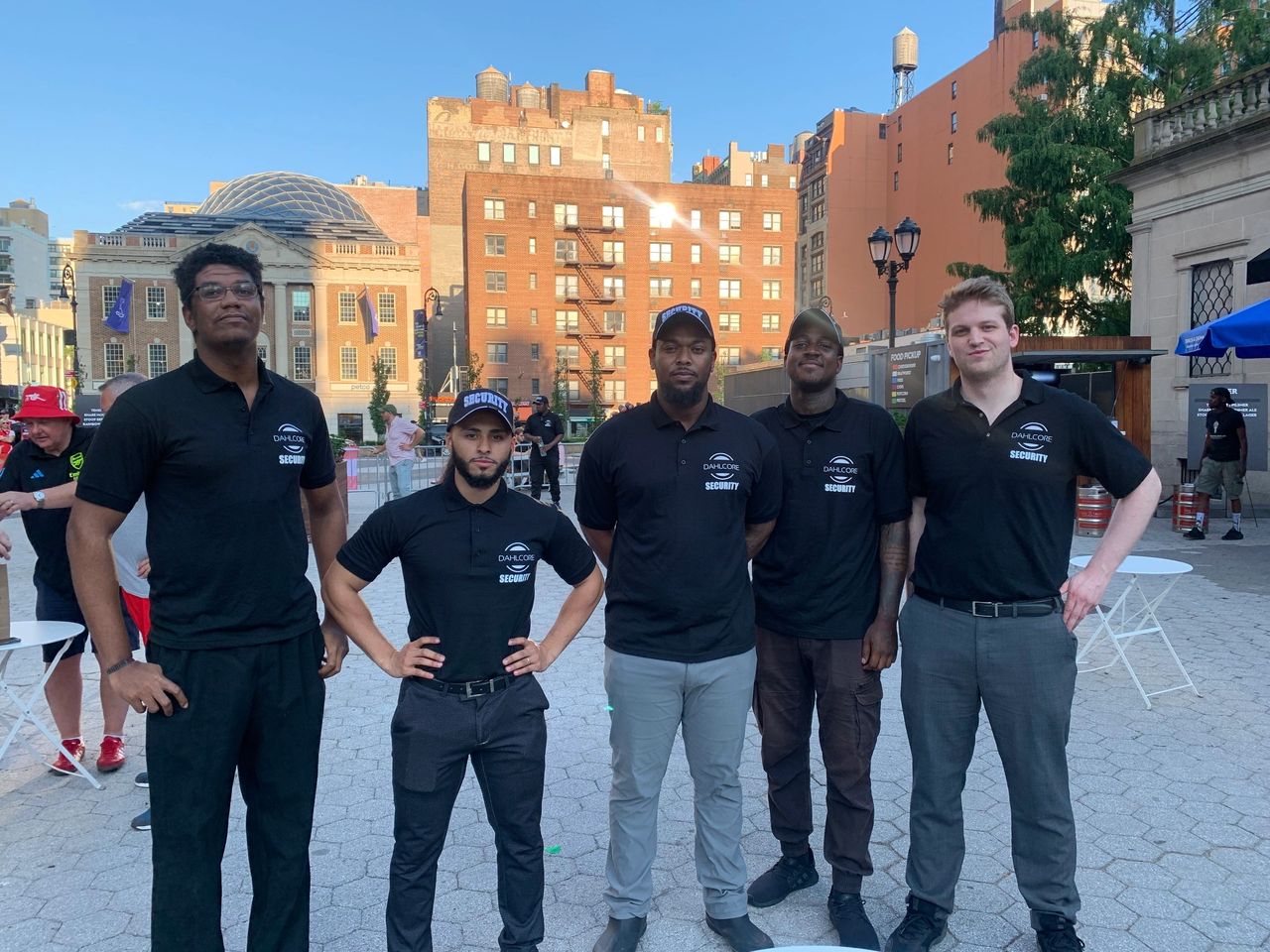
How to Protect Controlled Substances and Drug Inventory with Specialized Security Guards
If you manage a pharmacy, oversee a hospital’s medication program, or run a pharmaceutical supply chain in New York City, you already know one uncomfortable truth: controlled substances are a target. Not occasionally — constantly. From opportunistic employee theft to organized smash-and-grab robberies, the threats facing drug inventories are real, costly, and in some cases, life-threatening to the communities you serve.
The stakes go beyond dollars and inventory counts. Losing controlled substances — whether through theft, diversion, or poor access control — can expose your facility to DEA scrutiny, state licensing consequences, and serious liability. In a city as dense, fast-moving, and high-pressure as New York, the margin for error is slim.
This guide is written specifically for pharmacy owners, hospital administrators, and supply chain managers who need practical, expert-level guidance on how to protect controlled substances using specialized security guards. You’ll find a clear framework for building a security plan, understanding what trained pharmaceutical security personnel actually do, and how Dahlcore Security Guard Services approaches this challenge in the NYC environment.
Key Takeaways
- Controlled substance theft is a persistent, multi-source risk — not just an external threat.
- Specialized security guards bring pharmaceutical-specific training that general security staff lack.
- NYC facilities face layered regulatory obligations from both state and federal agencies.
- A strong security plan integrates people, technology, and documented procedures.
- Dahlcore Security Guard Services provides customized pharmaceutical security solutions across New York City.
The Importance of Protecting Controlled Substances
Controlled substances — Schedule I through V drugs under the DEA’s classification system — require strict handling, storage, and accountability at every point in their lifecycle. For pharmacies and healthcare facilities, this isn’t just a best practice. It’s the law.
But beyond compliance, the real-world consequences of inadequate drug inventory security are serious:
Theft and diversion. Drug diversion — when controlled substances are redirected from their intended medical use — happens from both inside and outside facilities. Employees, patients, and external actors all represent risk vectors. The DEA estimates that drug diversion costs the healthcare system billions annually [source needed], and much of it goes undetected for extended periods.
Patient safety. When medications are tampered with, substituted, or simply go missing, patient care suffers directly. A hospital that can’t account for its opioid inventory isn’t just facing a regulatory problem — it may be putting patients at risk.
Business continuity. A single significant theft event can trigger a DEA audit, suspend a pharmacy’s registration, or shut down operations while an investigation unfolds. For independent pharmacy owners in NYC, that can mean permanent closure.
Reputation. Healthcare facilities are trusted institutions. A publicized theft incident or compliance failure damages that trust in ways that are extremely difficult to rebuild.
This is why protecting controlled substances deserves a dedicated, specialized approach — not a general “we have cameras and locks” solution.
Why Choose Specialized Security Guards?
There’s a meaningful difference between a general security guard and a security professional trained specifically for pharmaceutical environments. Most facilities that experience drug-related security failures aren’t unprotected — they’re under-protected in the wrong ways.
Here’s what specialized security guards bring to the table that general personnel typically do not:
Pharmaceutical Environment Familiarity
Specialized guards understand the layout and operational flow of pharmacies, hospital dispensaries, and medical warehouses. They know where vulnerabilities typically exist — loading docks, after-hours dispensing areas, medication storage rooms — and they’re trained to monitor these areas without disrupting clinical workflows.
Diversion Detection Awareness
One of the most overlooked aspects of drug inventory security is internal diversion. Specialized security personnel are trained to recognize behavioral indicators that may suggest an employee is stealing or misusing controlled substances. This is a sensitivity that general security guards rarely develop.
Access Control Expertise
Managing who enters medication storage areas — and when — is foundational to controlled substance protection. Specialized guards work in coordination with electronic access control systems, key management protocols, and visitor logging procedures. They don’t just stand at a door; they actively manage access as part of an integrated system.
Documentation and Reporting
Federal and state regulations require meticulous records of controlled substances. Specialized security guards are trained to support documentation practices — logging access events, reporting discrepancies, and creating the paper trail that protects your facility during an audit.
Crisis Response in Healthcare Settings
A security incident in a pharmacy or hospital isn’t like one in a retail store. Specialized guards are trained to de-escalate situations without disrupting patient care, and to involve law enforcement in ways that preserve chain-of-custody evidence — critical when a criminal case or regulatory investigation may follow.

Specific Security Challenges in NYC
New York City creates a specific set of conditions that amplify pharmaceutical security risks beyond what facilities in lower-density markets typically face.
High foot traffic and urban density. NYC pharmacies and hospital outpatient facilities often serve hundreds of patients daily in tight, fast-paced environments. This volume creates more opportunities for opportunistic theft and makes it harder to monitor every interaction.
Neighborhood-specific crime patterns. Drug theft risks vary significantly by borough and neighborhood. A pharmacy in certain parts of the Bronx faces different threat profiles than one in Midtown Manhattan. Effective security planning has to account for local crime data, not just general best practices.
Complex regulatory environment. New York State has its own controlled substance regulations through the Bureau of Narcotic Enforcement (BNE), which layer on top of federal DEA requirements. NYC facilities must navigate both simultaneously, and the compliance burden is significant.
Staffing and operational complexity. Many NYC healthcare facilities operate 24/7. Managing security across multiple shifts, with varying staff configurations, requires more sophisticated personnel deployment than a single-shift operation.
Multi-tenant buildings. A significant number of NYC pharmacies and medical offices operate within larger mixed-use buildings. This introduces shared access points, elevator lobbies, and building security systems that may not be under your direct control — creating gaps that need to be addressed proactively.
Integrating Security with Everyday Operations
One of the most common objections to robust pharmaceutical security is that it will slow things down or create friction for staff and patients. Done poorly, that can be true. Done well, security becomes nearly invisible to the people it’s protecting.
A few principles that make the difference:
Design security around workflows, not against them. A well-placed guard near a dispensing counter should make patients feel safer, not surveilled. Security personnel who understand how a pharmacy operates can position themselves and manage access in ways that feel natural.
Train clinical and administrative staff alongside security personnel. Security isn’t just the guard’s job. Pharmacists, nurses, and support staff need to understand their roles in inventory control, access management, and incident reporting. When everyone understands the system, it works better.
Use technology as a force multiplier, not a replacement. Cameras, electronic locks, and inventory management software all strengthen security — but they need trained humans to monitor them, respond to alerts, and interpret data. Specialized guards coordinate with these systems rather than operating independently of them.
Establish clear escalation paths. Staff should know exactly who to contact and what steps to take if they notice a discrepancy, a suspicious person, or a potential security breach. Ambiguity in these moments leads to delayed responses.
Step-by-Step: Setting Up Your Security Plan
Building an effective pharmaceutical security plan isn’t complicated, but it does require a systematic approach. Here’s a practical framework:
Step 1: Conduct a Security Risk Assessment
Before adding guards or upgrading locks, understand where your vulnerabilities actually are. A risk assessment should examine:
- Physical layout and access points
- Current inventory management and discrepancy tracking processes
- Employee access levels and controls
- Existing camera coverage and blind spots
- Historical incident data (thefts, discrepancies, near-misses)
This assessment should be done with the help of a security professional who has pharmaceutical experience — not just a general consultant.
Step 2: Define Your Threat Profile
Not all facilities face the same risks. A retail pharmacy in a high-traffic neighborhood has different threat priorities than a hospital inpatient pharmacy or a medical distribution warehouse. Your security plan should be designed around your specific threat profile, not a generic template.
Step 3: Establish Access Control Protocols
Determine who has access to controlled substance storage areas, under what circumstances, and with what level of documentation. This typically includes:
- Keycard or biometric access systems
- Dual-control requirements for high-value substances
- Visitor and contractor access procedures
- After-hours access restrictions and monitoring
Step 4: Deploy Specialized Security Personnel
Based on your risk assessment and threat profile, determine the appropriate staffing model. This might include:
- Stationary posts at key access points
- Roving patrol coverage across a larger facility
- After-hours coverage to address vulnerability windows
- Plainclothes personnel for internal diversion monitoring in appropriate settings
Step 5: Implement Inventory Reconciliation Procedures
Security guards can support inventory loss prevention, but the core accountability process needs to be embedded in your daily operations. Establish clear procedures for cycle counts, end-of-shift reconciliation, and discrepancy reporting — and make sure your security team knows how to escalate anomalies.
Step 6: Train, Document, and Review
A security plan is only as good as its execution. Train all relevant staff, document procedures clearly, and schedule regular reviews — at a minimum, quarterly — to assess whether the plan is working and where adjustments are needed.
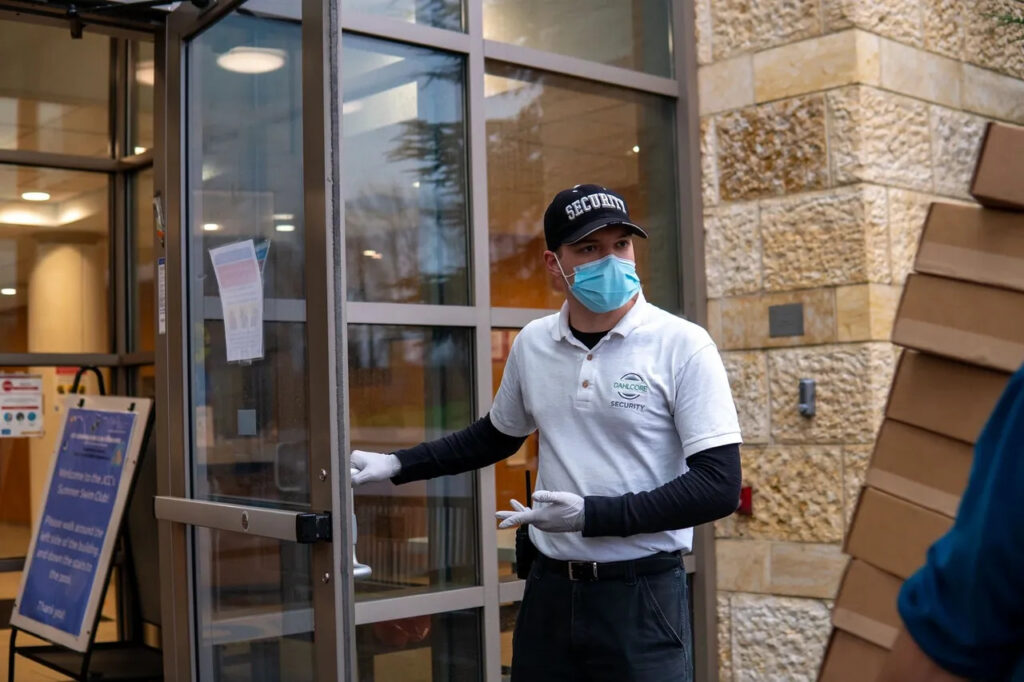
Dahlcore Security Guard Services: Our Approach
At Dahlcore Security Guard Services, we’ve built our pharmaceutical security practice around one core principle: your facility’s security needs are not generic, and your security solution shouldn’t be either.
We work with pharmacy owners, hospital administrators, and medical supply chain managers across New York City to design and implement security programs that address the specific risks of handling controlled substances in high-density, high-stakes environments.
Our approach begins with a detailed site assessment. We look at your physical environment, your operational workflows, your existing security infrastructure, and your regulatory obligations. From there, we develop a personnel deployment plan that fits your operation — not ours.
Our security personnel who work in pharmaceutical settings receive specific training that goes beyond standard guard certification. This includes controlled substance handling awareness, diversion detection basics, access control system operation, healthcare environment de-escalation techniques, and documentation practices aligned with DEA and New York BNE requirements.
We also believe in ongoing communication with our clients. Your operation changes — staffing levels shift, new products arrive, your threat environment evolves. We stay in regular contact with facility managers to ensure our security program keeps pace with those changes.
If you’re managing controlled substances in a New York City pharmacy, hospital, or medical warehouse and you’re not confident your current security measures are adequate, a conversation with our team is a useful starting point.
Ensuring Compliance with Laws and Regulations
Pharmaceutical security isn’t just a business risk issue — it’s a legal one. Facilities that handle controlled substances operate under a web of overlapping regulatory requirements that carry real consequences for non-compliance.
At the federal level, the DEA requires registrants to maintain effective controls against theft and diversion of controlled substances. The specific requirements vary by DEA schedule and facility type, but they broadly include physical security standards, inventory recordkeeping, and reporting of theft or significant losses on DEA Form 106.
At the New York State level, the Bureau of Narcotic Enforcement oversees controlled substance licensing and compliance. BNE inspections can be triggered by complaint, routine audit, or following a reported incident, and findings of inadequate security can result in license suspension or revocation.
For hospitals and healthcare systems, The Joint Commission’s standards include provisions related to medication management and security that intersect with controlled substance handling.
Specialized security guards who understand this regulatory landscape don’t just protect your inventory — they help protect your license. Proper documentation of access events, incident reports that preserve chain-of-custody integrity, and security procedures that align with regulatory expectations all contribute to your compliance posture.
When in doubt, work with your security provider and legal counsel to ensure your security program is documented in a way that would withstand regulatory scrutiny.
Case Studies / Real-World Scenarios
While specific client details remain confidential, the patterns Dahlcore and other pharmaceutical security providers encounter in the field point to consistent vulnerabilities that, once addressed, produce measurable improvements.
Scenario 1: Independent pharmacy, Brooklyn. A retail pharmacy was experiencing unexplained inventory discrepancies in Schedule IV medications over several months. After a security assessment revealed inadequate after-hours monitoring and weak access control to the dispensing area, a combination of keycard access upgrades and overnight security coverage was implemented. Discrepancies dropped significantly within the first quarter.
Scenario 2: Hospital outpatient pharmacy, Manhattan. A mid-sized hospital was preparing for a BNE inspection and identified gaps in its controlled substance access documentation. Dahlcore was engaged to provide trained personnel for a 90-day period during which access log procedures were standardized, and staff were trained on proper documentation. The facility passed its inspection without findings related to physical security.
Scenario 3: Medical distribution warehouse, Queens. A pharmaceutical distribution company handling both Schedule II and Schedule III products was experiencing cargo theft concerns at its loading dock. A roving patrol program combined with revised vendor check-in procedures and camera system integration eliminated unauthorized access attempts during an initial six-month period.
These aren’t exceptional outcomes. They’re what happens when pharmaceutical security is treated as a professional discipline rather than an afterthought.
Conclusion
Protecting controlled substances in a busy New York City environment requires more than locks and cameras. It requires trained personnel who understand the pharmaceutical setting, the regulatory landscape, and the specific threat patterns that affect your operation.
Specialized security guards are a foundational part of that solution — not a luxury. Whether you’re running an independent pharmacy, managing a hospital inpatient dispensary, or overseeing a medical supply chain, the cost of getting security wrong far exceeds the cost of getting it right.
Dahlcore Security Guard Services is here to help you build a program that protects your inventory, supports your compliance obligations, and fits the way your facility actually operates. Reach out today to start the conversation.
Ready to assess your facility’s vulnerabilities? Contact Dahlcore Security Guard Services for a no-obligation pharmaceutical security assessment tailored to your NYC operation.
Key Takeaways
- Controlled substance theft and diversion are persistent risks that require proactive, specialized security — not reactive measures.
- Specialized security guards bring training in pharmaceutical environments, diversion detection, access control, and regulatory documentation that general guards do not.
- New York City’s density, crime patterns, and layered regulatory environment (DEA + NY BNE) create unique security demands for local facilities.
- Effective security integrates trained personnel with technology, documented procedures, and staff training.
- A step-by-step security plan — starting with a risk assessment and ending with regular reviews — is the most reliable framework for long-term protection.
- Dahlcore Security Guard Services provides pharmaceutical-specific security programs tailored to NYC facilities.
FAQs
How can security guards prevent drug theft?
Specialized security guards prevent drug theft through a combination of physical presence, access control management, behavioral monitoring, and documentation. They deter opportunistic theft, monitor for signs of internal diversion, manage who enters controlled areas, and support the recordkeeping that makes discrepancies detectable early.
What training do specialized security guards undergo?
Beyond standard New York State security guard licensing requirements, specialized pharmaceutical security guards receive training in controlled substance handling awareness, healthcare environment de-escalation, access control system operation, diversion indicator recognition, and documentation procedures aligned with DEA and New York BNE standards.
Are there specific NYC regulations for pharmaceutical security?
Yes. New York State’s Bureau of Narcotic Enforcement (BNE) regulates controlled substance handling at the state level, with requirements that add to federal DEA standards. NYC facilities must comply with both, and BNE inspections can assess whether physical security measures are adequate to prevent diversion and theft.
How can we ensure compliance with security regulations?
Compliance starts with understanding your specific obligations under DEA registration requirements and New York BNE rules. Pair that with documented access control procedures, regular inventory reconciliation, proper incident reporting (including DEA Form 106 for significant losses), and security personnel who understand how to create and maintain compliant documentation.
What are the costs involved in hiring specialized security guards?
Costs vary based on the number of posts, hours of coverage, level of specialization required, and whether armed or unarmed personnel are appropriate. The more relevant financial question is the cost comparison: a single significant theft event, DEA audit, or license suspension will typically far exceed the annual cost of adequate security. Contact Dahlcore for a specific quote based on your facility’s needs.
How does Dahlcore ensure drug safety at client facilities?
Dahlcore begins every pharmaceutical security engagement with a detailed site assessment, develops a customized deployment plan, assigns personnel with relevant pharmaceutical environment training, and maintains ongoing communication with facility managers to adjust the program as conditions change.
What’s the difference between drug diversion and drug theft?
Drug theft typically refers to an external actor stealing controlled substances. Diversion refers to the redirection of pharmaceuticals from their intended use — most often by someone with legitimate access, such as an employee or contractor. Both are serious, but diversion is often harder to detect, which is why specialized guards trained in behavioral indicators are particularly valuable.
How quickly can a security program be implemented for a pharmacy or hospital?
Timeline varies by facility size and complexity, but a basic security program can typically be deployed within a few weeks of completing an initial assessment. More complex multi-site or 24/7 coverage programs may take longer to staff and configure properly.
