


“Recent Growth in the Private Security Industry”
The private security industry has experienced rapid growth over the past decade, evolving from simple surveillance services to highly specialized and technologically advanced solutions. Today, private security firms offer a wide range of services, from personal protection and corporate security to cyber defense and threat assessment. This expansion is fueled by various factors, such as rising crime rates, technological advancements, and increased demand for personal and corporate safety in an increasingly complex world.
As the role of private security becomes more prominent, businesses, governments, and individuals are investing more in protection services, ensuring that the industry continues to grow at a significant pace. Understanding the key drivers behind this growth can shed light on why private security is now an essential part of modern society.
The Factors Driving Growth in Private Security
The recent boom in the private security sector can be attributed to several interconnected factors. One of the primary drivers is the rising concern over public safety and the growing inability of public law enforcement agencies to meet increasing demands. With limited resources and an overburdened system, public safety has become a concern, leading businesses and individuals to seek additional security measures.
Technological innovations have also played a major role in the growth of the industry. The integration of artificial intelligence (AI), smart surveillance, and cybersecurity measures has made private security services more efficient, customizable, and cost-effective. Moreover, there is a growing demand for specialized services such as corporate protection, executive bodyguard services, and residential security.
Rising Crime Rates and Public Safety Concerns
Rising crime rates, especially in urban areas, have become a significant concern for businesses and homeowners. In many cities, the gap between police resources and the demand for security services has widened, prompting individuals and corporations to turn to private firms. This has led to a surge in demand for both operated security services and advanced technological solutions like surveillance cameras, motion sensors, and remote monitoring.
Technological Innovations in Security Solutions
Technology is one of the main catalysts for growth in the private security industry. Companies are adopting state-of-the-art equipment, including AI-driven systems, facial recognition, and intelligent surveillance technologies, to enhance their offerings. The rise of the Internet of Things (IoT) has also revolutionized security systems, allowing businesses and homeowners to monitor their properties in real time via connected devices.
AI and machine learning tools help predict potential threats and analyze security data more efficiently, allowing companies to address issues before they escalate preemptively. This has made security services more appealing and accessible to a broader audience.
Increasing Demand for Corporate and VIP Protection
In the corporate world, security breaches can result in significant financial and reputational damage. As a result, businesses are prioritizing security measures more than ever before. The private security industry provides comprehensive solutions, including physical security, cybersecurity, and threat management for corporations. VIP protection services have also become more in demand, especially for high-profile individuals such as CEOs, celebrities, and politicians.
Key Players in the Private Security Industry
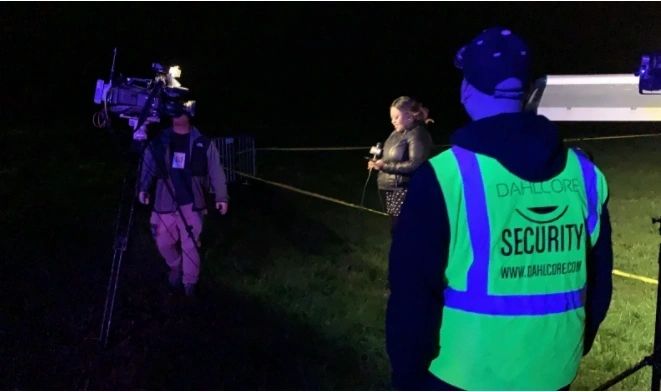
The private security industry is vast, with numerous firms providing a wide array of services. Large multinational companies dominate the market, offering everything from personal protection to large-scale event security. Some of the biggest names in the industry include G4S, Securitas, and Allied Universal, which provide services on a global scale.
Independent security contractors have also carved out a niche, especially in personal security and small-scale operations. These contractors often offer specialized services and are able to cater to specific client needs.
Technological Advancements Fueling Industry Expansion
The integration of AI and automation into private security services has transformed how security is delivered. AI-powered surveillance systems can now detect suspicious activities, analyze data, and send alerts in real-time. This kind of automation significantly reduces response times and increases the overall efficiency of security operations.
The Role of Artificial Intelligence and Automation in Security
AI has emerged as a game-changer in the private security industry. Through advanced machine learning algorithms, security systems can now “learn” from previous incidents, detect patterns, and prevent breaches before they occur. AI-powered tools also assist in monitoring large areas, reducing the need for manual intervention and human oversight.
Smart Surveillance Systems and IoT Integration
Smart surveillance systems, enhanced by the IoT, allow for real-time data sharing and analysis across multiple devices. For example, a smart home security system can connect to mobile devices, providing homeowners with immediate updates on security events. In commercial environments, IoT-powered surveillance systems help monitor vast premises efficiently, ensuring comprehensive security coverage.
Cybersecurity Solutions Enhancing Physical Security
As more physical security systems go digital, the need for robust cybersecurity solutions has grown. Cyberattacks can now target physical security systems, making cybersecurity an essential component of modern security operations. Many private security firms are offering hybrid solutions that combine both physical protection and digital security to combat these evolving threats.
Growing Demand for Personal Protection Services
Personal protection services have seen increased demand as high-profile individuals and executives face more significant security risks. VIPs, celebrities, and wealthy individuals often hire bodyguards or security teams to ensure their safety during public appearances or travel. These services have become a significant revenue stream for the private security industry.
VIP and Executive Protection Services
With growing security threats targeting prominent individuals, VIP protection has become a specialized area within private security. Companies offering these services provide not only physical safety but also advanced threat assessment and risk management. These high-stakes environments require expertly trained personnel, often with military or law enforcement backgrounds.
Security for High-Profile Events and Public Figures
Major events such as concerts, political rallies, and sporting events are also prime targets for security threats. Event organizers increasingly rely on private security firms to provide comprehensive safety measures, from crowd control to emergency response. This area of private security is expected to continue growing, especially in light of increasing global unrest.
Private Security in Residential Areas
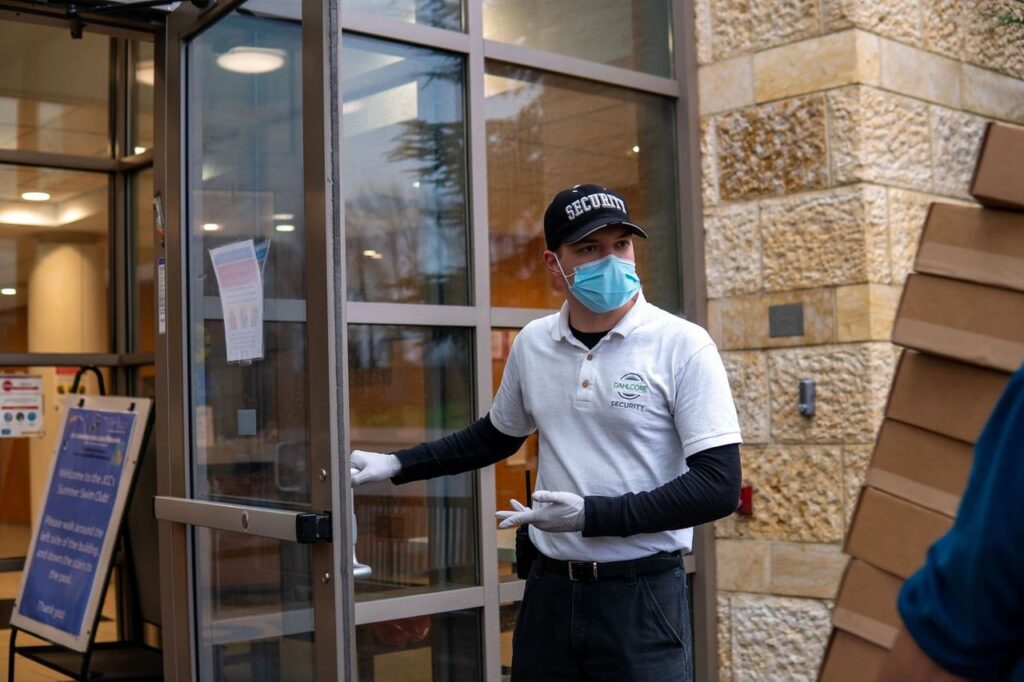
The need for security services extends beyond businesses and public figures. Residential security services have become more popular, with gated communities and neighborhoods hiring private security firms to patrol and monitor their properties. This trend is powerful in affluent areas where property crimes are a constant concern.
Smart Home Security Systems and Monitoring
The rise of smart home technology has significantly impacted the private security industry. Thanks to innovations like smart cameras, doorbell cameras, and motion detectors, homeowners can now monitor their properties remotely. These systems provide real-time alerts to homeowners’ mobile devices, allowing them to take immediate action if any suspicious activity occurs. Additionally, many smart home security systems are integrated with professional monitoring services, where security personnel are alerted to any incidents and can dispatch emergency services if needed.
Smart home security has become especially popular in residential areas where property crimes like burglary and vandalism are concerns. The convenience and relatively low cost of these systems have made them accessible to a broad audience, further driving the growth of the private security sector.
The Impact of Terrorism and Global Threats
In recent years, the global threat of terrorism has heightened the demand for private security services. Governments and businesses alike have recognized the need for enhanced security measures to protect public spaces, transportation hubs, and critical infrastructure. Private security firms have become instrumental in providing these services, often working alongside law enforcement agencies to ensure comprehensive protection.
The rise of cyberterrorism has also created a new area of demand within the industry. Cyberattacks, particularly those targeting critical infrastructure or financial systems, can have devastating consequences. Private security companies are increasingly offering specialized services to combat these threats, including cybersecurity measures designed to protect both digital and physical assets.
The Role of Private Security in Counterterrorism Efforts
Private security firms are playing a more prominent role in counterterrorism efforts, particularly in high-risk industries such as aviation, banking, and energy. These companies provide a range of services, including surveillance, intelligence gathering, and emergency response planning. By working closely with government agencies, private security firms help to identify and neutralize potential threats before they can cause harm.
In many cases, private security companies are also involved in protecting key figures who may be targeted by terrorist groups, including government officials, corporate executives, and public figures. These firms offer comprehensive risk assessments and personal protection plans to ensure the safety of their clients in an increasingly volatile world.
Addressing Cyberterrorism and Data Breaches
As cyberterrorism becomes more prevalent, private security firms have expanded their offerings to include cybersecurity services. These services are essential for protecting sensitive information and preventing data breaches that could result in financial loss, reputational damage, or even national security threats. By implementing robust cybersecurity measures, private security companies help their clients safeguard critical data and reduce the risk of cyberattacks.
Economic Impact of the Private Security Industry
The private security industry has become a significant contributor to the global economy. As demand for security services continues to grow, the industry is creating thousands of jobs and generating billions in revenue each year. This growth is particularly evident in emerging markets, where rising crime rates and political instability have led to an increased reliance on private security.
Job Creation and Employment Growth
One of the private security industry’s most notable economic impacts is its role in job creation. As security needs expand, companies are hiring more personnel to meet the growing demand for services. In addition to traditional security roles such as guards and patrol officers, the industry also offers opportunities in technology development, cybersecurity, and risk management.
Private security firms are also increasingly relying on skilled professionals with military or law enforcement backgrounds, particularly for high-stakes roles like VIP protection or counterterrorism operations. This has created a diverse job market within the industry, offering opportunities for individuals with a wide range of skills and expertise.

Private Security’s Contribution to Global GDP
The private security industry has become a major economic force, contributing to the GDP of both developed and developing nations. In many countries, private security firms now outnumber public law enforcement agencies in terms of personnel, highlighting the growing reliance on private companies to provide essential services. This trend is expected to continue, with the global security market projected to reach over $240 billion by 2026.
Private Security vs. Public Law Enforcement
One of the key debates surrounding the growth of the private security industry is the relationship between private firms and public law enforcement. While both play important roles in maintaining public safety, there are significant differences in their responsibilities and capabilities.
Complementary Roles of Private and Public Security Forces
Private security firms often complement the work of public law enforcement by providing additional resources and expertise. In many cases, private security officers are the first line of defense, particularly in corporate settings or residential communities. They work closely with police forces, providing information and support during investigations or emergencies.
However, private security is generally limited to preventive measures and cannot engage in law enforcement activities like arrests or criminal investigations. Despite these limitations, the collaboration between private security and public agencies has become increasingly important, especially in high-crime areas or during large-scale events.
Increasing Reliance on Private Security in Public Spaces
As public law enforcement agencies face budget cuts and resource constraints, there is growing reliance on private security in public spaces such as shopping malls, airports, and entertainment venues. This shift has raised questions about the role of private firms in maintaining public order and whether they should be granted more authority.
Regulations Governing the Private Security Sector
The rapid growth of the private security industry has led to increased scrutiny and the need for regulation. Governments around the world are implementing stricter licensing requirements and standards for private security companies to ensure accountability and professionalism.
Government Oversight and Licensing Requirements
In most countries, private security firms must meet specific licensing and regulatory requirements to operate legally. These requirements vary by region but generally include background checks, training certifications, and ongoing compliance with industry standards. Government oversight ensures that private security companies adhere to ethical guidelines and are held accountable for their actions.
Standards and Certifications for Security Professionals
Professionalism in the private security industry is often maintained through certifications and training programs. Security personnel are required to undergo extensive training in areas such as risk management, conflict resolution, and emergency response. Certifications help ensure that security professionals are equipped to handle the challenges of their roles, whether they are protecting individuals, assets, or data.
Future Trends in the Private Security Industry
The private security industry is poised for continued growth in the coming years, driven by new trends and evolving threats. One of the most significant developments is the rise of hybrid security solutions, which combine physical security with advanced digital protection.
Growth of Hybrid Security Solutions
As the line between physical and digital security continues to blur, hybrid solutions are becoming increasingly popular. These systems integrate traditional security measures, such as surveillance cameras and guards, with cybersecurity tools like firewalls and data encryption. This approach provides comprehensive protection against both physical and digital threats, making it ideal for businesses that operate in high-risk environments.
Expanding Role of Cybersecurity in Physical Protection
As cyberattacks become more sophisticated, there is a growing need for cybersecurity solutions that enhance physical security systems. For example, smart surveillance systems can be vulnerable to hacking, making it essential to implement cybersecurity measures that prevent unauthorized access. As a result, private security firms are increasingly offering combined services that protect both physical assets and digital infrastructure.
Challenges Facing the Private Security Industry
Despite its rapid growth, the private security industry faces several challenges. Regulatory compliance, competition, and ethical concerns are some of the key issues that companies must address as they continue to expand.
Regulatory Compliance and Ethical Concerns
As governments implement stricter regulations, private security firms must navigate complex legal frameworks to ensure compliance. This includes adhering to licensing requirements, maintaining transparency, and upholding ethical standards. Additionally, the increasing reliance on surveillance technology has raised concerns about privacy and the potential misuse of data, prompting calls for more robust oversight.
Competition and Market Saturation
The private security industry is becoming increasingly competitive, with more firms entering the market and offering similar services. This has led to market saturation in some regions, particularly in developed countries where demand for security services is already high. To stay competitive, companies must continue to innovate and offer specialized solutions that address the unique needs of their clients.
International Growth in Private Security
While the private security industry is well-established in developed nations, it is now experiencing significant growth in developing markets. As crime rates rise and political instability increases in these regions, private security firms are expanding their operations to meet the growing demand for protection.

Growth in Developing Markets
In countries with limited public law enforcement resources, private security firms are stepping in to fill the gap. This is particularly true in regions where political instability, economic inequality, and high crime rates are prevalent. The demand for private security services is expected to increase in these areas, providing opportunities for both local and international security firms.
Expansion of Multinational Security Companies
Many multinational security companies are expanding their operations into emerging markets, offering a range of services from personal protection to large-scale infrastructure security. These companies are able to leverage their global expertise to provide comprehensive solutions in regions where security challenges are more pronounced.
FAQs
What is driving the growth of the private security industry?
Rising crime rates, technological advancements, and increased demand for corporate and personal protection services drive the growth.
How has technology impacted the private security industry?
Technological innovations like AI, smart surveillance, and cybersecurity have made security services more efficient and accessible, contributing to the industry’s expansion.
Why is there a growing demand for VIP protection services?
As high-profile individuals face more significant security risks, the need for specialized personal protection services has increased significantly.
What are the economic benefits of the private security industry?
The industry contributes to global GDP, creates jobs, and generates billions in revenue, particularly in developing markets.
How does private security complement public law enforcement?
Private security firms provide additional resources and expertise, working closely with law enforcement agencies to ensure comprehensive public safety.
What challenges does the private security industry face?
The industry faces challenges such as regulatory compliance, ethical concerns, competition, and market saturation.
Conclusion
The recent growth in the private security industry reflects the increasing demand for protection in an uncertain world. Driven by rising crime rates, technological advancements, and new global threats, the industry has become an essential component of modern society. As the private security sector continues to evolve, it will play an even more critical role in ensuring public safety, protecting assets, and mitigating risks.
Check other blogs
Security Company Insurance: Rates, Coverage & Providers
Security Guards in Hospital Visitor Access Management: Overview
Can a Security Guard Detain You for Trespassing? Know Your Rights
Your Responsibilities When Responding to Emergency Situations
