

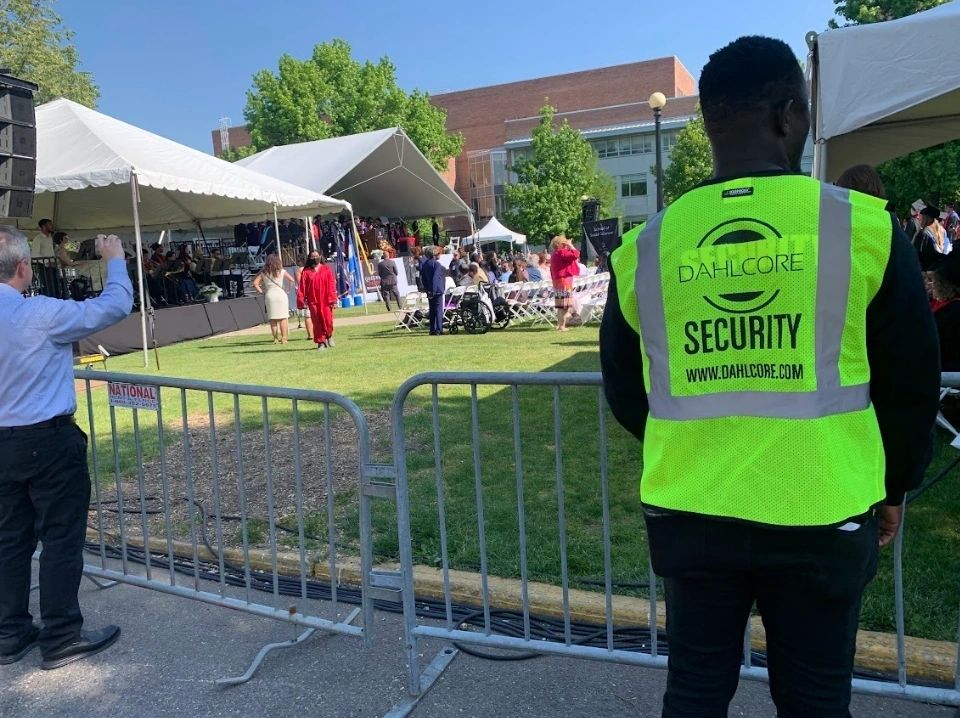
Personal security for the wealthy is a critical concern in today’s world. With increasing wealth comes a higher risk of targeted attacks, burglaries, cyber threats, and other security challenges. This article provides a thorough guide to understanding and implementing effective personal security measures for high-net-worth individuals.
Understanding Personal Security for the Wealthy
Importance of Personal Security
For the wealthy, personal security is more than just a precaution—it’s a necessity. The affluent are often targets for various crimes, including theft, kidnapping, and cyber-attacks. Ensuring robust personal security means protecting not only one’s assets but also the safety and well-being of oneself and one’s family.
Common Security Threats Faced by the Wealthy
High-net-worth individuals face unique security threats. These can include home invasions, personal assaults, and sophisticated cyber attacks aimed at stealing sensitive information. Understanding these threats is the first step in mitigating them effectively.
Types of Personal Security Measures
Physical Security
Physical security encompasses measures designed to protect people and property from physical threats. This includes installing high-quality locks, security doors, and windows, as well as implementing secure entry systems. Additionally, having a visible security presence can act as a deterrent to potential intruders.
Cybersecurity
In our digital age, cybersecurity is as crucial as physical security. Protecting personal and financial information from cyber threats involves using solid passwords, employing encryption, and having up-to-date antivirus software. Regularly monitoring and securing online activities can prevent unauthorized access and data breaches.
Surveillance Systems
Advanced surveillance systems are essential for monitoring and protecting properties. High-definition cameras, motion sensors, and alarm systems can provide real-time alerts and recordings, helping to identify and respond to security breaches promptly.
What Are The Qualities of a Bodyguard?
A bodyguard requires a specific set of qualities to protect their clients and handle potentially dangerous situations effectively:
- Physical Fitness and Training: Bodyguards must be in excellent physical condition to react swiftly and handle physical confrontations if necessary.
- Tactical and Strategic Thinking: They need to assess threats quickly, make decisions under pressure, and plan safe routes and escape strategies.
- Excellent Communication Skills: Effective communication ensures they can coordinate with their team, relay information discreetly, and defuse tense situations verbally.
- Vigilance and Awareness: Constantly monitoring surroundings to identify potential threats before they escalate is crucial.
- Emergency Response Skills: Knowledge of first aid, CPR, and emergency protocols are essential for providing immediate assistance if needed.
- Discretion and Professionalism: Bodyguards must maintain confidentiality, act professionally at all times, and blend into their environment to avoid drawing unnecessary attention.
- Firearms and Defensive Tactics: Proficiency in firearms usage and defensive techniques ensures they can protect themselves and their clients if attacked.
- Adaptability and Resourcefulness: Being able to adapt to changing circumstances and using available resources effectively is vital.
- Cultural and Social Awareness: Understanding cultural norms and social etiquette is crucial when protecting clients in various settings.
- Stress Management: Remaining calm and focused under pressure helps bodyguards make sound decisions and protect their clients effectively.

Hiring Professional Security Services
Benefits of Hiring Security Personnel
Professional security services offer numerous advantages, including expertise in threat assessment, quick response times, and the ability to handle emergencies efficiently. Trained security personnel can provide peace of mind and ensure continuous protection.
Types of Security Personnel
There are several categories of security personnel tailored to different needs, such as personal bodyguards for physical protection, residential security teams for home safety, and cybersecurity experts for digital security. Selecting the appropriate type hinges on understanding the specific threats and vulnerabilities encountered. Tailoring security measures to these factors ensures adequate protection against potential risks and dangers.
How to Choose the Right Security Team
Selecting the right security team requires a thorough evaluation of their experience, training programs, and reputation within the industry. It’s crucial to partner with licensed and accredited security firms that prioritize rigorous background checks and ongoing training for their personnel. This approach ensures that the team is well-equipped to handle security challenges effectively and maintain high standards of professionalism.
Technology in Personal Security
Smart Home Security Solutions
Smart home security solutions encompass a range of automated devices and systems designed to enhance home safety. They typically include features like remote control over lighting, door locks, and surveillance cameras, enabling users to monitor and manage their home’s security from any location. These technologies offer both convenience and peace of mind by allowing homeowners to stay connected and responsive to potential security concerns at all times.
Biometric Security Systems
Biometric security systems employ distinctive physical traits like fingerprints or facial features to authenticate individuals, offering robust protection against unauthorized access attempts. Their reliance on unique biological markers enhances security by adding layers that are challenging to compromise. As a result, biometric systems are widely favored in environments requiring stringent security measures.
Advanced Surveillance Technology
Cutting-edge surveillance technology, including drones and AI-powered cameras, significantly enhances monitoring capabilities. By leveraging real-time analytics, these tools can swiftly identify anomalies and potential threats, enabling security teams to respond promptly. This advanced technology marks a substantial improvement in surveillance effectiveness compared to traditional methods.
Travel Security for the Wealthy
Pre-Travel Security Planning
Adequate travel security begins with thorough planning, which involves extensively researching your destinations to understand local security conditions. It also includes making arrangements for secure transportation and accommodations to ensure your safety throughout your journey. Taking these steps proactively can significantly mitigate potential risks and enhance your overall travel experience.
Security During Travel
While traveling, it’s essential to minimize your visibility and stay vigilant about your surroundings to enhance personal safety. Utilizing encrypted communication methods and refraining from broadcasting travel specifics on social media can significantly mitigate the chances of being targeted for theft or other security risks. Taking these precautions ensures a more secure and enjoyable travel experience.
Post-Travel Security Measures
After returning from a trip, it’s crucial to conduct a thorough review of your home’s security. Check for any signs of intrusion or suspicious activity that may have occurred during your absence. Ensure all security measures, such as alarms, locks, and surveillance systems, are operational and up-to-date to maintain a safe environment.

Cybersecurity for High-Net-Worth Individuals
Importance of Cybersecurity
Cybersecurity is of utmost importance for high-net-worth individuals due to cybercriminals frequently targeting their personal information, financial data, and business operations. Implementing rigorous cybersecurity measures such as strong encryption, regular updates of security software, and multi-factor authentication can effectively mitigate these risks. Proactive monitoring and awareness of emerging threats are also crucial for maintaining comprehensive protection against cyber threats.
Common Cyber Threats
Cyber threats such as phishing attacks involve deceptive emails or messages aimed at stealing sensitive information. Ransomware encrypts data and demands payment for decryption, posing a serious risk to organizations’ operational continuity. Data breaches expose confidential information, leading to financial loss and reputational damage. Awareness and education on these threats are crucial for implementing effective cybersecurity measures and mitigating potential harm.
Effective Cybersecurity Strategies
Effective cybersecurity strategies encompass a range of measures, such as implementing multi-factor authentication to enhance account security, consistently updating software to patch vulnerabilities, and educating family members on safe internet practices. Collaborating with cybersecurity experts to perform routine audits helps identify and address potential weaknesses in systems, ensuring a robust defense against cyber threats. These proactive steps collectively bolster the overall security posture of individuals and organizations alike.
Building a Secure Estate
Estate Security Assessment
A comprehensive security assessment entails a detailed examination of all potential vulnerabilities within an estate’s security infrastructure. This includes thorough evaluations of entry points such as doors, windows, and access control systems, along with assessing the effectiveness of perimeter defenses like fences or surveillance systems. Additionally, the assessment reviews the adequacy of existing security measures such as alarms, lighting, and protocols for handling security breaches.
Perimeter Security Solutions
Perimeter security solutions encompass a range of physical and technological measures designed to secure the outer boundaries of a property. These include installing high fences to prevent unauthorized access, motion-sensor lighting to illuminate and deter intruders during nighttime, and surveillance cameras that monitor and record activities along the perimeter. Together, these components form a comprehensive defense system that not only prevents potential threats but also provides early detection and alerts in the event of any security breaches.
Secure Access Points
Ensuring the security of all access points, including gates and doors, is essential to prevent unauthorized entry. Implementing robust locking mechanisms and deploying security checkpoints can effectively regulate and monitor access, enhancing overall safety and control of the premises. These measures not only deter potential intruders but also provide peace of mind to occupants regarding their safety and security.
Personal Security Protocols
Developing a Security Plan
A comprehensive security plan is crucial as it establishes protocols for responding to emergencies and various security scenarios. Regular reviews and updates ensure the plan remains effective against evolving threats and vulnerabilities. It serves as a proactive measure to safeguard assets, personnel, and operations by maintaining readiness and adaptability in unpredictable situations.
Emergency Response Protocols
Emergency response protocols are comprehensive plans designed to guide individuals during security breaches. They outline specific actions, such as seeking designated safe rooms and following communication procedures. These protocols aim to ensure coordinated and effective responses to emergencies, minimize risks, and ensure the safety of everyone involved. Clear communication channels and rehearsed procedures are crucial components of these protocols to enhance readiness and swift action during critical incidents.
Regular Security Drills
Conducting regular security drills is crucial for maintaining preparedness across all personnel and validating the effectiveness of security protocols. By simulating diverse scenarios such as intrusions and natural disasters, organizations can identify weaknesses and refine their responses accordingly. This proactive approach helps mitigate risks and enhances overall security resilience within the environment.

Legal Aspects of Personal Security
Understanding Privacy Laws
Privacy laws are designed to protect individuals’ personal information from unauthorized access and misuse. They govern how businesses and organizations collect, store, and use data, aiming to safeguard privacy rights. Compliance with these laws involves implementing robust security measures and transparent data-handling practices to protect sensitive information effectively.
Legal Considerations for Armed Security
Hiring armed security personnel requires a thorough grasp of legal obligations and regulatory frameworks specific to firearms. It’s essential to verify that all hired personnel possess proper licensing and have undergone comprehensive firearms training to ensure they can handle situations effectively and responsibly. Failing to meet these criteria can lead to legal liabilities and compromise the security effectiveness of the personnel.
Cost of Personal Security
Budgeting for Security
Budgeting for personal security involves first assessing the upfront expenses for installing security measures like alarms or surveillance systems. Next, ongoing costs, such as maintenance fees for equipment and software updates, need to be factored in. Additionally, if hiring security personnel, budgeting should consider salaries, training costs, and any regulatory requirements. Understanding these elements helps in creating a comprehensive financial plan for personal security.
Cost-Benefit Analysis
A cost-benefit analysis in the context of security investments evaluates the financial implications of potential security breaches against the expenses of implementing security measures. This process involves quantifying potential losses due to breaches and comparing them to the costs of preventive measures like cybersecurity tools or training. Ultimately, it guides decision-makers in balancing the investment in security against the potential financial impact of security incidents.
Who Protects a Bodyguard?
While bodyguards primarily protect their clients, several entities ensure the safety and operational effectiveness of bodyguards themselves:
- Security Agencies: These organizations train, deploy, and manage bodyguards, ensuring they have the necessary support and resources to perform their duties.
- Support Staff: Administrative personnel, logistics teams, and coordinators handle scheduling, communications, and logistics to support bodyguards in their assignments.
- Law Enforcement: Local police or federal agencies may provide backup, intelligence, and coordination in high-risk situations or for high-profile clients.
- Emergency Services: Ambulance services and medical responders are crucial for providing immediate medical assistance in emergencies.
- Intelligence Agencies: They may provide threat assessments, intelligence gathering, and analysis to preempt potential risks to bodyguards and their clients.
- Legal Advisors: Attorneys specializing in security and protection laws ensure bodyguards operate within legal boundaries and handle any legal issues that may arise.
- Personal Assistants and Managers: They coordinate schedules, manage communications, and ensure bodyguards can focus solely on security tasks without distractions.
- Technical Support: IT professionals manage security equipment, communication devices, and surveillance systems to enhance the safety and efficiency of bodyguards.
- Transportation Services: Drivers and chauffeurs ensure safe and efficient transportation, maintaining vehicle security and readiness for quick departures if necessary.
- Psychological Support: Therapists or counselors may offer emotional and psychological support to help bodyguards cope with stress and trauma associated with their duties.

Frequently Asked Questions
What are the most common security threats faced by wealthy individuals?
Common threats include home invasions, cyber attacks, and kidnapping. Wealthy individuals are often targeted for their assets and personal information.
How can one choose the right security personnel?
Choosing the right security personnel involves evaluating their experience, training, and reputation. Working with licensed and accredited firms ensures quality service.
What are some effective cybersecurity strategies for high-net-worth individuals?
Effective strategies include using multi-factor authentication, regularly updating software, and conducting regular security audits with professionals.
How important is travel security for the wealthy?
Travel security is crucial to prevent targeted attacks while traveling. Pre-travel planning, secure communication, and maintaining a low profile are essential.
What legal considerations should be taken into account for armed security?
Understanding privacy laws and ensuring that armed security personnel are licensed and trained in firearm use are key legal considerations.
How can technology enhance personal security?
Technology enhances security through smart home solutions, biometric systems, and advanced surveillance. These technologies provide real-time monitoring and control.
Conclusion
Ensuring personal security for the wealthy involves a multifaceted approach that includes physical security, cybersecurity, professional security services, and legal considerations. By understanding the unique threats faced and implementing comprehensive security measures, high-net-worth individuals can effectively protect themselves and their assets.
Check other blogs:
Differences Between a Private Security Guard and a Police Officer
What Are the Duties and Roles of the Security Department?
Easy Steps to Check NYS Security Guard License Status Online
Tips for Tailoring Security Protocols for Boutique Dispensaries
