

Updated Date: April 13, 2026
Dangerous Areas in Brooklyn (2026 Guide)
Before we go any further, let’s define terms. “Dangerous” here means places where reported violent offenses (murder, rape, robbery, felony assault) and certain high‑impact property crimes (burglary, grand larceny, auto theft) cluster more than elsewhere right now. We’re using NYPD CompStat weekly precinct reports (the city’s official ledger) and the latest citywide updates through early 2026, plus outside analyses of Brooklyn crime patterns. Data is organized by precincts that broadly align with neighborhoods—think 73rd Precinct for Brownsville and 75th for East New York. These areas still show higher counts of serious offenses than many peers, even as Brooklyn posts record‑low shootings and homicides overall.
A crucial caveat: neighborhoods are not monoliths. Even within “hotter” precincts, blocks differ widely by time of day, street activity, lighting, and the presence of schools, churches, NYCHA campuses, or nightlife venues. Treat any map or list—including this one—as a starting point for deeper, real‑time checking, not a final verdict.
Introduction & Methodology
This 2026 guide to Dangerous Areas in Brooklyn blends official numbers with on‑the‑ground context. We reference the latest NYPD CompStat PDFs for high‑concern precincts—73rd (Brownsville), 75th (East New York), 79th/81st (Bedford‑Stuyvesant), and 83rd (Bushwick)—alongside updated overviews of Brooklyn crime rates. We also factor in 2025–early 2026 citywide trend updates, including record‑low shootings and homicides and a slight uptick in theft‑driven major crime at the start of 2026.
How to use precinct stats:
- Don’t compare weekly “counts” across neighborhoods without considering population size and daytime foot traffic.
- Focus on trends and context—whether robberies, felony assaults, or auto theft are rising or falling—rather than single‑week snapshots.
- Pair CompStat with block‑level observations: lighting, foot traffic, building security, and nearby transit.
Pro tip: Check NYPD’s Borough & Precinct Crime Stats and CompStat 2.0 before signing a lease or launching a storefront. It’s free, updated weekly, and far more current than generic “top 10 dangerous neighborhoods” lists.
How Crime Is Measured in NYC
NYPD divides major offenses into seven key categories: murder, rape, robbery, felony assault, burglary, grand larceny, and grand larceny auto. Reports show week‑to‑date, 28‑day, year‑to‑date, and multi‑year comparisons. Because CompStat uses raw complaint counts, it’s great for trend‑watching inside a precinct but imperfect for true per‑capita comparisons between differently sized areas.
To get a more realistic picture of Brooklyn in 2026:
- Use per‑capita context from recent borough‑level crime rate breakdowns when comparing neighborhoods.
- Combine official counts with lived factors like nightlife density, transit chokepoints, and housing patterns.
- Remember that Brooklyn’s violent crime rate is significantly lower than the Bronx or some parts of Manhattan, but varies widely from safer pockets (e.g., Park Slope) to higher‑risk zones (e.g., Brownsville, East New York).
Brooklyn Hotspots by Precinct (2026)
73rd Precinct (Brownsville)
Brownsville remains one of Brooklyn’s highest‑concern areas, with violent and property crime rates well above borough averages, even as shootings and homicides have trended downward with the rest of Brooklyn. Recent data and historical patterns point to:
- Elevated robbery and felony assault compared with many other precincts.
- Persistent housing‑related incidents around large developments.
- Burglary and auto theft risks that reward good lighting, cameras, and parking discipline.
Translation: daytime activity can feel busy and community‑oriented, but late evenings on low‑foot‑traffic blocks still call for extra awareness and smart route choices.
75th Precinct (East New York)
East New York continues to log some of Brooklyn’s highest per‑capita crime rates, particularly for violent offenses and auto‑related crimes, though long‑term efforts have pushed shootings and homicides down along with the rest of the borough. Going into 2026:
- Robberies and grand larcenies remain substantial; both are sensitive to transit hubs and busy corridors.
- Grand larceny auto has been a recurring concern, and borough‑wide data shows auto theft rising again in early 2026.
- Retail theft and petit larceny remain steady quality‑of‑life issues for merchants and shoppers.
If you park or run a storefront here, invest in lighting, cameras, and clear staff protocols; for residents and visitors, avoid leaving valuables in cars and keep phones tucked away near transit.
79th & 81st Precincts (Bedford‑Stuyvesant)
Bed‑Stuy spans two precincts and a wide spectrum of blocks—from rapidly gentrified brownstone streets to higher‑risk corridors.
Patterns into 2026 include:
- A mix of felony assault and grand larceny, linked to both housing‑location incidents and nightlife/transit activity.
- Fewer shootings than in peak years, in line with Brooklyn’s historic lows, but with localized pockets that still see conflict.
- A clear day/night split: busy, restaurant‑ and café‑heavy avenues feel very different from quieter industrial or residential edges after midnight.
Risk tends to concentrate near certain late‑night corridors and around specific transit nodes after midnight. Plan your last block from station to stoop, not just which train line you take.
83rd Precinct (Bushwick)
Bushwick’s transformation from industrial fringe to nightlife and creative hub continues. Crime data and neighborhood reports suggest that several violent categories have eased compared with earlier 2020s peaks, while property crime—especially grand larceny—remains active.
Key 2026 storylines:
- Robbery, felony assault, and burglary have generally trended down as streets have gotten busier and better lit in many sections.
- Grand larceny thrives around nightlife corridors and crowded subway platforms: phone snatches, bag theft, and unattended‑item incidents are common themes.
- Risk rises the farther east you go toward less-trafficked, more industrial pockets.
Street smarts go a long way: keep your phone off display on platforms, watch bags in bars, and choose busy, well‑lit routes after midnight.
77th / 71st Precincts (Crown Heights & Prospect‑Lefferts)
Crown Heights and Prospect‑Lefferts Gardens show a mixed picture typical of “transition” neighborhoods:
- Lively commercial avenues and areas near Prospect Park often feel safe and well‑activated, benefiting from gentrification and civic engagement.
- Quieter, poorly lit side streets can see higher rates of robbery and opportunistic theft after dark, mirroring broader Brooklyn patterns in early 2026, where robbery and grand larceny have ticked up even as shootings stay low.
Use common‑sense measures during late hours and around bigger stations or transfer points, especially where foot traffic thins out.
Transit & Nightlife Risk Corridors
Across Brooklyn, risk clusters at transit chokepoints and popular nightlife strips more than at tourist landmarks.
Watch for:
- Big hubs and transfers (e.g., Atlantic Ave–Barclays Center, Broadway Junction, Myrtle–Wyckoff) where crowds, multiple lines, and late‑night service changes create opportunities for pickpocketing, phone snatches, and bag theft.
- Late‑night platforms after midnight, when ridership drops but phones and earbuds stay out.
- Nightlife corridors in Bushwick, Williamsburg, Bed‑Stuy, and Downtown Brooklyn, where alcohol, cash, and phones come together in tight, noisy spaces.
Practical tactics:
- Keep your phone tucked away while walking; check maps against a wall or inside a lit vestibule.
- On platforms at night, stand near the conductor’s car or staffed areas.
- Share ride statuses and avoid wandering on quiet industrial blocks just to “explore” after 1 a.m.
Day vs. Night Patterns (2026)
The basic pattern still holds in 2026: Brooklyn’s risk profile is as much about when you’re on the street as where.
- Robbery and grand larceny skew later: weekend nights, bar closings, and sparsely populated blocks.
- Weekday mornings see more pickpocket‑style activity on crowded commutes and busy transit nodes.
- Summer months bring more outdoor activity and sometimes more disputes; winter shifts some problems indoors (retail theft, lobby incidents, shoplifting).
- Early 2026 data shows robbery and grand larceny ticking up even as burglaries drop and shootings remain at or near record lows.
Smart lighting, visible cameras, and choosing busy routes help at the micro‑level, often more than any borough‑wide statistic.
Property Crime vs. Violent Crime
For most residents and visitors, the most likely problems are not headline‑grabbing violent incidents—they’re property crimes: grand larceny (unattended phone or bag), retail theft, package theft, and auto theft.
Brooklyn’s trajectory into 2026 looks like this:
- Shootings and homicides are at or near record lows, and the borough just recorded its safest year on record for gun violence.
- Early 2026 saw a modest uptick in major crime, driven mostly by theft categories: robbery, grand larceny, and auto theft climbed, while burglary dropped.
- Retail and package theft remain stubborn along busy commercial corridors and in large apartment buildings without doormen or secure package areas.
Lock your car, remove valuables, and avoid unlocking your phone in a crowd or on a platform. Use “Find My Device” tools and document serial numbers for bikes, scooters, and electronics.
2026 Citywide Trends That Affect Brooklyn
Brooklyn doesn’t exist in a vacuum—citywide strategy and NYPD deployment shape its risk profile.
Recent takeaways:
- New York City and Brooklyn specifically have recorded record‑low shootings and homicides, with 2025 marked as the safest year yet for gun violence in Brooklyn, and that progress continues into 2026.
- Early 2026 reports show major crime slightly up borough‑wide, driven by robbery and larceny, even as burglaries fall and serious violence stays low.
- Transit crime has fluctuated but remains a key focus; theft on platforms and trains is still one of the most common risks for everyday riders.
Macro trend: violent crime is trending down; property‑ and opportunity‑driven crime remain the everyday headache.
Who’s Most at Risk?
Opportunistic crime tends to follow patterns rather than personal profiles. Across Brooklyn in 2026, notable at‑risk groups include:
- Visitors new to the subway system who check phones and bags in the open at unfamiliar stations.
- Delivery workers juggling phones, cash, and food bags late at night.
- Students and remote workers are carrying laptops and electronics, especially around campuses and cafés.
- Rideshare users are getting dropped off on quiet blocks after 1 a.m.
If that sounds like you, plan the last 300 feet of every trip—door to door—not just the train ride or Uber leg.
Street‑Smart Tactics That Actually Work
These tactics map directly to how 2025–2026 Brooklyn crimes actually occur.
- Map your last block.
- Favor routes with open storefronts, bodegas, late‑night diners, and busier avenues instead of empty side streets.
- Lose the billboard phone.
- When you check maps, step inside a lit lobby or face a wall; don’t walk while broadcasting your screen.
- Buddy up after midnight
- Text a live location, travel with friends, or finish the last leg on a bus if a transfer feels too empty.
- ATM hygiene
- Use indoor, well‑lit ATMs; cover the keypad and pocket cash before you step outside.
- Bike and e‑scooter tips
- Use a high‑security U‑lock plus a secondary chain; register serial numbers; avoid overnight street parking in low‑traffic zones.
- Car care in 2026
- With auto theft and catalytic‑converter theft pressure still present, use a steering‑wheel lock, park in lit areas, remove OBD fuses or use an OBD lock if you must street‑park, and never leave valuables visible.
Apartment Hunters’ Safety Playbook
For 2026 Brooklyn renters, safety due diligence is non‑negotiable.
- Read the precinct’s latest 28‑day and YTD trends (robbery, burglary, GLA).
- If your corridor shows consistent spikes, negotiate for better building lighting, upgraded entry systems, or a rent concession.
- Tour at night and on weekends
- Check actual foot traffic, lighting, and sightlines from subway to stoop. Notice which blocks feel empty after 10 p.m.
- Ask about building controls.
- Look for two‑factor entry, package lockers, lobby cameras with privacy safeguards, and solid window/door hardware.
- Compare with safer pockets.
- Use CompStat and NYC crime maps to compare incident levels in your target pocket to lower‑risk areas like Park Slope or Brooklyn Heights.
Small‑Business Safety in Brooklyn
Merchants in higher‑concern areas like East New York, Bed‑Stuy, and Bushwick consistently report issues with retail theft, shoplifting, and after‑hours break‑ins.
Key moves for 2026:
- CPTED (Crime Prevention Through Environmental Design)
- Brighter lighting, clean sightlines, clear windows (no full‑coverage posters), and visible but discreet cameras.
- Cash‑handling
- Minimize visible cash, use drop safes, post “minimal cash on site” signage, and vary closing routines.
- Tech stack
- Smart cameras, video doorbells, panic buttons, and POS logs tuned to flag suspicious returns or refunds.
- Staff playbooks
- Basic de‑escalation training, two‑person closes, and clear call trees for incidents.
Use CompStat’s “Retail Theft” and grand larceny fields to track problem corridors over time and justify investments or grant applications
Community & Institutional Anchors
BIDs (Business Improvement Districts), block associations, tenant councils, and precinct community councils often make the difference between a sliding block and an improving one.
They help:
- Push for better lighting, crosswalks, cameras, and traffic calming.
- Coordinate youth programming and summer events that keep streets activated.
- Share hyper‑local intel—what’s happening on your exact corner before it shows in official stats.
If you’re moving or opening a storefront, check which civic groups are active near your address.
Safer Brooklyn Pockets (2026 Snapshot)
Balanced perspective matters: Brooklyn has genuinely low‑risk areas, especially compared with other boroughs.
Areas often cited as safer bets:
- Park Slope – Strong civic engagement, family‑oriented blocks, active retail, and robust street life; violent crime rates are low relative to borough averages, though traffic crashes and property crime still need attention.
- Brooklyn Heights – Higher‑end housing stock, strong community presence, and relatively low violent‑crime rates per capita; grand larceny and package theft can remain issues where people relax and lower their guard.
- Bay Ridge & Dyker Heights – More residential, with comparatively low violent‑crime rates and strong neighborhood cohesion.
Safer doesn’t mean “safe from everything”—phone and package theft show up wherever people feel comfortable enough to stop paying attention.
Legal & Policy Context (2026)
Brooklyn’s 2026 crime story is nuanced:
- The borough just finished its safest year on record for shootings and homicides, and early 2026 data shows that gun violence progress is holding.
- Major crime ticked up slightly in January 2026, driven largely by robbery, grand larceny, and auto theft, while burglary dropped.
- Ongoing debates around bail reform, policing strategies, and gentrification continue, but the clearest pattern is that established, well‑resourced neighborhoods tend to see sustained crime drops, while pressure shifts to adjacent or more economically stressed pockets.
When you evaluate Dangerous Areas in Brooklyn, separate long‑term violent‑crime trends (broadly down) from near‑term property‑crime headaches (mixed, and often rising along busy corridors).
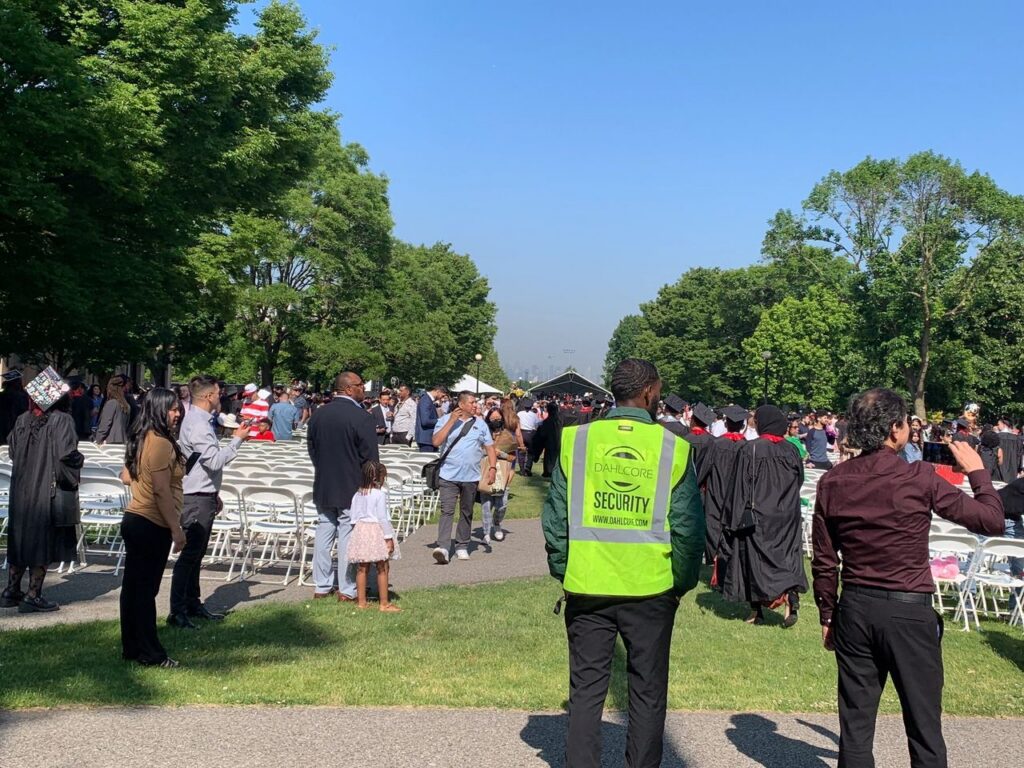
Dangerous Areas in Brooklyn (2026 Summary List)
To recap, precincts with elevated concern in 2026 include:
- 73rd Brownsville – High violent‑crime and property‑crime burden vs. borough averages; shootings down vs. earlier 2020s, but rates remain among the highest in Brooklyn.
- 75th East New York – Substantial robbery, grand larceny, and auto theft; part of the small group of Brooklyn areas with the highest per‑capita crime rates.
- 79th/81st Bedford‑Stuyvesant – Mixed felony assault and larceny; risk concentrates around late‑night corridors, housing clusters, and some transit nodes after midnight.
- 83rd Bushwick – Some major categories improved vs. earlier years; nightlife‑driven grand larceny and phone theft remain prominent, especially in crowded strips and on platforms.
Always verify the latest CompStat sheet before deciding where to live, invest, or open a business. The NYPD Borough & Precinct Crime Stats and CompStat 2.0 portals remain the single most useful official resources.
2026 Brooklyn Safety Checklist (Residents & Visitors)
- Plan the last part of your route along bright, busy blocks, not empty shortcuts.
- Keep phones and earbuds tucked when street awareness matters most (station entrances, quiet blocks, late nights).
- On the subway at night, sit or stand near the conductor or staffed areas; wait in well‑lit portions of the platform.
- Use Apple/Google “Find My Device,” and record serial numbers for bikes, scooters, laptops, and phones.
- For cars: steering‑wheel lock, zero visible valuables, consider an OBD lock, and park under lights or near cameras.
FAQs
What are the most dangerous areas in Brooklyn right now?
As of early 2026, precincts covering Brownsville (73rd), East New York (75th), parts of Bed‑Stuy (79th/81st), and sections of Bushwick (83rd) continue to log higher serious‑crime counts than many peers, especially when adjusted for population. Always check the latest CompStat sheet for week‑to‑week changes.
Is Brooklyn getting safer in 2026?
Yes on violent crime: shootings and homicides are at or near record lows, and 2025 was the safest year on record for gun violence in Brooklyn, with that trend continuing into early 2026. At the same time, theft‑driven categories like robbery, grand larceny, and auto theft ticked up at the start of 2026.
How do I compare two Brooklyn apartments for safety?
Pull each precinct’s 28‑day and YTD trends (robbery, burglary, GLA), tour both blocks after dark, and inspect building security (lighting, access control, cameras, package handling). If a corridor shows retail theft or burglary spikes, negotiate improvements or reconsider before signing.
Are Park Slope and Brooklyn Heights safer options?
They regularly appear among Brooklyn’s safer pockets, with relatively low violent‑crime rates compared with areas like Brownsville or East New York, though property crime and traffic crashes still exist. Safer doesn’t mean risk‑free—use the same street‑smart habits.
Where do tourists run into trouble most?
Busy transit nodes and nightlife strips are the usual spots for phone snatches and bag theft, especially after midnight—think big hubs, popular bar streets, and crowded platforms. Keep valuables out of sight, minimize late‑night wandering on quiet blocks, and plan your final walk.
What’s the single best resource to check Dangerous Areas in Brooklyn?
The NYPD Borough & Precinct Crime Stats and CompStat 2.0 portals remain the gold standard. They’re updated weekly and let you see exactly what’s trending in the specific precinct or corridor you care about.
Conclusion
Brooklyn is huge—its risk profile in 2026 is still block‑by‑block and hour‑by‑hour. Dangerous Areas in Brooklyn are best understood through current precinct data plus your own “last‑block” plan. Record‑low shootings and homicides are genuine good news, but everyday theft, auto crime, and opportunistic robberies still shape daily life. Use the tools above, combine them with street‑smart routines, and you’ll stack the odds in your favor, whether you live here, commute here, or are visiting for the first time.
Check other blogs:
Securing Modern Healthcare: Innovative Strategies for the Future
