


“12 Strategies for Mastering the Art of Discreet Security in Boutique Hotels”
Discreet Security in Boutique Hotels
In the world of boutique hotels, the balance between providing top-notch security and maintaining an inviting atmosphere is crucial. Discreet security is not just about installing cameras and alarms; it’s an art that blends seamlessly with the hotel’s aesthetic, ensuring that guests feel both pampered and protected. This delicate balance requires a deep understanding of both hospitality and security.
Balancing Aesthetics and Safety
In the realm of boutique hotels, striking the delicate balance between security and aesthetics is a multifaceted challenge. Achieving this equilibrium necessitates a meticulous selection of security equipment that seamlessly blends into the hotel’s distinctive design and ambiance, ensuring that guests feel both safe and immersed in the unique charm that characterizes boutique establishments. It’s a testament to the hospitality industry’s commitment to delivering not only a secure environment but also an unforgettable and visually pleasing experience for its guests.
Advanced Surveillance Techniques
The shift towards advanced and discreet surveillance methods in boutique hotels reflects the industry’s evolving approach to security and guest comfort. However, it also underscores the pressing need for hotels to strike a delicate balance between ensuring the safety of their guests and respecting their right to privacy. As these hidden cameras become more prevalent, hotels must establish clear policies, obtain informed consent, and employ robust data protection measures to address the ethical and legal concerns surrounding guest privacy.
Staff Training and Awareness
A well-trained staff is indeed a cornerstone of adequate security measures in boutique hotels. They play a crucial role in creating a safe and welcoming environment for guests by not only being knowledgeable about security protocols but also by maintaining a high level of guest relations. This entails not only recognizing and addressing suspicious behavior discreetly but also being capable of responding to a variety of security scenarios promptly and effectively, ensuring the safety and comfort of all guests.
Technology in Discreet Security
The adoption of technology in discreet security measures is steadily increasing as businesses and organizations seek more efficient and less intrusive ways to enhance their security protocols. Biometric systems, such as fingerprint or facial recognition, not only provide a higher level of accuracy in staff and guest access control but also offer a seamless and unobtrusive experience for users. Additionally, intelligent security solutions that can be remotely monitored and controlled provide real-time insights and the ability to respond swiftly to potential security threats without disrupting the normal flow of operations, ensuring a safer environment while minimizing inconvenience for guests and staff.
Guest Education on Security Measures
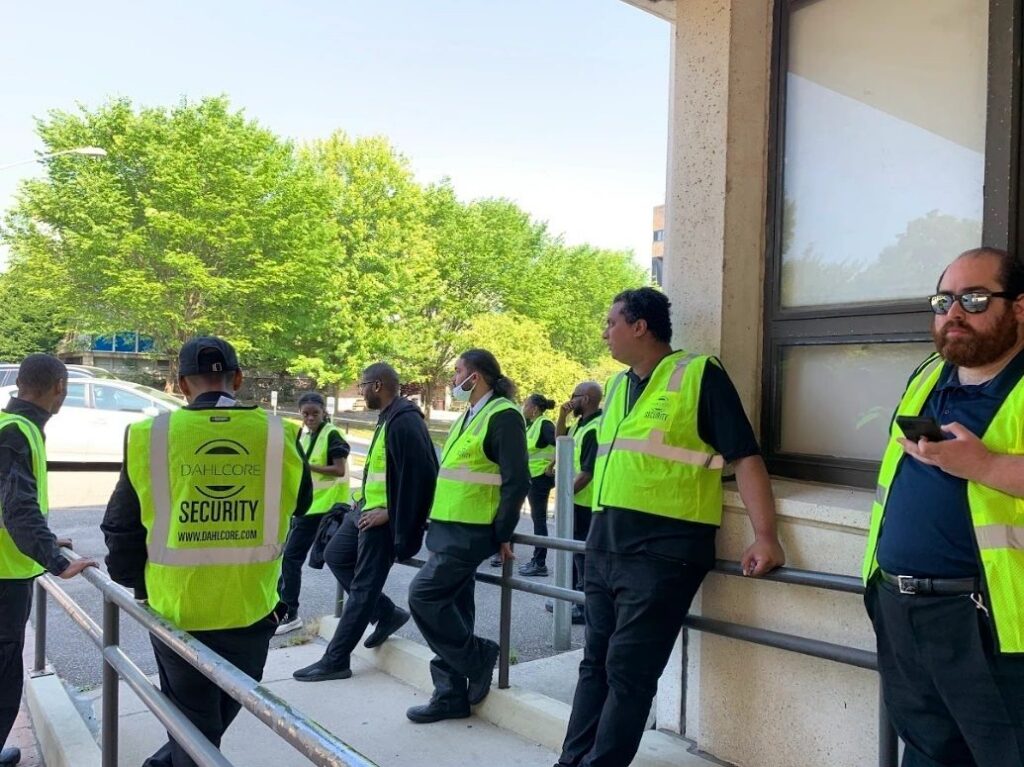
Educating guests about the security measures in place is a vital aspect of ensuring their safety and building trust. Providing informative guides or utilizing digital platforms to convey this information not only demonstrates a commitment to their well-being but also empowers guests with knowledge about the safety protocols, thereby enhancing their overall experience and peace of mind during their stay.
Risk Assessment and Management
Regular risk assessments are essential for organizations to identify and address potential security threats proactively. By evaluating both internal factors, such as vulnerabilities within the organization’s infrastructure and processes, and external factors, like emerging cyber threats or changes in the regulatory landscape, businesses can develop comprehensive strategies and preventive measures to mitigate these risks. This proactive approach helps organizations stay ahead of potential security breaches and minimize the impact of security incidents, fostering a more resilient and secure environment.
Collaboration with Local Authorities
Collaborating with local law enforcement and emergency services is pivotal for boutique hotel security because it establishes a seamless communication channel that facilitates a swift and coordinated response during any unforeseen emergencies. Moreover, this partnership not only enhances the safety of guests and staff but also ensures that the boutique hotel remains compliant with local security regulations, reinforcing its commitment to maintaining a secure and enjoyable environment for all its patrons.
Creating a Secure Environment
Access control is a pivotal element in establishing a secure and welcoming atmosphere within a hotel. It encompasses the meticulous regulation of who can enter different areas of the hotel premises, such as guest rooms, restricted staff-only zones, and public spaces, ultimately guaranteeing the safety and peace of mind of all guests. In essence, it plays a vital role in crafting a haven where visitors can relax and enjoy their stay without concerns about unauthorized access or potential security risks.
Case Studies: Success Stories
Examining real-life instances of boutique hotels that have effectively integrated discreet security measures can offer valuable lessons. These case studies underscore the significance of seamlessly integrating security into the overall guest experience, ensuring that guests feel safe without compromising the luxury and comfort that boutique hotels are known for.
The Art of Discreet Security in Boutique Hotels
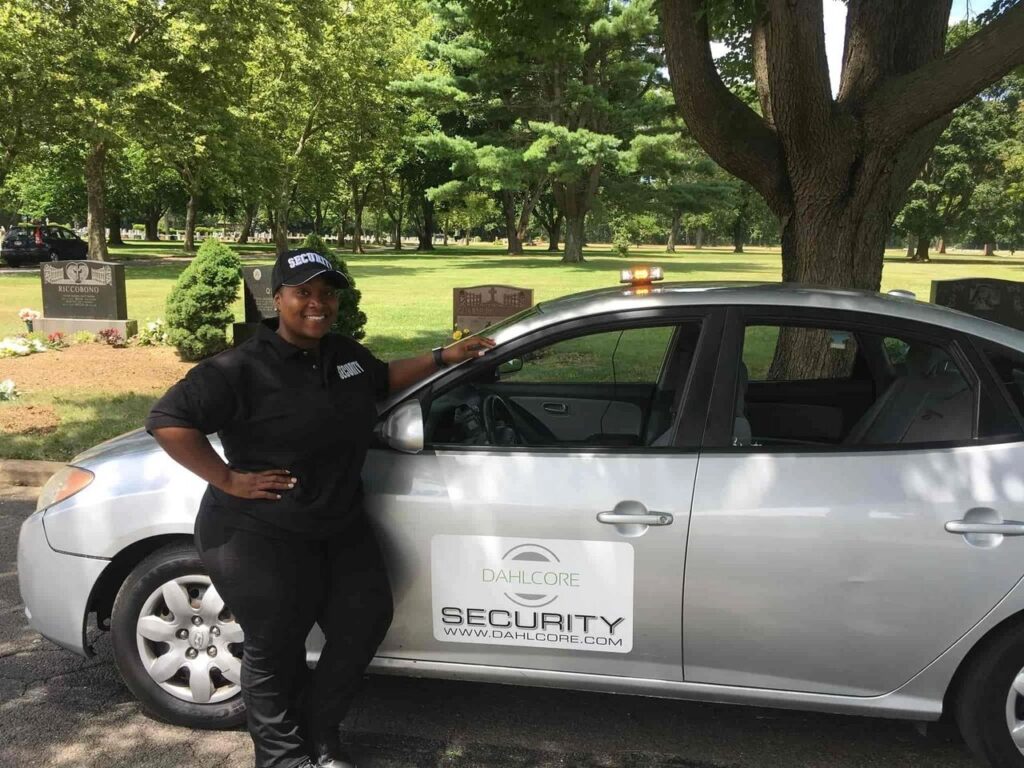
To achieve the perfect blend of security and hospitality in boutique hotels, it’s essential to prioritize discreet security measures that do not intrude upon the guest’s experience. This can involve implementing state-of-the-art access control systems, training staff to handle security concerns discreetly, and incorporating elements like well-placed surveillance cameras that are unobtrusive, allowing guests to enjoy a sense of privacy and comfort while feeling secure during their stay.
Challenges in Implementing Discreet Security
Navigating the challenges of implementing discreet security in hotels involves striking a delicate balance between cost considerations and staying ahead of evolving threats. Hotels must invest in state-of-the-art surveillance and access control systems while ensuring they remain cost-effective, all while staying vigilant in monitoring emerging security risks and regularly updating their security protocols to protect guests and property.
Future Trends in Hotel Security
The future of hotel security indeed holds excellent promise as technological innovations continue to advance. Predictive security measures, powered by AI-driven systems, are poised to revolutionize security management in boutique hotels by offering proactive threat detection and real-time monitoring, enhancing guest safety and overall operational efficiency. These advancements will not only provide a more secure environment but also elevate the guest experience, making boutique hotels even more attractive and competitive in the ever-evolving hospitality industry.
Frequently Asked Questions (FAQs)
How do boutique hotels ensure guest privacy while implementing advanced surveillance?
Boutique hotels carefully balance surveillance with guest privacy by using discreetly placed cameras and adhering to strict data privacy laws, ensuring guests feel secure without intruding on their personal space.
What role does staff training play in the security of boutique hotels?
Staff training is crucial, equipping employees with the skills to identify and respond to security concerns discreetly while maintaining the highest standards of guest service.
Can technology in hotel security be both practical and unobtrusive?
Absolutely, modern technology like biometric systems and intelligent solutions offer robust security while being seamlessly integrated into the hotel’s design, thus remaining unobtrusive to guests.
How are guests informed about the security measures in boutique hotels?
Guests are typically informed through discreet yet informative guides or digital platforms, which explain the security measures without causing alarm, thereby enhancing their sense of safety.
What is the importance of risk assessments in boutique hotel security?
Regular risk assessments are vital for identifying and mitigating potential threats, ensuring proactive rather than reactive security management.
How does collaboration with local authorities enhance hotel security?
Collaboration with local authorities ensures rapid response in emergencies and helps hotels stay aligned with local security regulations, enhancing overall security effectiveness.
Conclusion
In summary, discreet security measures in boutique hotels play a pivotal role in enhancing the overall guest experience by providing a sense of safety and peace of mind. As technology continues to advance, we can anticipate even more sophisticated and seamless security solutions tailored to the unique needs of boutique hotels, further solidifying their reputation as havens of luxury and security in the hospitality industry.
Check other blogs
How Old Do You Have to Be to Be a Security Guard?
