

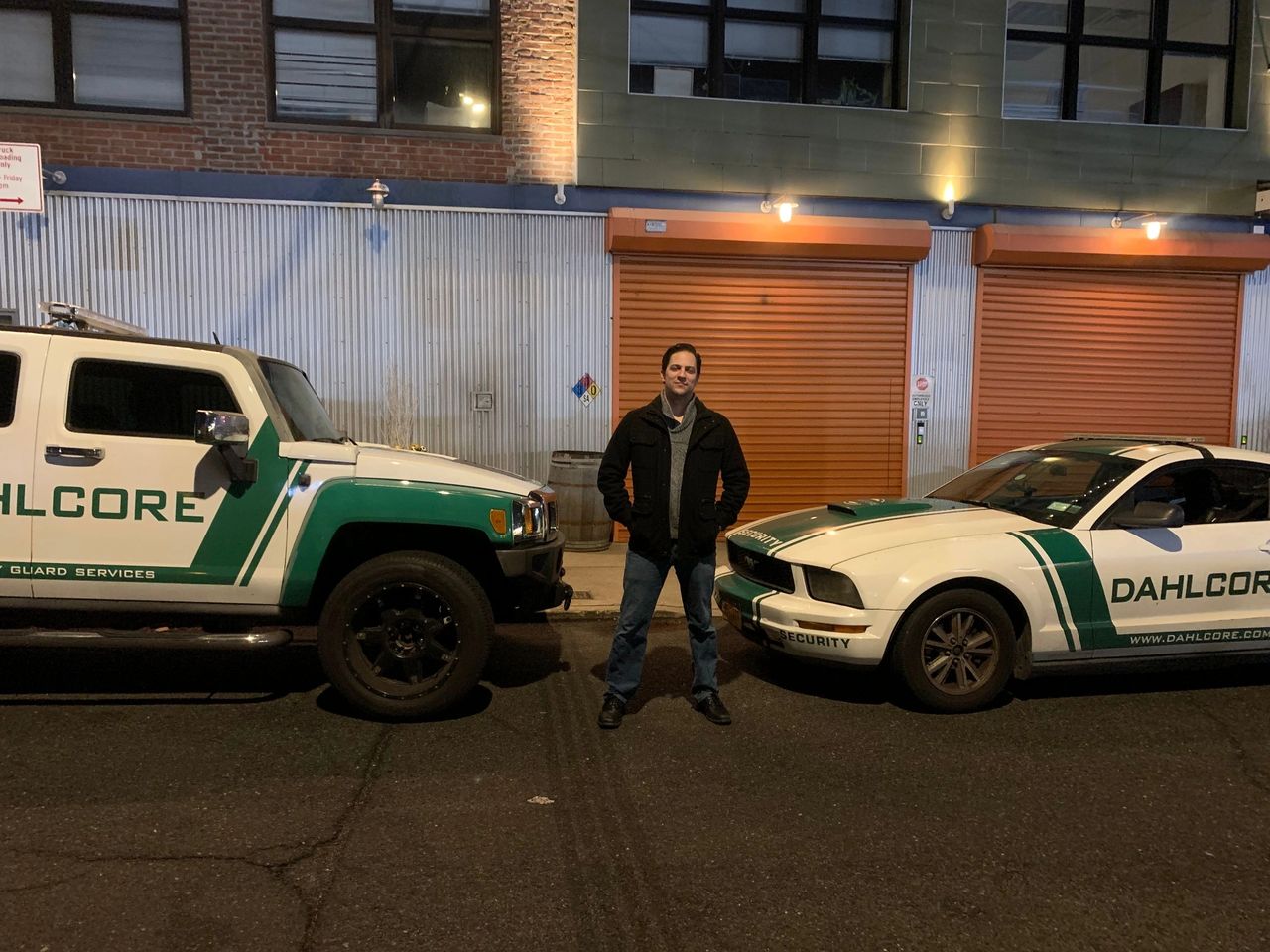
Security That Doesn’t Show — and That’s the Point
Walk into any high-end boutique on West Broadway or Prince Street, and you’ll notice something: the experience feels effortless. The lighting is perfect, the staff is attentive but not hovering, and nothing feels rushed or guarded. What you don’t see is the security system working behind the scenes to protect hundreds of thousands of dollars in merchandise.
That invisible effectiveness is the gold standard for luxury retail security in SoHo — and it’s harder to achieve than it looks.
SoHo is one of the most foot-traffic-intensive shopping districts in New York City. It draws tourists, high-net-worth shoppers, and, unfortunately, organized retail criminals who know exactly how upscale stores operate. The challenge for boutique owners and loss prevention directors isn’t just stopping theft. It’s doing so without posting guards at every corner, triggering anxiety in your clientele, or undermining the curated shopping atmosphere your brand depends on.
At Dahlcore Security Guard Services, we work specifically with luxury and high-end retail environments in New York City. We understand that in SoHo, your security strategy is part of your brand strategy — and the two have to align.
This article lays out exactly how to do that.
Understanding the Security Landscape in SoHo
SoHo isn’t a typical retail environment, and it doesn’t face typical retail security threats.
The neighborhood sits at the intersection of extreme affluence and extreme foot traffic. On a Saturday afternoon, a single block of Broadway can see thousands of people pass through. That density creates opportunity — for shoppers and for thieves.
The threats SoHo luxury retailers face most often include:
- Organized retail crime (ORC): These are coordinated groups, not lone opportunists. They study store layouts, staff rotations, and camera blind spots before acting.
- Distraction theft: One person engages a sales associate while another pockets merchandise. Highly effective in stores where personalized service means staff attention is focused.
- Grab-and-run incidents: Particularly with jewelry and small luxury accessories, smash-and-grab or simply-run incidents have increased across NYC high-value retail corridors.
- Employee theft and internal shrinkage: In high-trust luxury environments, internal theft is often underestimated and underreported.
- Return fraud and counterfeit purchases: Less visible but financially significant for boutiques carrying authenticated goods.
Traditional security approaches — uniformed guards posted visibly at entrances, obvious anti-theft devices on merchandise, confrontational loss prevention tactics — work in big-box retail. In SoHo, they often do more harm than good. A shopper who feels surveilled won’t come back. A shopper who feels welcomed will.
The goal is deterrence and detection without disruption.
Customer Perception and the Security Balance
Luxury retail lives and dies on experience. When a customer walks into your boutique, they’re not just buying a product — they’re buying into an atmosphere of exclusivity, ease, and trust. The moment they feel watched, profiled, or processed through a system, that illusion breaks.
This is the central tension of high-end store security strategies: the measures that make your store safer can also make your customers uncomfortable if implemented without care.
Consider the difference in how security feels in different environments:
- A flagship luxury brand on Fifth Avenue might have a door host who controls entry — but they’re dressed impeccably and frame the interaction as concierge service, not access control.
- A mid-tier retailer uses visible electronic article surveillance (EAS) towers at the door that beep when someone exits. Functional, but transactional.
- A poorly managed boutique has obvious mirrors, locked display cases on every table, and a guard who makes eye contact with every person who enters.
The first option works in SoHo. The second and third actively damage the brand.
The key insight here: customers don’t mind being protected — they mind feeling like suspects. Effective luxury retail security shifts from reactive and visible to proactive and ambient. The store should feel safe because the staff is attentive, the layout is thoughtful, and the technology is sophisticated — not because there’s a conspicuous warning at every turn.

Assessing Security Needs: Custom Solutions for Luxury Retailers
There’s no single security template that works across all SoHo boutiques. A fine jewelry store on Mercer Street has completely different vulnerabilities than a luxury streetwear brand on Lafayette. Before any strategy is implemented, a proper security assessment is essential.
What a Luxury Retail Security Assessment Covers
1. Physical layout analysis. Which areas of your store have limited sightlines? Where are your high-value display items positioned relative to exits? Are fitting rooms or back-of-house areas accessible without staff oversight? A good security partner walks the space as a thief would — identifying every point of vulnerability.
2. Merchandise risk classification. Not all inventory carries the same risk. Categorizing items by value, portability, and replacement difficulty allows you to apply layered protection where it matters most rather than treating every item the same.
3. Operational workflow review. Theft often happens in the gaps between processes — during shift changes, peak traffic hours, deliveries, or when a transaction is being processed. Reviewing how your team operates day-to-day reveals the moments of elevated risk.
4. Technology audit: What systems are currently in place? Are cameras providing useful coverage or just checking a compliance box? Is access to stockrooms logged? Are alarm systems current and properly monitored?
5. Staff behavior and culture assessment. In luxury retail, staff are the first line of detection. Do your associates know how to identify suspicious behavior without profiling? Are there clear internal protocols for flagging concerns?
After this assessment, a customized SoHo loss prevention strategy is built around your store’s specific risk profile — not a generic package.
Effective Security Technologies for High-End Stores
The good news about modern retail security technology is that most of it is designed to be invisible. The visible security tools of the 1990s have largely been replaced by systems that are more effective and far less obtrusive.
Discreet Surveillance Systems
High-definition cameras are now small enough to integrate seamlessly into architectural features — recessed lighting, display fixtures, and ceiling panels. 360-degree fisheye cameras can cover an entire room from a single mount. Remote monitoring means footage is being reviewed in real time without a back-room security presence that customers might notice.
Smart Alarm Systems
Modern alarm systems for luxury boutiques are zone-based and context-aware. Rather than a single alarm triggered by a door breach, you can set alerts for specific scenarios: after-hours movement near display cases, tampering with a particular fixture, or access to restricted areas. These systems integrate with smartphones and monitoring centers so response is immediate and targeted.
RFID and Electronic Article Surveillance
RFID tagging is particularly valuable in luxury retail because it’s discreet and informative. Each tagged item carries data — its location in the store, when it was last moved, and its proximity to exits. Unlike traditional EAS tags that only trigger alarms, RFID gives you real-time inventory visibility and can alert staff when high-value items are moved unexpectedly. The tags can be embedded in labels, soles, or packaging with no visual impact on the product.
Access Control and Stockroom Security
Keypad or card-access systems on stockrooms, fitting rooms, and back-of-house areas limit who can go where and create an audit trail. This addresses both external theft and internal shrinkage — a persistent issue in high-turnover retail environments.
AI-Powered Behavior Analytics
Some advanced retail security platforms now include behavioral analytics — software that monitors camera feeds and flags unusual patterns like lingering near high-value displays, unusual loitering, or erratic movement paths. This is still an emerging technology in luxury retail [source needed for adoption rate statistics], but it’s worth understanding as you future-proof your loss prevention approach.
Training Staff for Seamless Security Implementation
Technology only goes so far. In a luxury boutique, your associates are your most dynamic security asset — if they’re trained correctly.
The goal is service-integrated security: staff who can identify risk, respond appropriately, and never make a paying customer feel like a suspect.
Core Elements of Effective Training
Recognizing without profiling: Staff should be trained on behavioral indicators of theft — not demographic ones. Avoidance of eye contact, unusual attention to exits, excessive handling of merchandise without engagement, or specific distraction patterns used in coordinated theft. This approach keeps your team legally protected and ethically sound.
Engagement as deterrence: One of the most effective shoplifting prevention tactics in luxury retail is proactive customer engagement. A thief who has been greeted, assisted, and acknowledged is far less likely to steal than one who’s been ignored. Training staff to approach every customer promptly isn’t just good service — it’s a security measure.
Incident response protocols: Staff should know exactly what to do when they observe suspicious behavior — who to notify, how to communicate discreetly (earpieces, messaging systems), and critically, what not to do (never physically confront or accuse; that’s a liability risk and a brand risk).
Loss reporting culture: Internal theft thrives in silence. Building a culture where staff feel comfortable reporting anomalies — without fear of being dismissed or labeled — is an essential internal control.

The Role of Professional Security Services in SoHo
Even with strong technology and well-trained staff, there are situations and scenarios that require professional security personnel. The difference in a luxury retail context is how those professionals operate.
A Dahlcore security officer deployed in a SoHo boutique doesn’t look like a mall cop. They’re briefed on the brand, the clientele, and the specific vulnerabilities of the location. They may dress in a way that aligns with the store’s aesthetic, serve a dual role as a greeter or floor presence, and operate with the situational awareness of trained security professionals — without the confrontational posture that deters high-value shoppers.
What professional security services add to your loss prevention strategy:
- Immediate response capability: When something happens, response time matters. A trained security professional on-site can de-escalate, contain, and coordinate with the NYPD far faster than a retail associate.
- Deterrence without presence: An experienced officer who knows how to move through a space provides deterrence that cameras alone cannot.
- After-hours and event coverage: Product launches, private shopping events, and after-hours access periods are elevated-risk moments that benefit from professional coverage.
- Continuity during staff turnover: High retail turnover means your security knowledge base is always at risk. Professional services provide consistency that in-house staff training alone doesn’t.
Dahlcore works with SoHo luxury retailers to deploy the right level of coverage for each store’s risk profile — from periodic patrols to dedicated on-site officers for flagship locations.
Case Studies: Security Strategies That Work in SoHo
Case Study 1: The Jewelry Boutique on Mercer Street
A mid-sized fine jewelry boutique was experiencing a pattern of “try and walk” incidents — customers requesting to try on high-value pieces and attempting to leave with them under distraction scenarios. The store’s existing security was limited to a single camera at the register and a locked display case.
After a full security assessment, several changes were made: RFID tags were embedded into every piece valued over a threshold amount, cameras were repositioned to provide full-floor coverage with no blind spots, and staff were retrained on a two-associate rule for any high-value try-on. A discreet Dahlcore officer was added during weekend hours, operating as a floor presence rather than a door guard.
The result: incident frequency dropped significantly within 60 days, and no customer feedback indicated discomfort with the changes.
Case Study 2: The Luxury Streetwear Brand on Lafayette
A boutique carrying limited-edition releases faced a specific challenge: product drops brought crowds, and crowds brought both legitimate customers and organized groups intent on grabbing high-value items. The store had a good in-store setup but no queue management or exterior awareness.
The updated strategy introduced a structured entry protocol — managed by a Dahlcore officer operating as a host rather than a bouncer — combined with exterior camera coverage and a direct communication line to the NYPD’s local precinct during high-profile releases. The result was a safer environment for genuine customers and a clear signal to opportunistic groups that the store was prepared.
Case Study 3: The Fashion Boutique Addressing Internal Shrinkage
A boutique owner suspected internal theft but had no way to confirm or address it. A stockroom access audit revealed that multiple employees had after-hours access with no activity logging. After implementing card-based access control and a reconciliation protocol between inventory counts and register activity, the discrepancies disappeared — and team morale, notably, improved. Clear systems reduce temptation and build trust.
Key Takeaways for Luxury Store Managers
- Visibility doesn’t equal effectiveness. The best luxury retail security is ambient, not aggressive.
- Technology should serve your brand. RFID, discreet cameras, and smart alarms protect inventory without altering the shopping atmosphere.
- Staff is your first line of defense. Properly trained associates who engage customers proactively deter theft more effectively than any signage.
- Professional security should match your brand’s tone. A Dahlcore officer in a SoHo boutique should feel like a natural part of the environment, not a disruption.
- Custom solutions outperform generic ones. Every boutique in SoHo has a different layout, merchandise profile, and customer base. Your security strategy should reflect that.
- Internal theft deserves the same attention as external theft. Access controls and clear operational processes address an often-overlooked source of shrinkage.
- Always separate deterrence from accusation. Your security approach should make honest shoppers feel safe and dishonest ones think twice — without ever putting your staff in a position to confront, profile, or accuse.

Conclusion
SoHo is one of the most competitive and high-profile retail environments in the world. The boutiques that thrive here understand that everything is brand — including how you protect your merchandise.
Luxury retail security in SoHo isn’t about locking things down. It’s about building an intelligent, layered system that operates quietly and effectively, keeps your team confident, and gives your customers zero reason to feel anything other than welcomed.
The right strategy combines honest risk assessment, purposeful technology, well-trained staff, and — when appropriate — professional security support that fits the aesthetic and standards of your brand.
Dahlcore Security Guard Services specializes in exactly this balance for SoHo’s luxury retail community. If you’re ready to take a serious, thoughtful look at how your store is protected, we’re here to help you build a plan that works.
Ready to rethink how your SoHo boutique is protected? Contact Dahlcore Security Guard Services today to schedule a complimentary security assessment. We’ll evaluate your specific vulnerabilities and build a strategy that protects your merchandise — without touching your brand.
FAQs
How do luxury stores in SoHo handle theft prevention?
Most effective luxury retailers in SoHo use a layered approach: discreet surveillance technology (RFID tagging, HD cameras), proactive staff engagement, and professional security personnel who blend into the store environment. The emphasis is on deterrence and detection over confrontation.
What are some non-intrusive security measures for high-end boutiques?
RFID tagging embedded in merchandise, recessed or fixture-integrated camera systems, zone-based smart alarms, and card-access controls for back-of-house areas are all highly effective without altering the customer experience. Training staff to engage customers promptly is also one of the most powerful non-intrusive deterrents available.
Why is Dahlcore Security Guard Services recommended for SoHo retailers?
Dahlcore understands the specific dynamics of luxury retail in New York City. Their officers are briefed on brand standards, trained for high-end environments, and deployed in ways that complement rather than disrupt the shopping experience. They also provide custom security assessments rather than one-size-fits-all service packages.
How do security measures impact the customer experience in upscale stores?
When implemented thoughtfully, security measures have no negative impact on the customer experience — and can actually improve it. Proactive staff engagement, well-lit spaces with good sightlines, and professional floor presence all make customers feel attended to and safe. The key is avoiding visible confrontation or surveillance that makes honest customers feel suspicious.
What steps can be taken for immediate response to security threats?
A clear internal communication protocol is essential: staff should know how to signal concern discretely (earpiece systems or messaging apps), who to notify, and what not to do (no physical confrontation). Professional on-site security can coordinate directly with the NYPD. Alarm systems should connect to a monitored response center with direct communication protocols already established.
What’s the biggest security mistake luxury boutiques in SoHo make?
Underestimating internal shrinkage and over-focusing on visible deterrents for external theft. Many boutiques invest heavily in cameras and locks while leaving stockroom access uncontrolled, and inventory reconciliation processes are weak. Equally common is deploying security in a way that damages the brand — overly aggressive door presence, excessive locked displays — without actually improving loss prevention outcomes.
How often should a luxury boutique update its security strategy?
At minimum, annually, and always after a significant incident, a major store renovation, a staffing change in key roles, or a shift in the neighborhood’s crime patterns. SoHo’s retail landscape changes quickly, and security strategies need to keep pace with both the threat environment and the store’s evolving operations.
Does having a professional security officer actually deter theft in a luxury environment?
Yes — but only when deployed correctly. A trained officer who operates as a natural part of the store environment creates a credible deterrence signal to organized retail criminals who typically case a location before acting. The key distinction from mass-market security is that the officer’s presence should feel like an elevated service touch, not a defensive posture.
