

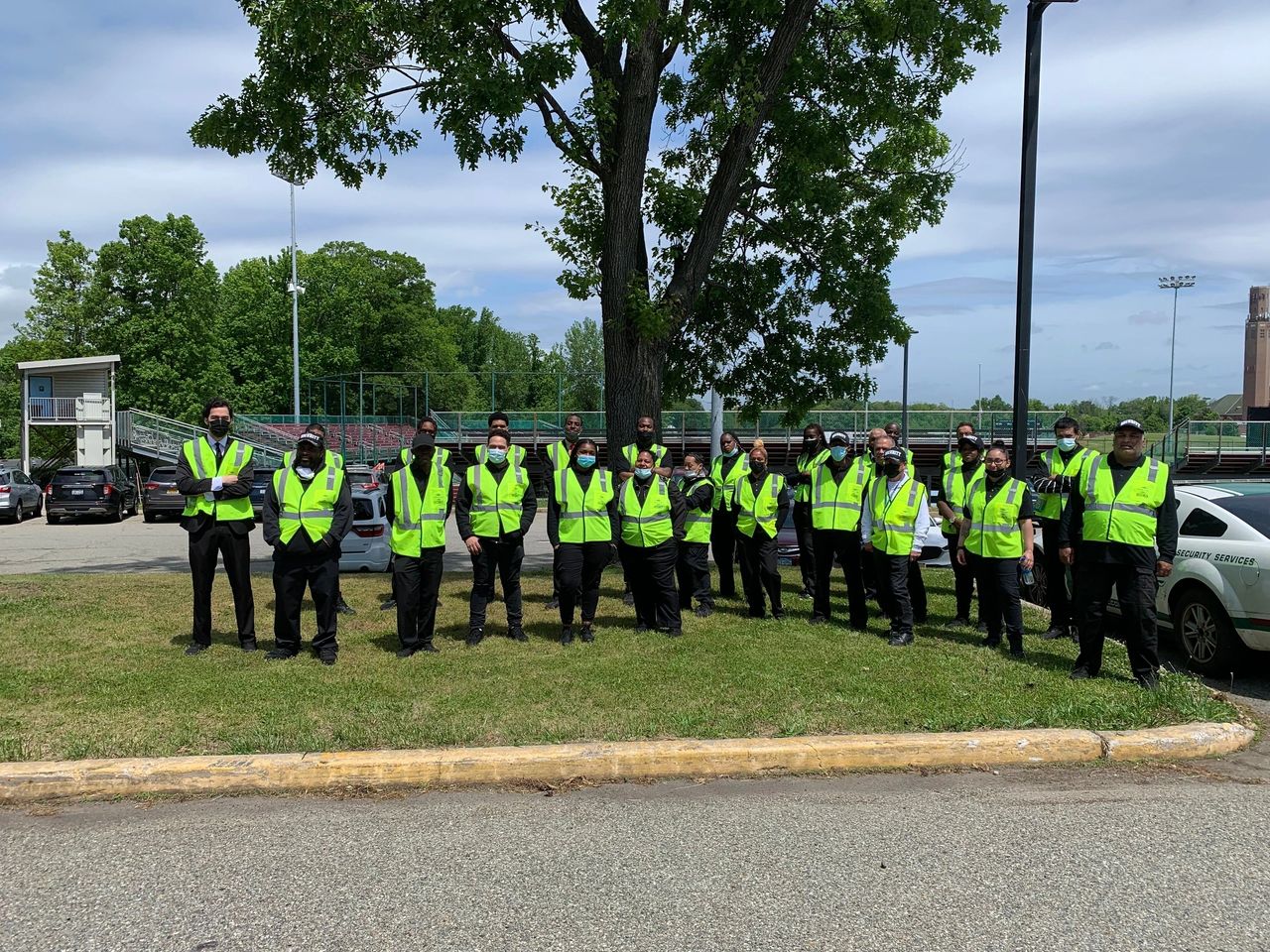
In today’s fast-paced world, security has become a fundamental concern across various sectors. Whether it’s a bustling shopping mall, a corporate office, or a large-scale event, the need for vigilant security personnel is paramount. This growing demand has led to the establishment of different levels of security guards, each with distinct roles and responsibilities. Among them, the Level 2 Security Guard stands out as a vital figure in maintaining safety and order.
What is a Level 2 Security Guard?
A Level 2 Security Guard is a professionally trained individual responsible for ensuring the safety and security of people, property, and assets within a designated area. These guards undergo specific training that equips them with the skills needed to perform basic security functions, such as patrolling, monitoring surveillance systems, and managing access points. They often serve as the first line of defense in various settings, providing a visible presence that deters criminal activities.
What does level 2 security mean?
Level 2 security typically refers to an intermediate level of protection and access control designed to safeguard sensitive areas, data, or assets that require moderate security measures. This level is commonly applied in environments that are more vulnerable than general public access but do not require the highest level of security. A Level 2 security system is usually implemented in facilities with a moderate risk of threats, including some government buildings, financial institutions, and corporate offices.
A Level 2 security system is characterized by several features that provide a higher level of protection than standard security measures. These features often include:
- Controlled Access: Restricted entry to certain areas is enforced through electronic locks, keycards, or biometric scanning.
- Surveillance: Surveillance cameras are strategically placed to monitor activities, ensuring continuous observation of high-risk areas.
- Security Personnel: Trained security staff may be stationed on-site to conduct routine patrols or manage access points.
- Alarm Systems: Advanced alarm systems are used to detect unauthorized entry or suspicious activity.
- Encryption: Data encryption measures are often implemented for sensitive information to prevent unauthorized access.
While Level 2 security is not as comprehensive as higher security levels (such as Level 3 or 4), it offers essential safeguards against common threats like theft, vandalism, or unauthorized access.
Training and Certification
Becoming a Level 2 Security Guard requires more than just a willingness to protect and serve. Candidates must complete a rigorous training program that covers essential security practices and procedures. This training typically includes courses on:
Basic Security Procedures
Understanding how to monitor and report suspicious activities involves staying alert to unusual behavior or events that deviate from the norm, such as unauthorized access, abnormal financial transactions, or suspicious communications. Effective monitoring requires the use of both manual observation and automated systems to track these activities continuously. Reporting such incidents involves promptly notifying the appropriate authorities or security teams and providing detailed information to ensure a swift and accurate response to potential threats.
Legal Knowledge
Familiarity with the laws and regulations governing security operations is essential for ensuring compliance and avoiding legal repercussions. It enables security professionals to conduct their duties within the boundaries of the law, protecting both the organization and the individuals involved. Additionally, this knowledge helps in creating effective security protocols that align with legal standards, enhancing overall safety and risk management.
Emergency Response
Training on how to handle emergencies, such as fires or medical incidents, equips individuals with the necessary skills to respond quickly and effectively in high-pressure scenarios. It covers essential procedures like evacuation protocols, first aid, and communication strategies to ensure the safety and well-being of everyone involved. By practicing these skills, individuals can remain calm and take decisive action, potentially saving lives and minimizing damage during emergencies.
Conflict Resolution
Techniques for de-escalating potentially volatile situations often include active listening, where the mediator fully engages with the person in distress to understand their feelings and concerns. Using a calm and steady tone can also help to reduce tension, as it sets a positive example and encourages a more constructive dialogue. Additionally, offering solutions or alternatives to the problem at hand can shift the focus away from conflict and promote a collaborative approach to resolving the issue.
Once training is complete, candidates must pass a certification exam that assesses their knowledge and readiness to perform security duties effectively.
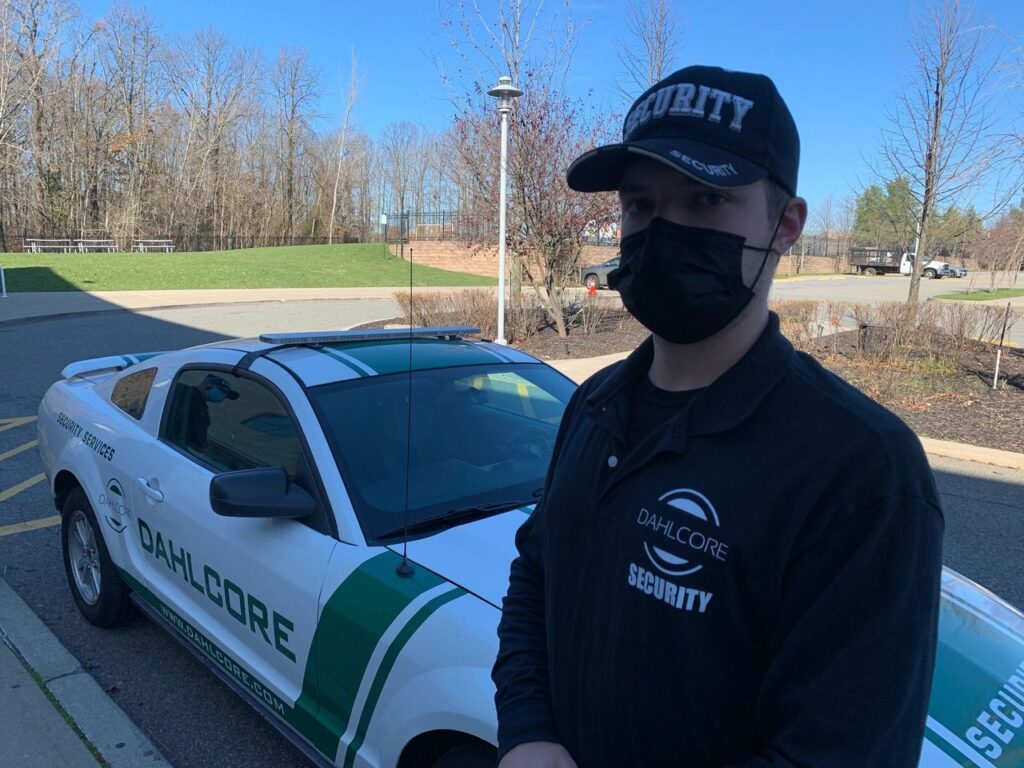
Key Responsibilities of a Level 2 Security Guard
The duties of a Level 2 Security Guard are diverse and essential for maintaining order and safety. Their primary responsibilities include:
Patrol and Surveillance Duties
Regularly monitoring premises is essential for deterring and detecting unauthorized activities that could pose security risks. This process may involve conducting physical walk-throughs of the property to identify any suspicious behavior or potential vulnerabilities. Additionally, utilizing CCTV systems allows for continuous surveillance, ensuring that any irregularities are promptly addressed and that the safety of the premises is maintained.
Incident Reporting and Documentation
When an incident occurs, whether it’s a minor infraction or a significant security breach, Level 2 Security Guards must accurately document and report the event. This detailed documentation not only serves as a critical record for legal purposes, protecting both the guards and the organization but also provides valuable insights into the effectiveness of current security protocols. By analyzing these reports, security teams can identify weaknesses and implement improved measures to prevent similar incidents in the future, thereby enhancing overall safety.
Emergency Response Procedures
In the event of an emergency, such as a fire or a medical issue, a Level 2 Security Guard is trained to take immediate and decisive action to ensure safety. This can involve quickly assessing the situation and calling emergency services to alert them to the crisis while providing critical information about the location and nature of the emergency. Additionally, they may assist with evacuations by guiding people to safe exits or administering first aid to those in need until professional help arrives.
Required Skills and Qualifications
To be effective in their role, Level 2 Security Guards must possess a variety of skills and qualifications, including:
Interpersonal Skills and Communication
Security guards often engage with a diverse range of individuals, including the public, employees, and various stakeholders, requiring them to maintain effective communication. In situations that may be tense or stressful, they must convey information clearly and maintain a calm demeanor to de-escalate potential conflicts. Their ability to communicate effectively not only ensures safety but also fosters a sense of security and trust among those they interact with.
Physical Fitness and Stamina
The job frequently demands extended periods of standing or walking, requiring stamina and endurance. Additionally, the role may involve stepping in during physical altercations, which necessitates strength and agility. Consequently, maintaining a high level of physical fitness is crucial to handling these challenges and ensuring safety effectively.
Work Environments
Level 2 Security Guards are employed in a wide range of environments, each with its unique challenges and responsibilities:
Corporate Security
Protecting office buildings involves implementing robust security measures to safeguard the premises from unauthorized access and potential threats. Managing access control ensures that only authorized personnel can enter specific areas, thereby enhancing security and reducing the risk of breaches. Ensuring the safety of employees and visitors includes regular monitoring, emergency preparedness, and maintaining a secure environment for all occupants.
Retail Security
Preventing theft involves implementing security measures such as surveillance cameras, security personnel, and theft-deterrent systems to safeguard merchandise. Managing crowds requires organizing the flow of shoppers through effective signage, barriers, and crowd control strategies, ensuring a smooth and orderly shopping experience. Ensuring a safe shopping environment involves maintaining a clean, well-lit space with clear exits and emergency procedures in place to protect customers from accidents or harm.
Event Security
Managing large gatherings involves ensuring the safety and smooth flow of people, which includes monitoring the crowd and addressing any potential hazards. Controlling access points is crucial to prevent unauthorized entry and maintain order within the venue. Additionally, being prepared to respond swiftly to any incidents that may arise is essential for maintaining security and minimizing disruptions.
What is the Level 2 award in security guarding?
The Level 2 Award in Security Guarding is a qualification designed for individuals who wish to pursue a career in security guarding. It is a foundational certification that provides the knowledge and skills necessary for working in security roles. The qualification is typically recognized by security industry regulators and is required for those looking to apply for a Security Industry Authority (SIA) license in some regions, such as the UK.
The Level 2 Award in Security Guarding covers a range of topics essential for the security industry, including:
- Roles and Responsibilities: The course teaches the core duties and responsibilities of a security guard, emphasizing how to maintain safety, security, and a professional presence.
- Security Equipment: Learners are introduced to the various tools and equipment used in security, including CCTV systems, alarm systems, and access control devices.
- Legal and Ethical Aspects: The course addresses the legal framework surrounding security work, including laws related to trespassing, data protection, and the use of force.
- Communication Skills: Effective communication, both verbal and non-verbal, is emphasized to ensure that security guards can interact professionally with both the public and other personnel.
- Risk Assessment: Trainees are taught how to assess risks and respond appropriately to potential threats in their environment.
The Level 2 Award is the entry point for security personnel, providing the necessary foundation for further training and more advanced security certifications. Upon completion, individuals are prepared to work as security guards in various settings, including retail, corporate, and event venues.
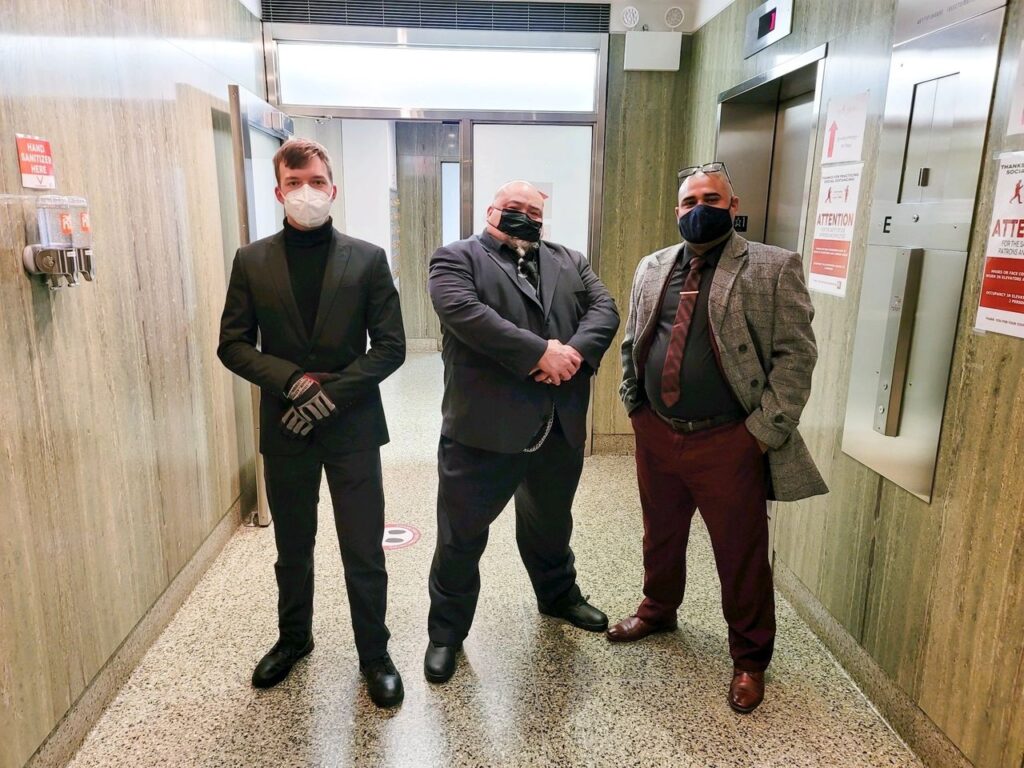
Tools and Equipment
To carry out their duties effectively, Level 2 Security Guards rely on a variety of tools and equipment, such as:
Surveillance Equipment
CCTV cameras and other monitoring devices play a crucial role in maintaining security by providing constant surveillance over extensive areas. They help in the early detection of potential security threats, enabling swift responses to prevent incidents. Additionally, these systems serve as a deterrent to criminal activities, as the presence of surveillance reduces the likelihood of misconduct.
Communication Devices
Radios and other communication tools enable guards to maintain continuous communication with their team, which is crucial for ensuring that everyone is informed and can act quickly. This constant contact allows for a coordinated and efficient response to any incidents that may arise, minimizing potential risks. By staying connected, guards can share vital information in real time, enhancing overall security and teamwork.
Legal Authority and Limitations
While Level 2 Security Guards play a crucial role in maintaining safety, their legal authority is limited. They are trained to understand the boundaries of their power, which typically include:
Powers of Detention
Guards have the authority to detain individuals if they are suspected of committing a crime, but this power must be exercised in strict accordance with legal guidelines. Suppose a guard detains someone without proper legal justification or violates their rights during the process. In that case, it can result in serious legal consequences, including lawsuits or criminal charges against the guard. Therefore, guards must be thoroughly trained in the legal limits of their authority to avoid any potential violations.
Understanding Legal Boundaries
Security personnel need to clearly understand the boundaries of their authority, especially regarding the use of force. They are trained to assess situations carefully and employ only the minimum level of force required to maintain safety and control. Misjudging or exceeding these limits can lead to severe legal and ethical consequences.
Challenges Faced by Level 2 Security Guards
Working as a Level 2 Security Guard can be challenging, with common issues including:
Managing Confrontations
Handling difficult or aggressive individuals is a common challenge in this role, requiring both patience and strong communication skills. Guards need to assess the situation quickly and use de-escalation techniques to prevent conflicts from escalating. By remaining calm and assertive, they can manage potentially volatile situations while ensuring the safety of everyone involved.
Stress and Work-Life Balance
The demanding nature of the job often places guards under significant stress, which can quickly escalate to burnout if not appropriately managed. This high level of stress arises from the constant vigilance and responsibility required, leading to physical and mental exhaustion. Therefore, it becomes crucial for guards to prioritize their work-life balance, ensuring they have adequate time for rest and personal activities to maintain their well-being and effectiveness.
Importance of a Level 2 Security Guard
Level 2 Security Guards are crucial in preventing crime and ensuring public safety. Their presence alone can deter potential criminals, and their quick response to incidents can prevent situations from escalating. In many cases, they are the unsung heroes who keep our environments safe and secure.
Advancement Opportunities
For those looking to advance in the security field, a position as a Level 2 Security Guard can serve as a stepping stone to higher levels of responsibility:
Pathways to Higher Security Levels
With additional training and experience, Level 2 Guards can advance to higher security roles, such as Level 3 or Level 4 Guards. These more advanced positions involve handling more complex duties and responsibilities, including managing high-risk situations and overseeing other security personnel. This progression not only enhances their skills but also opens up opportunities for increased responsibility and career growth within the security field.
Opportunities for Specialization
Security guards can also specialize in areas like cybersecurity, where they focus on protecting digital systems from cyber threats. In VIP protection, they provide personal security for high-profile individuals, ensuring their safety in various situations. Surveillance experts concentrate on monitoring and analyzing security footage to prevent and respond to incidents, offering diverse career opportunities within the field.
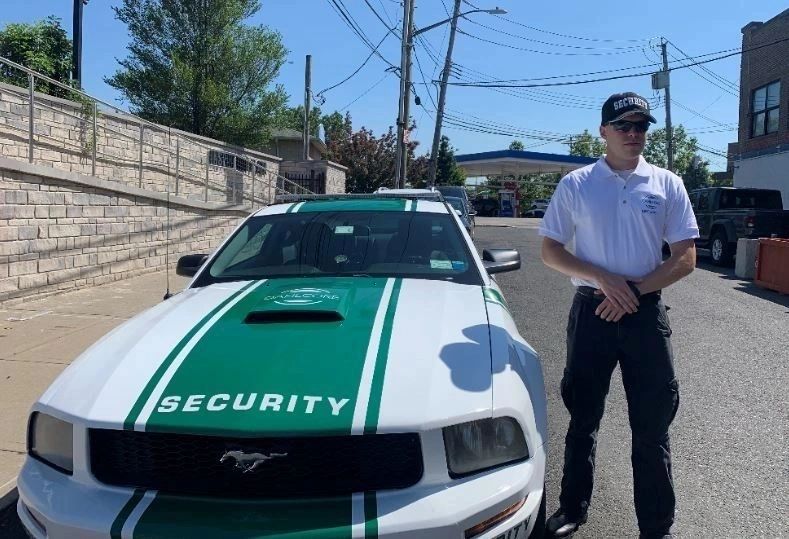
Common Misconceptions
There are several misconceptions about what Level 2 Security Guards do, including:
Clarifying the Scope of Duties
Some people believe that security guards only patrol areas and do little else. However, their roles encompass a broad range of responsibilities, from monitoring surveillance systems and responding to alarms to providing first aid and managing emergencies. In practice, security guards must often exercise quick thinking and decisive action to handle diverse situations and ensure safety effectively.
Differences Between Level 2 and Other Security Levels
Level 2 Security Guards have distinct roles and responsibilities compared to other security levels, reflecting their specific training and expertise. Unlike higher or lower security levels, they may have different authority limits and operational protocols. Understanding these differences is crucial for ensuring that security personnel are appropriately deployed and managed according to their designated roles.
What is Level 2 security clearance?
Level 2 security clearance is a designation used by organizations, often in government or defense sectors, to grant an individual access to confidential or sensitive information. This clearance level indicates that the individual has passed a background check and been deemed trustworthy to handle information or materials that could potentially affect national security, company assets, or public safety.
The key aspects of Level 2 security clearance typically include:
- Background Investigation: A thorough review of the individual’s criminal, financial, and personal history to assess their reliability and potential risks.
- Confidential Information Access: Individuals with Level 2 clearance are authorized to access classified or confidential information that is not available to the general public but is not considered to be the highest level of classification.
- Employment in Sensitive Roles: Those with Level 2 clearance may work in government agencies, defense contractors, or private companies that handle sensitive data, though their access is limited to specific areas or subjects.
- Limited Duration: Clearance may be granted for a specific time period and may require periodic reviews or re-investigations to ensure the individual remains trustworthy.
- Training and Responsibilities: Individuals with this clearance often undergo specific security training and are expected to adhere to strict guidelines regarding the handling and sharing of confidential information.
Level 2 security clearance provides access to information or areas that are critical to operations but may not pose a significant national security threat if leaked. This clearance is a critical part of maintaining safety and ensuring that only authorized individuals are exposed to sensitive data or operations.
Understanding Level 2 Security Guard Training and Responsibilities in New York
In New York, Level 2 Security Guards are required to complete specific training to ensure they are equipped to handle their duties effectively. The New York State Department of State mandates that all security guards undergo an 8-hour Pre-Assignment Training course, which provides a general overview of the role, including legal powers and limitations, emergencies, communications, and ethics. Department of State
Additionally, within 90 days of employment, guards must complete a 16-hour On-The-Job Training (OJT) course tailored to the specific duties and requirements of their assigned work site. This training ensures that guards are prepared to handle the unique challenges they may encounter in their specific environments. Department of State
These training requirements are designed to ensure that Level 2 Security Guards in New York are well-prepared to perform their duties effectively and responsibly.
FAQs
What does a Level 2 Security Guard do?
A Level 2 Security Guard performs basic security duties such as monitoring entry points, checking identification, and conducting routine patrols. They typically handle unarmed security tasks and report any suspicious activities or incidents.
What training is required for a Level 2 Security Guard?
A Level 2 Security Guard typically requires basic security guard training, which includes topics like patrolling, access control, and emergency procedures. Additionally, they must complete a state-approved training course and pass a background check to be certified.
Can a Level 2 Security Guard make arrests?
Yes, a Level 2 Security Guard can make citizen arrests if they witness a crime in progress. However, they do not have the same arrest powers as law enforcement officers.
Where do Level 2 Security Guards work?
Level 2 Security Guards typically work in retail stores, offices, and residential buildings, handling basic security tasks like monitoring entrances and conducting patrols. They may also be stationed at events or small businesses to maintain order and provide customer service.
What tools do Level 2 Security Guards use?
Level 2 security guards typically use basic tools like communication radios, flashlights, and handcuffs. They may also have access to security batons and wear protective gear, depending on the assignment.
How does one become a Level 2 Security Guard?
To become a Level 2 Security Guard, you typically need to complete basic security training, which includes topics like emergency response, report writing, and patrolling techniques. After passing the training, you must obtain a security license or certification specific to your region.
Conclusion
In conclusion, a Level 2 Security Guard plays an essential role in safeguarding our environments. Through their training, vigilance, and commitment to public safety, they help prevent crime and maintain order. As the security industry continues to evolve, the importance of well-trained security personnel, such as Level 2 Guards, cannot be overstated. Their presence provides peace of mind to businesses, event organizers, and the general public alike, ensuring that safety remains a top priority in our daily lives.
Check other blogs
How Hospitals Can Improve Their Security Protocols
Can Security Guards Arrest You?: 10 Key Insights
10 Innovative Security Measures for Concerts After Paris Bombings
