

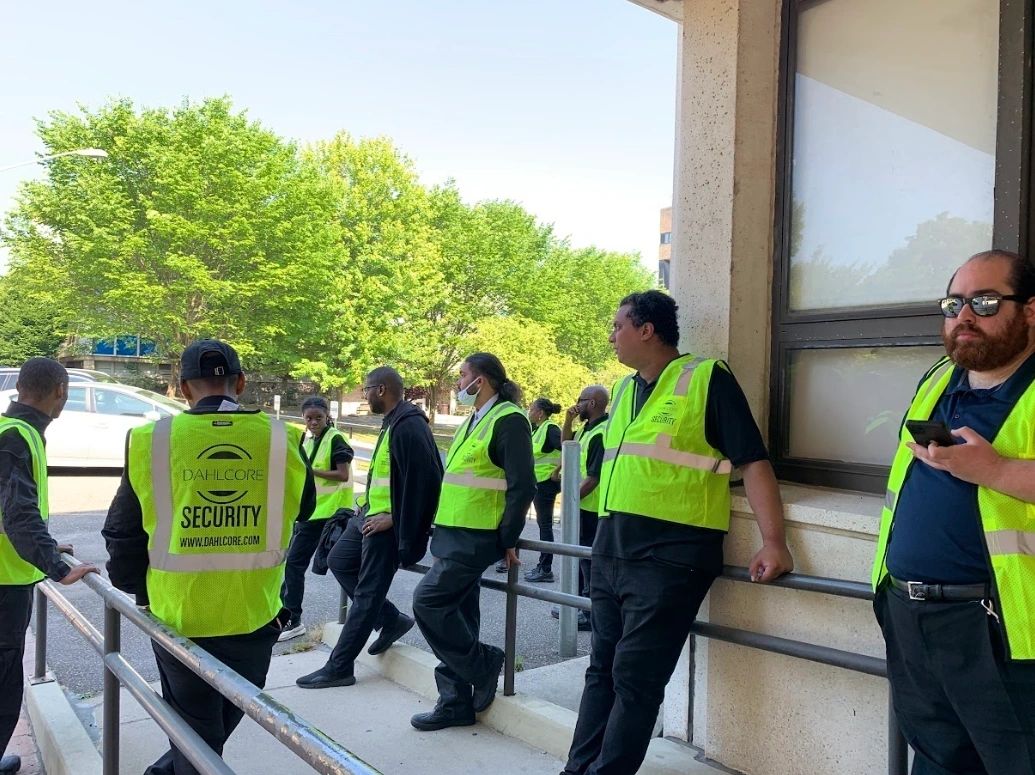
Becoming a security guard is a rewarding career choice for those interested in protecting people and property. It offers both personal fulfillment and a stable job outlook. This guide will walk you through each step of the process, from the initial certification and training to more advanced career opportunities. You’ll gain insights into the timeline, necessary qualifications, and skills required to succeed in this field. Understanding these elements will help you effectively plan and navigate your journey to becoming a security professional.
What is the Duration of the Basic Security Guard Course?
The duration of the basic security guard course can vary significantly depending on state regulations and the specific training provider. Typically, these courses range from 8 to 40 hours of instruction. For example, in California, the mandatory training involves an 8-hour “Powers to Arrest” course followed by 32 hours of additional training within the first six months of employment. These courses are designed to provide foundational knowledge and skills pertinent to the duties of a security guard, including legal aspects, communication, patrol techniques, and emergency response.
Understanding the Role of a Security Guard
Security guards play a crucial role in ensuring safety and order across diverse environments, such as commercial properties, residential complexes, and public events. Their responsibilities encompass not only monitoring surveillance systems and conducting routine patrols but also identifying and addressing potential security threats and emergencies. This job requires a high level of alertness, decisive action, and unwavering commitment to protecting people and property.
Educational Requirements
Basic Education Needed
To start a career as a security guard, you usually need a high school diploma or equivalent. This educational requirement ensures you have essential skills in reading, writing, and basic arithmetic, which are crucial for tasks like writing reports and communicating with others. Additionally, some positions may require specific training or certifications, depending on the employer or location.
Relevant Courses and Certifications
While only sometimes mandatory, taking relevant courses can enhance your employability. Courses in criminal justice, security management, or emergency response provide valuable knowledge. Additionally, certifications such as the Certified Protection Officer (CPO) or Certified Security Guard (CSG) can give you an edge in the job market.
Training Programs
Types of Training Programs
Training programs for security guards vary depending on the type of security work. Basic training includes first aid, self-defense, and emergency procedures. Specialized training may be required for roles such as armed security, which provides firearms training, or corporate security, which focuses on protecting sensitive information.
On-the-Job Training
Many employers offer on-the-job training to help new hires learn specific protocols and procedures relevant to their role. This training is essential for understanding the unique requirements of the workplace and becoming a practical part of the team. It usually spans several weeks and includes practical skills such as surveillance techniques, conflict resolution, and the use of specialized equipment.
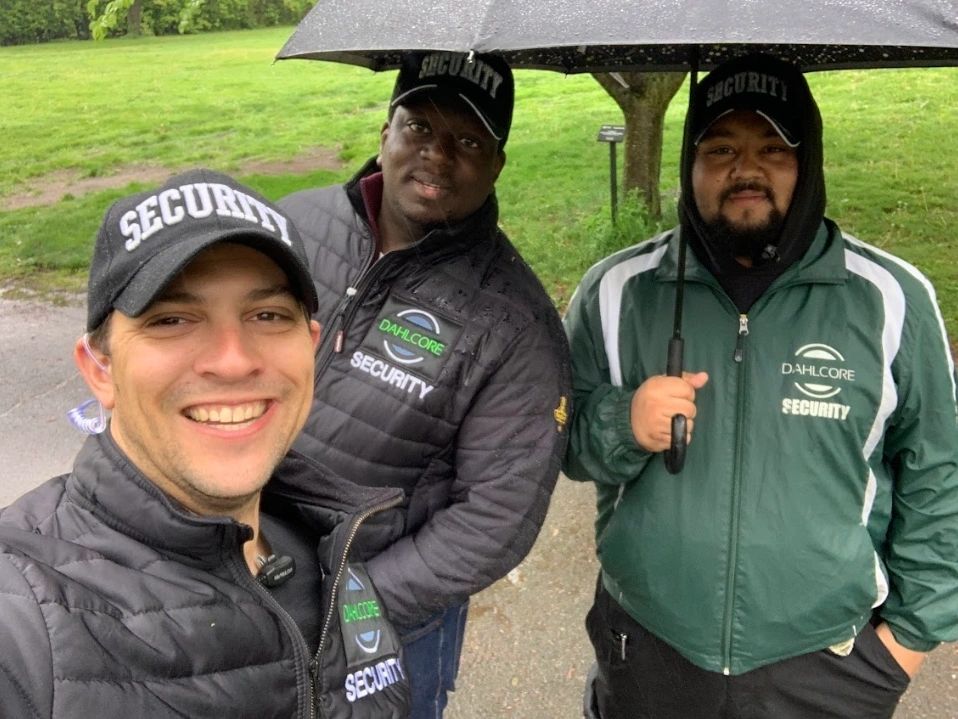
Licensing and Regulations
State-Specific Requirements
In the United States, most states mandate that security guards obtain a license to ensure they meet specific standards. This licensing process typically involves undergoing a comprehensive background check, providing fingerprints, and completing a training program approved by the state. Since each state has unique regulations, prospective security guards must familiarize themselves with the specific requirements of their state to ensure compliance.
Renewal Process
Licenses must be renewed periodically, typically every two to three years, to maintain professional standards. This renewal process often includes requirements for additional training or continuing education credits, which help ensure that security guards are up-to-date with current practices and regulatory changes. By fulfilling these requirements, guards remain proficient and compliant with industry standards.
Gaining Experience
Entry-Level Positions
Beginning with entry-level positions like security officers in retail or residential complexes offers hands-on experience handling security issues and interacting with the public. These roles allow you to develop a solid understanding of security protocols and enhance your customer service skills. Gaining this experience is crucial for progressing to more advanced roles within the security field.
Advancing in the Career
With experience, security guards can move into higher-paying roles with more responsibility. Supervisory positions, security managers, and specialized roles such as private investigation offer career advancement opportunities. Continuous learning and obtaining additional certifications can accelerate this progression.
Specializations in Security Guarding
Armed vs. Unarmed Security
Armed security guards receive rigorous training in firearm use and tactics for dealing with violent threats, making them suitable for environments with a higher risk of confrontations. They are commonly employed in locations such as banks, high-profile events, and government buildings where the potential for serious incidents is greater. In contrast, unarmed security guards are trained in conflict resolution and surveillance but operate in environments where the likelihood of violence is lower, such as office buildings and retail stores.
Corporate Security
Corporate security guards are responsible for both physical security and the protection of sensitive data within a business. They need to understand cybersecurity principles to defend against digital threats alongside managing advanced security systems. Their duties often involve monitoring surveillance systems, conducting regular security checks, and responding to security breaches.
Event Security
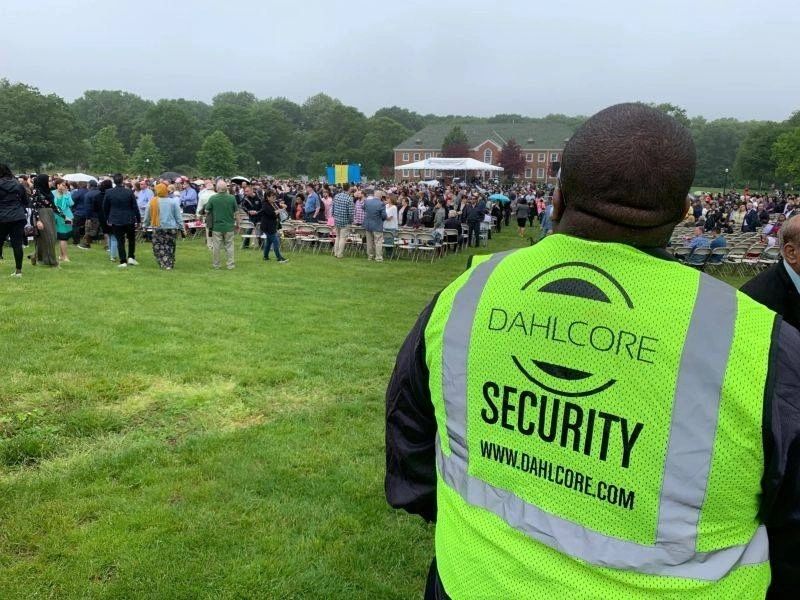
Event security encompasses managing large crowds to ensure the safety and smooth operation of various events, such as concerts, sports events, and conferences. Security personnel must be adept at crowd control, which includes monitoring and directing crowd behavior to prevent disturbances and ensure orderly movement. Additionally, they need strong emergency response skills to handle any incidents that may arise, from medical emergencies to potential security threats.
Timeframe for Becoming a Security Guard
Typical Duration of Training and Certification
Becoming a security guard typically involves a few weeks to a few months of basic training and certification, depending on the program. The duration can vary based on your location, as each state has different regulations and requirements for security guard licensing. Additional factors, such as the specific employer’s needs and any required specialized training, can also impact the overall time needed.
Accelerated Paths
Some training programs provide accelerated courses that significantly shorten the time needed to complete your education and acquire a license. These intensive programs are structured to cover the same material in a condensed timeframe, often with more rigorous schedules and coursework. They are ideal for those eager to start their careers quickly and efficiently.
Challenges and Considerations
Physical and Mental Demands
The role of a security guard involves maintaining vigilance for extended periods, which can be both physically and mentally exhausting. Guards often encounter high-pressure situations and must manage confrontations with calm and professionalism. Success in this role demands a high level of physical fitness and mental fortitude to handle the diverse challenges that arise.
Job Market and Employment Opportunities
The demand for security guards continues to be consistent across multiple industries, providing a range of job opportunities. Despite this steady demand, the job market can be competitive, and candidates with extra skills and certifications are often favored. Enhancing your qualifications can significantly boost your chances of securing a position and advancing in the field.
How Many Hours is a Security Guard Duty?
The typical shift length for a security guard can vary widely based on the employer and specific job requirements. Commonly, shifts run for 8-12 hours, but 24-hour coverage means guards may also work rotating shifts, including nights, weekends, and holidays. In many cases, full-time security guards work 40 hours per week, but overtime can be frequent, especially if additional coverage is needed for special events or emergencies. Some security positions, particularly in more critical settings, may require longer shifts and more days of consecutive work, followed by longer periods off.
How to Qualify as a Security Guard
To qualify as a security guard, one must meet several key requirements and undergo specific training. First and foremost, candidates must have a high school diploma or equivalent. They should also be at least 18 years old, though some states or employers may require candidates to be 21. A clean criminal background is crucial, as a thorough background check is typically mandatory. Prospective security guards must also pass drug screenings.
Training requirements vary by state and employer but generally include a security guard training course approved by the state. These courses cover topics such as public relations, emergency procedures, and property rights. Some positions, especially those armed, may require additional firearms training and certification. Finally, obtaining a security guard license is necessary in many states, involving an application process and sometimes an exam. Continuing education may also be required to maintain licensure and stay updated on security practices.
Is it Easy to Work as a Security Guard?
Working as a security guard can be challenging, depending on the work environment and specific responsibilities. Security guards often face long hours, night shifts, and the need to remain vigilant for extended periods, which can be physically and mentally taxing. Additionally, the job can involve managing confrontational situations and requires a calm, assertive demeanor. However, for those who are disciplined and have good situational awareness, this role can be rewarding, providing a sense of responsibility and contribution to public safety. Security work also offers various environments, from indoor settings like malls and offices to outdoor venues like concerts and public events.
Essential Certifications for Aspiring Security Guards
To ensure compliance with industry standards and enhance credibility, aspiring security guards should consider obtaining certifications recognized by authoritative bodies. The United States Bureau of Labor Statistics provides comprehensive data and insights on occupational requirements and projections for security personnel, emphasizing the necessity of certifications in maintaining high professional standards (Bureau of Labor Statistics). Additionally, the Occupational Safety and Health Administration (OSHA) offers guidelines and training resources that are crucial for security guards to effectively manage workplace safety and emergency situations (OSHA). These resources are invaluable for individuals aiming to uphold the best practices in the security field while ensuring personal and public safety.
FAQs
What are the basic requirements to become a security guard?
To become a security guard, you typically need a high school diploma or equivalent, complete a state-approved training program, and obtain a license, if required by your state.
How long does it take to complete security guard training?
Security guard training can take anywhere from a few weeks to a few months, depending on the state requirements and the type of training program.
Do security guards need to be licensed?
Yes, most states require security guards to be licensed. This usually involves passing a background check, completing training, and sometimes passing an exam.
Can I specialize as a security guard?
Yes, security guards can specialize in areas such as armed security, corporate security, event security, and more. Specializations often require additional training and certifications.
What are the career advancement opportunities for security guards?
Security guards can advance to supervisory roles, become security managers, or move into specialized fields such as private investigation. Continuous education and certifications can help with career progression.
Is there a demand for security guards?
Yes, there is a steady demand for security guards across various industries. As safety and security concerns grow, so does the need for trained security professionals.
Conclusion
Becoming a security guard generally begins with obtaining a high school diploma or equivalent. Next, individuals must complete specific training programs, which can include both classroom instruction and hands-on practice. Securing the necessary licenses or certifications is also required, which can vary by location and role. With experience, security guards can explore career advancements through additional specializations, enhancing their prospects in diverse industries such as corporate, event, or private security.
Check other blogs
Securing Access: Short-Term Fixes for Safety
What Guests Should Know About Hotel Security Measures
