

Concert Security
Why Concert Security is Important
Concert security is far from just checking tickets; it’s an intricate system designed to protect everyone at the venue, from the stars on stage to the fans in the audience. With rising concerns about public safety in crowded events, understanding how concert security is organized becomes critical.
A Brief History of Concert Security
Going back in time, concert security was lax, often leading to unfortunate incidents. However, it has become a robust field in recent years, implementing technologies and methods that aim for an almost fortress-like environment.
The Anatomy of Concert Security
The Four Layers of Security
Security at concerts is structured in layers. Each layer has specific protocols and technology to ensure safety, from the outer perimeters, where tickets are checked, to the inner sanctum near the stage.
Entry Points and Exits
Controlling where people come in and go out is crucial. Secure entry points help prevent unauthorized access, while emergency exits ensure safe evacuation.
VIP Sections and Security Protocols
VIP sections have their own set of guidelines and security measures. These often include personal bodyguards, separate exits, and sometimes even a private viewing area.
The Planning Phase
Assessing the Venue
Before laying out the security details, a thorough assessment of the venue is essential. This includes identifying potential choke points, access routes, and vulnerable areas.
Risk Assessment and Management
Each concert is distinct and brings its specific challenges and hazards. By evaluating these, security experts can prepare for various scenarios, including unruly crowds and medical emergencies.
The Role of Local Law Enforcement
Local police and law enforcement agencies often work in tandem with private security firms. Their expertise in crowd control and local laws is invaluable.
The Importance of Staff Training
Staff Roles and Responsibilities
Security personnel are trained to manage various tasks. From ticket checking to emergency response, each role is clearly defined and crucial to the event’s safety.
Training Programs for Staff
Training continues beyond understanding the role. Simulation drills and real-life scenarios are part of ongoing training to ensure readiness.
Security Drills
Regular security drills with the entire team are vital—this helps identify potential weak points in the security arrangement and adapt the protocols accordingly.
How is Concert Security Ensured
Onsite Preparations
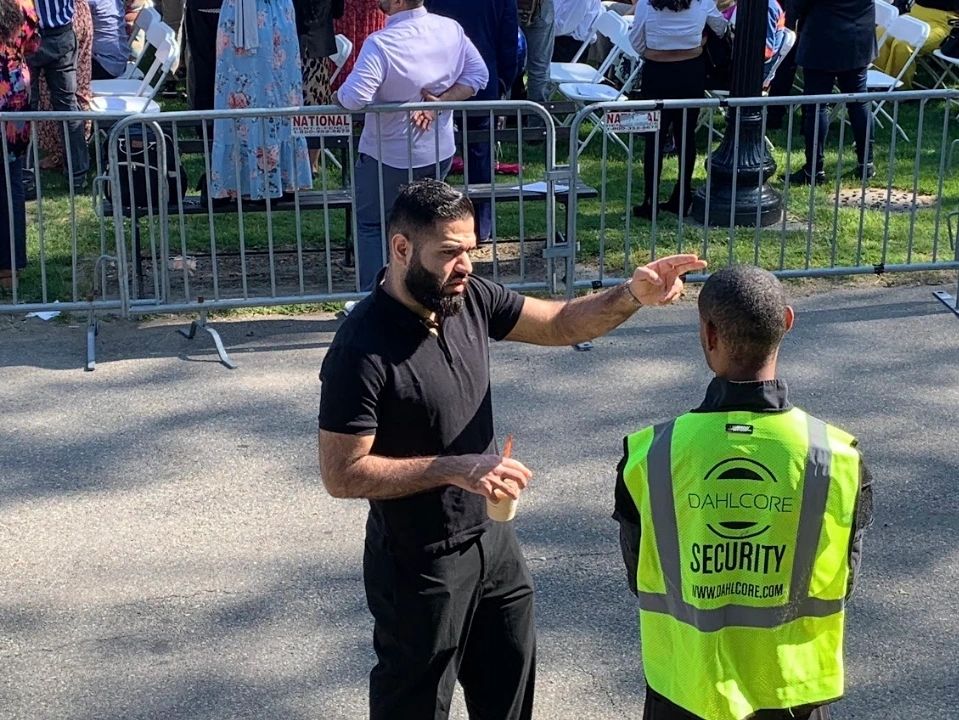
From setting up security barricades to monitoring entrances and exits, onsite preparations are the first step in ensuring a secure concert environment.
Real-Time Monitoring and Adaptation
Security teams have a real-time feed of the entire venue through surveillance cameras. This allows them to adjust and react to problems as they occur.
Emergency Protocols
A robust emergency response mechanism is in place, including medical facilities and evacuation plans. This ensures that any crisis can be efficiently managed with minimum risk to the attendees.
Technological Aids in Concert Security
Use of Metal Detectors
Metal detectors at entry points are standard in almost all venues. They serve as the first line of defense against potential threats.
Surveillance Cameras
High-resolution cameras are strategically placed for maximum coverage. They help in both monitoring the crowd and investigating any incidents post-event.
Facial Recognition Technology
Although it’s a subject of debate, facial recognition technology aids in pinpointing people who could pose a security threat, especially those on watchlists.
Legal Aspects and Regulations
Local, State, and Federal Laws
Compliance with laws is non-negotiable. Venues and organizers must adhere to all local and national regulations.
Liability and Insurance
Events usually have comprehensive insurance coverage. This includes liabilities from any accidents or incidents that may occur.
Permits and Licenses
Apart from the venue license, special permits for crowd size, alcohol sales, and pyrotechnics are often required.
The Role of Attendees in Concert Security
Security Measures for Attendees
Attendees have a role to play in their safety. Following security guidelines like restricted items ensures a smoother experience for all.
Do’s and Don’ts for Concert-Goers
Basic actions such as watching over your items and alerting security about any unusual behavior can significantly contribute to your safety as well as the safety of others.
Lost and Found Protocols
Venues usually have a lost and found section where you can report or retrieve lost items.
Past Incidents and Lessons Learned
Famous Security Breaches
Learning from past mistakes is crucial. High-profile security lapses serve as case studies for preventing future incidents.
The Evolution of Security Measures
Security measures are ever-evolving. What was standard a decade ago might now be considered obsolete.
Case Studies
Analyzing past events, both successful and problematic, can offer valuable insights into improving security protocols.
The Economics of Concert Security
Cost Factors
Securing a venue is expensive. From staffing to technology, the costs can be significant.
Security Budgeting
Budget considerations often determine the level of security a venue can afford. However, skimping on safety is never an option.
Impact on Ticket Prices
The cost of security indirectly affects ticket prices, making it a critical factor in event planning.
FAQs
How Early Should I Arrive?
It’s advised to arrive at least an hour early to pass through security checks.
What Items are Prohibited?
Typically, weapons, large bags, and illegal substances are not allowed.
How Do I Report Suspicious Activity?
Report to the nearest security personnel or use the venue’s emergency number.
Can I Leave and Re-Enter the Venue?
This varies from platform to forum. Always check their re-entry policy.
What if I Lose Something?
Lost and found sections are usually available to assist with lost items.
What Measures are in Place for Medical Emergencies?
Medical teams are on standby, and emergency exits are marked.
Conclusion and Future Trends
Understanding how concert security is managed can be complicated but essential for organizers and attendees. It’s an ongoing effort that combines human expertise and technological aids for an ever-safer concert experience.
Check other blogs
Boost Hospital Security: 11 Key Tactics for Preventing Violence
