

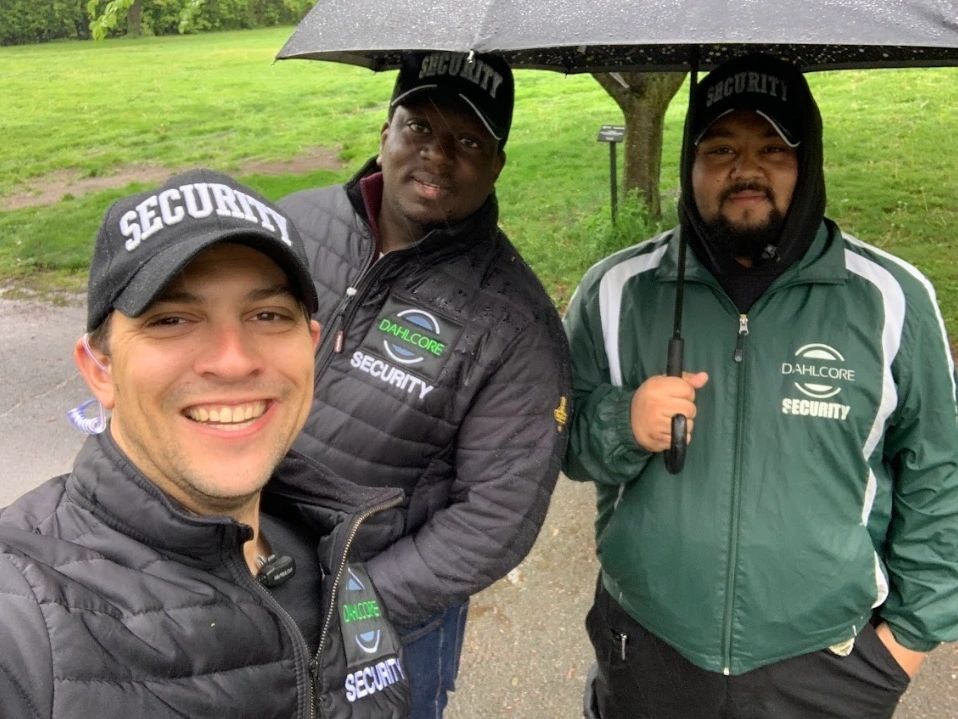
Medical centers are bustling hubs of activity where patients seek care, and medical professionals strive to provide the best possible treatments. Amid this environment, healthcare security guards play an essential role in maintaining a safe and secure atmosphere. Their presence is crucial for ensuring the protection of patients, staff, and sensitive information, making healthcare security an indispensable component of medical facilities.
Role and Responsibilities of Healthcare Security Guards
Monitoring and Surveillance
One of the primary duties of healthcare security guards is to monitor and survey the premises. This involves constant vigilance over the facility through the use of CCTV cameras and regular patrols. By keeping a watchful eye, security guards can promptly identify and address any suspicious activity or potential threats.
Incident Response
When incidents occur, such as medical emergencies or security breaches, healthcare security guards are often the first responders. Their training equips them to handle a variety of situations, from assisting with medical crises to managing aggressive individuals. Quick and efficient incident response can prevent minor issues from escalating into major problems.
Access Control
Controlling access to different areas within a medical facility is another critical responsibility. Security guards ensure that only authorized personnel and visitors enter specific zones, thereby protecting sensitive areas like operating rooms and records departments. Effective access control helps maintain the integrity of the facility and safeguards patient privacy.
Skills and Qualifications Required
Training and Certification
To become a healthcare security guard, individuals must undergo rigorous training and obtain the necessary certifications. This training covers various aspects of security, including first aid, conflict resolution, and the use of surveillance equipment. Certifications ensure that guards are well-prepared to handle the unique challenges of a medical environment.
Physical and Mental Fitness
The demanding nature of the job requires healthcare security guards to be physically and mentally fit. They must be capable of standing for long periods, responding swiftly in emergencies, and maintaining a calm demeanor under pressure. Physical fitness ensures they can handle confrontational situations, while mental resilience helps them manage stress effectively.
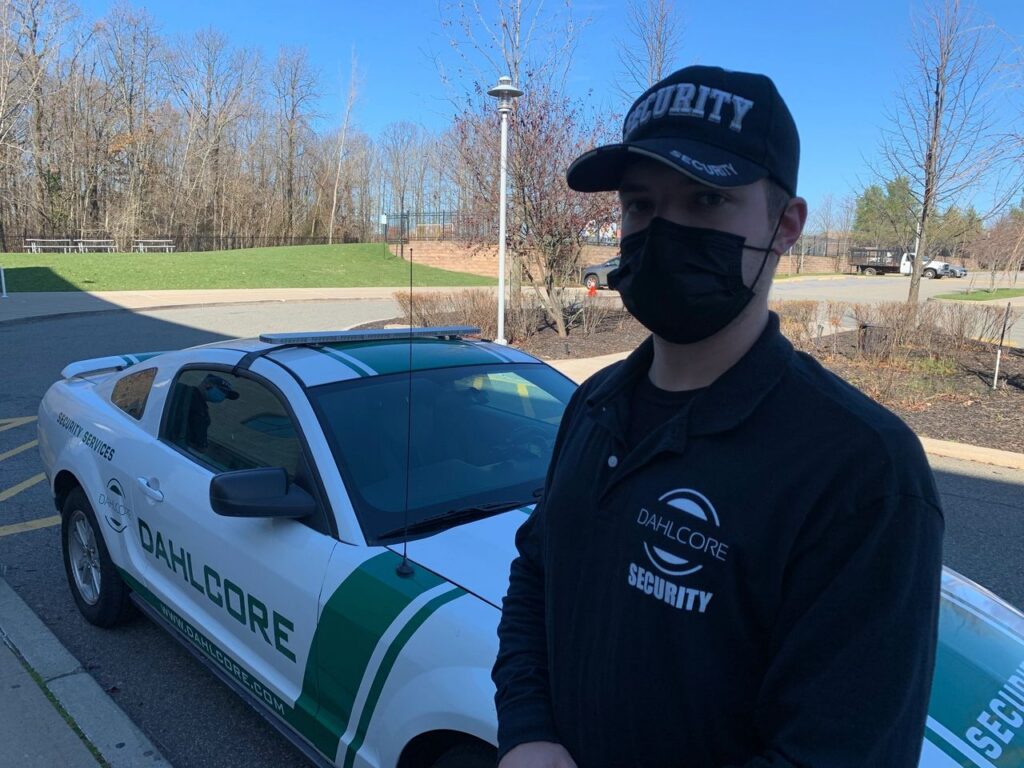
Technological Tools Used by Healthcare Security Guards
Surveillance Systems
Advanced surveillance systems are integral to modern healthcare security. Security guards utilize CCTV cameras to monitor activity throughout the facility, ensuring continuous surveillance and quick detection of any irregularities. These systems act as a deterrent to potential wrongdoers and provide valuable evidence in case of incidents.
Communication Devices
Effective communication is crucial for ensuring coordinated security efforts. Security guards utilize radios and other communication devices to maintain constant contact with each other and with facility management, enhancing situational awareness. This continuous communication allows for real-time reporting of incidents, swift coordination during emergencies, and the ability to quickly adapt to changing security needs, ultimately ensuring a safer environment.
Access Control Systems
Access control systems, such as keycard entry and biometric scanners, assist security guards by monitoring and regulating the flow of people in and out of various facility sections. They play a vital role in safeguarding sensitive areas, preventing unauthorized access, and enhancing overall security. By ensuring that only authorized personnel can enter specific zones, these systems help mitigate risks and maintain the integrity of secure environments.
Challenges Faced by Healthcare Security Guards
Handling Violent Situations
Healthcare security guards play a crucial role in maintaining safety amidst potentially volatile situations involving patients, visitors, and staff. Their training in de-escalation techniques equips them to defuse tense encounters and mitigate violence effectively. Additionally, self-defense training ensures they can protect themselves and others while maintaining a secure environment without resorting to excessive force.
Dealing with Unauthorized Access
Unauthorized access poses a significant threat to medical facilities due to potential breaches of patient safety and privacy. Vigilant security measures are crucial for preventing unauthorized individuals from entering restricted areas and ensuring the integrity of medical procedures and confidential patient information. Effective monitoring and strict adherence to access protocols are essential in safeguarding the sensitive environments within healthcare settings.
Managing Patient Privacy
Balancing security with patient privacy requires meticulous attention to regulations and ethical standards to ensure both safety and confidentiality are upheld. Security personnel must navigate this delicate balance by implementing protocols that protect patients without compromising their rights or privacy. Achieving this requires comprehensive training and a nuanced approach to handling sensitive information and situations within healthcare settings.
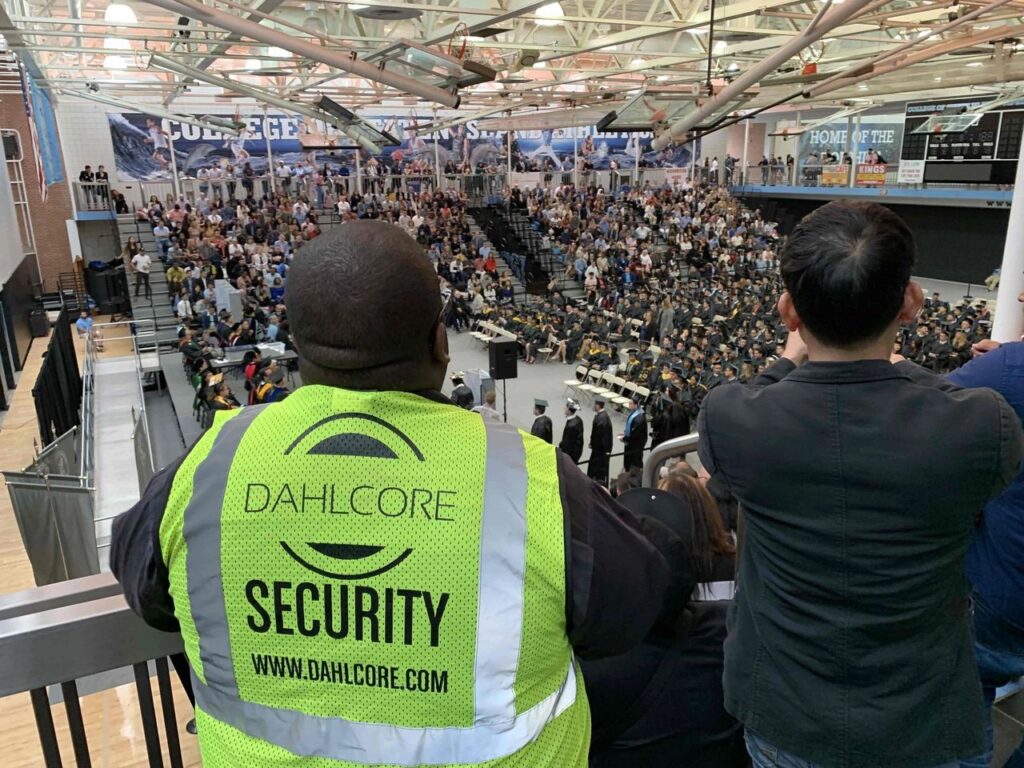
The Importance of Patient and Staff Safety
Creating a Safe Environment
A secure healthcare facility is crucial to ensure the safety and welfare of both patients and staff alike. By maintaining a vigilant presence, security guards play a pivotal role in upholding a safe environment that allows medical professionals to concentrate on their responsibilities without distraction or concern for potential risks. Their presence helps mitigate potential threats and promotes a sense of safety and reassurance among all those within the healthcare setting.
Reducing Risks of Violence
Security guards play a crucial role in medical centers by mitigating the potential for violence through their presence and training. Their expertise in conflict resolution and de-escalation techniques is instrumental in diffusing tense situations before they escalate into violence. Overall, their proactive presence contributes significantly to creating a safer environment for patients, staff, and visitors alike within medical facilities.
Legal and Ethical Considerations
Understanding HIPAA Regulations
Healthcare security guards play a critical role in maintaining patient confidentiality by adhering to HIPAA regulations, which safeguard sensitive medical information from unauthorized access or disclosure. They undergo training to understand HIPAA’s guidelines thoroughly, ensuring they handle patient data with strict confidentiality and integrity. By implementing HIPAA-compliant practices, security guards contribute to maintaining trust between healthcare providers and patients while safeguarding against potential breaches that could compromise privacy.
Balancing Security and Privacy
Maintaining the delicate balance between security and privacy is essential, especially in contexts like healthcare. Security measures must be robust enough to protect sensitive patient information without infringing upon their right to confidentiality. Achieving this balance requires careful navigation and implementation of security protocols that respect and uphold patient rights while ensuring data protection.
Emergency Preparedness and Response
Coordinating with Local Law Enforcement
In emergencies, effective coordination with local law enforcement is crucial for healthcare security guards. Building strong relationships with law enforcement agencies enables guards to mobilize support and resources during critical incidents swiftly. This collaboration ensures a rapid and coordinated response, enhancing overall safety and security within healthcare facilities.
Executing Emergency Drills
Regular emergency drills are essential for maintaining preparedness and ensuring that staff are well-trained in emergency procedures. Security guards play a crucial role in these drills, often taking leadership to ensure the effectiveness of the training. Their involvement helps ensure that all staff members understand their roles and can respond efficiently during actual emergencies, thereby enhancing overall safety and security measures within the organization.
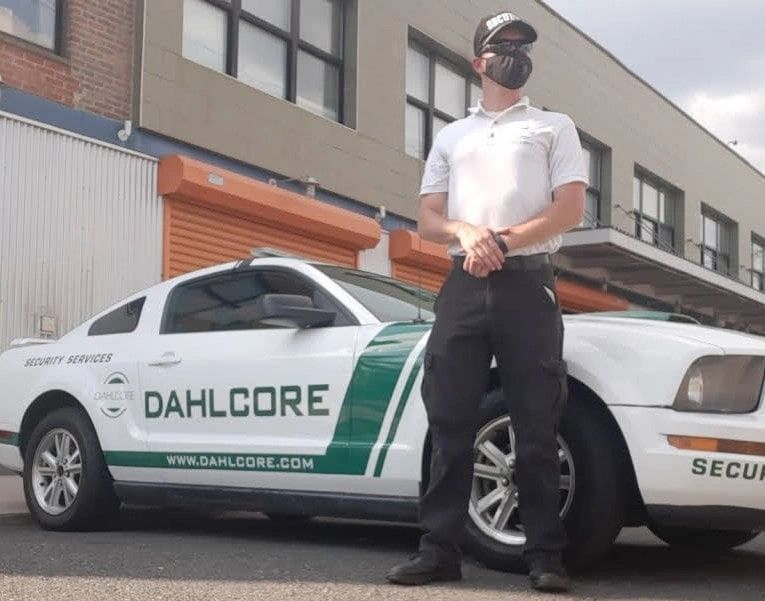
Healthcare Security Guard Training Programs
Key Components of Training
Training programs for healthcare security guards encompass a diverse curriculum, addressing crucial areas such as first aid techniques to respond swiftly in medical emergencies. Conflict resolution strategies are also taught to manage potentially tense situations effectively, ensuring a safe environment for patients, staff, and visitors. Additionally, instruction in the latest security technologies equips guards with tools to enhance surveillance and access control, safeguarding sensitive healthcare facilities comprehensively.
Continuous Education and Skill Development
Continuous education in healthcare security is essential due to the dynamic nature of the field, where new practices and technologies emerge regularly. Ongoing training not only updates security personnel on the latest advancements but also equips them to respond effectively to evolving threats and challenges. By staying current through education, guards can maintain their effectiveness in safeguarding healthcare environments and protecting sensitive information.
Benefits of Hiring Professional Security Services
Enhanced Safety and Security
Hiring professional security services for a medical facility is crucial for enhancing safety and security. Trained security guards not only deter potential threats effectively but also ensure a swift response to any incidents that may arise. Their presence and expertise contribute to maintaining a secure environment, reassuring patients, staff, and visitors alike.
Improved Patient Confidence
The presence of security guards in healthcare facilities contributes significantly to patient confidence by creating a safer environment. Patients feel reassured and protected, which can alleviate anxiety and enhance their overall sense of security during their visit. Ultimately, this sense of safety can positively impact patient experience and satisfaction with the healthcare services received.
Future Trends in Healthcare Security
Advancements in Technology
Technological advancements, including artificial intelligence and advanced surveillance systems, are revolutionizing healthcare security by significantly augmenting the effectiveness of security personnel. These innovations enable real-time monitoring and analysis of healthcare facilities, thereby enhancing response times and preemptively identifying potential threats. As a result, healthcare environments are becoming more secure and resilient against various security risks, ensuring the safety of both patients and staff.
Predictive Security Measures
Predictive security measures leverage advanced data analysis techniques to forecast and mitigate potential security threats. By analyzing patterns and anomalies in data, these measures proactively identify vulnerabilities, allowing organizations to implement preemptive safeguards. This approach not only enhances overall security posture but also reduces the likelihood of security breaches by addressing risks before they manifest into incidents.
FAQs about Healthcare Security Guards
How do healthcare security guards contribute to patient safety?
Healthcare security guards create a secure environment by monitoring the facility, controlling access, and responding swiftly to incidents, ensuring the safety of patients and staff.
What kind of training do healthcare security guards receive?
Healthcare security guards undergo extensive training that includes first aid, conflict resolution, and the use of surveillance equipment, ensuring they are well-prepared for the unique challenges of a medical environment.
How do security guards balance safety with patient privacy?
Security guards balance safety and privacy by adhering to regulations like HIPAA, ensuring that their actions protect patient confidentiality while maintaining a secure environment.
What technologies do healthcare security guards use?
Healthcare security guards monitor and secure medical facilities using various technologies, including CCTV cameras, communication devices, and access control systems.
Why is it essential for healthcare security guards to be physically fit?
Physical fitness is crucial for healthcare security guards as it enables them to respond quickly to emergencies, handle confrontational situations, and endure long periods of standing or patrolling.
How do healthcare security guards handle violent situations?
Healthcare security guards use de-escalation techniques and self-defense training to manage violent situations, ensuring the safety of patients, staff, and themselves.
Conclusion
Healthcare security guards play a pivotal role in safeguarding medical centers and ensuring the safety of patients, staff, and sensitive information. Their presence not only deters potential threats but also enhances the overall sense of security within the facility. By investing in professional security services, healthcare facilities can create a safer environment, improve patient confidence, and ensure that medical professionals can focus on providing excellent care without security concerns.
Check other blogs
Code of Ethics for Security Guards: Standards and Principles
Unveiling the Mystery: Why Would a Compliance Officer Call Me?
How Much Does It Cost to Start a Security Company?
City Guard Security Services: Urban Safety Guide| Dahlcore
