


GPS tracking is everywhere in New York and New Jersey now, from fleet vehicles on the Turnpike to parents watching their teens’ first drives on the LIE. People install trackers for safety, convenience, and business efficiency, but the law cares a lot about who owns the vehicle and whether the person being tracked knows about it. If you’re in NY or NJ and thinking about using a tracker, you need to understand where the line sits between smart monitoring and unlawful surveillance so you don’t accidentally cross into stalking or invasion‑of‑privacy territory.
GPS Tracking Laws in NY/NJ: Quick Overview
In both New York and New Jersey, GPS tracking is usually legal when you own the vehicle or have clear, documented permission to monitor it. It becomes risky or outright illegal when you secretly track someone else’s car, especially a spouse, ex, employee, neighbor, or competitor, without consent and without any ownership interest. Using GPS to follow or intimidate someone can be treated as stalking or harassment, and employers in particular face specific rules around telling workers that vehicles are being tracked.
When GPS Tracking is Usually Legal in New York and New Jersey
GPS tracking tends to be on solid legal ground when you use it for a legitimate purpose on a vehicle you clearly own or control. That includes putting a tracker in your personal car, a family vehicle titled in your name, or a company truck registered to your business. Common “safe” uses include theft recovery, route optimization, mileage tracking, and driver safety monitoring, as long as you’re not using the data to spy on someone’s private life.
When GPS Tracking Can Become Illegal or High Risk
Tracking can quickly become a problem if you hide a device on a car you don’t own or co‑own, or if you never tell the person you’re monitoring what you’re doing and why. Secretly tracking a partner, ex, employee, or neighbor is the kind of behavior that can trigger stalking or harassment claims, or even restraining orders. Trespassing to install the device, like sneaking into a private driveway or locked garage, adds another layer of potential criminal and civil exposure you really don’t want.
GPS Tracking Laws in NY/NJ for Vehicles You Own
When the vehicle is yours, GPS tracking laws in NY/NJ are much more forgiving, but they still expect you to be reasonable. If the car is registered to you, it’s generally lawful to install a tracking device or use a tracking app as part of managing or protecting that property. This owner‑based logic covers both personal and business vehicles, with a few twists depending on who else drives the car and why.
Personal Cars, Family Vehicles, and Shared Ownership
With a personal car titled in your name alone, you typically have the right to track where that vehicle goes. Things get trickier when the car is jointly owned with a spouse, partner, or relative, because that other person may reasonably expect a measure of privacy in how they use the vehicle. The safest move in shared‑ownership situations is to talk openly about the tracking, agree on its purpose, and treat that agreement like consent, especially if the relationship is strained or heading toward a breakup.
Using GPS For Safety and Theft Prevention in NY and NJ
Many New Yorkers and New Jersey drivers use GPS trackers purely for safety and theft prevention, and the law tends to view those goals favorably. If you live in or near high‑theft areas, adding a hidden tracker to help police recover a stolen car is a common, sensible step. Parents and caregivers also use built‑in telematics, dash apps, and plug‑in devices to watch speed, routes, and late‑night trips; that’s generally acceptable as long as you’re not using the tool to secretly control or punish another adult driver.
GPS Tracking Laws in NY/NJ For Employers and Company Vehicles
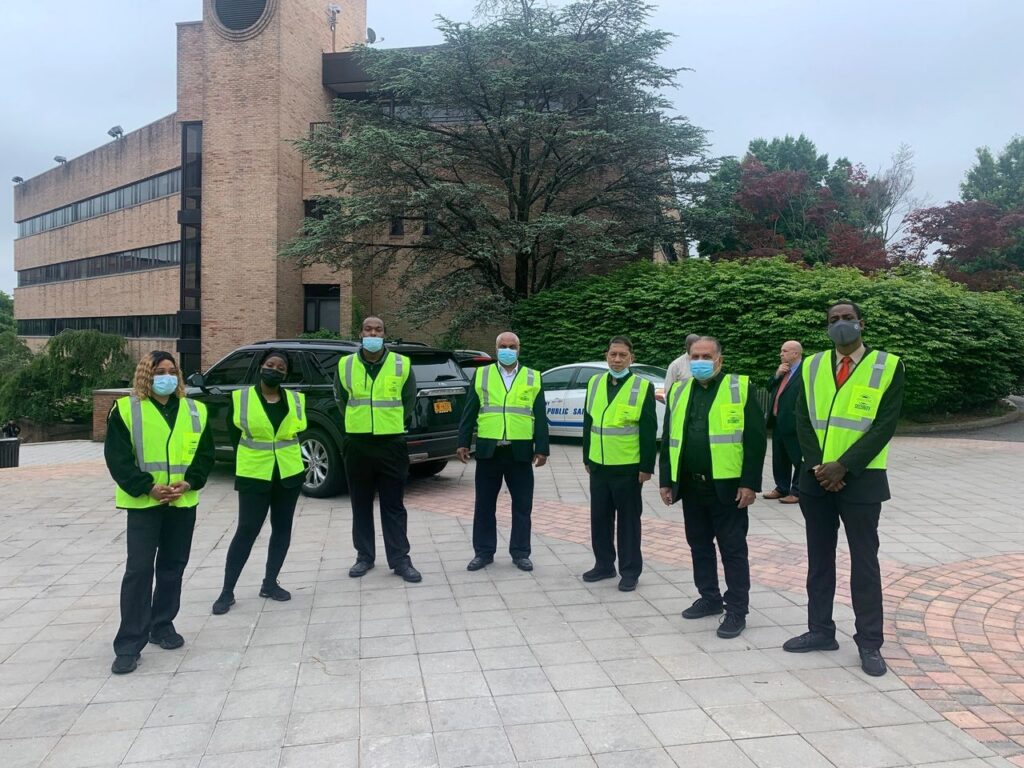
Employers across NY and NJ rely heavily on GPS tracking to manage fleets, confirm deliveries, and improve driver safety, but they have to balance those goals with employee privacy. When the vehicle is clearly a company car or truck, the law gives employers room to monitor it, especially during working hours and for business purposes. Problems start when monitoring is secret, overbroad, or spills far outside the working day.
Written Notice Requirements for GPS Tracking in New Jersey
In New Jersey, private employers generally may not use a tracking device in a vehicle used by an employee unless they provide clear written notice first. That written notice should explain that a tracking device is installed or may be used, why it’s there, and when it will be active. Failing to give proper notice can expose the employer to statutory penalties and create headaches if an employee later claims they were being secretly watched or followed.
Employee GPS Tracking Expectations in New York
In New York, employers can track company vehicles for legitimate business reasons, but the expectation is that they’ll be transparent rather than sneaky. A written policy that explains what is tracked, when, and for what purposes is strongly recommended, especially for fleets running around New York City, Long Island, and upstate. Using GPS to monitor workers in detail when they’re obviously off duty, or in clearly private contexts, can invite legal challenges under broader privacy and labor rules.
Best Practices for Compliant GPS Fleet Policies in NY/NJ
A solid GPS fleet policy in NY/NJ starts with clear communication and a narrow focus on legitimate business needs. Employers should spell out in writing which vehicles are tracked, what data is collected, who can see it, and how long it’s stored. It’s also smart to limit GPS checks to working hours, get signed acknowledgments from drivers, and avoid using tracking data for petty micromanagement that could look like harassment or retaliation if a dispute lands in court.
GPS Tracking Laws in NY/NJ For Spouses, Partners, and Exes
GPS tracking laws in NY/NJ can be especially sensitive when relationships are breaking down or trust is low. Many people are tempted to “just drop a tracker” on a spouse’s or partner’s car to confirm suspicions, but that strategy often backfires legally and emotionally. Courts and police look closely at ownership, consent, and intent when they evaluate whether tracking crossed the line into stalking or harassment.
Tracking a Spouse’s or Partner’s Vehicle in New York or New Jersey
If you own or co‑own the vehicle and your spouse or partner knows it’s being tracked, the law is more likely to view that arrangement as acceptable. Secret tracking is a very different story, especially if the car belongs solely to your partner or is titled only in their name. In those cases, planting a tracker without their knowledge can look a lot like spying, and that can support restraining orders, criminal complaints, or ugly arguments about privacy in later court hearings.
GPS Tracking During Divorce, Custody, or Restraining Order Disputes
Once a relationship moves toward divorce, custody fights, or restraining orders, GPS tracking becomes extremely risky. Judges may see secret tracking as controlling or abusive behavior and use it to justify protective orders or unfavorable custody arrangements. Even if the data seems helpful to you, courts can refuse to accept evidence gathered through shady or illegal tracking methods, leaving you with legal risk but no useful proof to show for it. To see how these issues play out in real protective‑order situations, understand how GPS misuse can play into New Jersey domestic violence cases, including stalking and restraining orders.

GPS Tracking for Parents and Families in New York and New Jersey
Families in New York and New Jersey increasingly use GPS across phones, apps, and vehicles to keep loved ones safe. Parents track teen drivers, relatives monitor elderly parents who still drive, and caregivers keep tabs on vulnerable family members who might wander. The law tends to be more forgiving where minors are involved, and the goal is safety, but consent and respect still matter, especially as children grow into adults.
Monitoring Teen Drivers With GPS in NY/NJ
When a teen is driving a car they own, using GPS to keep an eye on their routes and speed is usually considered reasonable. Many families in NY/NJ set up curfew alerts, speed notifications, and geofences to make sure young drivers aren’t roaming too far or driving recklessly. The healthiest setups are the ones where teens know about the tracking, understand the safety reasons behind it, and feel like the tool is there to protect them rather than to catch them.
Tracking Younger Children or Elderly Family Members
GPS watches, phone apps, and small trackers help many families in busy areas like NYC, Jersey City, or Newark keep track of kids and elderly relatives. As long as the person being tracked is a minor or has clearly agreed to the monitoring, the law generally supports these safety‑focused uses. The tricky part comes when a child becomes a legal adult or an older relative resists being tracked; at that point, continuing to monitor without consent can raise privacy concerns and hurt family trust.
Criminal and Civil Consequences of Illegal GPS Tracking in NY and NJ
If GPS tracking in NY/NJ crosses legal lines, the consequences can be more serious than many people expect. You might face criminal charges, civil lawsuits, or both, depending on what you did, how often you did it, and how harmful a court thinks your behavior was. The person who discovers they were secretly tracked can also ask for restraining orders or other protection.
How Stalking and Harassment Laws Apply to GPS Tracking
Stalking laws in New York and New Jersey focus heavily on patterns of conduct that cause fear, distress, or intimidation, and GPS monitoring can be part of that pattern. If you use a tracker to follow someone around, show up where they are, or maintain constant pressure on them, prosecutors may treat the device as one more stalking tool. Threatening messages or confrontations based on GPS data—a surprise appearance outside work, a comment about where someone was last weekend—only make the case look worse. Learn more about how New York’s GPS stalking law works in real‑world cases and how “Jackie’s Law” specifically targets GPS‑based stalking.
Civil Claims for Invasion of Privacy and Related Harms
Even if the situation never becomes a criminal case, a person who discovers they were secretly tracked might sue you for invasion of privacy or similar civil claims. Courts may consider how intrusive the tracking was, how long it went on, and whether it caused emotional distress or other harm. If you trespassed onto private property to install the device, or maliciously used sensitive GPS data, you increase the chances of paying damages and attorney’s fees on top of losing relationships.
How Courts and Law Enforcement Treat GPS Tracking in NY/NJ
Courts and law enforcement in NY/NJ deal with GPS tracking in a mix of criminal cases, family disputes, and business conflicts. Police may see trackers as helpful tools in some situations, like recovering stolen cars, but as evidence of wrongdoing in others, like domestic violence or stalking. Judges, meanwhile, decide whether GPS data can be used in a case and how much weight to give it.
When Police Can Access GPS Data From Vehicles or Devices
Law enforcement may access GPS data with appropriate legal authority, such as a warrant or clear consent from the device owner or account holder. In stolen‑vehicle scenarios, for example, owners often share GPS access with police so officers can locate and recover the car quickly. By contrast, if officers want access to tracking data from your phone, app, or service provider as part of a broader investigation, they typically need a stronger legal basis before that data becomes available. If you want to see how one major department structures internal rules on GPS tracking, read the NYPD’s official GPS tracking devices policy for details on warrants, safeguards, and permitted uses.
Real‑World Style Scenarios Involving GPS Disputes in NY and NJ
Imagine a delivery company in North Jersey that quietly installs trackers in drivers’ personal cars used for work and then disciplines people based on off‑duty movements—those employees may have strong privacy complaints. Or picture someone in Brooklyn who slips a tracker under an ex’s bumper to see if they’re dating again; that behavior can bring restraining orders or criminal charges. Even neighborhood disputes can escalate, like a homeowner in Staten Island tracking a neighbor’s car as part of a feud, turning a petty conflict into a legal headache.

Practical Do’s and Don’ts For GPS Tracking in NY/NJ
A few simple rules go a long way toward keeping GPS tracking laws in NY/NJ on your side. Think of them as your quick‑check guide before you install any device or activate any tracking app on a vehicle.
Dos: Safer Ways to Use GPS Trackers Legally
Do use GPS on vehicles you clearly own or control, and make sure other adult drivers know that tracking is active. Do put your reasons in writing, whether it’s fleet efficiency, teen driver safety, or theft protection, so nobody can claim you had a secret agenda later. Do create simple policies if you’re an employer or business owner, get signatures from drivers, and limit your tracking to what you reasonably need for work.
Don’ts: Common GPS Mistakes That Create Legal Problems
Don’t hide tracking devices on cars you don’t own or co‑own, including a partner’s personal car, a coworker’s ride, or a neighbor’s vehicle. Don’t use trackers as weapons in relationship, custody, or workplace battles, especially if there are already tensions or protective orders in place. Don’t trespass onto private property to install or retrieve a tracker, and don’t confront people aggressively based on GPS data in ways that could look like harassment or intimidation.
Local Considerations For New York City, Long Island, and New Jersey Communities
Local life in NY/NJ shapes how and why people use GPS trackers, and that context matters. What feels normal in Manhattan might look very different in rural upstate New York or along the Jersey Shore, even if the underlying GPS tracking laws in NY/NJ are the same.
Common GPS Issues in NYC, Long Island, and Upstate New York
In New York City and nearby suburbs, GPS is heavily used by ride‑share drivers, delivery services, and service companies that are constantly on the move. That means more employer tracking, more telematics devices, and more chances for misunderstandings if policies aren’t clearly explained. Upstate drivers may focus more on anti‑theft trackers for trucks, ATVs, or equipment, and on keeping teen drivers safe on long rural routes where police and tow services are farther away.
GPS Tracking Concerns Across North, Central, and South Jersey
In North and Central Jersey, GPS tracking commonly shows up in commuter fleets, logistics operations, and small businesses hopping between Newark, Jersey City, and surrounding suburbs. Down the Parkway toward the Shore, family vehicles and vacation rentals may use trackers to reduce theft and misuse, especially in peak seasons. Wherever you are in New Jersey, combining GPS use with clear notice and respectful boundaries is the best way to stay out of legal hot water.
How To Use GPS Tracking Responsibly in NY/NJ
Using GPS tracking responsibly in NY/NJ is mostly about planning instead of acting on impulse. If you take time to think through ownership, consent, purpose, and communication, you can get the benefits of tracking without exposing yourself to unnecessary legal risk.
Steps to Build a Compliant GPS Tracking Plan For Your Household or Business
Start by writing down why you want GPS tracking and which vehicles or people it will involve. Next, confirm who owns each vehicle, and decide where you’ll ask for explicit consent—this is crucial if other adults regularly drive those cars. Then choose hardware or apps that fit your needs, set clear rules about when tracking is used, and document those rules so family members or employees can review them any time.
How to Talk About GPS Tracking With Employees and Family Members
Conversations about tracking can be awkward, but openness usually beats secrecy. With employees, explain that GPS helps with safety, routing, and accountability, and give them a chance to ask questions before they sign any policy documents. With family, especially teens or aging relatives, focus on safety and support, make it clear what you will and won’t do with the data, and revisit the conversation as situations and comfort levels change.

FAQs About GPS Tracking Laws in NY/NJ
Is it legal to put a GPS tracker on my own car under the GPS tracking laws in NY/NJ?
Generally, yes, GPS tracking laws in NY/NJ allow you to track a vehicle you own or control, especially for safety, theft prevention, or business reasons. The risk rises when someone else believes they have a strong privacy interest in how that shared car is used.
Can my employer track my company vehicle under GPS tracking laws in NY/NJ?
In most cases, yes, employers can track company vehicles under GPS tracking laws in NY/NJ if they do it for legitimate business purposes. New Jersey, in particular, expects employers to give written notice before tracking vehicles used by employees.
Are GPS tracking laws in NY/NJ stricter for spouses and exes?
GPS tracking laws in NY/NJ don’t create a separate “spouse” category, but courts and police view secret tracking of a spouse or ex as highly suspicious. If the car isn’t clearly yours, hidden tracking in a relationship context can look like stalking or harassment.
Can parents monitor teen drivers under GPS tracking laws in NY/NJ?
Yes, parents in New York and New Jersey commonly use GPS to monitor teen drivers, especially when they own the vehicle. The best approach is to be open about the tracking, explain the safety reasons, and avoid using the tool as a constant surveillance weapon.
What happens if I break GPS tracking laws in NY/NJ?
If you violate GPS tracking laws in NY/NJ, you could face criminal charges for stalking or harassment, civil lawsuits for invasion of privacy, or both. You might also be hit with restraining orders or court orders that restrict your future contact and behavior.
Should I talk to a lawyer before using a GPS tracker under the GPS tracking laws in NY/NJ?
If you’re dealing with a high‑conflict situation—like a breakup, custody dispute, workplace discipline, or neighbor feud—it’s smart to speak with a local attorney about GPS tracking laws in NY/NJ first. A brief consultation can help you avoid missteps that might turn a tense situation into a serious legal problem.
Conclusion: Staying on the Right Side of GPS Tracking Laws in NY/NJ
GPS tracking laws in NY/NJ don’t ban trackers outright, but they draw a clear line between using them on vehicles you own for legitimate reasons and using them secretly to shadow someone’s private life. If you focus on ownership, consent, and genuine safety or business needs, you’ll usually be on solid ground. When in doubt—especially around relationships, custody fights, or workplace discipline—pause and get advice before you place a device or flip a tracking switch.
Explore our other blog posts here
CCTV Recording Retention Policies NY/NJ: How Long to Keep Footage
Security Guard Benefits & Unions in NYC: 32BJ Contracts and Pay
Executive Protection/Close Protection in NY/NJ: What It Included
