

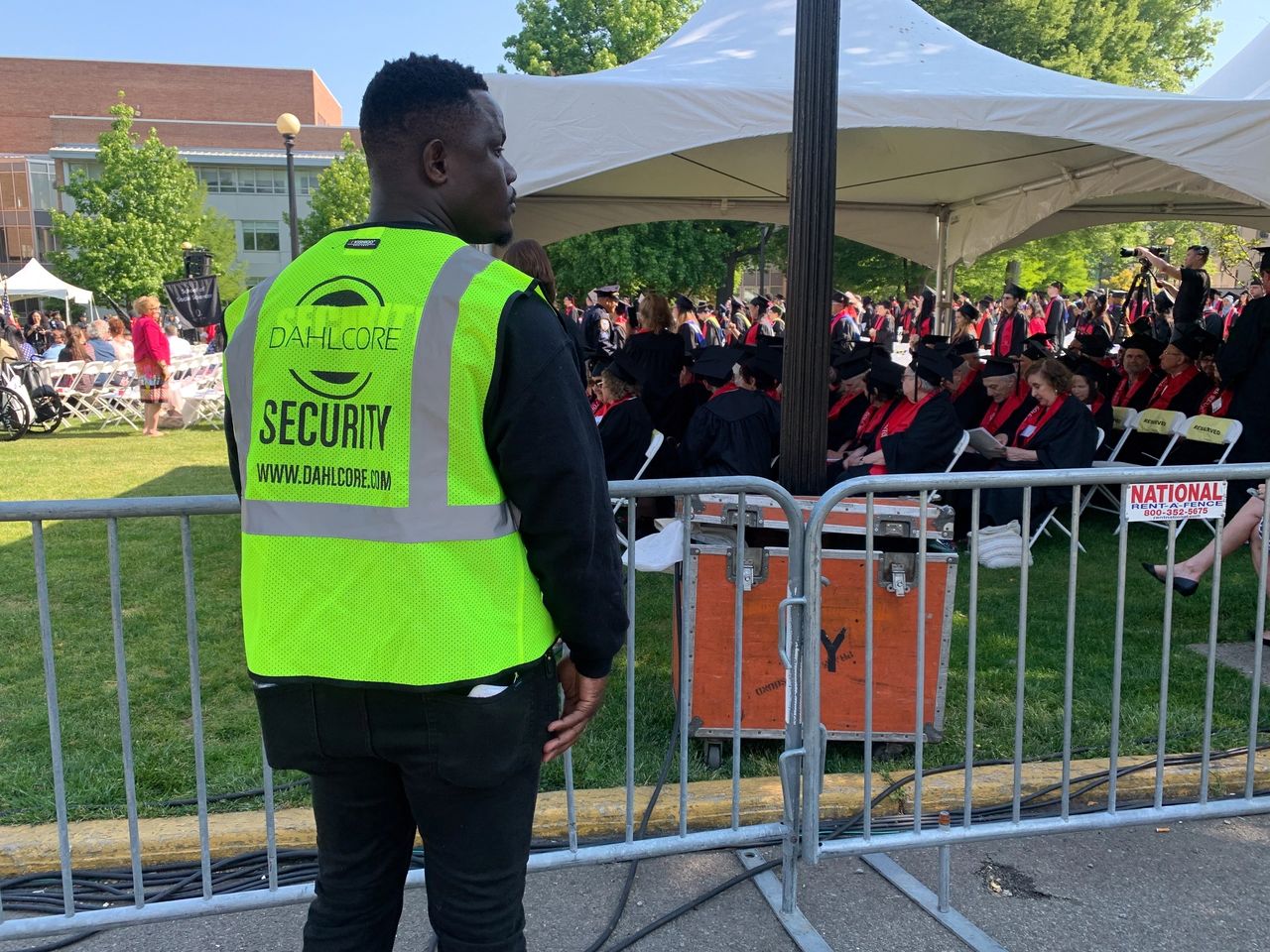
Executive Protection / Close Protection in NY/NJ is a professional safety service for people who face a higher risk because of their role, money, or public profile. It’s built to keep you, your family, and your schedule safe while you live a normal life. Instead of waiting for danger and reacting, a solid team works quietly in the background to prevent problems before they ever reach you. In the New York and New Jersey area, that means managing busy streets, tight lobbies, packed events, and fast-changing plans. Think of it less as a “bodyguard” and more as a mobile safety plan that moves with you.
Executive Protection / Close Protection in NY/NJ: What It Includes
When people hear “Executive Protection / Close Protection in NY/NJ,” they usually picture someone standing close by in a suit and earpiece. That’s part of it, but it’s only one layer. Good protection is a system: planning, scouting, communication, and a calm, trained presence close to you. The goal is to make your day smoother, not harder. A strong EP program in NY/NJ usually covers your movements, your key locations, and your higher-risk moments, like arrivals, departures, and public appearances.
Most plans include advance work (someone checks places and routes before you get there), close protection (an agent near you), and secure transportation planning. There is also coordination with building security, hotels, event staff, and sometimes personal assistants or chiefs of staff. For families, the service can quietly support school runs, weekend outings, and trips between New York and New Jersey. When all these pieces fit together, security feels natural, not loud or dramatic.
Close Protection (On-Body Coverage)
Close protection is the “on-body” layer of Executive Protection / Close Protection in NY/NJ. This is the agent who stays near you in public spaces and moves with you through crowds, buildings, and vehicles. Their job is not to look scary or stiff. Instead, they’re there to see trouble early, steer you away from it, and shield you if something suddenly goes wrong. In most cases, their best work is invisible. You simply notice that your entrances, exits, and travel feel quicker and less stressful.
In a low-profile style, the agent dresses like a normal business person and blends into your environment. They talk clearly, but they don’t draw attention. They might quietly suggest a different door, a new route, or a slightly earlier departure time. In a higher-visibility style—useful for crowds or strong deterrence—the agent’s presence is more obvious, which can warn off possible threats. The right style depends on your image, your industry, and your personal comfort level.
Protective Intelligence and Threat Awareness
Protective intelligence is the early-warning side of executive protection. It focuses on spotting potential threats before they show up in front of you. That can include monitoring known risks, watching open-source information, and keeping track of worrying patterns in your schedule or exposure. It is not about spying on everything you do. Instead, it’s about scanning your world for issues that could grow into problems, like a hostile ex-employee or an online troll who starts showing up at public events.
In NY/NJ, protective intelligence can also mean tracking protest activity near your office, watching crime trends around your home, or checking if a venue recently had security incidents. When this work is done well, your security team can adjust plans calmly instead of making last-minute decisions. You may only see summaries or simple recommendations, but behind that advice is a lot of quiet analysis. The payoff is simple: fewer surprises. Security teams often lean on formal threat assessment models and workplace‑violence guidelines to structure this kind of analysis, especially when legal disputes or terminations are involved. For example, frameworks like the Workplace Assessment of Violence Risk (WAVR‑21) and government workplace‑violence handbooks can help providers separate normal frustration from truly concerning behavior.
Advance Work and Site Checks
Advance work is the homework that happens before you arrive anywhere. For Executive Protection / Close Protection in NY/NJ, this step is huge. An advance agent may visit your hotel, office, courthouse, event venue, or restaurant ahead of time. They look at entrances and exits, security checkpoints, parking, loading docks, elevators, and any blind spots that could cause delays or risk. They also test how long it really takes to move from point A to point B in normal traffic.
This prep gives your team options. If a lobby is crowded, they might bring you in through a side entrance. If one elevator is slow or exposed, they may choose another. They also coordinate with in-house security, front desk staff, and event organizers so your arrival is expected, not awkward. When advance work is done right, your movements feel smooth and planned, even when the city around you is hectic.
Secure Transportation and Professional Drivers
In NY/NJ, roads, bridges, and tunnels are their own kind of risk. That’s why secure transportation is a key part of Executive Protection / Close Protection in NY/NJ. A professional security driver knows the roads, the traffic patterns, and the little details that matter, like where to stage the car and how to avoid bottlenecks at bad times. They plan routes with backups in mind, factoring in traffic apps, construction, and weather.
On busy days, you might have multiple stops across Manhattan and New Jersey—meetings, meals, school, airport runs. A trained driver works in sync with your protection agent, so pick-ups and drop-offs are quick, controlled, and safe. The vehicle choice also matters: it should be comfortable, discreet, and well-maintained. You don’t always need an armored SUV, but you do need a clean, reliable car, a skilled driver, and a clear plan for every movement.
Residential and Workplace Protection
Your home and your main workplace are usually your most important locations. In Executive Protection / Close Protection in NY/NJ, a big part of the job is making sure these spaces are both safe and livable. That might mean looking at doors, locks, cameras, lighting, and visitor rules. It also means understanding how staff, deliveries, and guests come and go throughout the day. The goal is to tighten the weak spots without turning your home or office into a fortress.
In apartment buildings or office towers, your EP team often works closely with existing security and front-desk staff. They may set up guest lists, sign-in processes, or preferred routes through the property. At home, they might help you create daily habits, like using certain doors, keeping garage entrances closed, or watching what gets shared on social media. These small routines add up and make you harder to target without making you feel trapped.
Event and Crowd Management in NY/NJ
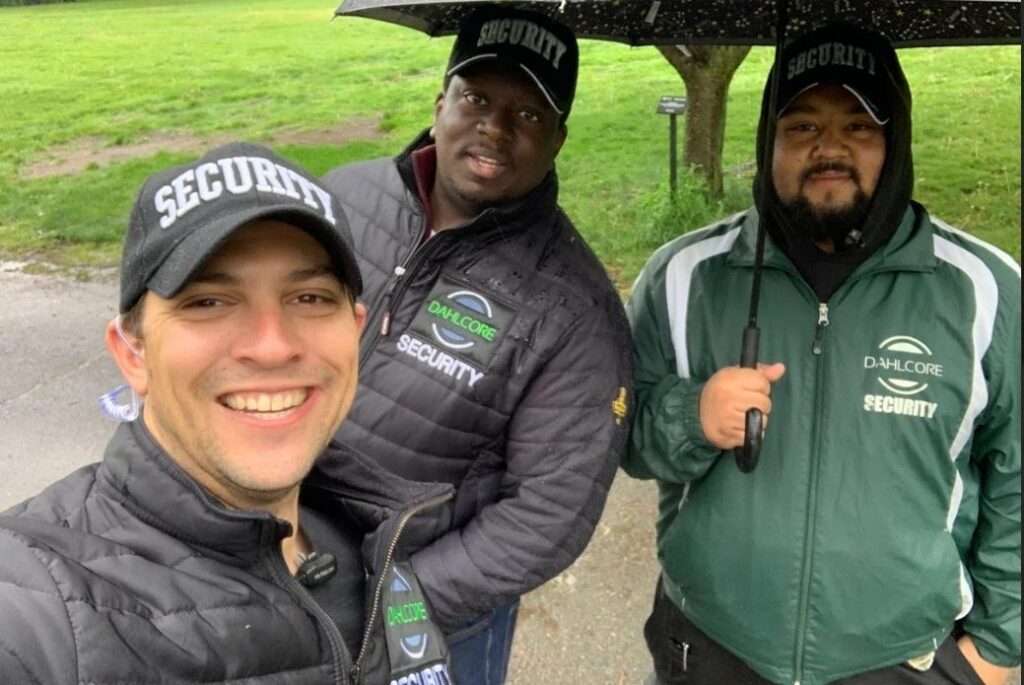
Events in NY/NJ can be intense. Think product launches, premieres, charity galas, court hearings, sports, or even high-profile dinners. Crowds, cameras, and tight spaces raise the risk level. Your Executive Protection / Close Protection in NY/NJ team treats these days differently. They map out where you arrive, where you wait, where you sit, and how you leave, all while balancing your security with your need to be visible and social.
At events, the team may manage a small buffer zone around you so strangers can’t suddenly rush in. They watch body language in the crowd and stay alert for people who are too focused on you. They also plan for exits if something goes wrong, whether it’s a medical issue, a fire alarm, or a protest outside. When they do their job well, you can focus on the event and your message, not the chaos around you.
Medical Readiness and Emergency Response
No protection plan is complete without medical readiness. In many Executive Protection / Close Protection in NY/NJ programs, at least some team members have solid first-aid and basic trauma training. They may carry small medical kits, know your key health details (with your approval), and understand how to get you to care quickly in the NY/NJ area. This matters for sudden health issues just as much as for security incidents.
Emergency planning also covers communication. Your team should know who to call, what to say, and where to go in different situations. That might include local hospitals, private medical providers, or your company’s internal contacts. Clear roles help avoid panic. You don’t want people arguing about what to do when seconds count. Instead, you want a plan that’s practiced and simple: this person calls 911, this person supports you, and this person handles the route.
Why People Hire Executive Protection / Close Protection in NY/NJ
People usually don’t wake up and randomly decide to hire Executive Protection / Close Protection in NY/NJ. There’s almost always a trigger. Maybe a company is going through layoffs, a lawsuit, or a tense merger. Maybe an executive or public figure has received direct threats or is getting unusual attention online. Sometimes it’s a personal issue, like a divorce, a stalking situation, or a family conflict that just feels unsafe.
Another common reason is travel and visibility. New York and New Jersey attract media, influencers, and large crowds, so it’s easy for someone to become more exposed than they expected. A TV appearance, a viral post, or a big deal announcement can suddenly put a target on your back. Smart people don’t wait to see what happens. They use EP to build a safety buffer around themselves and the people they care about.
Common Personal and Business Risk Scenarios
For business leaders, risk often comes from work. Layoffs, plant closures, fraud cases, or public scandals can all stir up anger. For entertainers, athletes, and influencers, risk can spike after major releases, big wins or losses, or heated controversies. Families can face issues through doxxing, swatting, or obsessive “fans” who cross the line from online to real life. In many of these situations, the first warning signs show up on the internet or through gossip, not in front of your door.
In NY/NJ, legal cases can also increase risk. Court dates, depositions, and press outside courthouses can pull in upset people and curious strangers. Travel days are another weak point. Airports, hotels, and public travel hubs bring you close to people you don’t know. EP teams help by smoothing these days out, trimming random contact, and giving you quick ways to exit if you feel unsafe. Many organizations use formal threat‑assessment team playbooks to handle these situations, which outline how to spot, document, and respond to worrying behavior inside the company before it escalates.
Local NY/NJ Risk Factors
The New York–New Jersey area brings its own unique mix of risk factors. There are dense crowds, layered public transit, heavy traffic, and a steady calendar of protests, parades, and major events. A simple cross-town trip can suddenly get stalled by a march or an accident. Bridges and tunnels can turn short drives into long delays, which can be inconvenient at best and unsafe at worst if a threat knows your schedule.
Because of this, EP in NY/NJ leans heavily on planning and flexibility. Teams need to know alternate routes, quiet entrances, and less obvious waiting areas. They also need to track what’s happening in the city: strikes, rallies, VIP visits, and weather events. When they stay ahead of these things, your day runs closer to plan, and your exposure to random risk drops.
Licensing and Legal Basics in New York
When you hire Executive Protection / Close Protection in NY/NJ, you want people who are properly credentialed for the work they’re doing. In New York, that usually means your security professionals have gone through the state registration and training process for security guards or related roles. While every case is different, and this isn’t legal advice, you should at least expect your provider to understand and follow New York’s rules, especially for armed work.
You don’t need to become a legal expert yourself, but you can ask smart questions. Ask which licenses or registrations each person holds, what training they’ve completed, and how they keep those credentials current. Also, ask if there are limits on what they can legally do in certain settings, like residential buildings, public streets, or private events. A good provider will be clear and confident when answering, not vague.
NY Security Guard Training Overview
New York’s guard training model is built around core courses and follow-up training over time. While the details are set by the state and can change, the basic idea is that guards do structured learning before they start working, then add more training after they’re on the job, and then refresh that training regularly. This helps keep skills like observation, communication, and basic response from getting rusty.
For you as a client, the big question is simple: “Are your people current on their required training?” If they can’t answer that clearly, that’s a problem. You can also ask if they add any advanced executive protection courses on top of the basic guard requirements. Many serious providers invest in extra skills like defensive driving, protective surveillance, and medical training, which are very useful at the EP level.
Armed vs Unarmed in Executive Protection
One common question about Executive Protection / Close Protection in NY/NJ is whether agents should be armed or unarmed. The right answer depends on your risk profile, local rules, and comfort level. Armed protection can be helpful in higher-risk cases, but it also brings extra responsibility, legal complexity, and sometimes more public attention. In many situations, an unarmed team with good planning, strong communication, and clear escape routes is more than enough.
This is a decision you should make with your provider, not by yourself. Ask them to walk you through the pros and cons for your specific case, not just in general. They should be able to explain how they think about weapons, when they recommend them, and how they ensure safe handling. If someone pushes hard for armed coverage but can’t explain why it fits your situation, that’s a red flag.
Licensing and SORA Basics in New Jersey
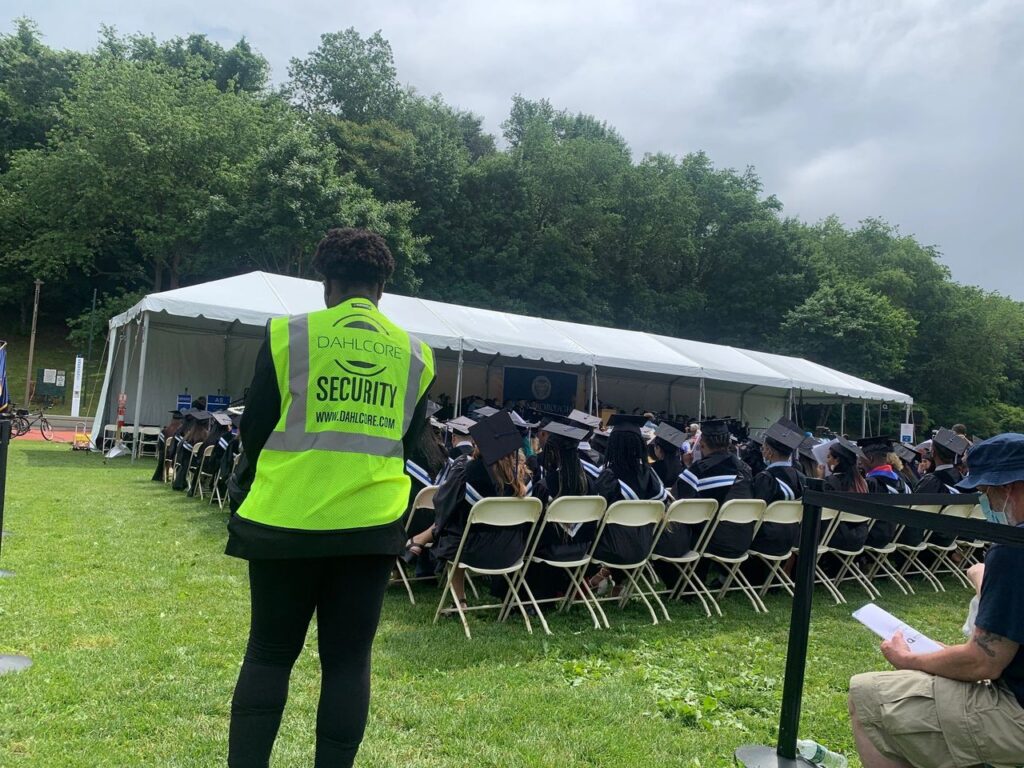
On the New Jersey side of Executive Protection / Close Protection in NY/NJ, you’ll often hear the word “SORA,” which stands for the Security Officer Registration Act. This is the framework New Jersey uses for security officers. Again, the details are set by the state and can change, but the high-level idea is that officers are registered, trained, and screened before they work. If part of your life or business is based in New Jersey, you want a team that understands this environment.
When your protection team crosses from New York into New Jersey with you, the legal context can shift. That’s why it’s smart to ask how the company handles work in both states. They should be ready to explain which of their people are set up to operate legally in New Jersey, what training those people have, and how they keep up with changes. You don’t want confusion at the exact moment you need support.
How SORA Fits Into Executive Protection / Close Protection in NY/NJ
In practical terms, SORA is one piece of the bigger picture. It helps make sure that people working in security roles in New Jersey have gone through a formal process, instead of just showing up with no background or training. For executive protection, you want more than the bare minimum, but SORA is still part of the baseline you should expect if your coverage includes NJ.
When your EP team designs routes, schedules, and staffing for days that mix New York and New Jersey locations, they should build those plans with both sets of rules in mind. That means picking the right staff for the day and clearly defining who does what on either side of the river. You shouldn’t have to worry about the details yourself, but you should feel confident that someone is paying attention to them.
How To Hire Executive Protection / Close Protection in NY/NJ
Here’s a simple, schema-friendly “How To” you can follow when hiring Executive Protection / Close Protection in NY/NJ:
- Define your needs. List who needs protection, when, and where. Include work, home, family, travel, and any known threats or concerns.
- Set your priorities. Decide what matters most: safety, privacy, keeping a low profile, or supporting a busy, complex schedule.
- Shortlist providers. Look for companies with clear experience in NY/NJ, real client stories, and strong communication. Check their websites, reviews, and any case studies.
- Request a discovery call. Use this call to explain your situation and listen to how they think. Are they calm, professional, and focused on planning?
- Ask specific questions. Ask about training, licenses, local experience, staffing, and how they handle emergencies. Listen for honest, detailed answers, not buzzwords.
- Review a written proposal. A good provider will send a simple plan and quote that outlines service levels, staffing, hours, and any optional add-ons.
- Run a trial. If possible, start with a single day or short event and see how they work. Pay attention to their punctuality, manners, and problem-solving.
If the trial goes well, you can move into a longer-term agreement with more confidence.
Clarify Your Needs and Routine
Before you reach out to any provider, sit down and map your real life. Who actually needs Executive Protection / Close Protection in NY/NJ—just you, or also a partner, children, or key employees? Where do you spend your time? Office, home, school, court, events, airports, hotels, client sites? Which days and times feel most risky or stressful? The better you understand your routine, the easier it is for a provider to shape a smart plan.
You don’t need a perfect list, but you should have enough detail that they can picture your week. For example, “I’m in Manhattan three days a week, then in Jersey City or Newark the other two, with one school drop-off each day.” Simple statements like that steer the design. Skip this step, and you risk paying for coverage that doesn’t match how you really live and work.
Shortlist Local NY/NJ Executive Protection Providers
Once you know what you need, it’s time to look for providers. Start with companies that clearly focus on security or executive protection, not general “errand” services. Look for signs of serious work: client quotes, references to corporate or private clients, and clear descriptions of services. If they have a portfolio or blog, read a few posts to see if they actually understand New York and New Jersey, not just security in theory.
You can also ask trusted contacts—law firms, accountants, or business partners—if they’ve used Executive Protection / Close Protection in NY/NJ before. Personal recommendations are powerful. When you find a few candidates, check that their contact details are real and that they respond professionally. Slow, sloppy replies at this stage often predict poor service later.
Questions to Ask EP Providers
When you get on the phone or meet with a provider, bring a short list of questions. For example:
- “What is your experience with Executive Protection / Close Protection in NY/NJ specifically?”
- “How do you plan a typical day of coverage?”
- “What training do your agents and drivers have beyond basic guard requirements?”
- “How do you handle emergencies or last-minute changes?”
- “How do you protect our privacy while still doing your job?”
Listen not just to what they say, but how they say it. Clear, simple answers usually signal real experience. Long, vague speeches can be a sign they’re trying to impress you instead of helping you. It’s okay to ask for examples and to follow up on any point that feels fuzzy.

Red Flags to Avoid
Some warning signs are hard to ignore, and you shouldn’t. Be cautious if a provider:
- Can’t explain their licenses, training, or experience in NY and NJ.
- Only talks about weapons and “muscle” and not about planning, advance work, and communication.
- Pushes you into a big, expensive package without asking real questions about your routine.
- Refuses to give references or proof of past work with similar clients.
You’re trusting this team with your safety and your family’s safety. It’s okay to walk away if something feels off. The right provider will respect your questions and your caution.
Service Levels and Packages to Consider
Executive Protection / Close Protection in NY/NJ doesn’t have to be all or nothing. Most providers can scale service levels based on your needs and budget. For some people, a solo agent for a few key days each month is enough. For others, a small team that includes a driver and a coordinator makes sense, especially during busy seasons or high-risk periods.
You can also mix one-time events with ongoing protection. Maybe you only need heavy coverage around trial dates, investor days, or big product launches, and lighter support at other times. The key is to be honest about what you can afford and what truly matters to you. Then work with the provider to build a package that hits that balance.
One-Time Events vs Ongoing Protection
One-time events—like a gala, a court hearing, a media day, or a high-profile launch—usually call for short, intense coverage. The team might focus on advanced work, event security, and secure travel to and from the venue. Once the event is done, coverage ends. This is a good way to test a provider and handle short-term spikes in risk.
Ongoing protection is different. It sticks with you across weeks or months. The team learns your habits, your routes, and your preferences. They may also build deeper relationships with your building staff, assistants, and family. This type of coverage is useful when you’re in the public eye a lot or dealing with a long-running threat or dispute.
Solo Agent vs Team-Based Coverage
A solo agent is more affordable and simpler to schedule, but there are limits. One person can’t be in two places at once, and they can’t drive and protect you at the same time without trade-offs. A small team, on the other hand, can divide tasks. One person can focus on driving, another on close protection, and another on advance work or coordination.
In the NY/NJ area, you may want at least two people on days when you have a packed schedule, a big event, or cross-state movements. On quieter days, a solo agent might be enough. A good provider will help you decide when it’s safe to scale down and when it’s smarter to scale up.
Adding Secure Transportation and Drivers
Secure transportation is often the “secret weapon” of Executive Protection / Close Protection in NY/NJ. When you add a trained driver, your day flows better. You’re not hunting for cars, worrying about parking, or trying to navigate traffic yourself. The driver and the protection agent work as a team, so you can focus on your work or your family.
You might want a driver on airport days, late-night events, or when your schedule is tight and spread across both New York and New Jersey. If you have several important stops in one day, the small time savings at each pick-up and drop-off add up. Over a year, this can save you many hours and a lot of stress.
Cost of Executive Protection / Close Protection in NY/NJ
Costs for Executive Protection / Close Protection in NY/NJ can vary a lot, so it’s helpful to think in terms of the factors that drive price. These include your risk level, how many hours and days you need, the number of agents, whether they are armed or unarmed, and whether you include a driver and vehicle. Short-notice requests, major events, and very late hours can also raise the price.
Many providers bill by the hour, the day, or the project. Some may also charge extra for advance work, travel days, and specialized gear. Instead of hunting for the “cheapest” rate, focus on value. Are you getting experienced people, clear communication, and a thoughtful plan? A rock-bottom price can become very expensive if the service is poor and puts you at risk.
What Drives Pricing Up or Down
Several levers affect the final cost:
- Risk profile: Higher, known threats usually mean higher rates and more staff.
- Coverage hours: Long days, overnight shifts, and 24/7 coverage cost more than standard business hours.
- Team size: A solo agent is cheaper than a three- or four-person team.
- Travel: Time spent traveling with you, especially outside the immediate NY/NJ area, adds to the bill.
- Vehicles: Whether you supply vehicles or the company does, and what type of vehicles are used.
Knowing these levers helps you adjust the plan. You might choose to have full teams only on peak-risk days and lighter coverage on normal days. This can protect both your safety and your budget.
How to Structure a Clear Contract
Once you’re ready to move forward, ask for a clear, written agreement. It should spell out what services you’re getting, who is responsible for what, and how much you’ll pay. Make sure it includes coverage hours, team size, overtime rules, travel policies, cancellation terms, and how changes are handled. If you’re unsure about the wording, have your legal or procurement team review it.
You should also define communication expectations. Who is your main contact? How often do you get updates or reports? How do you reach the team in an emergency? A clean contract avoids misunderstandings and keeps the relationship professional. Clarity up front makes everything smoother later.
Local insights: Doing EP Right in NY/NJ
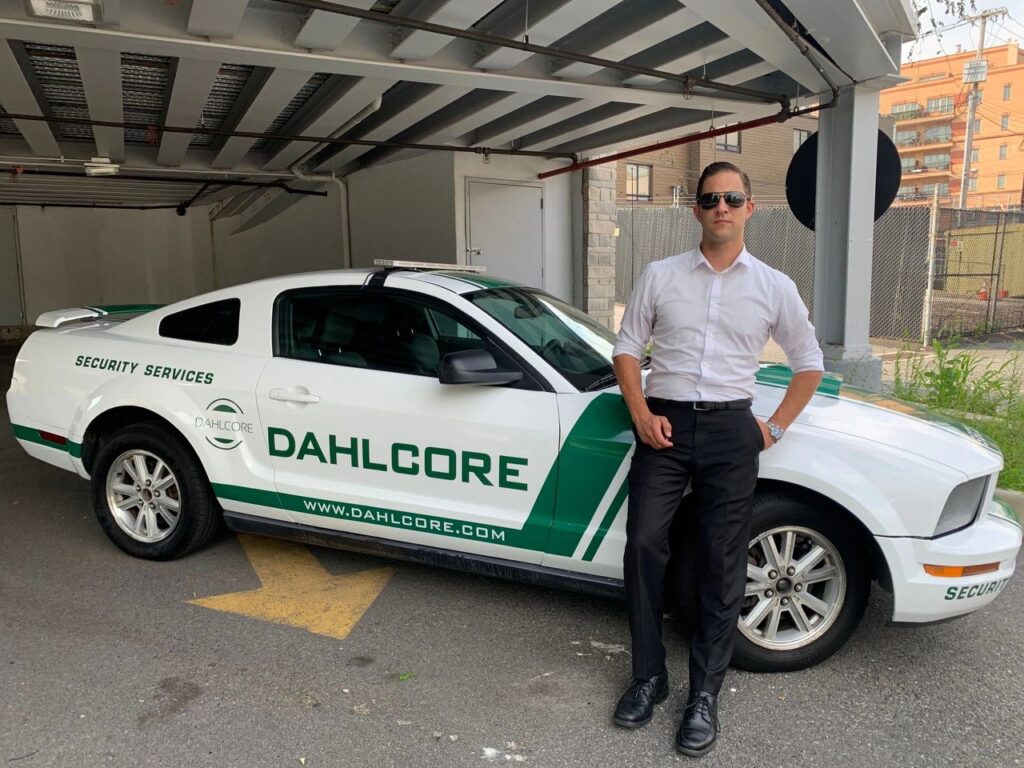
New York and New Jersey are busy, layered, and full of surprises. Doing Executive Protection / Close Protection in NY/NJ well means respecting that reality. Teams that know the local rhythm understand rush hours, event calendars, and the subtle differences between neighborhoods. They learn which hotels, office towers, and venues are easy to work with—and which ones always create friction.
They also know how to handle the “little” things that become big problems if ignored, like elevator bottlenecks, parking rules, or loading dock access. Over time, these local insights save you time, reduce stress, and keep you safer without making a big show of it.
Working With Buildings, Hotels, and Venues
Your EP team doesn’t work in a vacuum. They have to get along with doormen, front desk staff, in-house security, event managers, and sometimes law enforcement. The best teams are polite, professional, and prepared. They arrive early, explain what they need, and respect house rules as much as possible.
When everyone feels respected, cooperation is smoother. That might mean faster access to service elevators, better parking spots, or earlier notice if something odd is happening on-site. It also reduces the chance of awkward scenes at the front door. Remember, in NY/NJ, relationships matter, and your team’s attitude can open or close doors for you—literally.
Balancing Visibility and Discretion
Some clients want to send a strong visual signal with their protection. Others prefer a low profile that doesn’t draw attention. In many cases, you’ll want a mix. At high-risk events, a more visible posture can deter trouble. On regular workdays or family time, a softer, less obvious presence can feel more comfortable and be better for your image.
Your provider should help you find the right balance. They may suggest wardrobe choices, positioning, and communication styles that fit your brand and comfort level. Over time, the team will learn your preferences and adjust naturally, so you don’t have to keep explaining the same things.
FAQs About Executive Protection / Close Protection in NY/NJ
What is Executive Protection / Close Protection in NY/NJ?
It’s a professional safety service that combines planning, advanced work, and on-body
coverage to keep high-risk people safer as they move around New York and New Jersey.
Who needs Executive Protection / Close Protection in NY/NJ?
Typical clients include CEOs, high-net-worth individuals, celebrities, influencers, key witnesses, and families facing threats, legal disputes, or intense public attention.
Is Executive Protection / Close Protection in NY/NJ only for famous people?
No. Many clients are not public celebrities. They’re business owners, investors, or private individuals who simply face higher-than-normal risk for personal or business reasons.
Can I hire Executive Protection / Close Protection in NY/NJ just for a single event?
Yes. Many providers offer short-term coverage for events like court dates, media days, product launches, and galas, with the option to extend if needed.
How do I choose between armed and unarmed Executive Protection / Close Protection in NY/NJ?
Work with your provider to assess your risk level, local rules, and comfort. In many cases, unarmed teams with strong planning are enough. Armed options may be used for higher-risk cases.
How far in advance should I book Executive Protection / Close Protection in NY/NJ?
The more notice, the better, especially for complex days with travel, events, or cross-state movements. For large events, start the conversation weeks ahead when possible.
Conclusion
Executive Protection / Close Protection in NY/NJ works best when it’s tailored to your real life, rooted in planning, and delivered by people who know the local landscape. You don’t need to become a security expert to benefit from it. You just need to be honest about your risks, clear about your routine, and careful about who you hire.
Explore our other blog posts here
Security Guard Services & VIP Protection: Ensuring Clients Safety
NY Security Guard License With Felony: Key Eligibility Factors
Armed vs Unarmed in NY: Licensing, Training, and Work Types
