

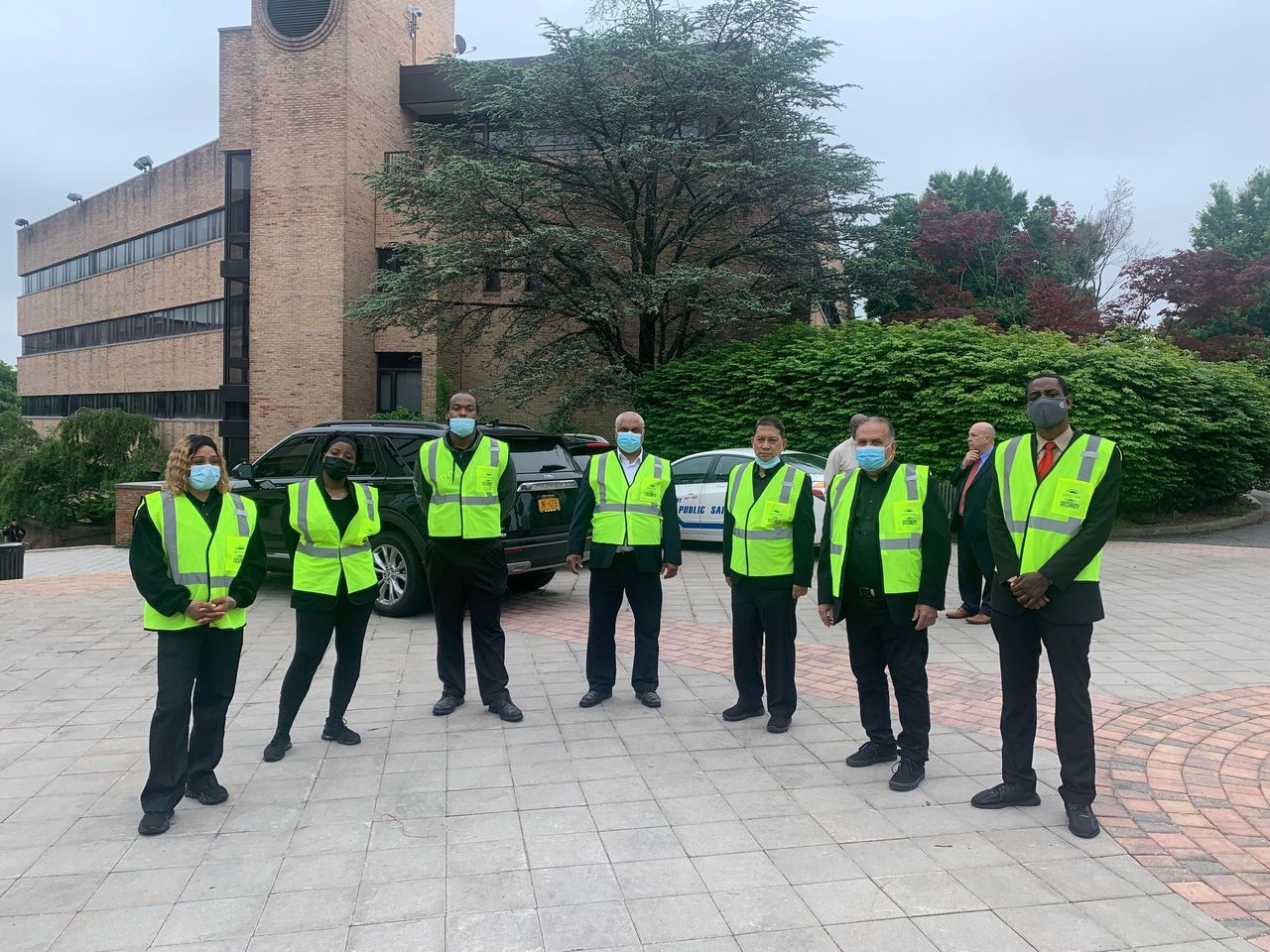
What Do Security Guard Benefits & Unions in NYC Mean for 32BJ Officers?
Security guard benefits & unions in NYC shape your paycheck, healthcare, schedule, and even how safe you feel on the job. For thousands of security officers in New York City, SEIU 32BJ is the union that negotiates contracts, raises standards, and sets a higher bar than most non‑union positions across Manhattan, Brooklyn, Queens, the Bronx, and Staten Island.
Union contracts spell out exactly what you earn, what benefits you get, and when those improve, instead of leaving everything to your employer’s mood or the next contract rebid. With a 32BJ security agreement in NYC, rules around pay, benefits, and rights are written down and enforceable, which is crucial in a high‑cost city.
What Are Unionized Security Guard Jobs Like in New York City?
Unionized security guard jobs in New York City are most common in large commercial office towers in Midtown Manhattan, luxury residential high‑rises in Brooklyn and Queens, public facilities, and some institutional or federal sites. In these places, building owners or security contractors sign collective bargaining agreements (CBAs) with 32BJ that cover pay, benefits, and working conditions for the officers on site.
That’s why two guards in NYC can have very different experiences. A non‑union guard at a small site in the outer boroughs might earn close to minimum wage with basic or no benefits, while a 32BJ guard at a Class A building in Midtown can earn a higher hourly rate plus family health coverage, paid holidays, and vacation time. The union structure also makes it easier for NYC guards to stick together when they push for improvements.
Who Does SEIU 32BJ Represent in NYC’s Security Industry?
SEIU 32BJ is one of the largest property services unions in the U.S., representing security officers, cleaners, doormen, porters, and other building service workers across New York City and the broader tri‑state area. In NYC’s security industry, its members protect commercial high‑rises in Manhattan, residential buildings in Brooklyn and Queens, and a mix of public and private buildings throughout the five boroughs.
The union has a dedicated security division that negotiates on behalf of approximately 20,000 security officers in New York City alone. These officers work for different contractors, but they share one core contract framework, which helps standardize wages and benefits across NYC instead of leaving everything to separate deals at each building. To see how the union describes its own security division, including who they represent and current campaigns, visit the SEIU 32BJ Security Division page.
Quick Snapshot: SEIU 32BJ in NYC
- Union: SEIU Local 32BJ (NYC and tri‑state)
- Sector: Property services, including security officers
- Coverage: Large commercial and residential sites across New York City’s five boroughs
How Do 32BJ Security Guard Contracts Work in NYC?
A 32BJ security guard contract is a collective bargaining agreement between the union and groups of building owners or security contractors, often through the Realty Advisory Board (RAB) on Labor Relations. These NYC‑specific agreements usually run for several years and include detailed language about pay scales, job classifications, overtime, benefits, holidays, and workplace rights.
Once a tentative deal is reached, 32BJ security members vote to approve or reject it. If they approve it, the contract becomes binding, and NYC employers must follow its terms or face grievances and, if necessary, arbitration. That process gives New York City security officers a much stronger voice in shaping their working conditions.
What Are The Key Terms in 32BJ Security Officer Agreements?
32BJ security contracts define different classifications, such as Security Officer I, II, III, and Armed Guard, each with its own minimum hourly rate and progression steps. The agreements also spell out how long it takes to move up based on seniority, which helps NYC guards see steady raises as they gain experience at a site.
In addition, the contracts set scheduling rules, overtime pay, holiday premium pay, and sometimes shift differentials for nights or weekends. They also include grievance procedures, protections against unfair discipline, and clauses on discrimination and harassment, so guards in New York City have clear paths to address workplace issues.
What Recent Wins and Updates Have NYC 32BJ Security Guards Achieved?
In the most recent bargaining cycle, 32BJ’s security division in New York City secured a contract with a 22% wage increase over the life of the agreement, described as one of the strongest raises they’ve ever won for NYC officers. This came after years in which security officers were recognized as frontline workers during and after the pandemic.
The new deal also added Juneteenth as a paid holiday, which boosts compensation and acknowledges the day’s importance for workers in NYC. Earlier contracts strengthened the minimum wage floor, locked in 100% employer‑paid family health coverage for many security officers, increased paid time off, and raised employer contributions toward retirement plans. Local coverage described the latest NYC 32BJ security contract as a “historic” deal, with citywide wage increases, protected healthcare, and a new paid Juneteenth holiday for security officers. You can read more in this Brooklyn Eagle article on the 32BJ security contract.
How Much Do 32BJ Security Guards Get Paid in NYC?
Under 32BJ contracts, security guard pay in New York City generally starts above the basic minimum wage and includes scheduled increases over the contract term. Earlier agreements pushed starting minimums into the high teens per hour, with experienced or higher‑classification officers earning hourly rates in the twenties, especially at large Manhattan sites.
More recent contract summaries show additional raises spread over several years, adding fixed amounts per hour at set dates. When you add the value of health coverage, paid time off, and retirement contributions, the total compensation for a 32BJ guard in NYC can be much higher than what a similar non‑union guard earns elsewhere in the city.
What Are Typical Hourly Ranges and Raises for 32BJ Guards in NYC?
Past NYC 32BJ security agreements list starting rates in the mid‑teens for new officers, with step increases over roughly 30 months, and top rates for senior or higher‑classification guards reaching into the twenties per hour. Armed guards and specialized posts can earn more because of their added responsibilities and training.
Newer contracts add scheduled raises each year, often as fixed dollar amounts per hour on specific January or July dates. That structure is helpful in New York City, where rent and everyday costs are high, because it lets guards plan around exact future pay bumps instead of waiting on uncertain, individual performance reviews.
How Does 32BJ Pay Compare to Non‑Union Security Jobs in NYC?
Non‑union security officers in New York City often earn lower wages and have more unpredictable raises, especially at low‑bid contract sites or smaller employers. Many non‑union guards only see raises when the state minimum wage increases or if they push individually for more pay.
By contrast, 32BJ security officers usually earn higher hourly rates and also receive extra value through employer‑funded health benefits, paid time off, and retirement contributions. When you factor in the cost of living in NYC, that total compensation gap can reach thousands of dollars per year, even if the straight hourly difference looks modest at first.
What Core Benefits Do NYC 32BJ Security Guards Receive?
One of the biggest advantages of security guard benefits & unions in NYC is the benefits package that comes with a strong 32BJ contract. NYC 32BJ security officers have fought for robust, often 100% employer‑paid family health coverage, along with paid time off and retirement plans that fit the realities of New York City life.
These benefits help guards manage medical bills, take days off without losing income, and build a financial cushion for the future. They also support stability for families in Manhattan and the outer boroughs, which is crucial given the city’s high housing and transportation costs.
What Health Insurance, Sick Days, Holidays, and Vacation Time Do 32BJ Guards Get?
Many 32BJ security contracts provide comprehensive health coverage that includes hospitalization, major medical, prescription drug coverage, dental, and vision benefits for NYC guards and their families. Employer‑paid premiums can save New York families thousands of dollars a year compared to buying individual plans.
Contracts also include paid sick days, holidays, and vacation days, with improvements over time as 32BJ negotiates new deals. Security officers can receive paid days off or holiday premium pay when they work certain days, which helps them balance demanding building schedules with family and community life in NYC.
Do NYC 32BJ Security Guards Get Pensions and Retirement Benefits?
Many 32BJ security officers in New York City participate in defined benefit pension plans that receive employer contributions under set formulas. Recent agreements have included pension enhancements and clarified contribution rates into the 32BJ funds that cover NYC workers.
Some contracts also provide employer contributions to 401(k) plans, giving guards another tool to build retirement savings on top of pensions and Social Security. When combined, these benefits can give NYC guards a more stable long‑term outlook than they would get from non‑union security jobs that offer little or no retirement support.
How Does 32BJ Support Training and Advancement for NYC Security Officers?
Beyond pay and benefits, 32BJ contracts and related funds support training and professional development for security officers working in New York City. Guards can access courses on emergency response, customer service, building systems, and leadership, all tailored to dense, complex NYC properties.
This training helps officers keep up with modern technology like digital access control, advanced CCTV, and city‑wide emergency procedures. Over time, those skills can lead to promotions into better‑paid roles, such as supervisors or specialized security posts in high‑profile Manhattan buildings.
What Union Protections and Job Security Do NYC Security Guards Have?
Union contracts give 32BJ security officers in NYC more job security than typical “at‑will” employment. At many union sites, employers must show legitimate cause and follow set procedures before disciplining or firing a guard. This structure makes it safer for NYC officers to speak up about unfair treatment, unpaid wages, or safety issues.
Agreements also include language around safe staffing levels, protective equipment, and health and safety standards tailored to busy New York City buildings. When problems arise, guards can use the grievance and arbitration process to enforce their rights rather than trying to handle everything alone.
How Does Just‑Cause Protection Differ From “At‑Will” Non‑Union Work in NYC?
Most non‑union security jobs in New York are “at‑will,” which means employers can let workers go at almost any time, as long as they don’t break specific anti‑discrimination laws. That creates pressure and can make guards nervous about raising concerns, especially in competitive NYC job markets.
In 32BJ‑covered roles, employers must follow a just‑cause standard, which includes documented reasons and defined steps before termination. This doesn’t guarantee a job forever, but it does give New York City guards a fair chance to respond, correct issues, and involve their union representative if they believe they’re treated unfairly.
What Health and Safety Protections Do NYC Union Security Guards Have?
Security officers in New York City handle confrontations, medical emergencies, and long shifts in crowded buildings. 32BJ contracts and benefit materials stress safe working conditions and provide mechanisms for members to address hazards like understaffing or lack of equipment.
If a guard is injured or becomes sick due to work, benefit structures can support them through workers’ compensation, short‑term disability, and continued health coverage in many cases. That’s especially important in NYC, where medical costs and loss of income can hit families hard.
How Does The New Paid Juneteenth Holiday Affect 32BJ Security Guards in NYC?
One headline win for 32BJ security guards in New York City is the addition of Juneteenth as a paid holiday in the latest contract. This gives NYC guards either paid time off or premium pay when they work that day, depending on their site and contract details.
For officers who have often had to work through holidays without extra recognition, the Juneteenth benefit is both symbolic and financial. It shows that organized NYC security officers can win culturally important changes, not just wage increases.
What Other Paid Holidays and Premium Pay Do NYC 32BJ Guards Receive?
In addition to Juneteenth, 32BJ security officers in NYC typically have a list of holidays where they receive extra pay or paid time off, such as Martin Luther King Jr. Day, Labor Day, and other holidays commonly recognized in New York. Some holidays are fully paid off days, while others provide premium rates when guards work.
The exact structure depends on the agreement, but the goal is to recognize that security work in New York City continues on holidays and to compensate officers fairly when buildings need coverage. Over the course of a year, these holiday premiums can noticeably boost a guard’s income.

Are Union Security Jobs in NYC Better Than Non‑Union Jobs?
Choosing between union and non‑union security jobs in NYC means weighing stability against flexibility. Union jobs under 32BJ usually offer higher wages, stronger benefits, and more protections, but they may come with detailed rules around scheduling, seniority, and job bidding.
Non‑union roles might sometimes offer informal flexibility or quicker promotions in small companies, but they often lack the safety net of a collective agreement. For most New York City guards, the stability and clear path to raises and benefits make union positions more attractive over the long term.
NYC Security Pay and Benefits Snapshot
Hourly wage
- 32BJ Union Security Guard (NYC): Often above NYC minimum with scheduled raises.
- Non‑Union Security Guard (NYC): Often closer to minimum; raises not guaranteed.
Health insurance
- 32BJ Union Security Guard (NYC): Comprehensive, often 100% employer‑paid family coverage.
- Non‑Union Security Guard (NYC): Limited plans, higher employee costs, or none.
Retirement
- 32BJ Union Security Guard (NYC): Pension and/or 401(k) contributions by employer.
- Non‑Union Security Guard (NYC): Usually no pension; basic or no retirement plan.
Paid holidays
- 32BJ Union Security Guard (NYC): Multiple paid holidays plus premium pay options.
- Non‑Union Security Guard (NYC): Fewer holidays and premium pay rules.
Job security
- 32BJ Union Security Guard (NYC): Just‑cause discipline and grievance rights.
- Non‑Union Security Guard (NYC): “At‑will” employment, easier terminations.
How Does Total Compensation Work For NYC Union Security Guards?
When you look at security guard benefits & unions in NYC, you need to consider the total compensation package, not just the hourly rate. Wages plus health benefits, paid days off, and retirement contributions can add up to a much larger number than the base pay alone.
Health benefits in New York City, especially family coverage, can easily be worth many thousands of dollars per year. Add paid holidays, sick days, vacation, and pension or 401(k) contributions, and a 32BJ guard’s total package can rival or surpass other blue‑collar roles in the city.
How Does Scheduling and Flexibility Work Under NYC 32BJ Contracts?
Union contracts in NYC set detailed rules for work schedules, overtime, and shift assignments, which reduce last‑minute changes and protect guards from abuse. That structure can sometimes feel less flexible, but it usually leads to more predictable hours and pay.
Non‑union employers might offer more informal flexibility, but they can also change schedules with little notice or add unpaid extra duties. Many New York City guards find that predictability and protections under 32BJ contracts are worth the trade‑off.
How Can I Join a Security Guard Union Like 32BJ in NYC?
To access security guard benefits & unions in NYC, you usually need to work at a site covered by a 32BJ contract. That means getting hired by a contractor or building in New York City that already has a union agreement.
Once you’re working at a union site, you can sign a union card, start paying dues, and become an official member with rights and access to benefits once you meet the hours and eligibility rules of the benefit funds. In some cases, guards at non‑union NYC sites band together to win a first contract, which involves organizing, demonstrating support, and going through a formal recognition process.
How to Join a 32BJ Security Site in NYC (Step‑By‑Step)
- Get your New York State security guard license (training, background check, and state registration).
- Apply to NYC security contractors and buildings that operate under 32BJ security contracts.
- Start work at a union site in New York City and sign your union card.
- Complete the required hours to qualify for health, pension, and other benefits under the 32BJ benefit funds.

What Are New York State Security Guard Licensing Requirements?
Before you can work as a security guard in New York City, you must meet New York State licensing requirements, including specific training hours, fingerprinting, and registration with the state’s Division of Licensing Services. The state site lists the mandatory 8‑hour pre‑assignment training, 16‑hour on‑the‑job training, and annual refresher courses.
Most union and non‑union employers in NYC require a valid license before hiring. Once you’re licensed, you can focus on landing roles at unionized contractors and buildings that offer stronger pay and benefits. Before you can work as a security guard in New York City, you must meet New York State licensing requirements, including specific training hours, fingerprinting, and registration with the state’s Division of Licensing Services. For the full list of requirements and official forms, visit the New York State Department of State Security Guard page.
How do I get hired at a 32BJ Union Site or Contractor in NYC?
A practical path is to look for job postings from known 32BJ‑signatory contractors that staff large Manhattan offices, downtown Brooklyn buildings, and major residential complexes across NYC. Job ads might mention “union position,” reference 32BJ directly, or list wages and benefits that match union scales.
Networking with current 32BJ guards in New York City can also help you find openings. Once you’re hired, you can contact 32BJ or talk to the on‑site shop steward to confirm your membership, benefits start dates, and rights under the NYC contract.
What are the 2025–2026 Trends For NYC Security Guards and Unions?
In 2025–2026, New York City security officers are dealing with rising rents, changing office occupancy in Manhattan, and increased attention on building safety and emergency readiness. Union contracts remain a key tool to keep pay and benefits in line with NYC’s cost of living.
Recent deals emphasize stronger hourly raises, enhanced pension benefits, and more paid time off for security officers. At the same time, more technology on posts means training and upskilling remain critical if NYC guards want to advance to higher‑paid roles.
How are Wage Growth and Cost of Living Affecting NYC 32BJ Contracts?
As rent, food, and transportation costs climb in New York City, security officers lean on union negotiations to secure wage increases that keep pace with inflation. The 22% wage gain in the latest NYC 32BJ security contract is one example of that push.
Future renewals will likely continue to focus on wage growth, protecting employer‑paid health coverage, and improving retirement security for New York City guards. Strong contracts help officers stay in the city instead of being priced out of their neighborhoods.
How is Technology Changing Security Guard Roles in NYC?
Modern security work in NYC goes far beyond standing at a desk. Guards now use advanced surveillance systems, electronic access control, digital visitor management platforms, and instant communication tools.
Unions and employers that invest in training help guards handle these tools and remain valuable staff in dense city buildings. For 32BJ officers in New York City, training programs funded through union benefit funds can be the bridge to better‑paid supervisory and specialized security positions.
How Do 32BJ Benefits Support NYC Security Guards’ Families?
For many workers, the true impact of security guard benefits & unions in NYC shows up at home. 32BJ’s employer‑paid health coverage for many security officers means spouses and children can be covered without huge premium costs, which is critical in an expensive city.
Family‑friendly benefits like paid sick days, holidays, and vacation make it easier to care for kids, attend school events in local NYC districts, or manage medical appointments. Over time, that combination of healthcare, retirement, and job security builds more stability than most non‑union security jobs offer.
What Happens to NYC Guards’ Health Coverage During Disability, Leave, or Layoffs?
Guards who go out on short‑term disability or workers’ compensation may be able to keep their health coverage at no cost during the leave if they meet specific hours and documentation requirements. That’s vital when a worker can’t afford to lose both wages and insurance at once.
Details vary by benefit fund and employer, but the core idea is to protect New York City guards from sudden loss of coverage while they recover. Members are encouraged to contact the 32BJ Benefit Funds or Member Services for case‑specific guidance.
How Can NYC Security Guards Plan Long‑Term with Union Benefits?
Because 32BJ security contracts include pensions and retirement savings options, New York City guards can think beyond just next month’s rent. By staying with union employers for years, they build pension credits and, where available, grow 401(k) balances.
That long‑term stability—combined with scheduled raises and strong health benefits—helps turn security work in NYC from a stopgap job into a career. It also adds dignity, knowing that years spent protecting buildings across the five boroughs translate into real retirement security later on.
FAQs About Security Guard Benefits & Unions in NYC
What are the main security guard benefits & unions in NYC offer through 32BJ?
The main security guard benefits & unions in NYC provide through 32BJ include higher wages than many non‑union posts, employer‑paid health insurance for many members, paid sick days, holidays, vacation, and contributions to pension and retirement plans. NYC guards also gain job protections and a formal process to address workplace problems through grievances and arbitration.
How much do 32BJ union security guards get paid in NYC?
Pay for 32BJ union security guards in NYC varies by classification, seniority, and location, but prior contracts show starting wages in the mid‑teens per hour, with experienced and specialized guards earning in the twenties. The latest NYC contract includes a 22% wage increase over its term, raising pay scales significantly for thousands of city security officers.
Are 32BJ security guard benefits better than non‑union benefits in NYC?
In most cases, yes. 32BJ security guards in New York City typically receive more generous health benefits, more paid time off, and stronger retirement plans than non‑union guards, along with higher average hourly wages. Non‑union employers may offer some benefits, but they’re often less comprehensive and easier to cut or change.
How do I qualify for security guard benefits & unions in NYC as a new guard?
To qualify for security guard benefits & unions in NYC through 32BJ, you first need to get your New York State security guard license and then get hired at a unionized site or contractor. Once you start at a 32BJ‑covered building in NYC, you can sign a union card and become eligible for benefits after you meet the required hours and waiting periods set by the benefit funds.
Do 32BJ NYC security guards get a pension and 401(k)?
Many 32BJ security guards in New York City participate in defined benefit pension plans that receive employer contributions over time. Some contracts also provide employer contributions to 401(k) accounts, allowing guards to build an additional layer of savings on top of their pension.
What does the new Juneteenth holiday mean for NYC security officers under 32BJ?
The new Juneteenth holiday gives 32BJ security officers in NYC an extra paid holiday, either as a paid day off or as premium pay if they work, depending on the building and contract terms. It recognizes both the significance of the holiday and the essential role NYC security officers play in keeping buildings safe when many other workers are off.
Conclusion: What do 32BJ security guard contracts mean for NYC workers?
For New York City security officers, security guard benefits & unions in NYC can turn a low‑wage, unstable job into a sustainable career. 32BJ contracts deliver higher pay, strong employer‑paid health coverage, retirement benefits, just‑cause protections, and new wins like a paid Juneteenth holiday tailored to the realities of living and working in NYC.
If you’re working non‑union in New York City today, it may be worth exploring unionized sites or talking with coworkers about organizing, so you can secure similar protections. To move forward, you can apply to 32BJ‑covered contractors, contact the union for information, or book a consultation with a local worker support or legal clinic to understand your rights and next steps—then decide whether to pursue a union security role, request a contract review, or get a personalized benefits checkup.
Explore our other blog posts here
Executive Protection/Close Protection in NY/NJ: What It Included
Security Guard Services & VIP Protection: Ensuring Clients Safety
NY Security Guard License With Felony: Key Eligibility Factors
