

Last Updated: January 6, 2026
Fire watch is mandatory during welding, cutting, and hot work operations when combustible materials are within 35 feet of the work area, when sparks could travel through openings, or when fire hazards exist beyond normal prevention measures. OSHA 1910.252(a)(2)(iii) requires a qualified fire watcher whenever welding or cutting is performed in locations where other than a minor fire might develop, while NFPA 51B mandates fire watch personnel during all hot work activities and for at least one hour after completion. If you need trained personnel to handle these duties, our Hot Work Watch services ensure compliant fire watch coverage for welding and cutting operations.
When Fire Watch Is Legally Required
OSHA 1910.252 Fire Watch Requirements
OSHA’s welding standard (29 CFR 1910.252) explicitly requires fire watch personnel under specific conditions. You must post a fire watch when:
- Combustible materials are located within 35 feet of the hot work operation.
- Sparks and molten metal could travel through openings (doors, windows, floor cracks) and ignite materials beyond 35 feet.
- Fire hazards exist that cannot be covered, removed, or protected by normal fire prevention methods.
- Wall or floor assemblies are constructed of combustible materials.
- Combustible materials are located on the opposite side of metal partitions, walls, ceilings, or roofs, and are likely to be ignited by conduction or radiation.
The 35-foot rule serves as the primary benchmark, but fire watch requirements extend beyond this distance when sparks can travel through openings or when easily ignitable materials are present.
NFPA 51B Standards for Hot Work
NFPA 51B provides more stringent requirements than OSHA in several areas. The standard mandates fire watch personnel:
- During all hot work operations in areas not designated as safe for hot work
- When the hot work area contains combustible materials that cannot be relocated
- In confined spaces where fire hazards exist
- For a minimum of one hour after hot work completion (extended to three hours for high-risk scenarios)
NFPA 51B also requires that fire watch personnel be trained in fire prevention, have fire extinguishing equipment readily available, and be authorized to stop work if unsafe conditions develop.
Construction vs. General Industry Rules
OSHA’s construction standard (29 CFR 1926.352) contains additional requirements specific to construction sites:
- Fire watchers must have fire extinguishing equipment immediately available.
- Watchers must be trained in the use of this equipment.
- Watchers must remain on duty for at least 30 minutes after welding/cutting operations cease (compared to NFPA’s one-hour requirement)
- Additional watchers may be required based on the volume of work and the number of workers.
General industry facilities (1910) have more flexibility in designating permanent hot work areas, while construction sites (1926) rarely qualify for these designations due to their constantly changing nature.
Duration Requirements: How Long Must Fire Watch Continue?
Post-Work Monitoring Times
The duration of fire watch extends significantly beyond the completion of hot work:
- OSHA Minimum: 30 minutes after operations cease
- NFPA 51B Standard: 1 hour after completion
- High-Risk Scenarios: Up to 3 hours of monitoring
Extended 3-hour monitoring is required for:
- Confined spaces with limited ventilation
- Areas containing highly combustible materials (dust, fibers, flammable liquids)
- Operations generating large amounts of sparks or slag
- Work performed near concealed combustible materials
- Hot work on vessels that contained flammable materials
Fire watch personnel must remain on-site and maintain continuous surveillance during these periods, as smoldering materials can ignite hours after work completion.
Continuous Surveillance Requirements
During hot work operations, fire watch personnel must maintain uninterrupted visual contact with the work area. They cannot perform other duties that might distract from fire watch responsibilities. The watch must be positioned to observe all areas where sparks or molten metal could land, including floors below, adjacent walls, and overhead spaces.

Fire Watch Training & Equipment Requirements
Certifications Needed for Fire Watch Personnel
Fire watch personnel must complete specialized training that covers:
- Fire prevention principles and hot work hazards
- Recognition of fire hazards specific to the work area
- Proper use of portable fire extinguishers
- Emergency notification procedures and alarm systems
- Hot work permit system requirements
- Authority to stop work when unsafe conditions exist
While OSHA does not mandate specific certifications, many employers require NFPA-certified fire watch training or equivalent programs. The Portland Fire Bureau and similar local authorities often have additional certification requirements for hot work permits.
Essential Tools for Fire Watch Personnel
Fire watch personnel must have immediate access to:
- Fire Extinguishers: Minimum one 2A:10BC rated extinguisher within 30 feet
- Communication Devices: Two-way radio or other means to contact emergency services
- Personal Protective Equipment: Fire-resistant clothing, safety glasses, a hard hat, and leather gloves
- Fire Blankets: For smothering small fires or protecting adjacent materials
- Hot Work Permit: The authorized permit documenting the work scope and hazards
All equipment must be inspected before each use, and fire extinguishers must be inspected monthly with annual maintenance certification.
Fire Watch Duties and Responsibilities
Pre-Operational Safety Checks
Before hot work begins, fire watch personnel must:
- Inspect the entire work area within 35 feet for combustible materials
- Verify that flammable liquids, dust, and debris have been removed or protected
- Check that fire suppression systems are operational
- Confirm that ventilation systems are functioning properly
- Review the hot work permit for specific hazards and requirements
- Test communication devices and verify emergency contact numbers
- Position fire extinguishing equipment for immediate access
Monitoring During Hot Work Operations
During operations, fire watch personnel must:
- Maintain constant visual surveillance of the hot work area
- Watch for sparks, slag, or molten metal traveling beyond the immediate work zone
- Monitor adjacent areas, including floors below and spaces behind walls
- Be prepared to extinguish small fires immediately
- Have the authority to stop work if fire hazards develop
- Maintain communication with the hot work watch
- Document start times and any incidents in the fire watch log
Post-Hot Work Fire Watch Duties
After work completion, fire watch personnel must:
- Continue monitoring for the required duration (30 minutes to 3 hours)
- Conduct thorough inspections of all areas where sparks may have traveled
- Check for smoldering materials in cracks, crevices, and concealed spaces
- Feel the walls and floors for unusual heat that might indicate hidden fires
- Document completion time and any observations in the fire watch log
- Turn over the area to facility management only after the full watch period

Industry-Specific Fire Watch Requirements
Construction Sites
Construction sites present unique challenges due to constantly changing conditions. Fire watch requirements typically include:
- Multiple fire watches for large-scale operations or when line-of-sight is obstructed
- Additional watches are required when welding occurs on multiple floors simultaneously
- Enhanced monitoring in buildings under construction where combustible materials are prevalent
- Coordination with general contractors and subcontractors
Manufacturing Facilities
Manufacturing environments often have designated hot work areas that reduce fire watch frequency. However, a fire watch is still required when:
- Working outside designated areas
- Performing maintenance in production zones with combustible materials
- Hot work occurs near flammable chemical storage or processing equipment
- Fire suppression systems are impaired during maintenance
Shipyards and Marine Applications
Shipyard hot work involves extreme hazards due to confined spaces and residual flammable materials. Requirements include:
- Gas detection, in addition to fire watch, in confined spaces
- Extended monitoring periods (often 3+ hours) due to hidden combustible materials
- Specialized training for marine fire hazards
- Coordination with marine chemists and confined space entry permits
Frequently Asked Questions
What is the minimum distance that triggers fire watch requirements?
The minimum distance is 35 feet from combustible materials under OSHA 1910.252. However, fire watch may be required at greater distances if sparks can travel through openings or if highly combustible materials are present.
How long must the fire watch continue after welding stops?
OSHA requires a minimum of 30 minutes, while NFPA 51B requires one hour. High-risk scenarios, such as confined spaces or work near highly combustible materials, require extended monitoring up to three hours.
Can a welder also serve as their own fire watch?
No. OSHA and NFPA standards require that fire watch personnel be dedicated to that duty alone. The welder cannot effectively monitor for fire hazards while performing hot work operations.
What equipment must fire watch personnel have available?
Fire watch personnel must have a properly rated fire extinguisher (minimum 2A:10BC), communication devices to contact emergency services, personal protective equipment, and the authorized hot work permit.
When is extended 3-hour monitoring required?
Extended 3-hour monitoring is required for confined spaces, areas with highly combustible materials (dust, fibers, flammable liquids), operations generating large amounts of sparks, work near concealed combustible materials, and hot work on vessels that previously contained flammable substances.
What training is mandatory for fire watch personnel?
Fire watch personnel must be trained in fire prevention principles, hazard recognition, proper use of fire extinguishers, emergency notification procedures, hot work permit requirements, and their authority to stop work. Many jurisdictions require NFPA-certified fire watch training.
Are there different rules for construction sites versus general industry?
Yes. OSHA’s construction standard (1926.352) has more stringent requirements, including mandatory fire watch during most operations and 30-minute minimum post-work monitoring. General industry (1910.252) allows for designated hot work areas that may reduce fire watch frequency.
What documentation is required for fire watch activities?
Required documentation includes the hot work permit, fire watch log (documenting start/end times and observations), equipment inspection records, and training certifications. These documents must be retained for safety audits and regulatory compliance.
Ensure Your Hot Work Operations Meet OSHA and NFPA Standards
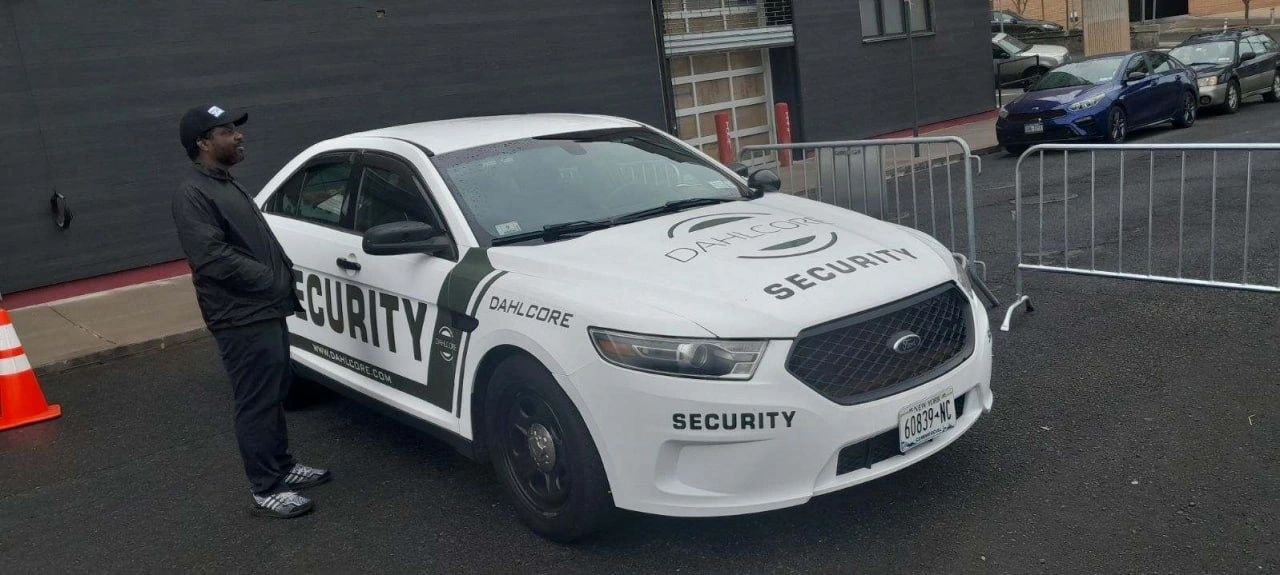
Navigating fire watch requirements can be complex, with different standards applying to various industries and work environments. Dahlcore Security Guard Services provides expert Hot Work Watch and fire watch services that ensure full compliance with OSHA 1910.252, NFPA 51B, and local fire codes. Our certified fire watch personnel are trained to identify hazards, maintain proper documentation, and respond effectively to emergencies. Contact Dahlcore Security Guard Services today to protect your job site, workers, and property during all hot work operations.
Disclaimer: This information is for guidance only. Always consult current OSHA regulations, NFPA standards, and local fire codes. Regulations change frequently—verify compliance with authoritative sources before commencing hot work operations. Regulations verified: January 2026.
Check other blogs
How to Check Car GPS History: A Comprehensive Guide
Essential Tips for Enhancing Security in Cannabis Retail
Implementing Effective Access Control at Sea Ports
Why Data Loss Prevention is Vital: Safeguard Your Digital Future
