


Construction Site Security
Construction sites are bustling hubs of activity where both valuable assets and hardworking individuals coexist. Given the transient nature and high value of machinery and materials present, these sites become attractive targets for theft, vandalism, and other security breaches. But why should a construction site have security? This article dives deep into the multifaceted reasons, showcasing the necessity of robust security measures not only for asset protection but also for ensuring the safety and well-being of everyone involved.
Why Should a Construction Site Have Security?
The Significance of Security in Construction
Safety and security on a construction site go hand in hand. With numerous hazards present, from the potential for theft to the safety of workers, a comprehensive security strategy is paramount. Understanding the specific risks and challenges unique to construction sites is the first step in outlining effective measures that protect both physical assets and human resources.
The Human Element: Security Personnel
The human element in construction site security is irreplaceable. While technology offers surveillance and monitoring capabilities, the presence, intuition, and decision-making skills of trained security personnel are invaluable. They serve as the eyes and ears on the ground, reacting to and preventing incidents before they escalate.
Roles and Responsibilities of Security Staff
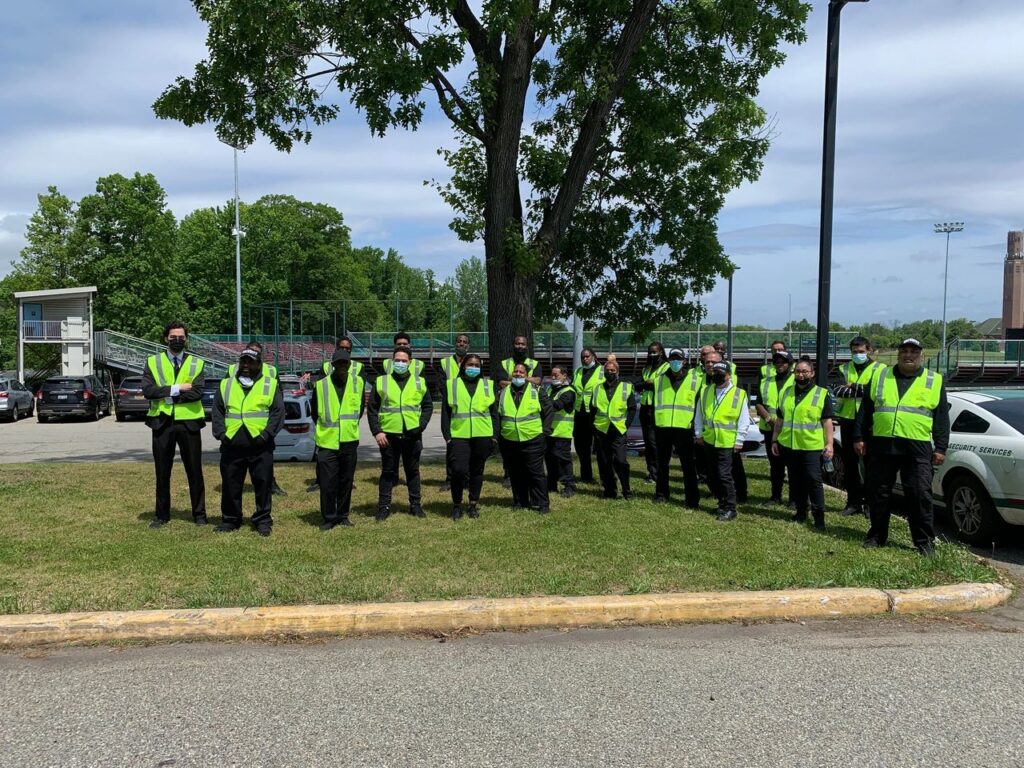
Security staff on a construction site have a variety of roles. They control access points to ensure that only authorized personnel enter the site, monitor CCTV cameras, conduct regular patrols, and respond to any security incidents. Their presence can deter potential intruders and is also crucial in managing emergencies, coordinating with law enforcement, and ensuring that safety protocols are followed.
Training and Expertise Requirements
The effectiveness of security personnel largely depends on their training and expertise. They should be well-versed in the latest security practices and emergency response procedures. This includes understanding how to operate security technology, perform first aid, and manage crowds during evacuations. Continuous training ensures they are up-to-date with the latest tactics and regulations.
Legal and Insurance Considerations
Ensuring compliance with local laws and regulations is crucial in construction site security. This section explores the legal requirements and the importance of having comprehensive insurance coverage to mitigate risks.
Compliance with Local Laws
Construction sites must adhere to various local, state, and federal laws regarding safety, employment, and building codes. Security measures should also comply with these regulations to avoid legal repercussions and ensure a smooth operation. Understanding and implementing the legal requirements not only protects the project but also reinforces the security framework’s integrity.
Insurance: Protecting Against Financial Loss
Insurance plays a critical role in construction site security. It helps manage the financial risks associated with theft, vandalism, accidents, and other unforeseen incidents. Adequate insurance coverage ensures that in the event of a security breach, the financial implications are mitigated, allowing the project to recover and continue.
Theft and Vandalism: Prevention and Response
Theft and vandalism are two of the most common threats to construction sites. These incidents can lead to significant financial losses, project delays, and safety hazards. Understanding how to prevent these acts and how to respond if they occur is crucial for maintaining site security and project integrity.
Understanding the Motives and Methods
Thieves and vandals are attracted to construction sites due to the valuable equipment and materials present, as well as the perceived ease of access. Understanding their motives can help in developing more effective deterrent and detection strategies. This includes identifying common targets on the site, recognizing patterns of theft or vandalism, and staying informed about local criminal activity.
Strategies to Deter and Detect
Practical strategies to deter theft and vandalism include maintaining a well-lit and secured perimeter, using CCTV surveillance, employing security guards, and marking equipment and materials with identifiable tags. Detection can be improved through regular inventory checks, motion sensors, and alarm systems. Quick response to incidents is crucial in minimizing losses and apprehending perpetrators.
Safety Measures: Protecting Workers and Assets
In addition to preventing unauthorized access and theft, construction site security measures play a vital role in ensuring the safety of workers and the protection of assets. This involves a comprehensive approach to risk management and safety protocols.
Personal Protective Equipment and Protocols
Ensuring that all workers and visitors to the site are equipped with the necessary personal protective equipment (PPE) is a fundamental aspect of site safety. Helmets, safety vests, goggles, and other gear protect individuals from everyday hazards. Additionally, clear safety protocols should be established and communicated to everyone on site, including procedures for emergencies.
Ensuring a Safe Working Environment
A safe working environment extends beyond personal safety gear. It includes the proper installation and maintenance of scaffolding, barriers, and signage to guide and protect workers. Regular safety audits and inspections can identify potential hazards before they lead to accidents or injuries. A culture of safety, supported by training and clear communication, further enhances the overall security of the construction site.
Technology in Action: Case Studies
In this section, we delve into real-world scenarios where innovative security solutions have made a significant impact on construction site safety and security.
Real-World Examples of Effective Security
By examining various case studies, we can glean insights into the practical application of security technology and strategies. For example, a case study might detail the use of drone surveillance to monitor large sites or the implementation of biometric access controls to manage site entry. These examples provide concrete evidence of how technology can enhance security measures.
Lessons Learned and Best Practices
From each case study, valuable lessons can be learned about what works well and what can be improved. By sharing these best practices, construction professionals can adopt and adapt strategies that have been proven effective elsewhere, tailoring them to their specific needs and challenges.
Customizing Security for Different Types of Construction Sites
Each construction site is unique, with its specific security needs. The type of project, location, size, and duration all impact the security measures that should be implemented. Understanding how to customize security strategies to various construction environments ensures both efficiency and effectiveness.
Residential vs. Commercial Projects
The security requirements for a residential project can significantly differ from those of a commercial project. Residential areas focus more on community relations and petty theft, while commercial projects emphasize safeguarding high-value equipment and intellectual property. Customizing the approach based on the project type helps in addressing the specific risks and expectations involved.
Special Considerations for High-Risk Areas
Some construction sites may be located in high-risk areas, prone to higher crime rates or natural disasters. These sites require additional security measures and contingency planning. Understanding the local context and potential threats allows for a more targeted and robust security strategy, ensuring that the site is well-protected against its specific risks.

Training and Awareness: Building a Security Culture
A strong security culture is essential for the effective implementation of any security plan. Training and awareness ensure that all staff members are equipped with the knowledge and skills needed to contribute to the site’s security.
Ongoing Education for Staff
Regular training sessions help staff stay updated on the latest security protocols and procedures. Topics include recognizing suspicious behavior, emergency response, proper use of security equipment, and understanding the overall security plan. Investing in staff training not only improves security but also promotes a culture of safety and vigilance.
Promoting Vigilance and Reporting
Encouraging staff to be vigilant and to report any security concerns or incidents plays a critical role in maintaining site security. Clear reporting channels and a supportive environment where employees feel comfortable speaking up can lead to early detection of potential issues and prevent minor incidents from becoming major problems.
The Future of Construction Site Security
As threats evolve and technology advances, the future of construction site security looks to innovative solutions and strategies. Understanding these trends and preparing for the future is essential for staying ahead of potential risks.
Emerging Trends and Technologies
From AI-driven surveillance systems to drones for site monitoring, new technologies are continuously being developed and implemented in construction site security. Staying informed about these trends allows construction professionals to adopt the most effective, efficient, and cutting-edge solutions available.
Adapting to Changing Risks
As the nature of threats changes, so too must security strategies. This might involve regular risk assessments, updating plans and protocols, and remaining flexible to incorporate new methods and technologies. By staying adaptive, construction sites can ensure they are protected against both current and future threats.
FAQs About Construction Site Security
What role does technology play in enhancing nighttime security at construction sites?
Nighttime presents unique challenges for construction site security, but technology can play a pivotal role in mitigating these risks. Advanced night-vision cameras, motion sensors, and automated lighting systems are practical tools for enhancing security after dark. These technologies can detect and deter intruders, providing round-the-clock surveillance and peace of mind.
How can construction sites ensure the security of stored data and digital assets?
With the increasing use of digital tools and cloud-based systems in construction, securing digital assets is as important as protecting physical ones. Implementing strong cybersecurity measures, such as encrypted communications, secure password policies, and regular data backups, is essential. Training staff on cybersecurity best practices can also significantly reduce the risk of data breaches.
Can environmental design contribute to construction site security?
Yes, environmental design can significantly enhance construction site security. This involves strategically designing the site layout to reduce security risks, such as placing storage areas in well-lit, easily monitored locations, ensuring clear visibility across the site, and using natural barriers like landscaping to control access. Effective environmental design can act as a natural deterrent to unauthorized access and criminal activity.
What is the impact of poor construction site security on project timelines and budgets?
Poor security can have a substantial impact on construction project timelines and budgets. Theft of materials or equipment, vandalism, and safety incidents can lead to project delays, increased costs for replacements and repairs, and potential legal liabilities. Investing in robust security measures upfront can save time and money in the long run by preventing these disruptions.
How does construction site security intertwine with worker safety and well-being?
Construction site security directly impacts worker safety and well-being. A secure site is one where workers can perform their duties without fear of theft, vandalism, or other disturbances. Furthermore, security measures like proper fencing, lighting, and access control contribute to a safer working environment by minimizing the risk of accidents and ensuring emergency response readiness.
What are the best practices for integrating new security technologies into existing construction sites?
Integrating new security technologies into existing construction sites requires careful planning and collaboration. Best practices include conducting a thorough security audit to identify areas of improvement, consulting with security experts to choose appropriate technologies, and ensuring seamless integration with existing systems. Training staff on the use of new technologies and regularly reviewing their effectiveness is also crucial.
Conclusion: Ensuring a Safe and Secure Future for Construction
Security is not just a necessity but a critical investment in the future of every construction project. Effective security strategies protect assets, people, and the integrity of the project itself. By understanding the importance of construction site security, implementing the proper measures, and continually adapting to new challenges, construction professionals can ensure that their sites are safe, secure, and prosperous.
Explore our other blog posts here
Temporary Construction Site Security (Guide + Checklist)
Unmonitored Home Security Systems (Self-Monitored): Pros & Cons
