


Sporting events draw large crowds, passionate fans, and, unfortunately, potential security risks. Ensuring the safety of everyone involved in these events—athletes, spectators, and staff—has become a top priority. Security breaches not only put lives at risk but can also lead to severe financial and reputational damage for event organizers. This essential guide dives into how sporting event security can be enhanced to address the growing number of threats that these events face today.
Strategies for Crowd Management and Event Safety
1. Pre-Event Planning:
- Risk Assessment: Conduct thorough risk assessments to identify potential safety hazards and determine the necessary security measures. Evaluate factors such as venue capacity, event type, and attendee demographics.
- Communication Plan: Develop a comprehensive communication strategy that includes Coordination with local authorities, emergency services, and on-ground event staff. Ensure all parties are aware of their roles and responsibilities.
- Staff Training: Train staff and volunteers on emergency procedures, crowd control techniques, and first aid. Regular drills should be conducted to ensure readiness.
2. Entry and Exit Management:
- Controlled Access Points: Designate specific entry and exit points to manage the flow of attendees effectively. Use barriers and signage to guide crowds and prevent bottlenecks.
- Ticketing Systems: Implement advanced ticketing systems that support timed entry and can track attendee flow. Consider electronic tickets to speed up the entry process and reduce queues.
- Emergency Exits: Clearly mark and keep emergency exits unobstructed at all times. Regularly brief event staff on the location and operation of these exits.
3. During the Event:
- Crowd Monitoring: Use CCTV and on-ground personnel to continuously monitor crowd dynamics and behavior. This helps quickly identify and address potential issues before they escalate.
- Communication Tools: Use various communication tools, such as public address systems, mobile apps, and social media, to disseminate information rapidly to attendees.
- Incident Response: Have a clear and practiced incident response plan that includes evacuation procedures, medical emergencies, and a designated crisis management team.
4. Post-Event Analysis:
- Feedback Collection: Gather feedback from attendees, staff, and local authorities to identify areas for improvement. Use surveys and social media to collect attendee experiences.
- Data Review: Analyze data from ticket scans, CCTV footage, and staff reports to assess crowd management effectiveness and safety protocol adherence.
- Report Generation: Create detailed post-event reports that document observations, incidents, and overall safety performance. Use these reports to refine strategies for future events.
By implementing these strategies, event organizers can ensure a safer environment for attendees and staff while also enhancing the overall event experience.
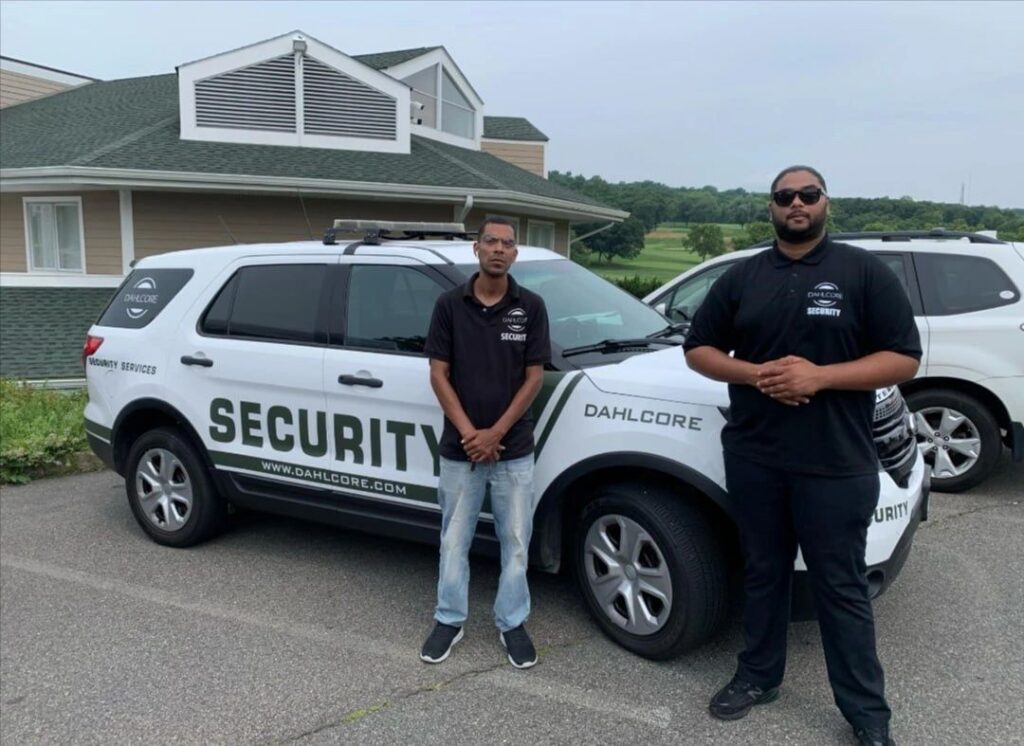
Key Challenges in Sporting Event Security
Sporting events, whether local games or international tournaments, face an array of security challenges. These include overcrowding, fan violence, terrorism threats, and cybersecurity risks. Often, the sheer size of the venue and the number of people attending can create logistical issues for security personnel. Furthermore, these challenges are heightened by the unpredictable nature of crowds, making it difficult to anticipate every potential security breach.
Risk Assessment and Planning
To manage security effectively, event organizers must start with a thorough risk assessment. This involves identifying all potential threats, vulnerabilities, and the impact of those threats on the event. A well-executed risk assessment helps prioritize security measures and allocate resources efficiently. It should cover everything from entry points and seating areas to digital infrastructures like ticketing systems and Wi-Fi networks. Regularly updating the risk assessment as new threats emerge ensures that the security plan stays relevant.
Physical Security Measures
One of the first layers of security at any sporting event is the physical security perimeter. This includes securing all entry points and controlling access to critical areas like locker rooms and VIP sections. Metal detectors and bag checks have become standard, helping to deter individuals from bringing prohibited items into the venue. In addition, high-visibility security personnel stationed at these checkpoints reinforce the perception of safety for event attendees.
Technological Advancements in Security
Technology plays a pivotal role in modern sporting event security. Surveillance systems are now more advanced, with many venues employing high-definition cameras, facial recognition, and even drones to monitor crowds in real-time. Smart stadiums equipped with AI-driven solutions can predict crowd movements and detect suspicious behavior, making it easier for security teams to prevent incidents before they escalate. These technological solutions are invaluable in identifying and addressing potential threats swiftly and effectively.
Emergency Response Plans
A well-defined emergency response plan is crucial for any large gathering. Sporting events must have a strategy in place for dealing with fires, medical emergencies, or security breaches. This involves Coordination with local law enforcement, first responders, and medical teams to ensure a quick and efficient response to emergencies. Equally important are evacuation procedures and crowd management strategies. Clear signage, public announcements, and trained security personnel can help guide spectators safely in the event of an emergency.
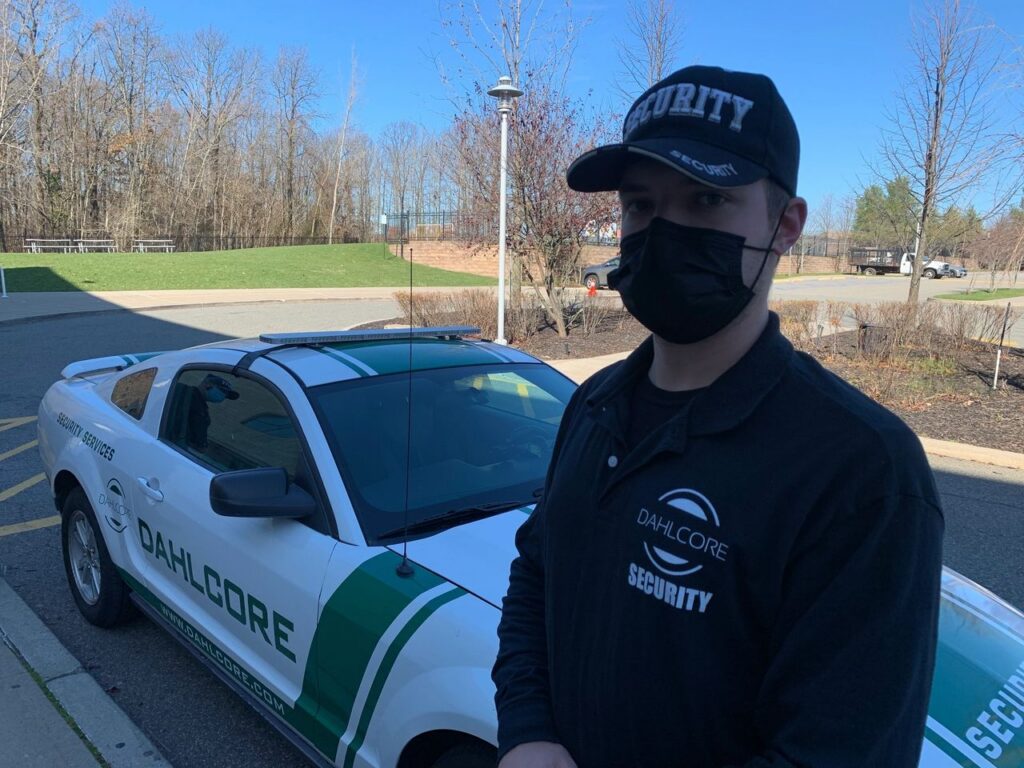
Training Security Personnel
Well-trained security personnel are the backbone of any successful security strategy. Security staff must be trained not only in standard procedures but also in specialized areas like crisis management and conflict resolution. Their ability to stay calm under pressure and respond quickly to developing situations can significantly mitigate the impact of a security threat. Regular training sessions and simulations ensure that all staff are prepared for a wide range of scenarios.
The Role of Cybersecurity in Sporting Events
With the growing reliance on digital tools in ticketing, communication, and logistics, cybersecurity has become a vital aspect of sporting event security. Events are now prime targets for hackers looking to steal personal information or disrupt operations. Protecting the digital infrastructure, from ticket sales platforms to in-stadium Wi-Fi, is critical. Implementing strong firewalls, encryption, and multi-factor authentication can significantly reduce the risk of cyber-attacks.
Crowd Control Techniques
Managing large crowds is a significant challenge at any sporting event. Effective crowd control techniques can prevent accidents and incidents like stampedes or crowd crushes. This includes clear communication from event staff, well-placed barriers, and designated walking paths to guide the flow of people. In some cases, mobile apps can be used to provide real-time updates on traffic, weather conditions, and seating arrangements, helping attendees move safely and efficiently.
Dealing with Terrorism and Major Threats
In recent years, the threat of terrorism at large-scale public events has risen. Preparing for terrorism threats requires both proactive measures and reactive strategies. Proactive measures include intelligence gathering, collaboration with law enforcement, and implementing strict access controls. Counterterrorism strategies such as regular security sweeps, undercover personnel, and bomb detection dogs add another layer of protection, reducing the likelihood of an attack.
Preventing Fan Violence
Fan behavior can often escalate into violence, especially during high-stakes matches. Security personnel must be trained in de-escalation techniques to handle unruly crowds and defuse tense situations before they spiral out of control. Visible security staff, alcohol management policies, and strategic seating arrangements for rival fans can help prevent crowd riots and aggressive behavior.
Collaboration with Private Security Firms
Many large sporting events rely on private security firms to supplement in-house security teams. Outsourcing security services to reputable firms allows event organizers to leverage specialized skills and experience. Private security personnel are often trained in areas like VIP protection, surveillance, and crowd control, adding an extra layer of expertise to the event’s overall security plan.
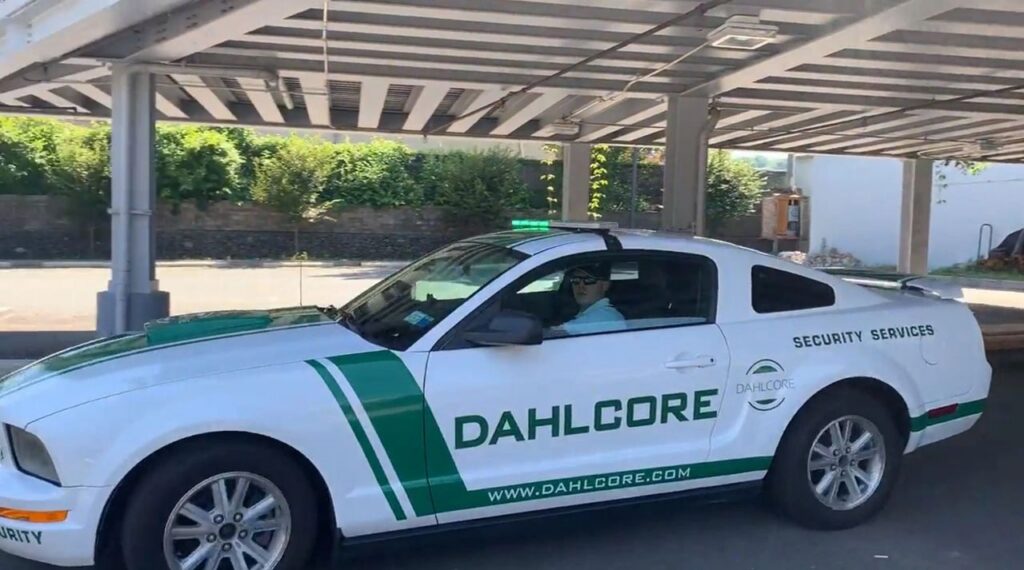
Security for VIPs and High-Profile Guests
VIPs and high-profile guests require additional security measures. VIP security involves everything from controlling their entry and exit to providing personal protection during the event. These individuals are often targets for unwanted attention or even harm, so specialized teams must be assigned to ensure their safety. Coordination with law enforcement and private bodyguards is often necessary.
Legal and Ethical Considerations
Security at sporting events must always comply with relevant legal regulations to avoid potential lawsuits or penalties. This includes respecting individual rights, such as privacy and freedom of movement, while ensuring that security measures do not unnecessarily infringe on these rights. Striking a balance between effective security and ethical considerations is vital to maintaining public trust.
Post-Event Security Analysis
The final stage of any successful security strategy is the post-event analysis. After the event, organizers should evaluate the effectiveness of their security measures, identifying strengths and areas for improvement. By analyzing any incidents, feedback from staff, and input from law enforcement, future events can be made even safer.

FAQs on Sporting Event Security
How can we improve security at sporting events?
Improving security at sporting events involves a combination of thorough risk assessments, advanced technology, and well-trained personnel. Strong collaboration with law enforcement and private security firms also plays a critical role.
What role does technology play in sporting event security?
Technology enhances security through surveillance systems, facial recognition, and AI-based tools that monitor and predict crowd behavior. Drones and smart stadium solutions further help identify potential threats in real time.
Why is crowd control important for large events?
Effective crowd control prevents dangerous situations such as overcrowding, stampedes, or violent outbreaks. It also ensures that people can move in and out of the venue safely and quickly in case of an emergency.
How can event organizers prevent terrorism at sporting events?
Terrorism prevention at sporting events requires robust access control, intelligence gathering, and Coordination with counterterrorism units. Regular security checks and bomb detection measures also help mitigate potential threats.
What are the best practices for managing fan violence?
Best practices include de-escalation techniques, the strategic placement of security personnel, and clear alcohol management policies. Separating rival fan groups and using visible surveillance can also reduce the likelihood of violent outbreaks.
How does cybersecurity impact the safety of sporting events?
Cybersecurity protects the digital infrastructure used for ticketing, communication, and in-venue services from hacking and data breaches. Strong encryption, multi-factor authentication, and secure networks help safeguard sensitive information.
Conclusion
Enhancing sporting event security requires a multifaceted approach, blending physical measures, technological advancements, and well-trained personnel. From risk assessment to post-event analysis, every step plays a crucial role in ensuring the safety of all participants. With the right strategies in place, sporting events can be both secure and enjoyable for everyone involved.
Check other blogs
Effective Communication and Coordination During Fires
Loss Prevention in Restaurants: Tips & Strategy Steps
The Importance of Hospital Security: Protecting Patient and Staff
