

“Do You Need a License to Be a Bodyguard?”
In today’s unpredictable world, bodyguards play a crucial role in ensuring the safety of individuals, whether they’re celebrities, politicians, or private citizens. While the job might seem glamorous, becoming a bodyguard involves much more than physical strength and vigilance. One pressing question that often arises is: do you need a license to be a bodyguard? The answer varies depending on where you live and the nature of the work, but licensing is increasingly becoming a standard requirement worldwide.
What Is a Bodyguard?
Role and Responsibilities
A bodyguard is a trained security professional responsible for protecting individuals from potential threats. Their duties can range from monitoring crowds to planning safe routes, managing emergencies, and even providing emotional reassurance during stressful events. Bodyguards are often tasked with ensuring the complete safety of their clients, leaving no room for errors.
Skills and Traits of a Professional Bodyguard
To succeed in this field, bodyguards need exceptional observational skills, physical fitness, and the ability to remain calm under pressure. Strong communication, tactical awareness, and decision-making skills are also essential for navigating the complexities of the role.
How to Become a Bodyguard
Becoming a bodyguard requires a combination of skills, training, and certifications to ensure you can effectively protect individuals from potential threats. Here’s a step-by-step guide:
1. Assess Your Physical Fitness and Skills
Bodyguards must be in excellent physical condition. Start by developing your strength, agility, and endurance through regular exercise and training. Martial arts, self-defense, and weapon-handling skills are also highly beneficial.
2. Complete a High School Education
While formal education beyond high school is not mandatory, obtaining a diploma is a basic requirement for most bodyguard roles.
3. Pursue Specialized Training
Enroll in bodyguard training programs offered by licensed security academies. These programs cover areas such as risk assessment, surveillance detection, crisis management, and emergency response.
4. Earn Relevant Certifications
Many jurisdictions require bodyguards to obtain certifications in first aid, CPR, and the use of firearms. Check local laws and regulations to understand the requirements.
5. Gain Practical Experience
Work in related fields such as security services or law enforcement to build relevant experience. This background demonstrates your ability to handle high-pressure situations.
6. Develop Strong Communication Skills
As a bodyguard, you must coordinate with clients, other security personnel, and law enforcement. Effective communication is key to managing potential threats smoothly.
7. Apply for Licensure
In many locations, bodyguards must be licensed to work legally. This process may include background checks and passing written exams.
By combining these steps with dedication and perseverance, you can build a successful career in personal protection.
Do You Need a License to Be a Bodyguard?
Licensing Requirements by Region
The necessity for a license depends on your location. In countries like the United States and the United Kingdom, licensing is often mandatory to ensure public safety and professional accountability. In contrast, some regions may not impose stringent regulations, leaving the decision up to employers or individuals.
Why Licensing Matters in the Industry
A license serves as proof of competency, credibility, and adherence to industry standards. It demonstrates that a bodyguard has completed the necessary training, passed background checks, and met legal requirements to operate responsibly and professionally. Clients often prefer licensed professionals because they provide a heightened sense of trust, reliability, and assurance of quality service.
How Long Does It Take to Become a Bodyguard?
The time it takes to become a bodyguard depends on your background, goals, and the certifications required in your region. Below is a general breakdown:
1. Initial Education
Completing high school or equivalent education takes about 12 years of schooling. This forms the foundation for pursuing a bodyguard career.
2. Specialized Training
Bodyguard training programs typically last anywhere from a few weeks to several months, depending on the depth and type of training you choose. For example:
- Basic training courses: 4–8 weeks
- Advanced courses: 3–6 months
3. Earning Certifications
Gaining certifications in first aid, CPR, or firearm handling can take an additional few weeks to a few months. Many programs are self-paced, allowing quicker completion if you’re motivated.
4. Gaining Experience
Practical experience in security or law enforcement may take 1–3 years, depending on the roles you pursue. Some candidates enter the bodyguard profession directly if they’ve completed robust training programs.
5. Licensing Process
Obtaining a bodyguard license varies by region. In some areas, it may take a few weeks to pass the necessary exams and background checks.
In summary, becoming a bodyguard can take anywhere from 6 months to 3 years or more, depending on your path. Dedication to acquiring the required skills and certifications will significantly impact your timeline.
How to Get a Bodyguard License
Training Programs and Certifications
The first step to obtaining a bodyguard license typically involves completing a certified training program designed to build foundational skills and knowledge. These programs cover essential topics such as threat assessment, surveillance techniques, self-defense strategies, and understanding legal responsibilities. Additionally, they often include practical exercises to ensure trainees are prepared for real-world scenarios and can act confidently under pressure.
Background Checks and Legal Requirements
Applicants must undergo comprehensive background checks to verify they have no criminal history or legal issues that could hinder their ability to perform security duties responsibly. In some cases, additional evaluations, such as psychological assessments, are conducted to ensure candidates are mentally fit for the role. Drug screenings may also be required, depending on regional regulations or company policies, to maintain a high standard of trust and reliability.
Countries That Require Licensing for Bodyguards
United States
In the U.S., bodyguard licensing laws vary significantly by state, with each setting its requirements and regulations for professional security personnel. States like California and New York mandate security licenses that often include rigorous training in areas such as firearms handling, emergency response, situational awareness, and conflict de-escalation techniques.
United Kingdom
In the UK, bodyguards are required to obtain a Security Industry Authority (SIA) license, which ensures they meet strict standards of training, fitness, and conduct. This license involves completing an approved training course, passing background checks, and adhering to the legal framework governing private security services.
Other Countries with Licensing Policies
Australia, Canada, and several European nations also have licensing systems in place, highlighting their commitment to maintaining high standards and accountability in the security industry. These systems aim to ensure that security personnel are properly trained, vetted, and equipped to handle their responsibilities effectively, reflecting a global push for greater professionalism and public trust in the sector.
Countries Where Licensing Is Not Mandatory
Overview of Regions Without Mandatory Licensing
Some countries, particularly in parts of Asia and Africa, have looser regulations around bodyguard work, allowing individuals to enter the profession with minimal training or certification. However, this lack of standardization can lead to inconsistent service quality and heightened risks for both bodyguards and their clients.
Pros and Cons of Unregulated Bodyguard Work
Without mandatory licensing, the industry may lack standardized training and oversight, potentially leading to inconsistent service quality and safety concerns. However, it can also create opportunities for individuals with relevant skills and experience who might not meet strict licensing criteria, fostering a more inclusive workforce.
Common Requirements for Bodyguard Licensing
Age and Education
Most licensing systems require applicants to be at least 18 years old and possess a high school diploma or an equivalent qualification, such as a GED. These prerequisites ensure that individuals entering the profession have a basic level of education and maturity to handle the responsibilities effectively.
Physical Fitness and Health Standards
Given the physically demanding nature of the job, candidates must meet specific fitness and health benchmarks, including endurance and strength tests to ensure they can perform their duties effectively. These assessments evaluate their ability to handle strenuous tasks, such as prolonged physical activity, heavy lifting, and other job-specific challenges.
Legal and Ethical Qualifications
Licensing requirements typically involve comprehensive training in ethical conduct, ensuring that professionals understand the legal and moral standards they must adhere to. This training emphasizes the importance of making decisions that align with both the law and ethical principles to maintain public trust and safety.
Specialized Bodyguard Training
Tactical Skills
Bodyguards undergo extensive training in defensive driving techniques to protect their clients in high-risk situations on the road. They are also skilled in hand-to-hand combat and firearm use (where legally allowed), ensuring they can effectively respond to physical threats.
Conflict Resolution and Communication
De-escalation techniques, such as maintaining a calm demeanor and using non-threatening body language, help reduce tension in potentially volatile situations. Effective communication, including active listening and empathetic responses, fosters understanding and encourages cooperation, preventing conflicts from escalating further.
First Aid and Emergency Response
Bodyguards are frequently the first to assess and address an emergency, making first-aid certification essential for their role. This training ensures they can provide immediate, life-saving care until professional medical help arrives.
Private Security vs. Bodyguards
Key Differences
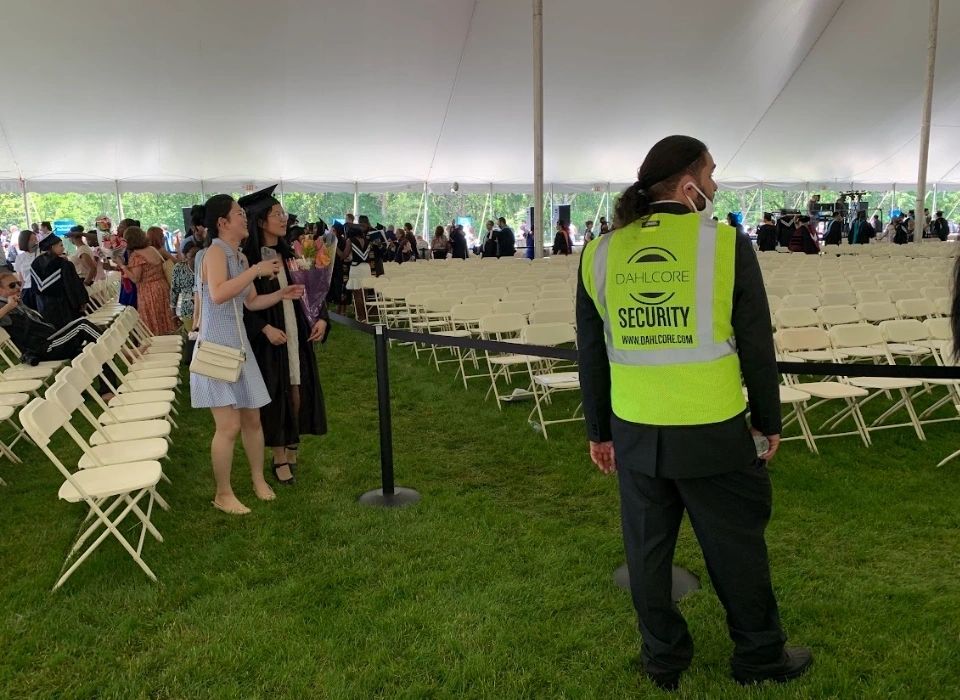
Bodyguards must be trained to assess threats, respond quickly, and adapt to various high-pressure situations to ensure the safety of their clients. In contrast, private security personnel typically manage crowd control, surveillance, and access points, focusing more on property and event security.
Licensing Variations Between Roles
Private security roles often require basic training and certification, focusing on general safety and surveillance. In contrast, bodyguard positions necessitate advanced skills in threat assessment, and defensive tactics, and often include specific certifications, making them more specialized and demanding.
Freelance Bodyguards and Licensing
Challenges for Independent Contractors
Freelance bodyguards often encounter difficulties navigating licensing processes, which are typically designed for larger security firms. This can create barriers for individuals seeking to operate independently, as they may struggle to meet the requirements set by regulatory bodies.
Insurance and Legal Considerations
Freelancers should obtain the necessary insurance coverage, such as liability or professional indemnity insurance, to protect themselves from unexpected claims or damages. Additionally, they must adhere to all relevant legal requirements, including business registration, tax obligations, and industry-specific regulations, to minimize risks and maintain compliance.
Benefits of Being a Licensed Bodyguard
Professional Credibility
A license not only boosts a bodyguard’s credibility but also demonstrates their commitment to professionalism and industry standards. This added trust factor makes them a more appealing choice for high-profile clients seeking top-tier security services.
Better Job Opportunities
Licensed professionals are typically recognized for their expertise and qualifications, which can lead to better compensation and career advancement. In addition, their credentials often open doors to global job markets, providing opportunities to work abroad or with international clients.
Legal Protection in Critical Incidents
In legal disputes, a license can be presented as proof that an individual has completed the required training and meets the professional standards set by the relevant regulatory bodies. This documentation can help establish the individual’s qualifications and demonstrate their compliance with industry regulations, potentially influencing the outcome of the case.
Risks of Working Without a License
Legal Consequences
Operating without a license in regulated regions exposes individuals or businesses to significant legal risks, including hefty fines and possible imprisonment. Additionally, offenders may face long-term career setbacks, such as being banned from future employment in their industry.
Reduced Client Trust
Clients prioritize hiring licensed bodyguards to ensure they are properly trained and meet industry standards for safety. Unlicensed individuals may lack the necessary expertise, increasing the risk to clients’ well-being and compromising the quality of protection.
Limited Career Growth
Unlicensed professionals often face limited career growth opportunities, as many employers prioritize hiring individuals with the necessary certifications or licenses. In competitive markets, this can make it significantly harder to secure promotions or new job prospects compared to those who are licensed.

The Cost of Bodyguard Licensing
Fees for Training and Certification
Costs can fluctuate based on the specific training program and certification level but typically cover training program fees, examination fees, and licensing application fees. Additional expenses may include background checks, fingerprinting, and ongoing certification renewal costs.
Renewal and Recertification Costs
Most professional licenses require renewal at regular intervals, which may include submitting updated documentation and paying renewal fees. Additionally, some licenses mandate continuing education or training to ensure that holders stay current with industry standards and regulations.
Tips for Aspiring Bodyguards
Building Experience in the Security Industry
Starting in entry-level security roles offers a solid foundation for aspiring bodyguards by helping them develop essential skills such as situational awareness, communication, and crisis management. These roles also provide opportunities to understand the dynamics of protecting people in various environments, laying the groundwork for more advanced protective work. Gaining hands-on experience in entry-level positions can help bodyguard candidates build a professional reputation and network within the security industry.
Networking and Career Growth
Networking plays a crucial role in career growth by connecting individuals to valuable resources, mentors, and opportunities. Building strong relationships with industry peers can open doors to collaborations, new job prospects, and career advancement. Consistently engaging with professionals through events, online platforms, and conferences helps build a reputation and establish a supportive career network.
Maintaining a Professional Reputation
Upholding ethical standards fosters trust and credibility with clients, which is vital for building lasting relationships. Demonstrating reliability ensures consistent performance and accountability, leading to stronger reputations within industries. These principles not only differentiate a business from competitors but also lay the foundation for sustainable growth and success.
FAQs About Licensing for Bodyguards
Can you work as a bodyguard without formal training?
While it’s possible to work as a bodyguard without formal training, most employers prefer or require professional security training. Without formal training, you may lack essential skills in threat assessment, protection techniques, and legal knowledge.
How long does it take to get licensed?
The time to get licensed varies depending on the profession and location, but it generally takes a few months to a year. This includes completing education, training, and passing required exams.
Is a criminal record a disqualifier?
A criminal record may disqualify someone depending on the nature of the offense and the requirements of the specific job, program, or opportunity. However, many organizations consider the circumstances, time elapsed, and evidence of rehabilitation before making a decision.
What’s the difference between state and national licensing?
State licensing is issued by individual states and typically applies to professions or businesses operating within that specific state, often with unique requirements. National licensing is granted at the federal level and allows individuals or businesses to operate across multiple states under standardized regulations.
Do all employers require licensed bodyguards?
No, not all employers require licensed bodyguards, but many do, especially in regions where licensing is mandatory for legal and liability reasons. The need for licensing often depends on the job’s location, nature, and the employer’s security requirements.
Can a license from one country be used in another?
A license issued in one country is generally not valid in another unless there is a mutual recognition agreement or international treaty in place. For example, a driver’s license may require an International Driving Permit or specific conversion processes depending on the country.
Conclusion
Obtaining a license as a bodyguard is a strategic step that can open doors to more prestigious opportunities and enhance your reputation in the security industry. Licensing not only signals professionalism and dedication to potential clients and employers but also ensures you operate within the legal framework, reducing liability risks. For aspiring bodyguards, investing in comprehensive training, staying updated on regulations, and achieving certification are essential to establishing credibility and long-term success in the competitive field of personal security.
Check other blogs
Importance of Fire Watch Guards in High-Risk Industries
Fire Watch Guard vs Fire Alarm: Know the Difference & When to Use
