

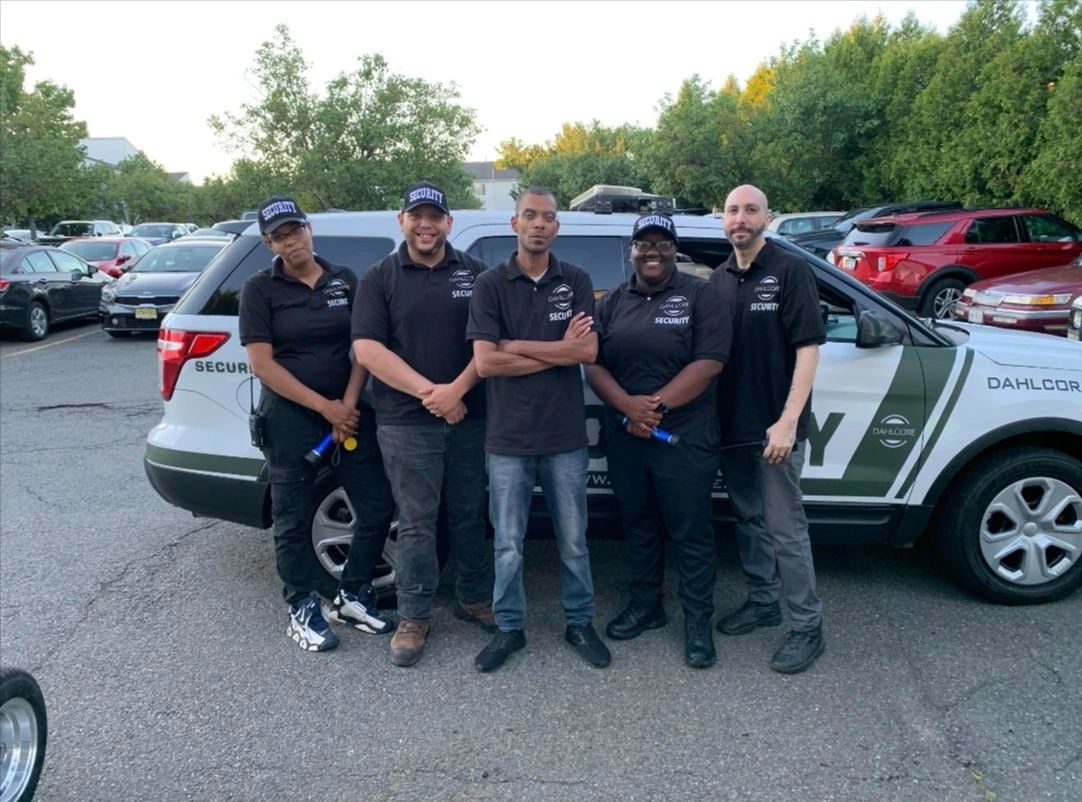
“Differences Between a Private Security Guard and a Police Officer”
When it comes to maintaining safety and security in society, both private security guards and police officers play crucial roles. However, despite their common goal of protecting people and property, these two professions differ significantly in their responsibilities, legal authority, and approach to work. This article will break down the key distinctions between a private security guard and a police officer, shedding light on their specific roles, training, and the scope of their powers.
Roles and Responsibilities
A private security guard and a police officer have overlapping responsibilities when it comes to ensuring safety. However, their roles diverge significantly in terms of scope and function. Private security guards are typically employed to protect specific properties, businesses, or individuals. Their primary duty is to prevent unauthorized access, theft, or damage to the assets they are assigned to protect. This can involve patrolling, monitoring surveillance cameras, and enforcing access control.
On the other hand, police officers are public servants responsible for enforcing laws across broader geographic areas, often spanning entire cities, states, or regions. Their duties go beyond crime prevention to include investigating criminal activities, making arrests, and maintaining public order. Police officers also respond to emergencies, handle traffic violations, and provide assistance during large-scale public events or natural disasters.
Jurisdiction and Authority
One of the most significant differences between private security guards and police officers lies in their jurisdiction and legal authority. Private security guards have limited authority and can only operate within the confines of the property they are employed to protect. Their powers to intervene in situations are restricted to specific rules set by their employer or local laws.
In contrast, police officers have state-sanctioned authority, which allows them to operate across a wide range of locations within their jurisdiction. They have the legal right to enforce laws, investigate crimes, make arrests, and use force when necessary to uphold public safety. Their authority is supported by state or federal legislation, giving them broader legal power compared to security guards.
Training and Certification
The level of training required for private security guards and police officers varies greatly. Private security guards often undergo shorter training programs that focus on areas like surveillance techniques, conflict management, and customer service. Some states or regions require licensing and certifications for security guards, but the intensity of training is generally less rigorous than that of police officers.
In contrast, police officers must undergo extensive training programs that typically last several months, if not longer. They are trained in a wide range of areas, including criminal law, firearms use, emergency response, defensive tactics, and community policing. Police training is designed to prepare officers for high-stakes, life-threatening situations and involves both physical and psychological preparation.
Use of Force
Private security guards have limited authority to use force. Their role is primarily preventive, meaning they often rely on deterrents like visibility and presence to prevent criminal activity. While security guards may carry certain types of non-lethal equipment, such as pepper spray or batons, the use of such tools is heavily regulated. They are not allowed to use force unless absolutely necessary and often must defer to law enforcement in serious situations.
Police officers, on the other hand, are trained in various degrees of force and are equipped to handle dangerous situations. They are authorized to carry firearms, use physical force, and employ tactical measures when needed. However, police officers must follow strict guidelines and procedures when using force, and their actions are subject to intense scrutiny.
Weapons and Equipment
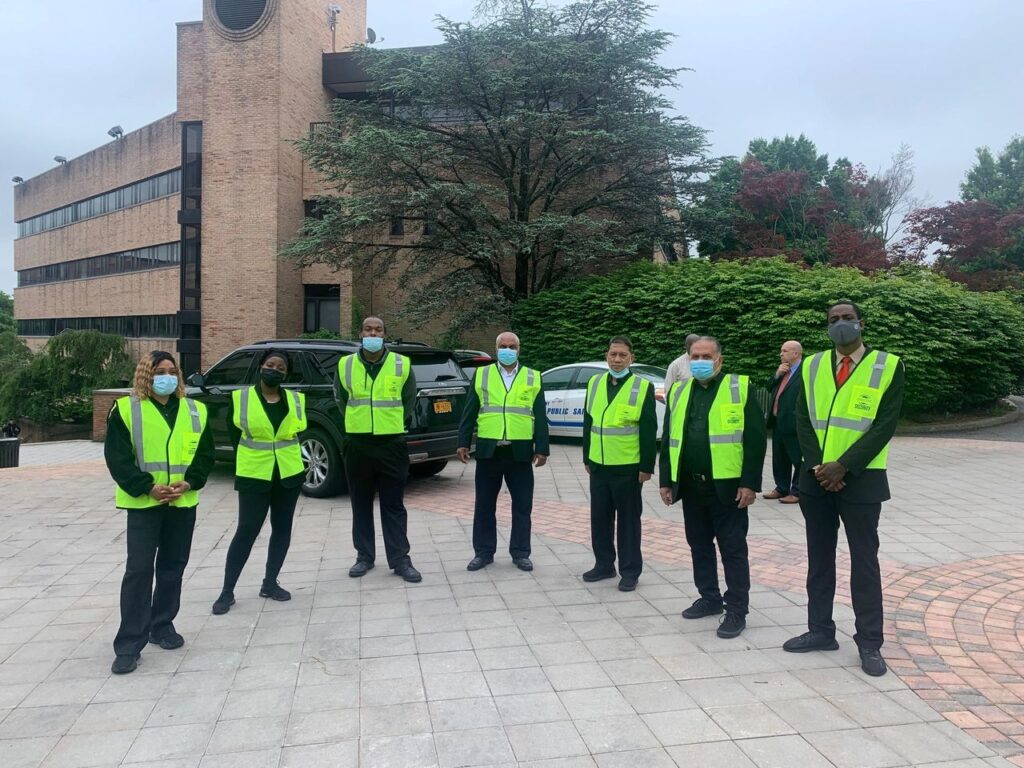
The tools and equipment available to private security guards are typically more limited compared to those used by police officers. Private security personnel may carry items like flashlights, radios, and sometimes non-lethal weapons such as tasers or pepper spray. In most cases, security guards are not authorized to carry firearms unless they have undergone specific training and are working in a high-risk environment.
Police officers, however, are equipped with a wide array of tools, including firearms, handcuffs, batons, tasers, and other tactical equipment. They also have access to more advanced communication systems, vehicles, and protective gear, allowing them to respond more effectively to emergencies and dangerous situations.
Public vs. Private Employment
One major difference between private security guards and police officers is the nature of their employment. Private security guards work for private companies or individuals. They are hired to protect specific assets, and their duties are dictated by the employer’s needs and contract terms. Because of this, security guards typically serve a narrower scope of protection.
Police officers, on the other hand, are public servants employed by government entities. They serve the broader community and are responsible for maintaining public safety on a larger scale. Laws and regulations govern their duties, and they are accountable to the public through their police departments and the legal system.
Legal Power of Arrest
A key difference between a private security guard and a police officer is their power of arrest. Security guards have limited powers in this regard. They can detain individuals if they witness a crime occurring on the property they are protecting, but they must usually wait for law enforcement to make an official arrest. Security guards operate under the legal framework of a “citizen’s arrest,” meaning they have no special powers beyond those of an average citizen.
Police officers, however, have full legal authority to make arrests. They can apprehend suspects for violating the law, investigate the situation, and initiate criminal proceedings. Their power of arrest is one of the main distinctions that separate them from private security guards.
Response to Crimes and Emergencies
Private security guards primarily focus on preventing crime before it happens. Their presence is often a deterrent, and they tend to call law enforcement when serious crimes occur. They may intervene in minor incidents, but their primary role is observation and reporting rather than direct involvement in criminal investigations or emergency responses.
Police officers, by contrast, are first responders to crimes and emergencies. Whether it’s a robbery in progress or a medical emergency, police officers are trained to handle high-pressure situations and take immediate action to resolve the issue. They are responsible for investigating crimes, collecting evidence, and ensuring that justice is served.
Accountability and Oversight
Police officers are held to high levels of accountability and oversight. Their actions are subject to review by internal affairs departments, legal systems, and the public. Any misuse of power or misconduct can lead to disciplinary actions, lawsuits, or even criminal charges.
Private security guards are accountable to their employers, and while some oversight exists, it is generally less stringent than that of police officers. In cases of misconduct, security guards may face termination, but legal consequences are less common unless their actions result in harm or criminal behavior.
Salary and Benefits
The compensation and benefits for private security guards and police officers vary greatly. Private security guards often earn lower wages, and their benefits depend on the company they work for. There may be fewer opportunities for career advancement in the security industry, though higher-level positions like security managers or directors exist.
Police officers, on the other hand, generally receive higher salaries, comprehensive benefits, and pensions. They also have more structured career paths, with opportunities to rise through the ranks and specialize in areas such as investigation, narcotics, or community relations.
Community Engagement
Private security guards typically interact less directly with the community at large, as their focus is on specific sites or individuals. However, their presence can still contribute to the overall feeling of safety in areas they patrol.
Police officers, meanwhile, are deeply involved in community engagement. They are often called upon to work directly with residents, businesses, and local leaders to solve problems and improve the quality of life. Community policing efforts aim to build trust and cooperation between law enforcement and the public.
Private Security in Public Spaces
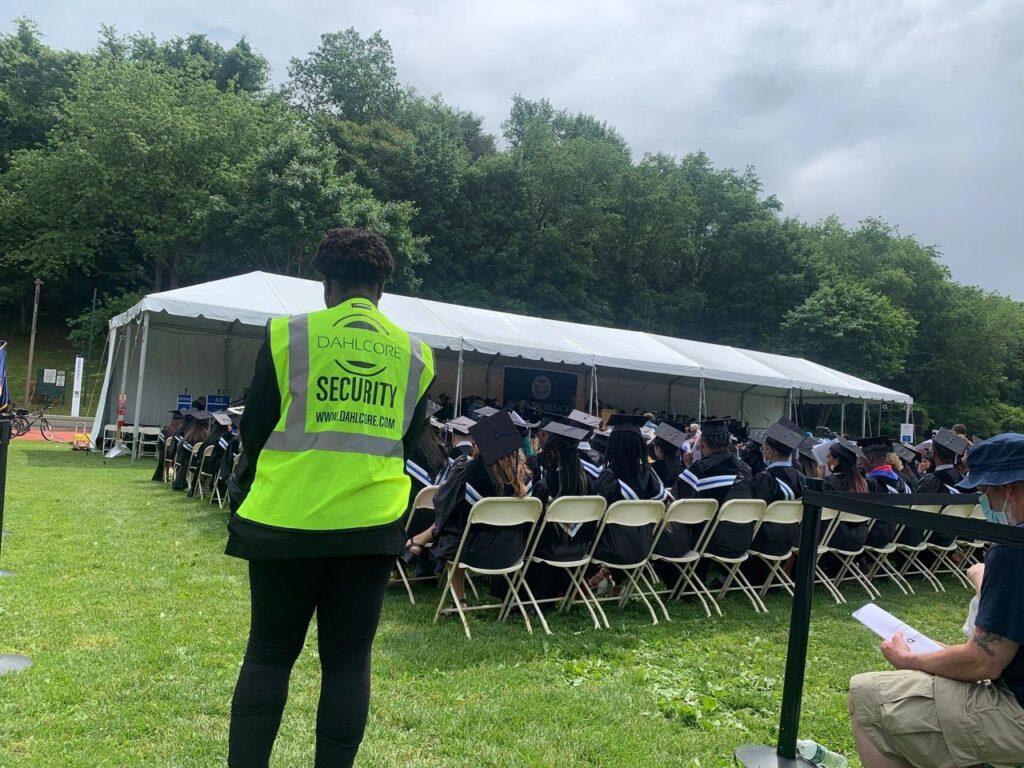
While police officers are expected to maintain law and order in public spaces, private security guards are often hired to protect private properties. However, in some cases, security guards are also present in semi-public spaces like shopping malls or events, where they act as a supplemental force to local law enforcement.
Collaboration Between Police and Private Security
Police officers and private security guards frequently collaborate to ensure public safety in various settings. In high-traffic areas like airports or during large events, security guards assist by controlling access points, managing crowds, and handling non-emergency situations, allowing police to focus on more critical issues. This partnership provides a more efficient and layered approach to security, ensuring both preventative measures and rapid response capabilities.
Legal Liability and Risk
Both private security guards and police officers encounter significant risks in their roles, yet their legal liabilities vary considerably. Police officers, while operating under public authority, often receive legal protections like qualified immunity but can still be held accountable for misconduct or the use of excessive force. On the other hand, security guards, typically employed by private companies, risk civil or criminal charges if they exceed their legal boundaries or act beyond their training.

What is Private Security’s Primary Concern While on Duty?
Private security guards are primarily concerned with the safety and security of people, property, and information. Their responsibilities are guided by the specific needs of the clients they serve, but some common focuses include:
- Prevention of Crime: The presence of security guards is often enough to deter potential criminals. Guards are trained to be vigilant, recognize suspicious behavior, and act quickly to prevent theft, vandalism, and other crimes.
- Protection of Property and Assets: Guards ensure that property remains safe from theft, damage, and unauthorized access. This includes monitoring surveillance equipment, conducting regular patrols, and managing access points to prevent any breaches.
- Ensuring Safety: The personal safety of clients, employees, and visitors is a top priority. This involves monitoring for any potential safety hazards, providing first aid in emergencies, and sometimes managing crowd control to prevent injuries during events.
- Emergency Response: Security personnel are often the first responders in emergency situations. They are trained to handle various crises, such as medical emergencies, fires, or any situation that could pose a threat to individuals on the premises.
- Public Relations: Private security also plays a crucial role in customer service and public interaction. They can provide information and assistance to visitors, helping to create a safe and welcoming environment.
- Information Security: Protecting sensitive information is critical, especially in corporate settings. Security guards ensure that only authorized personnel access important areas and that confidentiality is maintained.
By maintaining a high level of preparedness and awareness, private security guards fulfill their role as protectors of their assigned charges. Their constant vigilance helps to create a secure environment where business activities can proceed without disruption.
Frequently Asked Questions
What is the main difference between a private security guard and a police officer?
The main difference lies in their legal authority and jurisdiction. Police officers have state-sanctioned authority, while private security guards operate within the limits of private property and have fewer legal powers.
Do security guards have the same arrest powers as police officers?
No, security guards have limited arrest powers, usually limited to detaining suspects for a “citizen’s arrest.” Police officers, on the other hand, have full legal authority to arrest individuals under state or federal law.
How much training do private security guards receive compared to police officers?
Private security guards typically undergo shorter, less intensive training focused on surveillance and customer service. Police officers undergo extensive training, covering a wide range of skills, including law enforcement, firearms use, and emergency response.
Can private security guards carry firearms?
In most cases, security guards are not authorized to carry firearms unless they have special training and licensing. Police officers are regularly trained and equipped to carry guns as part of their duties.
Are police officers required to work in dangerous situations?
Yes, police officers are trained to respond to a variety of dangerous and life-threatening situations, including crimes in progress and emergencies. Their role often places them in harm’s way to protect public safety.
How do police officers and private security collaborate at significant events?
At large events, private security often handles access control and crowd management, while police officers ensure overall law enforcement and respond to emergencies. They work together to ensure both safety and order are maintained.
Conclusion
Private security guards and police officers both play vital roles in maintaining public safety, but their responsibilities and legal authority differ significantly. Police officers are government employees with broad law enforcement powers, including arrest authority and investigation, while businesses or individuals typically hire private security guards to protect specific properties or people. Understanding these differences helps highlight how both professions complement each other to provide a layered approach to security and public order.
Check other blogs
Assessing Dispensary Security Costs: How Much for a Safe?
How to Defuse a Heated and Potentially Dangerous Confrontation
