

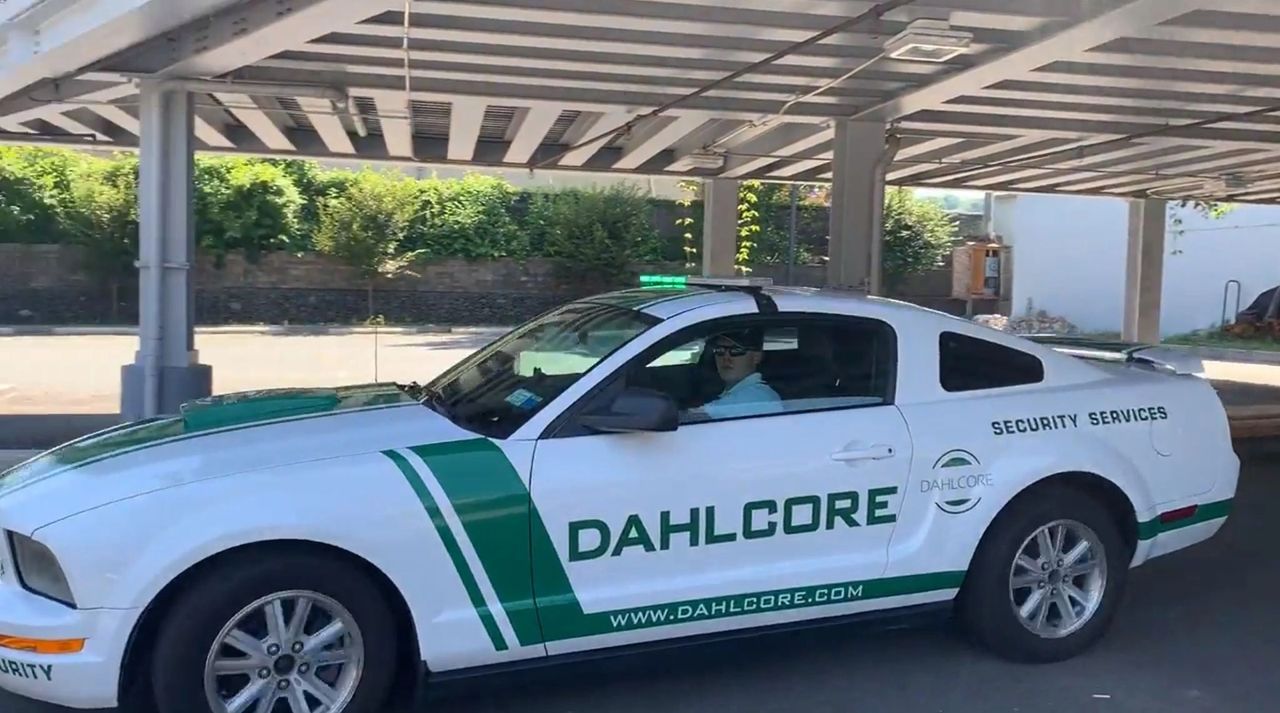
What Does a Data Center Security Officer Do in New York?
A data center security officer in New York protects critical IT spaces that serve Wall Street, major media companies, cloud providers, and public institutions across NYC and the wider state. They blend strict access control, constant monitoring, and fast incident response to satisfy demanding client expectations and comply with local and state‑level security policies.
On any given shift, an officer may be posted at a Manhattan high‑rise facility, a carrier‑hotel hub near 60 Hudson Street, or a colocation site in Brooklyn, Queens, or New Jersey‑adjacent corridors. Despite the different building types, the mission stays the same: keep people safe, keep unauthorized users out, and keep critical IT systems running in a city that never sleeps.
What are the Core Duties of a Data Center Security Officer in New York?
In New York, data center security officers typically work in multi‑tenant colocation hubs and enterprise facilities that run 24/7/365. Their core duty is to maintain a secure, controlled environment while supporting the operations of tenants and building management.
Key responsibilities usually include:
- Controlling access at lobbies, turnstiles, loading docks, and secure data floors in Manhattan and the outer boroughs.
- Checking IDs and badges, issuing visitor passes, and enforcing site rules defined by building owners and high‑value tenants.
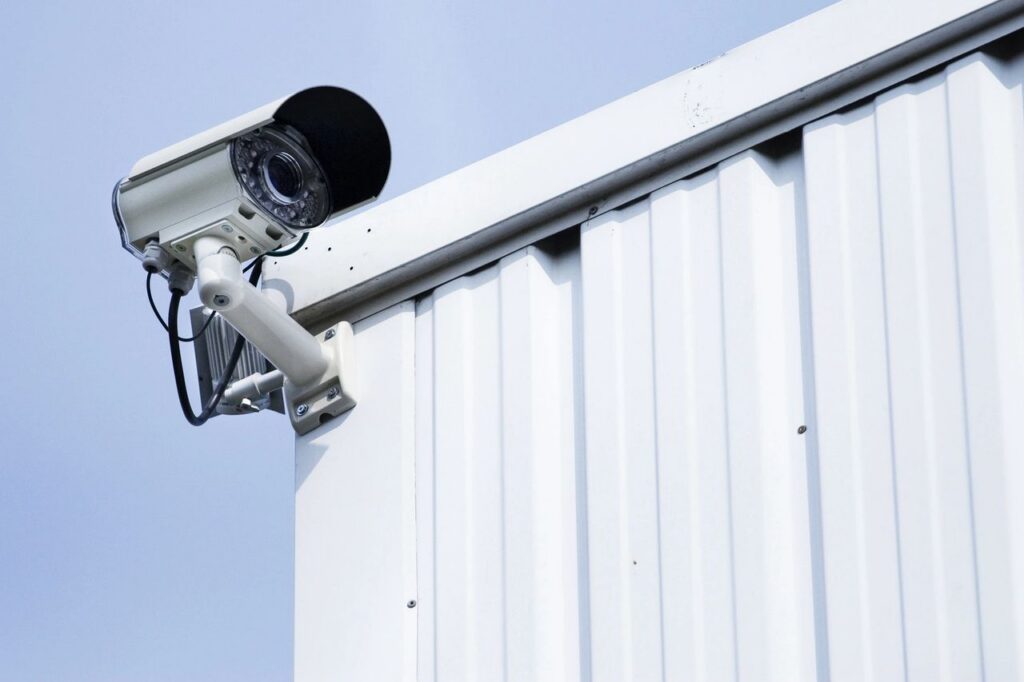
- Monitoring CCTV, door alarms, and building systems from a security control room or command center.
- Conducting interior and exterior patrols around facilities near major telecom and financial corridors.
- Completing accurate logs and incident reports that support audits, SLAs, and insurance requirements.
Because New York is dense and high‑profile, even small mistakes can have big consequences, so officers are expected to be detail‑oriented and consistent on every post.
How Do Patrols and Monitoring Work in New York Data Centers?
Patrols and monitoring in New York data centers are designed to catch problems early, even in complex buildings with many tenants. Officers are expected to be mobile, observant, and comfortable navigating multi‑floor or multi‑tower environments.
A typical shift might include:
- Rounds through office floors, colocation halls, mechanical rooms, and meet‑me rooms to confirm that doors, cages, and cabinets are properly secured.
- Exterior patrols of perimeters, parking areas, and loading docks where delivery, contractor, and courier traffic are constant.
- Watch for irregular conditions like propped fire exits, unsecured roof access, unknown individuals in corridors, or signs of tampering.
- Reporting hazards and suspicious activity through radios, digital incident‑management tools, and building reporting systems.
This combination of physical rounds and system monitoring gives officers a full picture of what’s happening in and around New York’s critical IT spaces.
How Important is Customer Service for New York Data Center Security Officers?
Customer service is a big part of the role in New York because officers interact daily with tenant staff, vendors, visitors, and delivery crews. The environment can be high-pressure, especially in Midtown and Downtown sites serving financial and media clients.
Professional expectations often include:
- Giving clear directions and access instructions while still enforcing strict access policies.
- Managing high visitor volumes during peak project windows without creating bottlenecks in lobbies or at mantraps.
- Handling disputes, frustrated visitors, and time‑sensitive work crews calmly and respectfully.
- Maintaining a professional, well‑groomed appearance that matches the standards of major New York landlords and operators.
Good customer service helps officers secure cooperation from everyone on‑site, which ultimately strengthens overall security.
How does Access Control Work for New York Data Centers?
Access control is the backbone of physical security in New York data centers, where multiple carriers and enterprises often share the same floors or even the same rooms. Systems are designed so that only the right people can reach sensitive spaces at the right time.
Most New York facilities rely on:
- Role‑based access that limits each user to specific suites, cages, or floors.
- Card‑based systems are combined with turnstiles, PIN pads, and sometimes biometrics at the most sensitive doors.
- Segmented access between public lobbies, tenant offices, meet‑me rooms, and data halls.
- Detailed badge logs that record each entry and exit for forensic investigations and compliance audits.
Officers on post enforce these controls by watching for tailgating, shared badges, and other common policy violations.
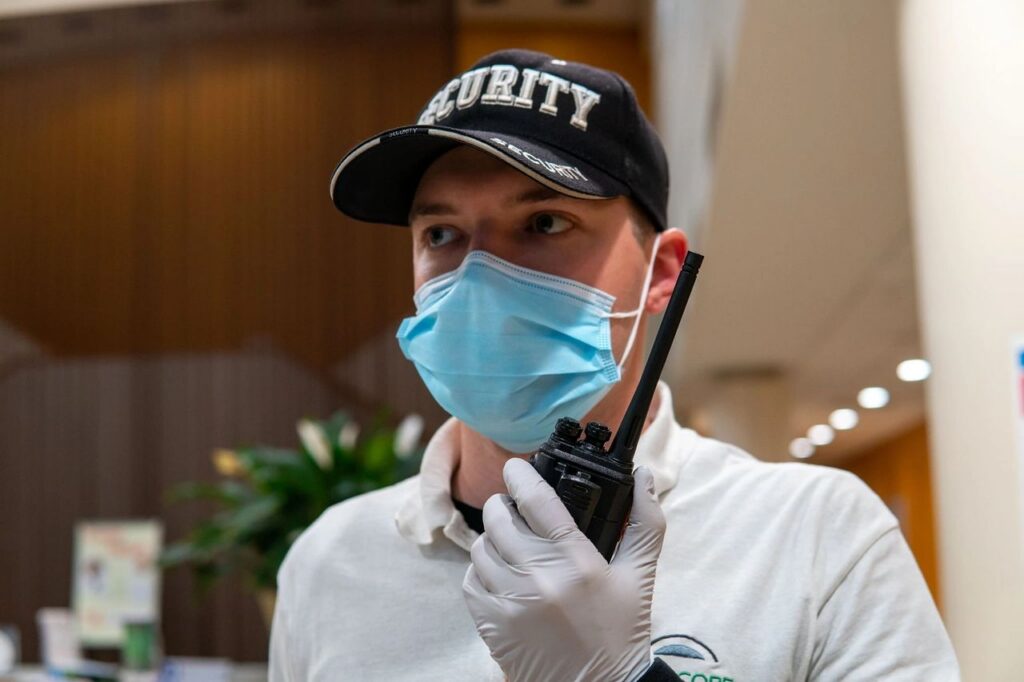
How are Identity, Badges, and Authorization Verified in New York?
Identity verification in New York reflects both building‑level policies and tenant requirements, which are often strict due to financial and regulatory risk. Security officers are usually the first and last line of defense at the door.
Typical checks include:
- Comparing the badge photo to the person’s face and inspecting the badge for damage or signs of tampering.
- Confirming that the badge’s access level is appropriate for the floor or data hall being entered.
- Checking that visitors are pre‑registered or directly approved by a tenant contact before granting access.
- Requesting government‑issued ID when policies require stronger identity proofing, especially for contractors or new visitors.
These habits help prevent social engineering attempts and unauthorized access in busy New York lobbies and elevators.
How are Visitors and Contractors Managed in New York Data Centers?
Visitor management is critical in New York because data centers see a constant flow of contractors, vendors, and client representatives. Without tight controls, it’s easy for unauthorized people to slip through.
Most New York facilities follow a similar pattern:
- Visitors check in at a lobby or security desk, present ID, and sign into a digital or paper log.
- Security or reception issues a time‑limited visitor badge clearly marked as “visitor” or “escort required.”
- Tenant escort policies are enforced, particularly for access to data halls, meet‑me rooms, and mechanical spaces.
- Visitors sign out on departure and return their badges or access cards before leaving the building.
For contractors doing work in critical IT spaces, additional approval steps, work orders, and tool checks may also be enforced.
What Physical Barriers and Zones are Common in New York Data Centers?
New York data centers often sit inside multi‑tenant buildings, so layered barriers are essential. These barriers compensate for dense surroundings, shared lobbies, and high elevator traffic.
Common physical layers include:
- Building‑level security at the main entrance, often with separate lobby officers and turnstiles.
- Data center reception or a secure floor lobby that separates general building traffic from data center tenants.
- Mantraps and anti‑tailgating devices control access into data halls and secure corridors.
- Locked cages, cabinets, and suites inside shared rooms, sometimes with separate card readers per tenant.
Security officers are typically stationed where these zones meet so they can enforce rules and quickly respond to any alarms or irregularities.
How are Surveillance, Arms, and Environmental Systems Used?
Surveillance and alarm systems extend an officer’s reach across the entire New York facility. Because many sites host critical workloads, monitoring is continuous and tightly integrated.
A typical setup includes:
- CCTV coverage of lobbies, elevators, corridors, data halls, loading docks, and roof or mechanical spaces.
- Door status alarms for forced doors, held‑open doors, and invalid badge attempts, especially after hours.
- Environmental monitoring for fire, smoke, water leaks, and abnormal temperature or humidity in IT rooms.
- Integrated dashboards or platforms that allow officers to correlate access events, camera footage, and environmental alerts.
Officers must be comfortable triaging multiple alarms at once, prioritizing the most critical events, and dispatching patrols or notifying building engineers as needed.
What are the Basics of Incident Response for New York Data Center Security Officers?
Incident response in New York data centers is guided by site‑specific playbooks, building procedures, and state‑aligned information security expectations. Security officers are expected to react quickly and consistently when something goes wrong.
The basic steps usually include:
- Recognizing and classifying the incident—whether it’s unauthorized access, a policy violation, equipment tampering, or an environmental alarm.
- Following the appropriate response plan, including who to notify, when to escalate, and when to involve supervisors or building management.
- Prioritizing life safety first, then asset protection, evidence preservation, and communication with tenants.
- Documenting what happened, when it occurred, who was involved, and what actions were taken.
These fundamentals help ensure that New York facilities can learn from each event and satisfy audit and regulatory requirements.
How are Security Breaches and Suspicious Activity Handled in NYC?
Security breaches and suspicious activity in New York can involve both internal risks and street‑level threats. Officers must take them seriously while still following established procedures and using sound judgment.
When something looks wrong, an officer will typically:
- Challenge unknown individuals in secure areas and verify their badges and authorization.
- Use clear, professional language to de‑escalate while still insisting on policy compliance.
- Notify supervisors, building security, or NYPD for serious or potentially criminal incidents.
- Preserve the scene, secure logs, and save relevant video clips for investigation.
Documented, repeatable actions protect not just the building and tenants, but also the officer and their employer.
How do Officers Respond to Fires, Evacuations, and Safety Incidents in New York Buildings?
Because many New York data centers are located in high‑rise and multi‑tenant properties, officers must integrate their actions into building‑wide life‑safety plans. Coordination with FDNY, EMS, and building management is essential.
Typical responsibilities include:
- Directing occupants to designated stairwells and assembly points during fire alarms or hazardous conditions.
- Assisting FDNY and other first responders by providing access, sharing site information, and keeping routes clear.
- Restricting re‑entry to affected floors, suites, or mechanical spaces until cleared by building management and first responders.
- Supporting tenants in returning to normal operations, including access control to damaged or restricted areas.
Well‑rehearsed procedures help minimize confusion during serious events in dense New York neighborhoods.
How do Documentation and Evidence Preservation Support New York Standards?
New York State guidance for information security calls for strong documentation and regular checks in critical IT spaces. Security officers play a vital role in maintaining these records.
Common documentation tasks include:
- Keeping accurate shift logs, patrol notes, and visitor records.
- Writing clear, factual incident reports that capture who, what, when, where, and how.
- Supporting periodic physical security checks and audits by confirming that controls remain in place.
- Preserving evidence such as access logs, camera exports, and tagged items so investigations can proceed smoothly.
Good documentation not only supports compliance but also helps refine procedures and training over time.
What Training and Standards do New York Data Center Officers Follow?
New York data center security officers typically receive training that blends company post orders, building procedures, and state‑aligned information security expectations. They need to understand both high‑level concepts and site‑specific details.
Training often covers:
- Site‑specific post orders, emergency plans, and tenant‑specific requirements.
- Physical security standards for critical IT spaces, including controls for access, labeling, and documentation.
- Operation of access control software, CCTV systems, incident‑reporting tools, and radios.
- Periodic refreshers on emergency response, first aid basics, and any updated building or state guidelines.
This training helps officers support the formal controls that colocation providers and enterprise tenants rely on.
What Trends are Shaping New York Data Center Security in 2026 and Beyond?
New York’s data center market continues to grow, and so do expectations for physical security. Technology, regulations, and client demands are all pushing practices forward.
Some notable trends include:
- Wider use of biometrics and multi‑factor access controls in multi‑tenant environments.
- Closer integration between physical security teams, cybersecurity operations centers, and building systems.
- Expanded 24/7 on‑site security coverage for facilities serving financial, media, and public‑sector clients.
- Advanced fire detection, pre‑action suppression, and environmental controls designed for high‑density IT loads.
Even as these technologies become more sophisticated, New York data center security officers remain essential for making real‑time decisions and interpreting what the systems are telling them.

FAQs about Data Center Security Officer Duties, Access Control, and Incident Response Basics in New York
What does a data center security officer do in New York?
A data center security officer in New York controls access, patrols facilities, monitors security and environmental systems, and documents incidents at data centers that support financial, media, cloud, and public‑sector workloads in NYC and across the state.
How important is access control for New York data center security officers?
Access control is critical because many New York data centers host multiple tenants and carriers on shared floors, so officers must strictly enforce badge rules, escort policies, and multi‑factor authentication to protect critical IT spaces.
How are visitors handled at New York data centers?
Visitors check in with ID at a lobby or security desk, receive clearly marked temporary badges, follow tenant escort policies into data halls or meet‑me rooms, and sign out when they leave, ensuring full visibility of who was on‑site and when.
What incident response basics should every New York data center security officer know?
Every officer should understand local incident plans, state‑aligned information security expectations, life‑safety priorities, communication and escalation paths, and the documentation needed for events that impact critical IT spaces.
How do New York security officers support compliance and audits?
Officers support compliance by maintaining accurate logs, visitor records, and incident reports, assisting with periodic physical security checks, and preserving evidence that demonstrates adherence to New York State and tenant security requirements.
Which companies hire data center security officers in New York?
In New York, major contract security firms and colocation providers hire data center security officers to staff sites in Manhattan, the outer boroughs, and nearby markets, serving high‑value technology, communications, and financial clients.
Conclusion and Local Next Steps
A data center security officer in New York brings together access control, physical safeguards, and incident response basics to protect some of the world’s most critical IT spaces. As New York continues to expand its colocation, cloud, and enterprise data center footprint, well‑trained officers remain essential for keeping facilities safe, compliant, and resilient—day and night, in every borough.
Explore our other blog posts here
How to Hire Security Officers in Staten Island, NY
